アート
美容とウェルネス
工芸
文化と歴史
エンターテインメント
環境
食品と飲料
リバースエンジニアリング
科学
スポーツ
テクノロジー
ウェアラブル
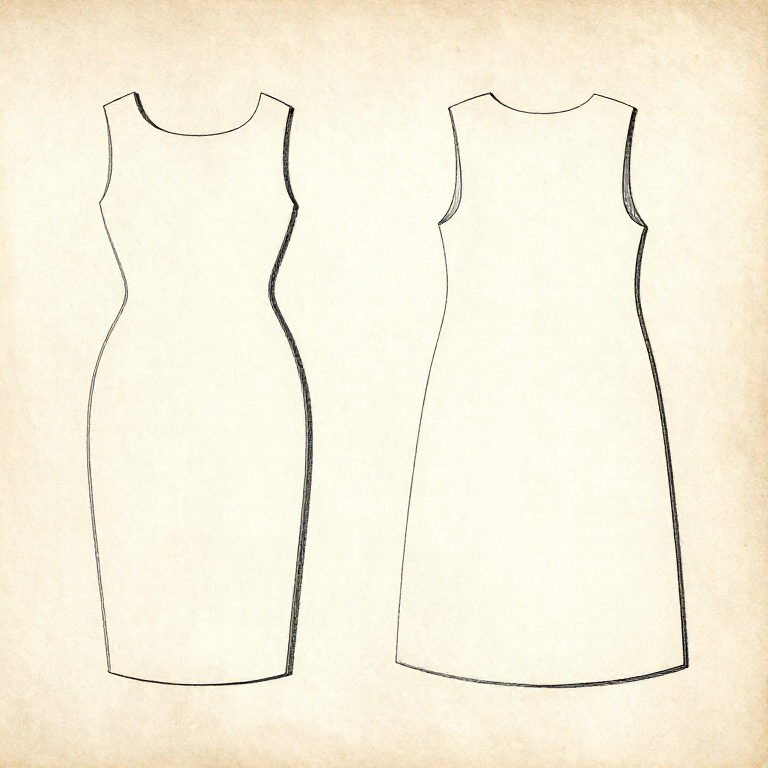


Ease: A Garment Is Bigger Than the Body, and by How Much Is a Decision
A garment cut to exactly the body's measurements cannot be worn. There would be no room to breathe, to sit down, or to raise an arm — so every garment is cut larger, and the amount is called EASE.
There are two kinds and they are constantly confused. WEARING ease is the minimum extra needed for the body to move: a few centimetres at the bust, more at the hip. DESIGN ease is everything beyond that, and it is what makes a garment fitted, relaxed or oversized.
Which means "it does not fit" usually means "it has the wrong ease", and that is a far more tractable problem. A pattern's ease can be read off, compared with the body, and changed before a single piece is cut.
中級者
3 hours
手順
1
1
Measure the body properly, and write it down
Measure the body properly, and write it down
Measure over the underwear that will be worn, with the tape snug but not pulled tight, and level all the way round — a tape that rides up at the back gives a measurement that is too small.
Take each measurement twice and take the second one if they differ, because the first is usually taken with the tape not yet settled. That is the repeat-and-look-at-the-spread rung: one reading is not a measurement.
Write them down with the date. Bodies change, and a pattern altered to measurements from three years ago fits a person who no longer exists. Dated measurements also let you see which way things are moving.
必要な工具:
 メジャー(巻尺)
2
2
Read the ease out of the pattern, and choose it
Read the ease out of the pattern, and choose it
Jupyter ノートブックを読み込み中…
このステップの材料:
 紙1 個
紙1 個必要な工具:
メジャー(巻尺) デスクトップパソコン
 定規
定規3
3
Make a toile before cutting the good cloth
Make a toile before cutting the good cloth
A TOILE (or muslin) is a trial garment in cheap cloth, made to check the fit before the real fabric is touched. It costs an afternoon and a few metres of calico and it is the single highest-value habit in garment making.
Sew it with long stitches and no finishing — it exists to be tried on, marked and taken apart. Mark corrections on it directly with a pen while it is being worn.
Then unpick it and use the pieces as the corrected pattern, or transfer the marks back to the paper. Either way the toile becomes the record, and the good cloth is cut once from a pattern that is already known to fit.
このステップの材料:
 綿モスリン2 metre
 木綿糸1 個
必要な工具:
 ミシン
ミシン 待ち針
待ち針 チャコ
チャコ リッパー(縫い目ほどき)
4
4
Change one thing at a time when altering
Change one thing at a time when altering
Alter one aspect, try it on, then alter the next. Take in the side seams AND shorten the bodice AND move the shoulder in one round and you cannot tell which change helped or which caused the new problem.
That is the change-one-thing-at-a-time rung applied to a body, and it matters more here than almost anywhere because the pieces interact — shortening a bodice moves the waist, which changes where the hip measurement falls.
Work from the top down and from the largest problem to the smallest. Shoulders and neckline first, because everything hangs from them; hems last, because the hem's position depends on every alteration above it.
このステップの材料:
綿モスリン1 metre必要な工具:
待ち針チャコメジャー(巻尺)関連ブループリント
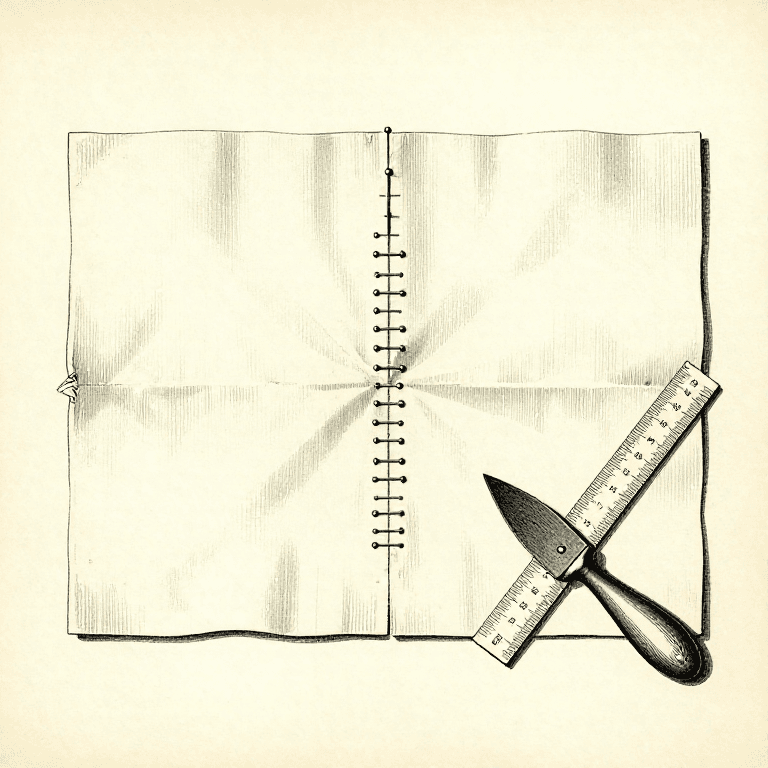
これらのブループリントは知識を共有しています — 技術、材料、原理

CC0 パブリックドメイン
このブループリントはCC0で公開されています。許可を求めずに、自由にコピー、修正、配布、あらゆる目的で使用できます。
メイカーを応援するには、ブループリント経由で製品を購入してください。メイカーには メイカーコミッション がベンダーにより設定されています。または、このブループリントの新しいイテレーションを作成し、自分のブループリントにコネクションとして含めて収益を共有できます。