アート
美容とウェルネス
工芸
文化と歴史
エンターテインメント
環境
食品と飲料
リバースエンジニアリング
科学
スポーツ
テクノロジー
ウェアラブル
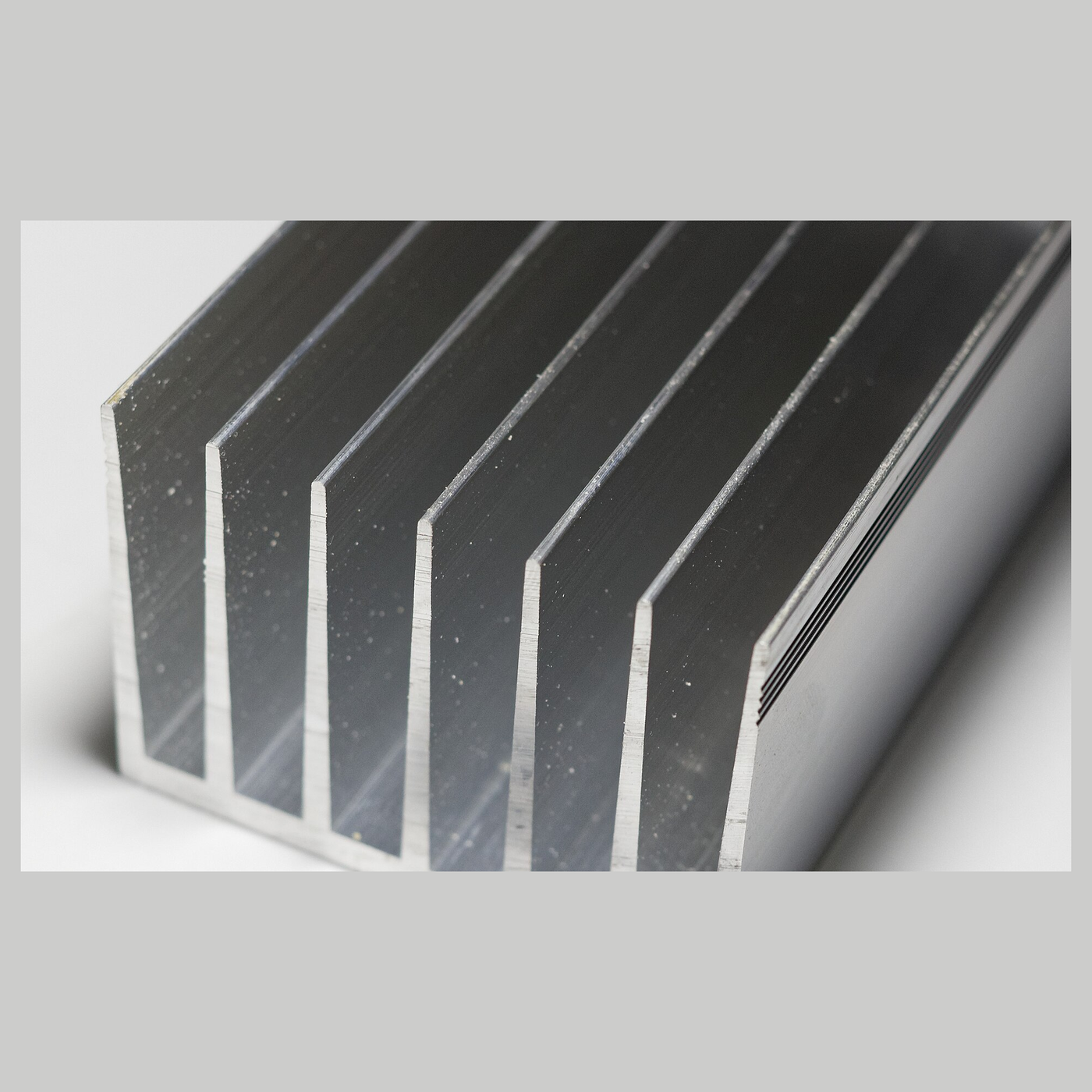

Fins and the Heat Sink: A Fin That Is Too Long Does Nothing
Every heat exchanger in this batch is limited by its gas side: air takes heat from a surface reluctantly. The answer is more surface — fins on a motorcycle cylinder, on a car radiator's tubes, on an air-conditioner's coil, on the aluminium block clipped to a computer chip.
But a fin is not free surface. Heat has to be conducted out along it, so its tip is cooler than its root, and past a certain length the extra metal does almost nothing. Fin efficiency is the idea that decides what fins are made of and how long they are.
This rung works out fin efficiency for four metals and two air speeds, then measures real heat sinks on a hot power resistor, with and without a fan, in kelvin per watt.
初心者
About 3 hours
手順
1
1
Fin efficiency, and where a fin stops helping
Fin efficiency, and where a fin stops helping
Jupyter ノートブックを読み込み中…
2
2
Measure thermal resistance in kelvin per watt
Measure thermal resistance in kelvin per watt
Take a 10 W power resistor. Run it from the bench power supply at a known power — for example 5 W: set the voltage to √(5 × R) — and read the current to confirm.
Tape a waterproof temperature probe to the resistor body and log its temperature until it stops rising, for four arrangements:
1. bare, lying on a wooden block;
2. clipped to a small heat sink with a thin layer of thermal paste;
3. on the largest heat sink in the assortment;
4. on the same large sink with a small fan blowing across it.
For each, **thermal resistance = (resistor temperature − air temperature) ÷ power**, in K/W. Expect the bare resistor to be many times worse than the fan-cooled sink. Try the large sink without paste: the rise shows how much a dry contact adds.
このステップの材料:
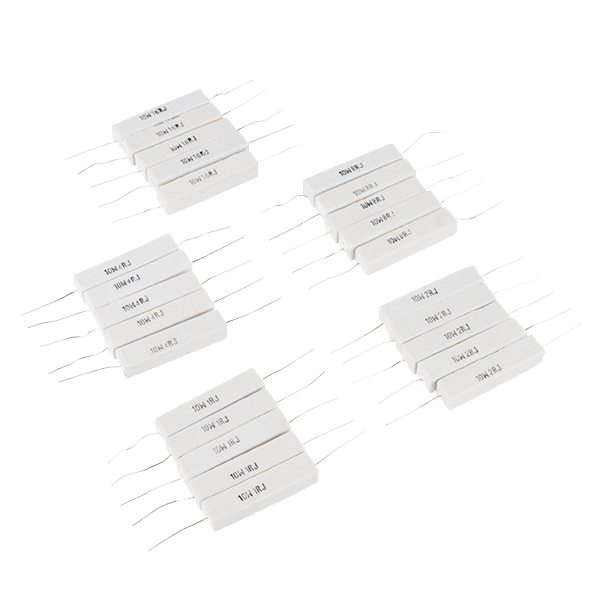 Power Resistor Kit - 10W (25 pack)1 パック
 ヒートシンク詰め合わせ(アルミ)1 セット
 熱伝導グリス(Arctic Silver)1 個
 ジャンパワイヤ1 セット
必要な工具:
 直流電源
直流電源 温度センサー
 台所用温度計
 冷却ファン(PWM)
 ストップウォッチ
3
3
Read a heat sink
Read a heat sink
Look at the heat sinks you just measured. The fins are short, closely spaced and made of aluminium — exactly what the notebook's tables recommend. Closer spacing adds surface, but in still air the fins' own warm boundary layers merge and choke each other; with a fan they can be closer. That is why sinks designed for fans have many thin fins, and passive sinks have fewer, wider-spaced ones, standing vertically so the warm air can rise out between them.
The thick base spreads the heat from a small hot component across all the fins. Where the source is far from the fins, a heat pipe (the previous rung) carries it there.
4
4
It still runs too hot: find out why
It still runs too hot: find out why
The usual reasons a component on a heat sink overheats, in order.
Flow
Loading...
5
5
Context
Context
A practice rung: extended surfaces appear in this catalogue on the steam engine's cylinder, the Seebeck thermocouple's cold junction and every air-cooled machine. The fin equation used in the notebook is standard heat-transfer theory.
**Honest limits of the numbers.** The convection coefficients are assumed round values; real ones depend on spacing, orientation and air speed, which is why step 2 measures rather than calculates. The fin model assumes a uniform coefficient and an insulated tip, both simplifications.
材料
4- Power Resistor Kit - 10W (25 pack)10%コミッション1 パック¥9
- ヒートシンク詰め合わせ(アルミ)10%コミッション1 セットプレースホルダー
- プレースホルダー
- プレースホルダー
必要な工具
5- プレースホルダー
- 6 vendors sell this, none ship to you yetプレースホルダー
- プレースホルダー
- プレースホルダー
- プレースホルダー
見積もり合計
作った人が買ったもの。価格のない材料は、購入する店で入手します。
関連ブループリント
これらのブループリントは知識を共有しています — 技術、材料、原理
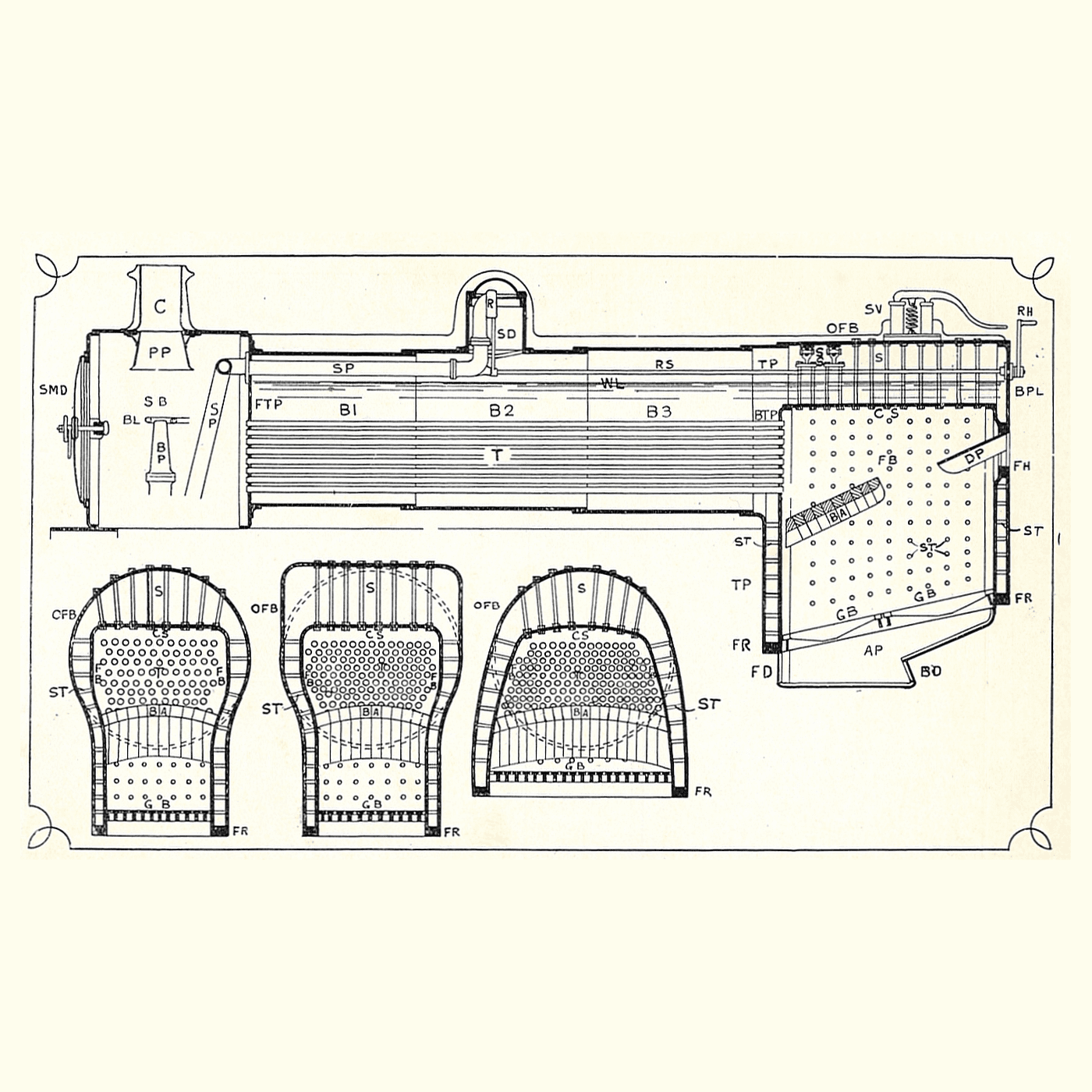
The Fire-Tube Boiler: Surface, Not Fire, Makes Steam
Martin 作
力学
46
0
0
0
0
0
The Radiator: Mostly Convection, and Why Temperature Is Everything
Emma 作
力学
33
0
0
0
0
0
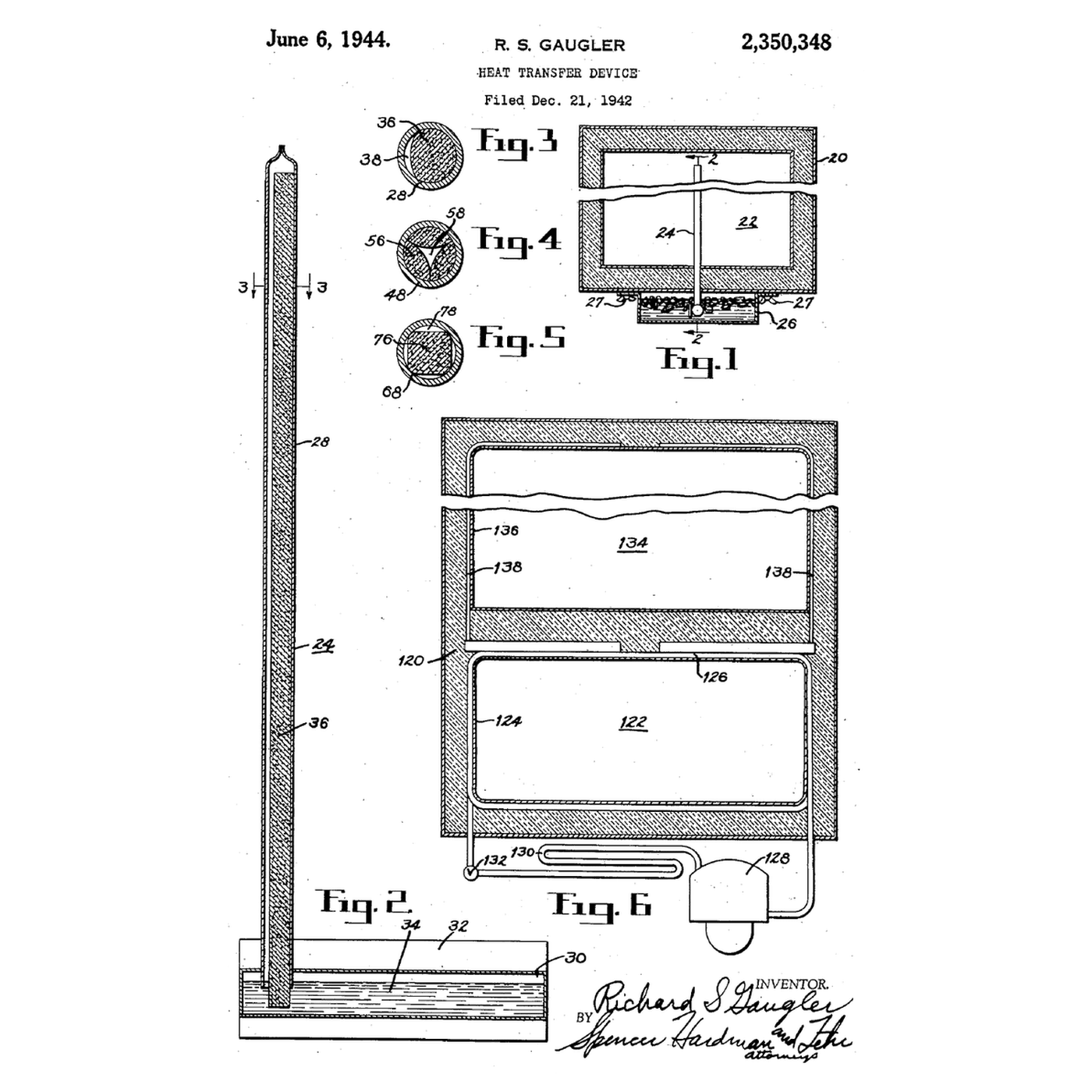
The Heat Pipe: Evaporation, Condensation and a Wick That Pumps
Emma 作
力学
45
0
0
0
0
0
Cooling Is a Process Too: Still Air, Insulated, or Quenched
Penny 作
セラミックと粘土
42
0
0
0
0
0
Seebeck Thermocouple
Ed 作
テクノロジー
50
0
0
0
0
0
CC0 パブリックドメイン
このブループリントはCC0で公開されています。許可を求めずに、自由にコピー、修正、配布、あらゆる目的で使用できます。
メイカーを応援するには、ブループリント経由で製品を購入してください。メイカーには メイカーコミッション がベンダーにより設定されています。または、このブループリントの新しいイテレーションを作成し、自分のブループリントにコネクションとして含めて収益を共有できます。