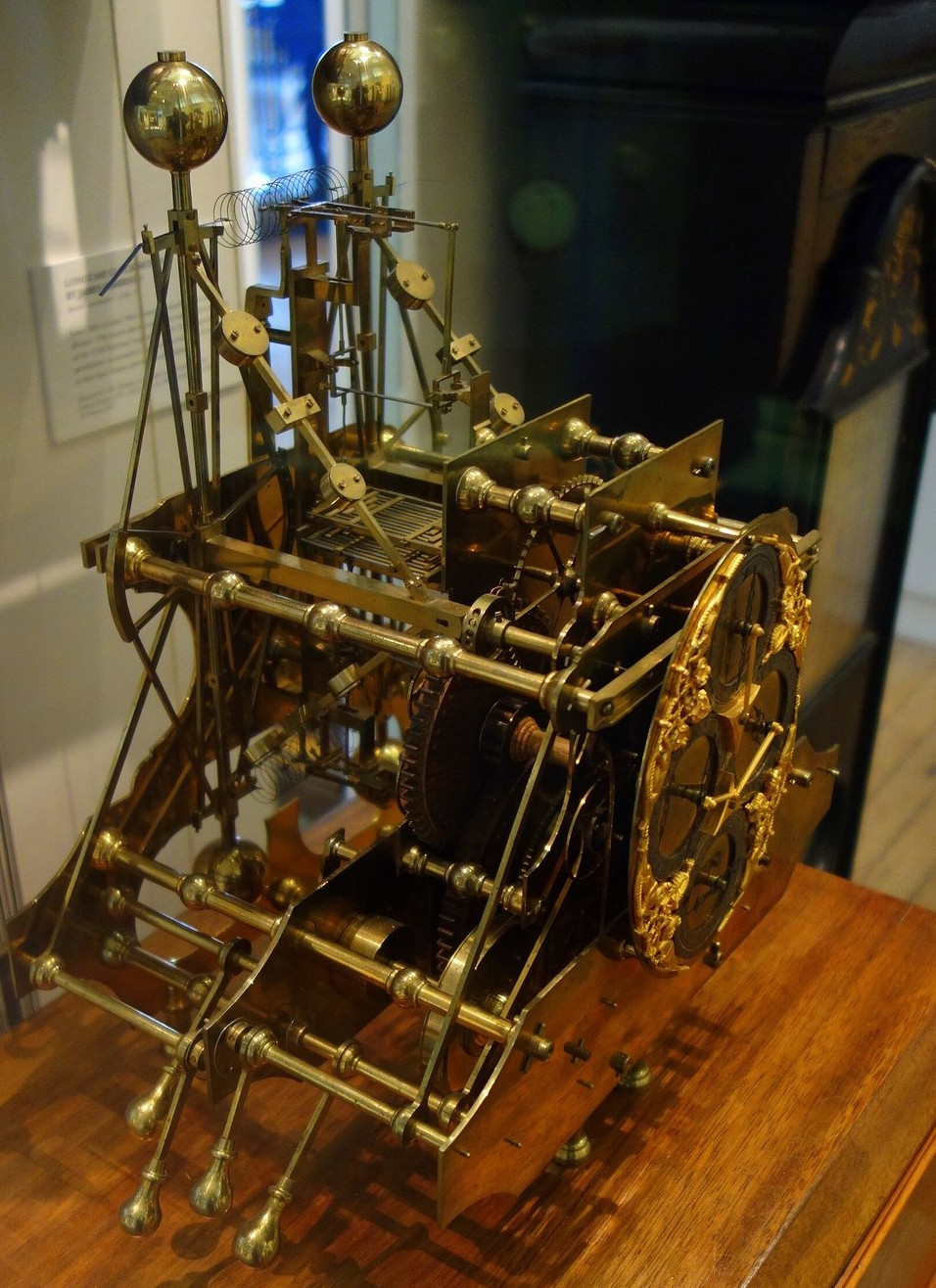


The Grasshopper Escapement
Every escapement so far has a sliding contact somewhere under load, and sliding under load means friction, and friction means oil. Oil thickens in cold, thins in heat, gums with age and creeps away — so a clock's rate is quietly tied to the condition of a lubricant.
Harrison's answer was to build an escapement with almost no sliding at all.
Two pivoted arms — the pallets — engage the escape wheel. As the pendulum swings, one arm is pushed by a tooth and simultaneously levers the other arm out of the way; the wheel advances a tooth, the first arm is released and the second lands. The arms meet the wheel and leave it in a rocking, hooking motion, not a scrape. Contact is made and broken; it is not dragged.
The immediate consequence is that it can run unlubricated, indefinitely. Harrison built clocks with oak wheels and lignum vitae bearings — a self-oiling tropical hardwood — and one of them has been running at Brocklesby Park since the 1720s without oil.
It is also visibly odd: the arms kick and flick like an insect's legs, which is where the name came from.
Remove the need for a consumable and you remove everything that consumable's ageing was doing to your rate.
手順
Compare sliding friction with rolling and rocking
Compare sliding friction with rolling and rocking
Drag a loaded block across a surface, then let an identical load roll, then let it rock on a curved rocker. Measure the force needed in each case with a spring scale.
Expect sliding to be far the worst, and rocking contact to be very low indeed.
Now repeat all three dry and lightly oiled, and note which one changes most when you add oil.
The sliding case is the one that depends on lubrication. An escapement built from rocking contacts is not merely more efficient — it is far less interested in what state its oil is in.
このステップの材料:
 堅木の板1 個
必要な工具:
 デジタルキッチンスケール
Make one arm release the other
Make one arm release the other
Build the two pivoted arms so that when a wheel tooth pushes on the entering arm, that arm's motion physically lifts the exiting arm off its tooth.
Work it slowly by hand and watch the sequence.
Expect a clean alternation: land, push, release, land, with the wheel advancing exactly one tooth each time.
Note what is doing the releasing. It is not the pendulum dragging a pallet out of engagement — it is the wheel's own force, redirected through the linkage. The escapement unlocks itself, which is why the pendulum barely feels the operation.
Run it dry, on purpose, for a long time
Run it dry, on purpose, for a long time
Clean every contact of oil and run the escapement for as long as you can — hours, days if you can arrange it — logging the rate and inspecting the contact points.
Expect it to keep running with no measurable degradation.
Then oil it and compare the rate.
Expect the difference to be small — which is the actual result you are after. A sliding escapement's rate shifts noticeably when oiled or when the oil ages.
Insensitivity to a variable is worth more than good performance at one value of it.
Build it from wood and find out why that works
Build it from wood and find out why that works
Make the wheel and arms from a close-grained hardwood, with pivots running in lignum vitae or another oily, dense timber if you can obtain it.
Run it and compare with metal parts.
Expect wood to perform surprisingly well — light, so low inertia; naturally slightly self-lubricating; and easy to shape accurately with hand tools.
Then find the catch by measuring a wooden wheel across the grain and along it after a damp spell.
Expect movement with humidity. Wood solves friction and introduces dimensional instability. Every material choice trades one error for another; the skill is choosing which error you can tolerate.
Count the parts and price the accuracy
Count the parts and price the accuracy
Count the pivots, arms, springs and adjustments in your grasshopper, and compare with the deadbeat you built earlier.
Then deliberately mis-set one arm's stop by a small amount and see what the escapement does.
Expect the grasshopper to have more parts, more adjustments and far less tolerance of being slightly wrong — a small error can stop it entirely rather than merely degrading it.
That is why almost nobody else used it. A mechanism that is superb when perfectly adjusted and dead when slightly out is a mechanism for its inventor, not for a trade — the honest reason a brilliant design can fail to spread.
History & Context
History & Context
John Harrison was a carpenter, and it shows in the best possible way. Working in Lincolnshire in the 1720s with his brother James, he built clocks whose wheels were oak, whose bearings were lignum vitae, and whose escapement needed no oil — because a village carpenter had no access to fine oils, hardened steel or a jeweller's skills, and designed around all three. Constraints produced a better idea than resources would have.
One of those clocks is still running. The turret clock at Brocklesby Park in Lincolnshire has run since the 1720s, unoiled, on wooden wheels. Whatever one thinks of the grasshopper's awkwardness, that is a three-hundred-year field test and it passed.
It went to sea, and then Harrison abandoned it. The grasshopper is in H1, H2 and H3, the large sea clocks. But H4 — the one that actually won — is a large watch with a balance, a conventional-looking verge-derived escapement and jewelled pallets, running at a high frequency. Harrison's greatest work required him to discard his own signature invention, which is a harder thing than inventing it. The lesson is in the next blueprint but one.
Almost nobody copied it. The grasshopper stayed a curiosity: fiddly to set up, intolerant of error, and with many parts. The trade went to the deadbeat for regulators and the lever for watches. An invention's influence is not the same as its merit, and the corpus should record both — the mechanism is genuinely excellent and it genuinely lost.
Honest limits. Many parts, many pivots, and adjustments that interact — set one wrong and it stops. Wooden components move with humidity. It is bulky, so it suits turret and longcase clocks and not watches. And its advantage — indifference to lubrication — mattered enormously in 1720 and steadily less as steel, jewels and mineral oils improved, which is the ordinary way a clever workaround is overtaken.
接続ブループリントの材料
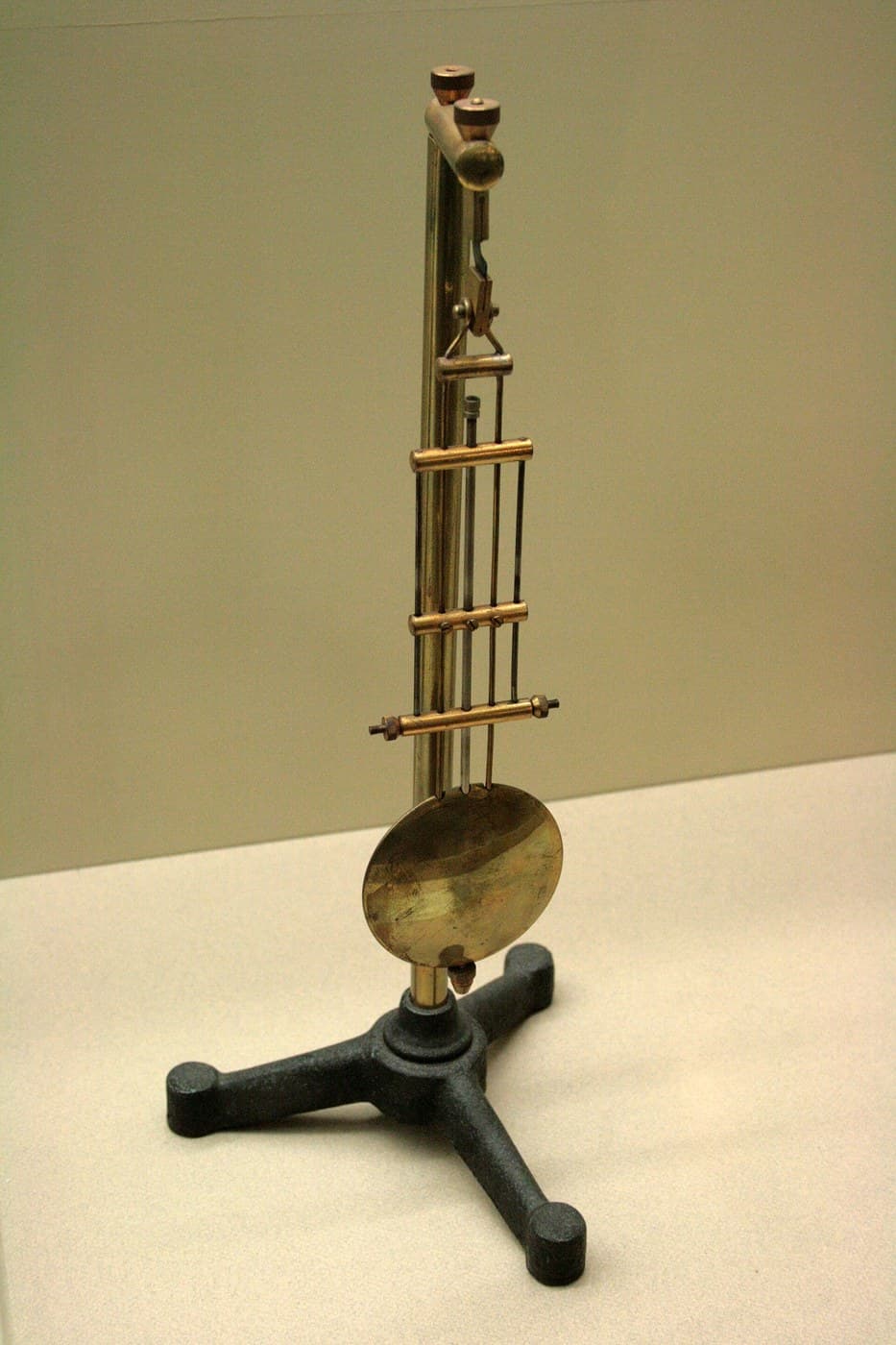

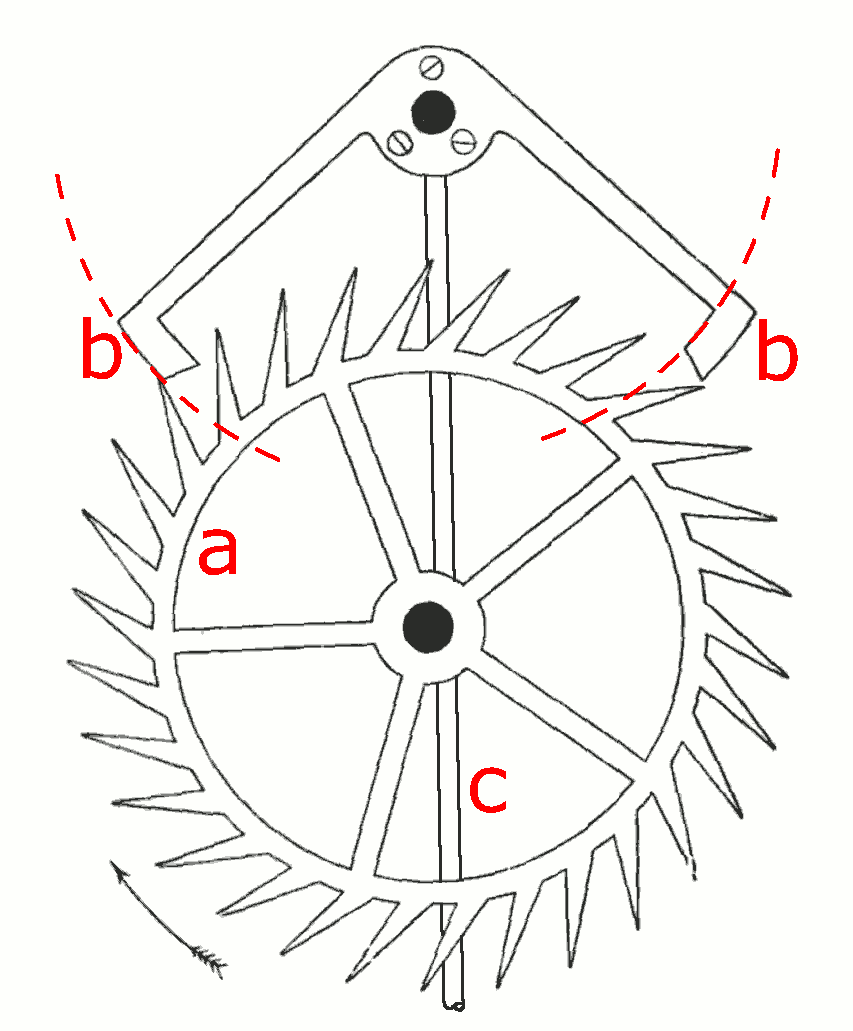
CC0 パブリックドメイン
このブループリントはCC0で公開されています。許可を求めずに、自由にコピー、修正、配布、あらゆる目的で使用できます。
メイカーを応援するには、ブループリント経由で製品を購入してください。メイカーには メイカーコミッション がベンダーにより設定されています。または、このブループリントの新しいイテレーションを作成し、自分のブループリントにコネクションとして含めて収益を共有できます。