アート
美容とウェルネス
工芸
文化と歴史
エンターテインメント
環境
食品と飲料
リバースエンジニアリング
科学
スポーツ
テクノロジー
ウェアラブル
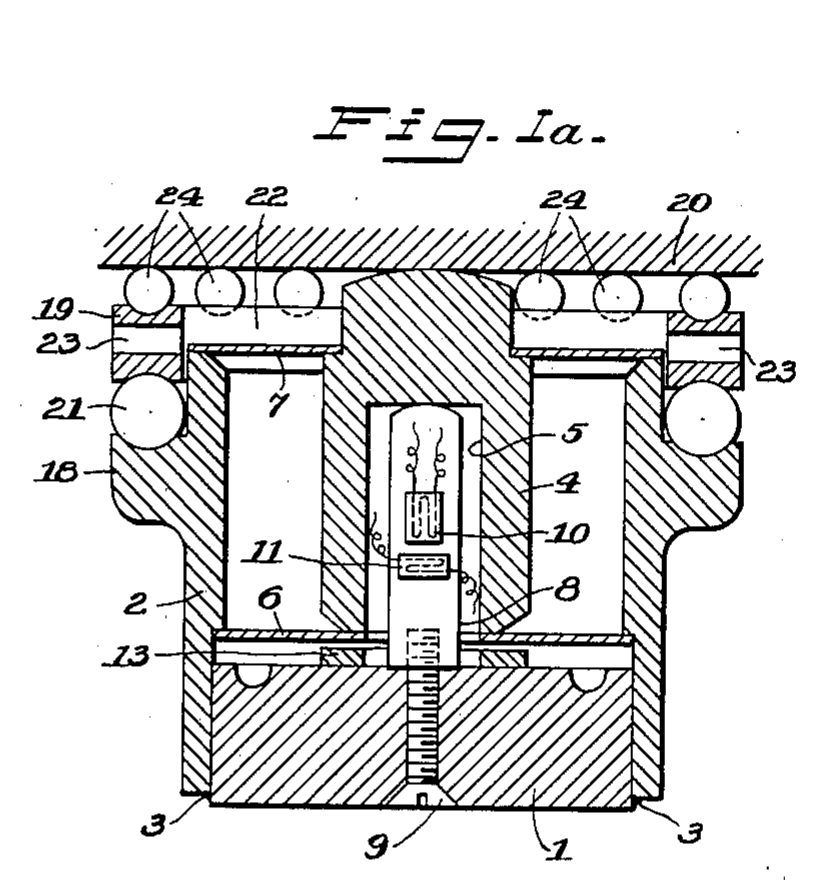


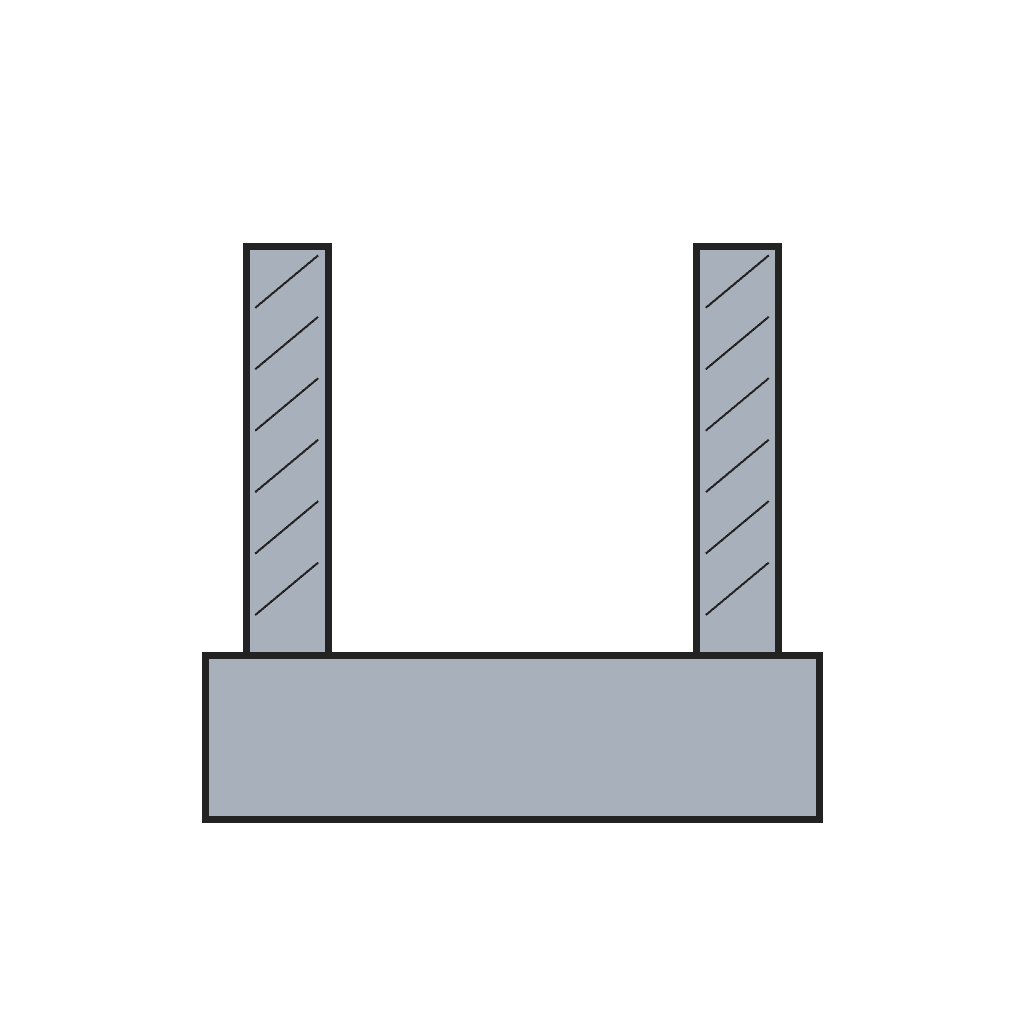
Base and Cylindrical Shell for a Strain-Gauge Load Cell
Ruge's load cell stands on a heavy base with a rigid cylindrical shell fixed to it. The column screws into the base; the diaphragms are fixed to the shell.
中級者
A few hours
手順
1
1
Watch: boring a hole on a lathe
Watch: boring a hole on a lathe
Boring a hole step by step on a metal lathe.
2
2
Turn the base
Turn the base
Cut a round blank from thick plate, face both sides and turn the edge. Drill and tap a hole in the centre for the column.
このステップの材料:
 軟鋼板1 個
必要な工具:
 金切りのこ(ハクソー)
 金属旋盤
 ボール盤
 ねじ切りタップダイスセット
3
3
Bore the shell
Bore the shell
Bore a thick-walled cylinder from round bar, faced square at both ends.
このステップの材料:
 軟鋼丸棒1 個
必要な工具:
金属旋盤 ボーリングバー
 切削油
 ノギス
4
4
Braze shell to base
Braze shell to base
Clean the joint, flux it with borax and braze the shell to the base with silver solder (Ruge: welded, or otherwise secured).
このステップの材料:
 銀ろう1 as required
 ホウ砂の粉末1 as required
必要な工具:
 プロパントーチ
 万力(ベンチバイス)
5
5
Limits
Limits
Ruge's patent gives the part's shape and job but no material or size. Mild steel and silver-solder brazing are our choice; size it to the load you need. Lathe method after Palmateer, Elementary Machine Shop Practice (1918).
この設計図で作るもの
CC0 パブリックドメイン
このブループリントはCC0で公開されています。許可を求めずに、自由にコピー、修正、配布、あらゆる目的で使用できます。
メイカーを応援するには、ブループリント経由で製品を購入してください。メイカーには メイカーコミッション がベンダーにより設定されています。または、このブループリントの新しいイテレーションを作成し、自分のブループリントにコネクションとして含めて収益を共有できます。