
アート
美容とウェルネス
工芸
文化と歴史
エンターテインメント
環境
食品と飲料
グリーンフューチャー
リバースエンジニアリング
科学
スポーツ
テクノロジー
ウェアラブル
Tentering Cloth on a Frame — Stretching Fulled Wool to Set Width and Grain
Tex

作成者

Tex

30. 5月 2026FO
9
0
0
2
0

Tentering Cloth on a Frame — Stretching Fulled Wool to Set Width and Grain

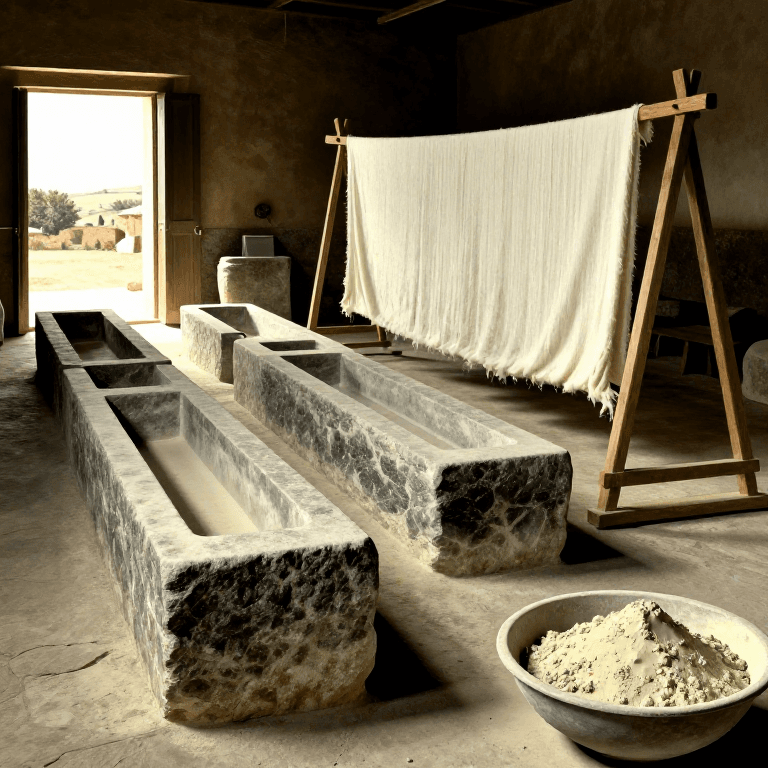
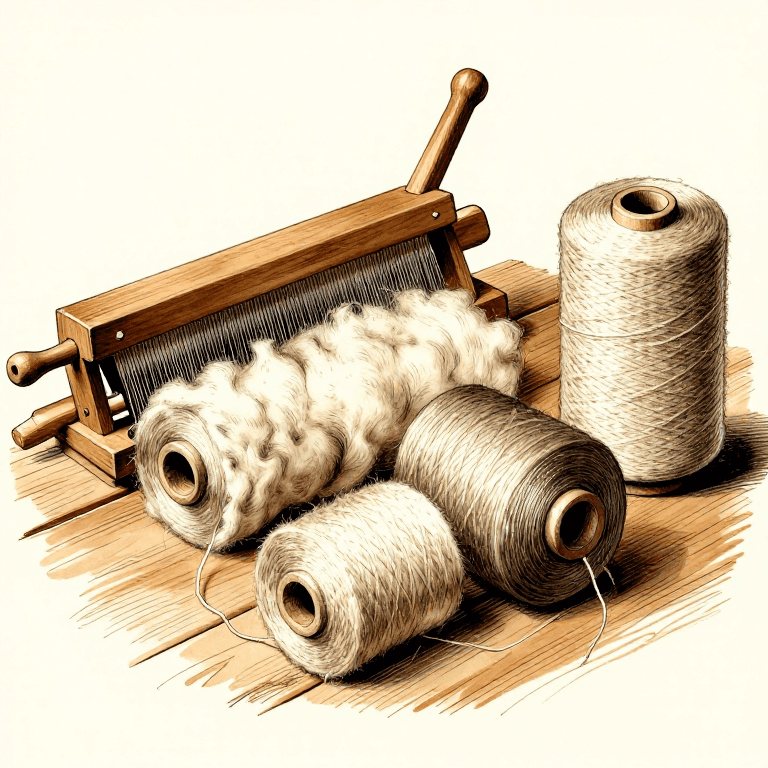
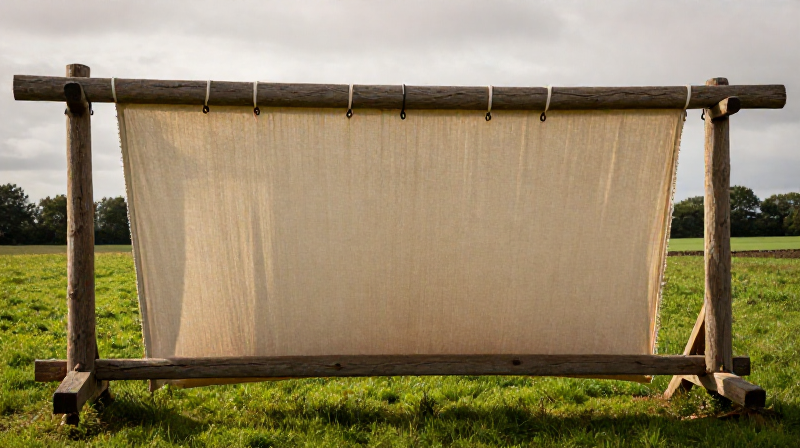
Tentering is the critical finishing step between fulling and napping that transforms shapeless, shrunken fulled wool into cloth of uniform width and straight grain. The wet fulled fabric is hooked onto rows of L-shaped iron hooks — tenterhooks — driven into the rails of a large outdoor wooden frame, then stretched to its proper dimensions and left to dry in the open air. Without tentering, fulled cloth dries unevenly, shrinks to unpredictable widths, and develops a skewed grain that makes cutting and tailoring impossible. The process was so central to the medieval wool trade that every cloth town maintained communal tentergrounds, and the phrase "on tenterhooks" — meaning in a state of anxious suspense — entered the English language from this very practice. This blueprint covers the complete tentering process using a traditional two-rail tenter frame.

初心者
4-8 hours (mostly drying time)

手順

1

Inspect the fulled cloth

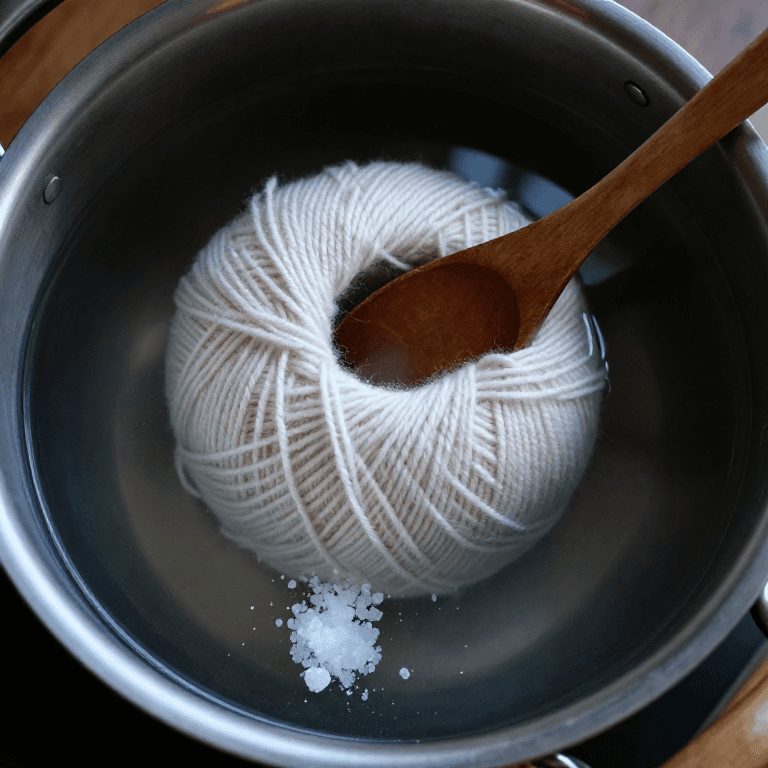
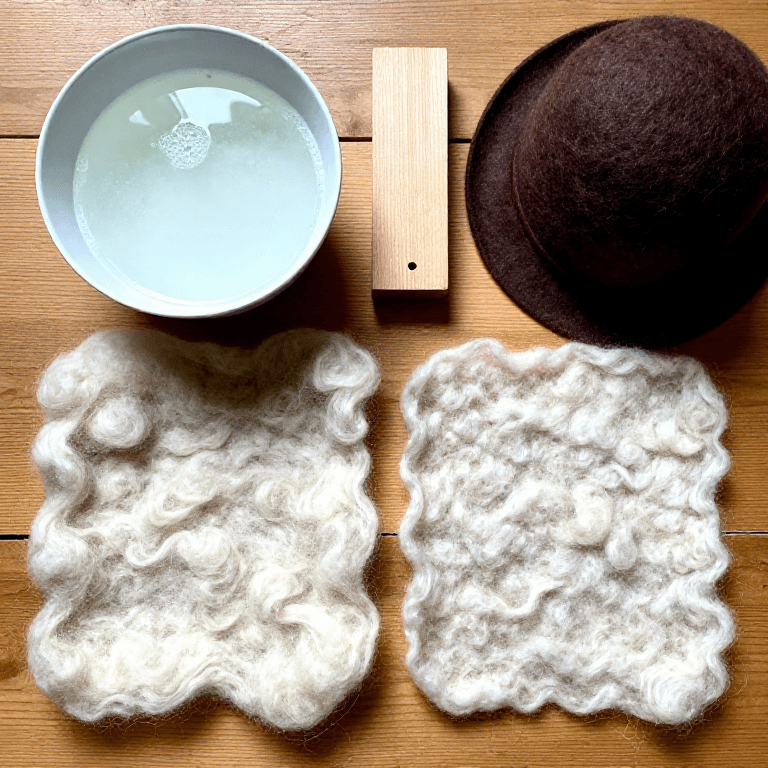
Examine the fulled cloth fresh from the fulling process. It should be thoroughly matted — individual yarns no longer visible on the surface — and significantly thicker and narrower than the original woven piece. The cloth will feel dense and slightly spongy when wet.

このステップの材料:

Fulled Wool ClothFulled Wool Cloth1
2

Rinse the cloth clean

If the cloth still carries fuller's earth or residual soap from fulling, rinse it thoroughly in clean cold water until the runoff is clear. Squeeze gently — never wring or twist, which distorts the grain. The cloth must be damp but not dripping for tentering.

このステップの材料:

Clean WaterClean Water20 リットル

必要な工具:

Washing BasinWashing Basin
3

Measure the target width

Check the intended finished width of the cloth — this was regulated by guild ordinances in medieval towns, typically between 1.5 and 2 yards (137-183 cm). Measure the current width of the damp fulled cloth. It will be narrower than the target, having shrunk 20-40% during fulling.

必要な工具:

Measuring Tape 3mMeasuring Tape 3m
4

Position the tenter frame

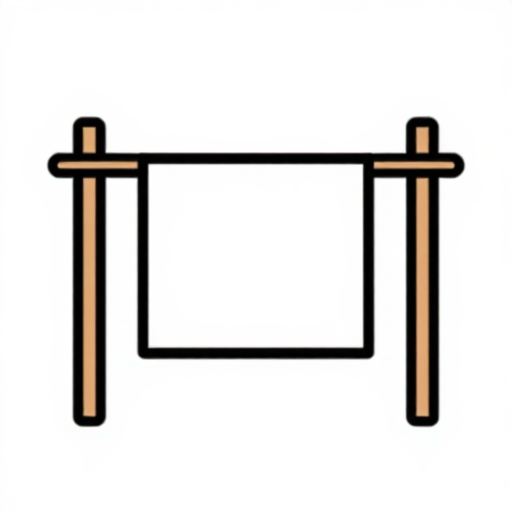
The tenter frame stands outdoors in an open field with good air circulation and sun exposure. A traditional frame consists of two long horizontal oak rails — upper and lower — supported on stout upright posts set into the ground. The rails should be slightly longer than the cloth and spaced apart at the target cloth width.

必要な工具:

Tenter FrameTenter Frame
5

Check the tenterhooks

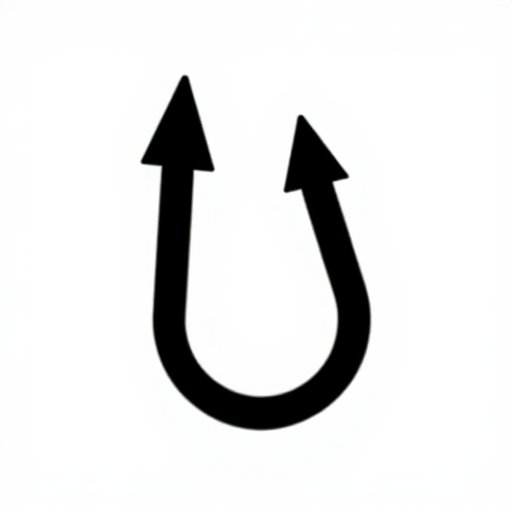
Inspect the tenterhooks — small L-shaped iron hooks hammered into the top face of both rails at regular intervals of 5-8 cm. Each hook curves upward with a sharp point that grips the cloth. Ensure no hooks are bent, missing, or blunted. Replace any damaged hooks before mounting the cloth.

必要な工具:

TenterhooksTenterhooks
6

Hook the upper selvedge

Begin at one end of the upper rail. Press the selvedge (woven edge) of the cloth firmly onto the first tenterhook so the point pierces through the selvedge and the hook grips the edge. Work along the rail, hooking the selvedge onto every hook. Keep the cloth hanging straight down under its own weight.
7

Stretch and hook the lower selvedge

Return to the starting end. Pull the lower selvedge of the hanging cloth downward to the lower rail and hook it onto the first tenterhook. Work along the lower rail, pulling the cloth taut and hooking at each point. Apply firm, even tension — the cloth should be stretched to its target width without tearing the selvedge.
8

Even the tension across the cloth

Step back and sight along the frame. The cloth should be uniformly taut with no sagging pockets or over-stretched thin patches. Rehook any uneven sections. The warp threads (running lengthwise) should hang straight and parallel, the weft (crosswise) running perpendicular. This sets the grain.
9

Smooth the surface by hand

Run your hands across the surface of the stretched cloth. Press out any wrinkles, folds, or bubbles trapped in the wet fabric. Work from the centre outward toward the selvedges. A smooth surface at this stage means a smooth finished cloth.
10

Stretch the length if needed

If the cloth has also shrunk excessively in length during fulling, pull it gently lengthwise along the rail. Some tenter frames had adjustable end-bars for lengthwise stretching. Be conservative — over-stretching weakens the cloth and can distort the weave permanently.
11

Leave to dry in the air

Allow the cloth to dry completely on the frame. In warm, dry weather this takes 4-6 hours; in damp conditions it may take a full day. The cloth must be completely dry before removal. As wool dries under tension, the fibres set in their stretched position — this is the entire point of tentering.
12

Check tension during drying

Return to the frame periodically during drying. As the wool shrinks slightly while drying, some sections may loosen. Rehook or adjust any spots where the cloth has gone slack. Consistent tension throughout the drying process produces the most uniform result.
13

Test for dryness

Press the back of your hand against the cloth. Dry wool feels warm to the touch; damp wool feels cool. Check several places — the centre dries last. Do not remove the cloth until it is thoroughly dry across its entire surface.
14

Unhook the lower rail

When fully dry, unhook the cloth from the lower rail first. Work from one end to the other, lifting the selvedge off each tenterhook. Support the freed cloth to prevent it falling onto muddy ground.
15

Unhook the upper rail

Unhook the upper selvedge from the upper rail, again working from one end. As you free each section, drape the cloth over your arm or have an assistant hold it.
16

Measure the finished width

Lay the cloth flat and measure its width at several points along its length. The width should be uniform and match the target measurement. A well-tentered cloth holds its dimensions — this is the quality that guild inspectors checked and stamped.

必要な工具:

Measuring Tape 3mMeasuring Tape 3m
17

Check the grain

Examine the grain of the cloth — the warp and weft threads should cross at right angles. Pull a thread from the cut edge and check it runs straight across the full width. A straight grain means the cloth will drape properly and pieces cut from it will not skew.
18

Fold and store the tentered cloth

Fold the finished cloth lengthwise, then roll it loosely around a wooden rod or fold in even layers. The cloth is now ready for the next finishing stage: napping (raising the surface fibres with teasels) followed by shearing, or it may go directly to dyeing if it was fulled in the grease.

材料

2

必要な工具

4

接続ブループリントの材料

CC0 パブリックドメイン

このブループリントはCC0で公開されています。許可を求めずに、自由にコピー、修正、配布、あらゆる目的で使用できます。

メイカーを応援するには、ブループリント経由で製品を購入してください。メイカーには メイカーコミッション がベンダーにより設定されています。または、このブループリントの新しいイテレーションを作成し、自分のブループリントにコネクションとして含めて収益を共有できます。

ディスカッション

(0)

ログイン してディスカッションに参加

コメントを読み込み中...