アート
美容とウェルネス
工芸
文化と歴史
エンターテインメント
環境
食品と飲料
リバースエンジニアリング
科学
スポーツ
テクノロジー
ウェアラブル
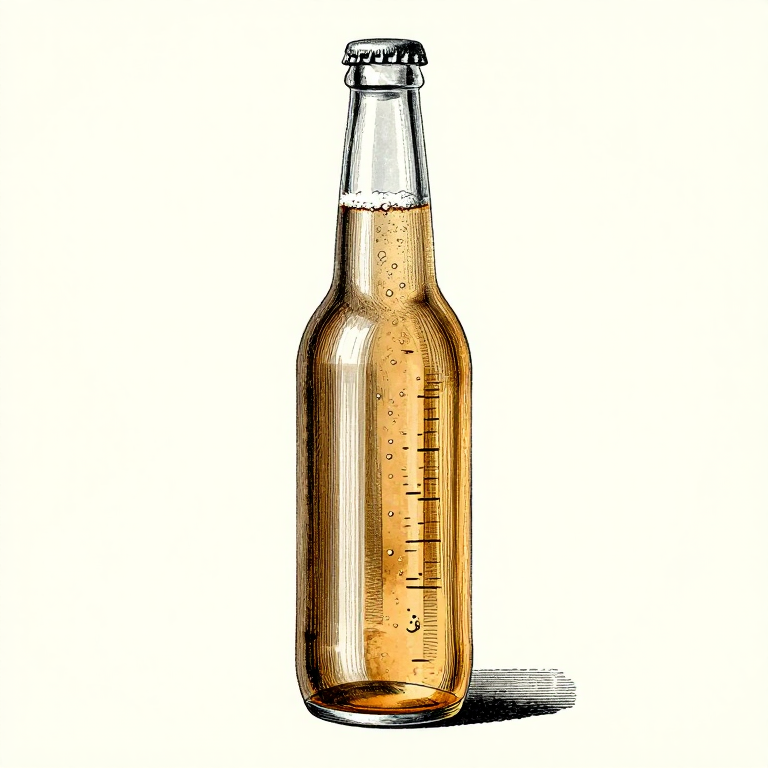


Packaging: Priming Sugar, Headspace, and the Bottle Bomb
Bottle conditioning works by giving the surviving yeast a measured amount of sugar in a sealed container. It ferments, the CO2 cannot escape, and the drink carbonates.
The danger is that the yeast does not know when to stop. Give it too much sugar — or bottle before fermentation finished, which is the same thing — and the pressure keeps rising until the bottle fails. A glass bottle failing under pressure is genuinely dangerous, and it is the one real hazard in home brewing.
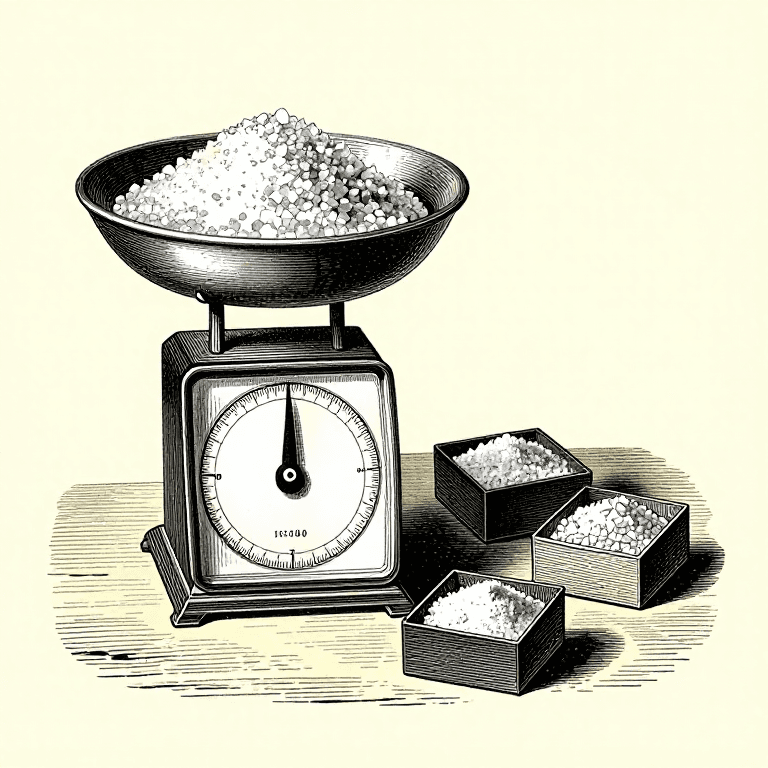
The arithmetic that prevents it is simple and worth doing every single time: a weight of sugar, calculated from the volume and the carbonation wanted, and a final gravity that has been stable for days.
上級者
3 hours
手順
1
1
Priming sugar, calculated not guessed
Priming sugar, calculated not guessed
Jupyter ノートブックを読み込み中…
このステップの材料:
 蜂蜜1 個
蜂蜜1 個 水1 リットル
必要な工具:
 精密天びん
精密天びん デスクトップパソコン
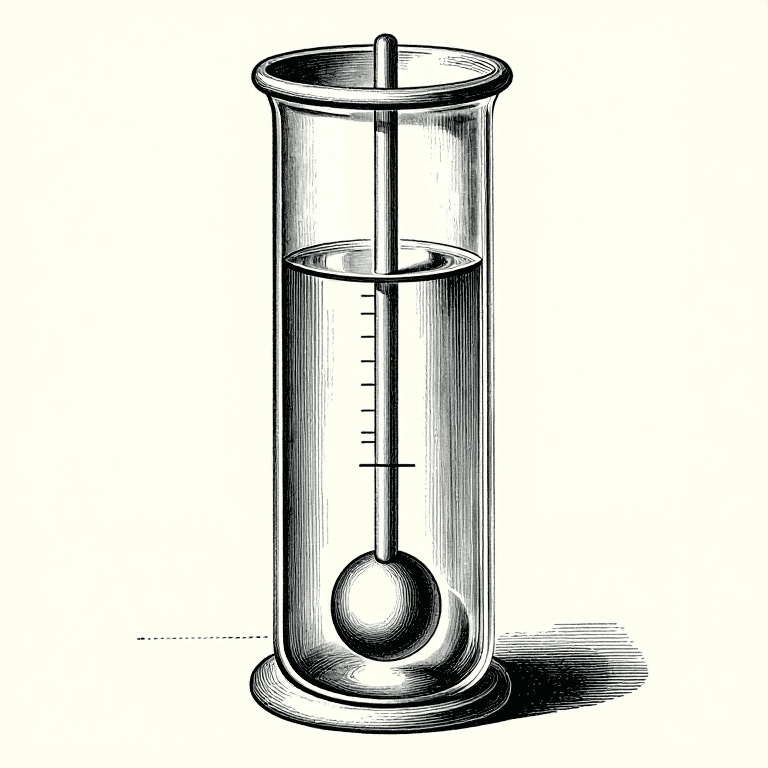
 醸造用比重計・試験筒
2
2
Mix the sugar into the batch, not into the bottles
Mix the sugar into the batch, not into the bottles
Dissolve the weighed sugar in a little boiled water, cool it, put it in the bottling vessel, and rack the beer gently onto it. The racking mixes it without splashing.
Priming each bottle individually is where inconsistent carbonation comes from, and inconsistent means some bottles are flat and some are over-pressure. A measured tablet or drop per bottle is more consistent than a spoon and still less consistent than batch priming.
Stir gently once, if at all. Vigorous stirring at this stage is oxygen introduction at the very last moment, which the oxygen rung says is when the beer is most vulnerable — it will be sitting in the bottle for months.
このステップの材料:
蜂蜜1 個水1 リットル必要な工具:
 オートサイフォン精密天びん
 発酵容器(ガラス製カーボイ)
3
3
Fill low, cap high, and leave the right headspace
Fill low, cap high, and leave the right headspace
Fill from the bottom of the bottle with the tube all the way down, and let the level rise. Leave about 25 mm of headspace — enough for the cap to seat and for the liquid to expand, and no more than that.
Too little headspace risks the cap being pushed off; too much is a reservoir of air that will oxidise the beer over the months it is stored. Consistent fill height is also what makes the carbonation consistent between bottles.
Cap immediately after filling. A row of open filled bottles waiting to be capped is a row of bottles taking on oxygen and whatever is in the air, which is the sanitation rung arriving at the very last step.
必要な工具:
 打栓機
打栓機 王冠オートサイフォン
 醸造用洗浄・殺菌セット
4
4
Condition warm, then cold, and test one
Condition warm, then cold, and test one
Leave the bottles at fermentation temperature for two weeks. The yeast needs warmth to work through the priming sugar, and bottles put straight into a cold store stay flat until they are warmed again.
Then open one. That is a real measurement: if it is under-carbonated, the rest need longer; if it gushes, move the whole batch somewhere cool and drink it quickly. Testing one bottle at two weeks is how a problem is found while it can still be managed.
After conditioning, cold storage slows everything and keeps it stable. And record what went into the batch — the priming weight, the volume, the temperature, the date — because a carbonation that came out exactly right is worth being able to repeat.
必要な工具:
 即読温度計精密天びん
関連ブループリント
これらのブループリントは知識を共有しています — 技術、材料、原理

CC0 パブリックドメイン
このブループリントはCC0で公開されています。許可を求めずに、自由にコピー、修正、配布、あらゆる目的で使用できます。
メイカーを応援するには、ブループリント経由で製品を購入してください。メイカーには メイカーコミッション がベンダーにより設定されています。または、このブループリントの新しいイテレーションを作成し、自分のブループリントにコネクションとして含めて収益を共有できます。