アート
美容とウェルネス
工芸
文化と歴史
エンターテインメント
環境
食品と飲料
リバースエンジニアリング
科学
スポーツ
テクノロジー
ウェアラブル
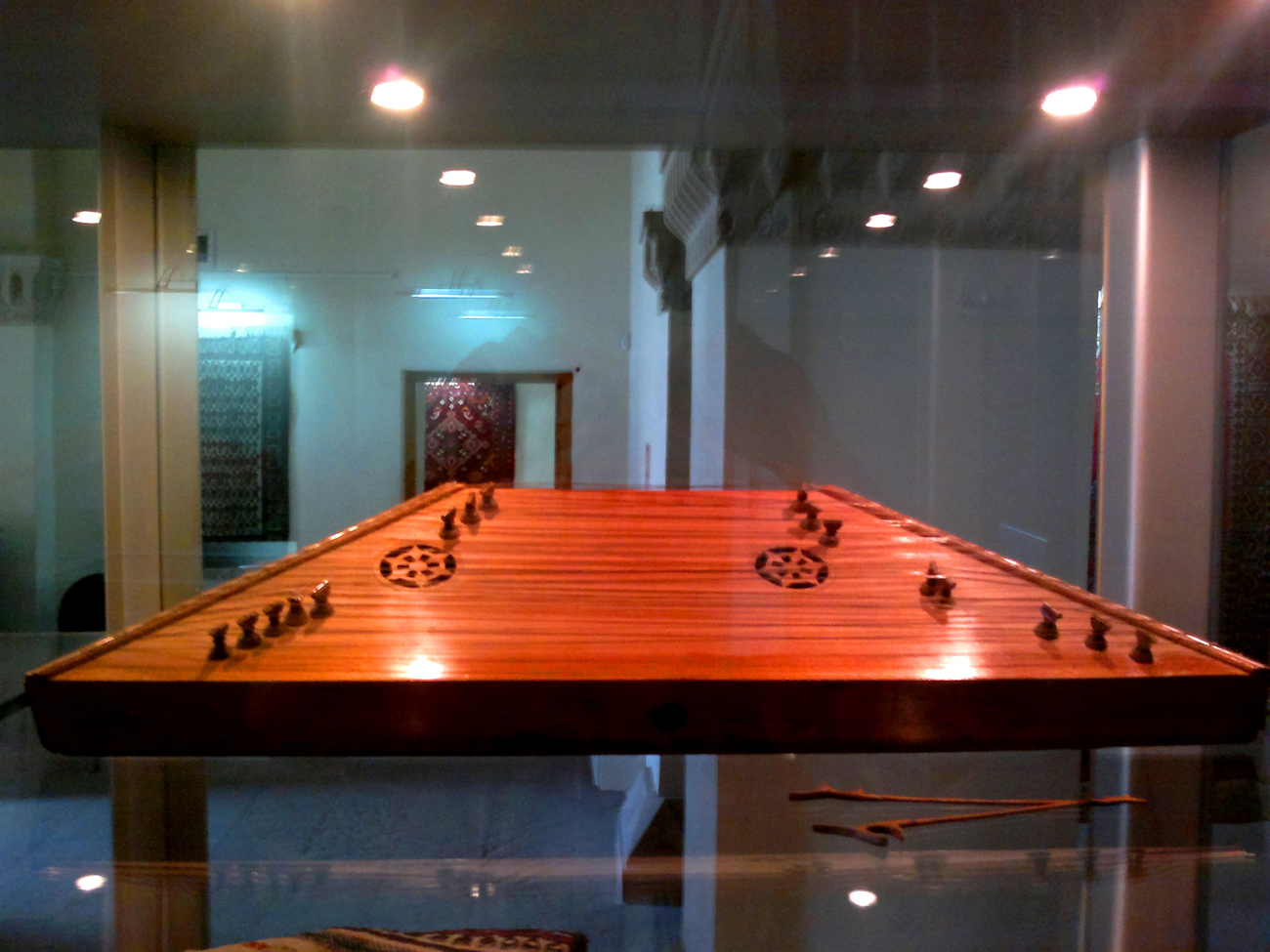


Building a Santur — The Persian Hammered Dulcimer
Build a santur, Persia's hammered dulcimer: dozens of strings stretched across a trapezoidal box over two rows of little bridges, struck with two tiny wooden hammers. Set the strings and bridges, tune the courses, and learn why a struck string shimmers — the mechanism that would one day become the piano. A serious maker build in the struck string.
中級者
Several hours over a few sessions
手順
1
1
Strings you hit, not pluck
Strings you hit, not pluck
The santur is Persia's hammered dulcimer: dozens of strings across a trapezoidal box, struck with two tiny wooden hammers. Struck strings shimmer — and this is the instrument the piano grew from.
2
2
Build the trapezoidal box
Build the trapezoidal box
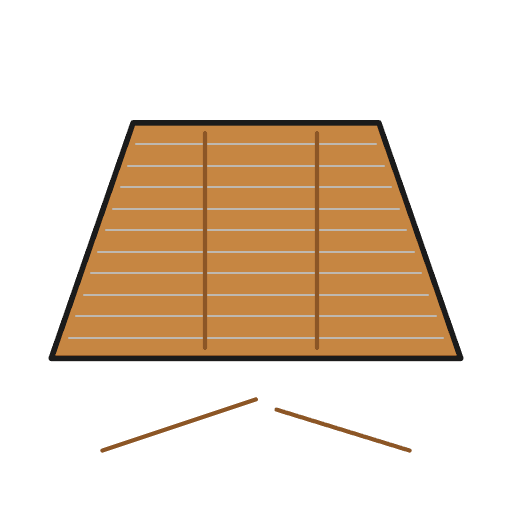
Build a shallow trapezoidal wooden box — wider at the front than the back — with a thin, light soundboard on top. This box is the resonator.
このステップの材料:
 合板1 個
合板1 個 乾燥した針葉樹の板1 個
 木工用ボンド(PVA)1 個
必要な工具:
 金切りのこ(ハクソー)
3
3
Set the pins
Set the pins
Fit a row of fixed hitch pins down one slanted side and a row of tuning pins down the other. The courses of strings will stretch between them.
このステップの材料:
 糸巻き(ペグ)9 個
必要な工具:
 目打ち(キリ)
4
4
String the courses
String the courses
Stretch the strings across in groups (courses) of three or four tuned together — thin steel for the high courses, thicker bronze for the low ones. A full santur has around seventy strings.
このステップの材料:
 鋼製ピアノ線 0.032 インチ1 個
 青銅線1 個
5
5
Stand the bridges
Stand the bridges
Carve two rows of small wooden bridges (kharak) and stand them under the strings. Each bridge lifts a course and splits some strings so one string gives two notes, one on each side.
必要な工具:
 スロイドナイフ
6
6
Tune the courses
Tune the courses
Tune each course with its pin. The two rows of bridges and the pins together let you set the Persian scale, including its quarter-tones.
7
7
Make the hammers
Make the hammers
Carve two very light, springy wooden hammers (mezrab), thin enough to bend, that you hold loosely between your fingers.
このステップの材料:
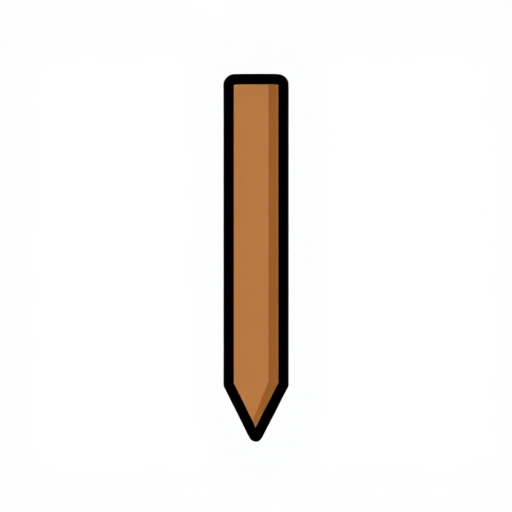 木ダボ棒1 個
必要な工具:
スロイドナイフ8
8
Strike a string
Strike a string
Tap a course with the tip of a hammer and let it bounce straight off. The strings ring out bright and shimmering — struck, not plucked.
9
9
Play across the bridges
Play across the bridges
Strike a string on both sides of its bridge to get two different notes from one string, and roll the two hammers fast for the santur's rippling tremolo.
10
10
Compendium — the struck string
Compendium — the struck string
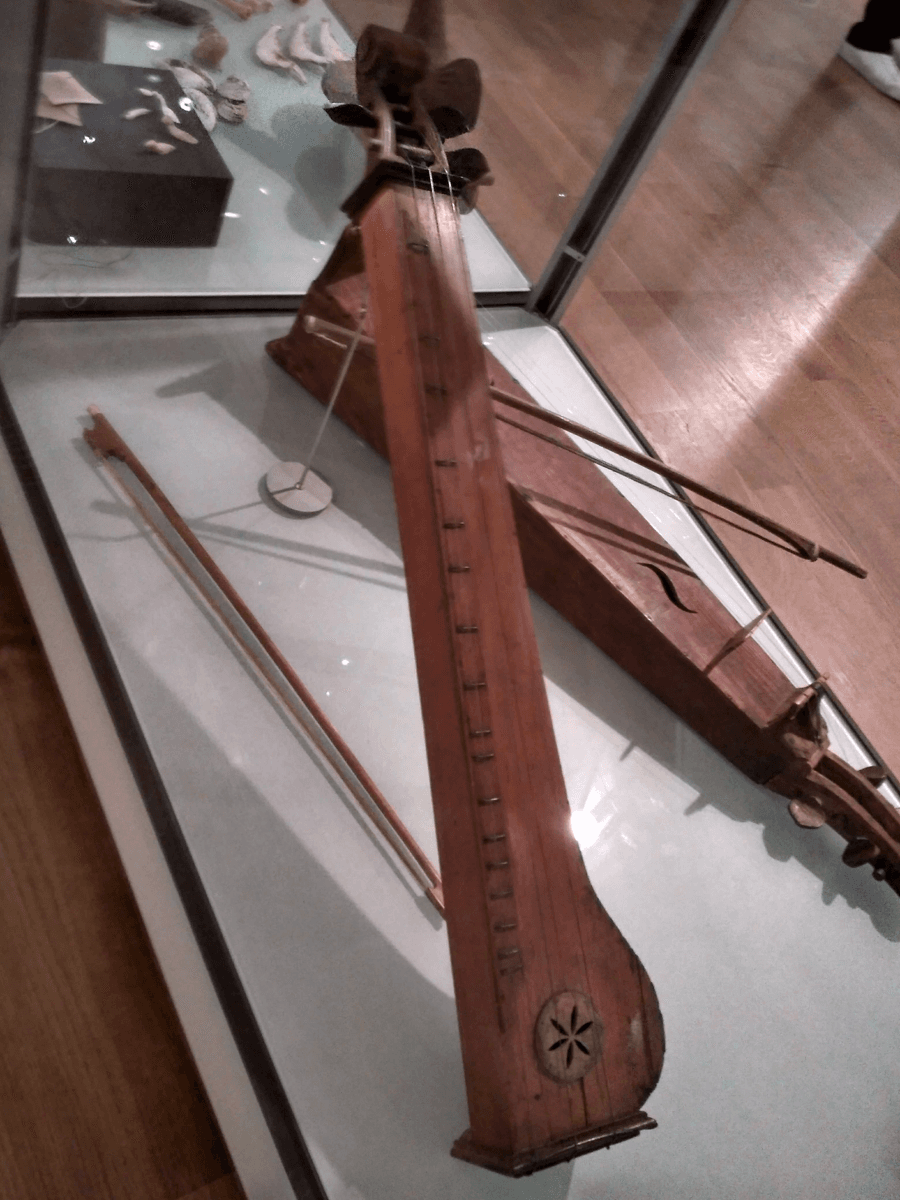
The santur is a hammered dulcimer: instead of plucking or bowing, you set each string ringing with a sharp, glancing blow from a tiny wooden hammer that bounces straight off, leaving the string free to sing. A struck string is still just a string — its pitch rises with tension and falls with length and mass, exactly as on a lyre or guitar — but the hammer starts it with a bright, percussive attack and a long shimmering decay, which is the whole character of the dulcimer family's sound. The santur's strings run in courses, several tuned together for fullness, over two rows of little bridges; each bridge not only lifts the strings but divides some of them, so one string sounds one note to the left of its bridge and a different note to the right, packing many pitches into a small box, tuned with pins to the microtonal scales of Persian music. The trapezoidal soundboard amplifies it all, as a soundboard does in any string instrument. The hammered dulcimer is ancient and spread far and wide — the Persian santur, the Iraqi and Indian santoor, the Chinese yangqin, the Hungarian cimbalom and the European and Appalachian hammered dulcimers are all the same idea. And it has one very famous descendant: put the little hammers on the ends of levers and let a keyboard throw them at the strings, and the hammered dulcimer becomes the PIANO. On Youblob its box-zither cousin is the langspil, whose strings can also be sounded by hammering.
材料
7- 1 個プレースホルダー
- 1 個プレースホルダー
- 1 個プレースホルダー
- 9 個プレースホルダー
- プレースホルダー
- 1 個プレースホルダー
- 1 個プレースホルダー
この設計図で作るもの
関連ブループリント
これらのブループリントは知識を共有しています — 技術、材料、原理
CC0 パブリックドメイン
このブループリントはCC0で公開されています。許可を求めずに、自由にコピー、修正、配布、あらゆる目的で使用できます。
メイカーを応援するには、ブループリント経由で製品を購入してください。メイカーには メイカーコミッション がベンダーにより設定されています。または、このブループリントの新しいイテレーションを作成し、自分のブループリントにコネクションとして含めて収益を共有できます。