アート
美容とウェルネス
工芸
文化と歴史
エンターテインメント
環境
食品と飲料
リバースエンジニアリング
科学
スポーツ
テクノロジー
ウェアラブル
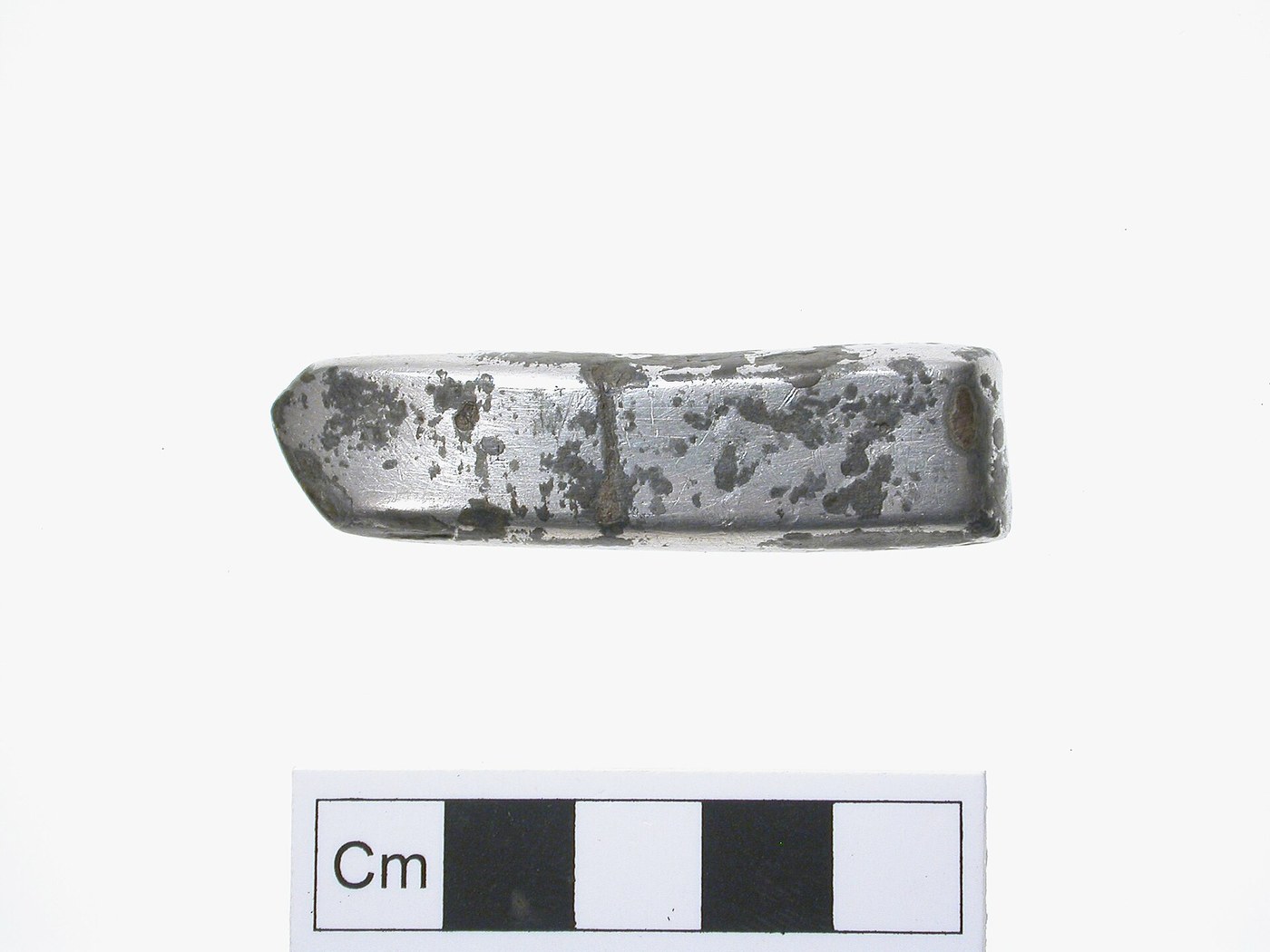


Plate Pewter: Tin with Antimony, Bismuth and Copper, Ure 1839
Pewter is mostly tin, made harder with a little of other metals. Andrew Ure (1839) gives the best English plate pewter, the hardest grade, used for plates and dishes, as 100 tin, 8 antimony, 2 bismuth and 2 copper: no lead, which he warns can poison vinegar and wine kept in cheaper pewter.
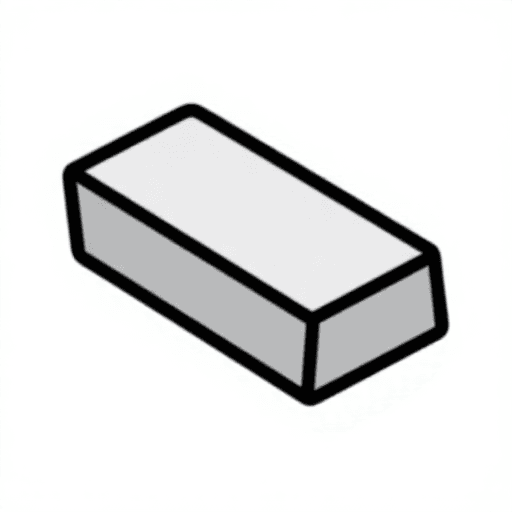
The picture: a small pewter ingot recorded by the Portable Antiquities Scheme.
中級者
An afternoon
手順
1
1
Weigh the charge
Weigh the charge
Weigh the four metals in Ure's proportions (see the notebook). Cut the copper into small pieces.
このステップの材料:
 錫のインゴット446 g
 アンチモン36 g
 ビスマス9 g
 銅インゴット9 g
必要な工具:
 天秤ばかり
2
2
Melt the tin, then the rest
Melt the tin, then the rest
Melt the tin in a clay crucible over the charcoal fire. Stir in the antimony and bismuth, then the copper pieces, keeping the heat up and stirring until the copper has dissolved and the metal is one even liquid.
このステップの材料:
 木炭1 as required
必要な工具:
 耐火粘土のるつぼ
 木炭炉
 鉄製撹拌棒
 るつぼばさみ
 耐熱手袋
 革のエプロン
3
3
Skim and pour
Skim and pour
Skim off the dross and pour into a warmed ingot mould in one run.
必要な工具:
 インゴット鋳型るつぼばさみ耐熱手袋革のエプロン
4
4
Ure's plate pewter
Ure's plate pewter
Jupyter ノートブックを読み込み中…
材料
5- 446 gプレースホルダー
- 36 gプレースホルダー
- 9 gプレースホルダー
- 9 gプレースホルダー
- 1 as requiredプレースホルダー
この設計図で作るもの
関連ブループリント
これらのブループリントは知識を共有しています — 技術、材料、原理
CC0 パブリックドメイン
このブループリントはCC0で公開されています。許可を求めずに、自由にコピー、修正、配布、あらゆる目的で使用できます。
メイカーを応援するには、ブループリント経由で製品を購入してください。メイカーには メイカーコミッション がベンダーにより設定されています。または、このブループリントの新しいイテレーションを作成し、自分のブループリントにコネクションとして含めて収益を共有できます。