
Boiling Water in a Leaf over Direct Flame — Why Water Keeps the Vessel from Burning
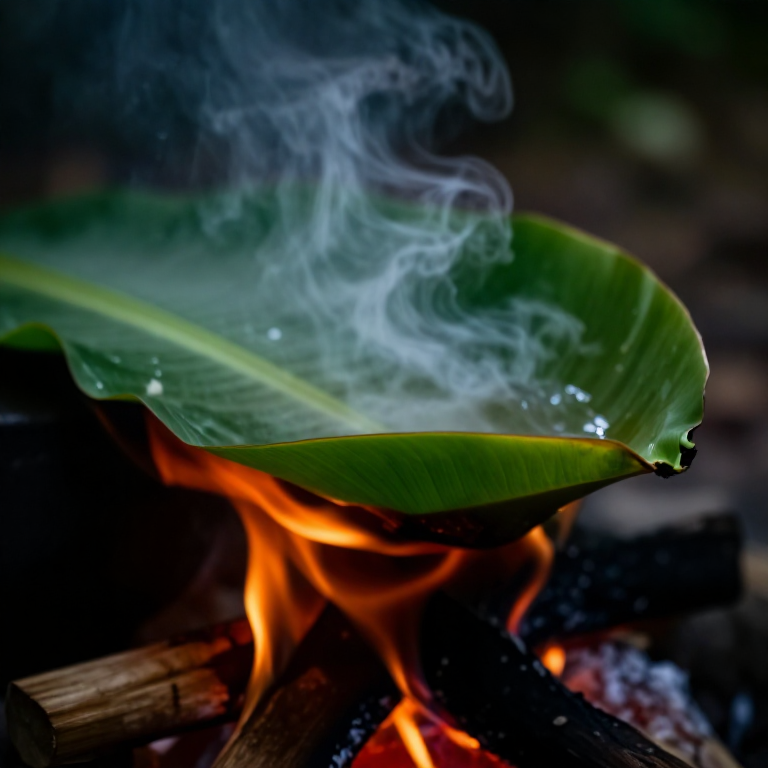
You can boil water in a leaf, a bark tray, or even a paper cup held directly over a flame. This seems impossible — the fire should burn through the container. But it works because of a simple physical principle: as long as water is in contact with the vessel wall, that wall cannot exceed 100 °C. Water absorbs all the heat energy from the flame and carries it away as it heats toward boiling. Since most organic materials need at least 200-300 °C to ignite, the water keeps the vessel far below its burning point.
This technique predates pottery and stone boiling. All it requires is fire, water, and a large leaf or piece of bark. Hunter-gatherers across the world used it — banana leaves in the tropics, birch bark in the north, large burdock or taro leaves in temperate regions. It is the simplest possible method of cooking with boiling water and demonstrates a key insight: the container does not need to be heat-resistant, only watertight.
The only limitation is that any part of the vessel above the water line will dry out and burn. The leaf must be shaped to hold water well above the flame contact point, and the fire must be controlled — a roaring blaze that licks above the waterline will destroy the vessel.
手順
Select a suitable leaf
Select a suitable leaf
このステップの材料:
 大きくしなやかな葉
Form the leaf into a bowl
Form the leaf into a bowl
このステップの材料:
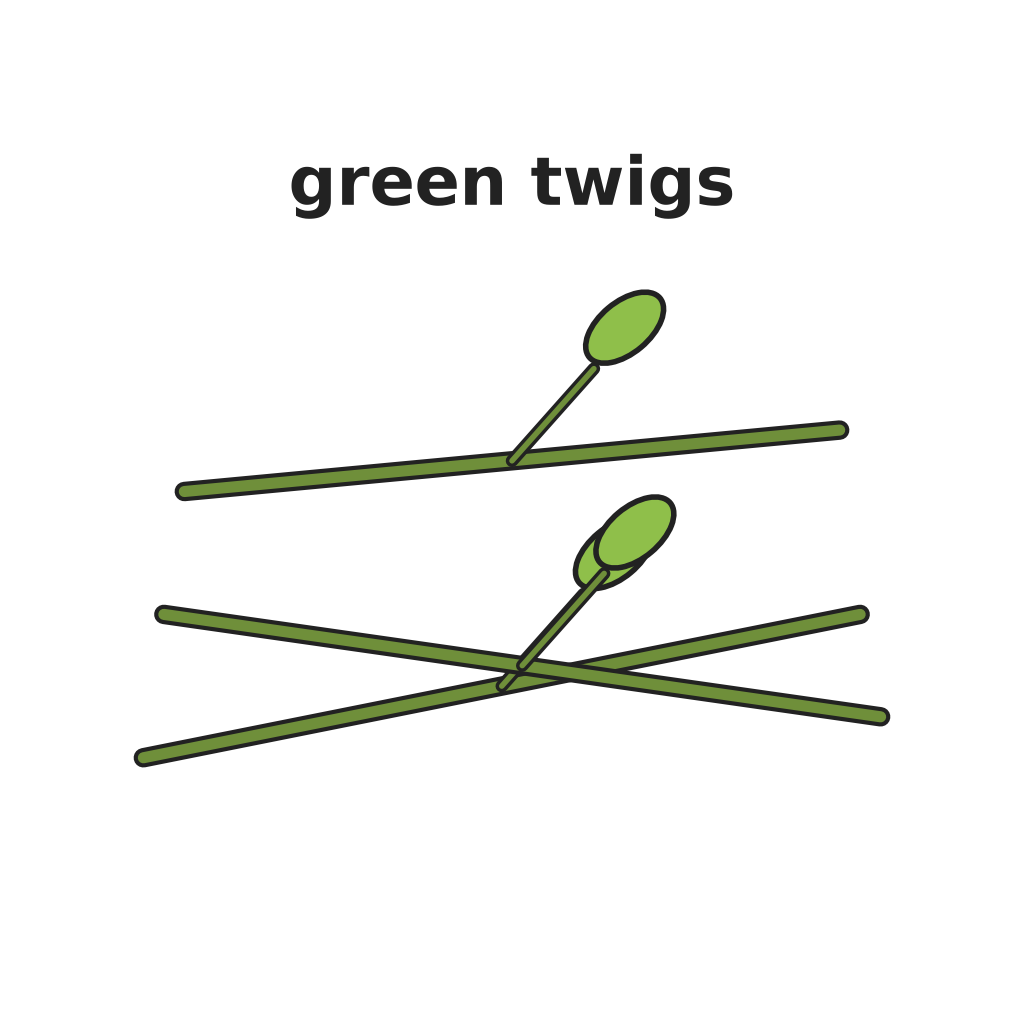 青い小枝
青い小枝Build a small controlled fire
Build a small controlled fire
このステップの材料:
 薪
薪Fill with water and position over the fire
Fill with water and position over the fire
Maintain heat until boiling
Maintain heat until boiling
Remove and serve
Remove and serve
関連ブループリント
これらのブループリントは知識を共有しています — 技術、材料、原理


CC0 パブリックドメイン
このブループリントはCC0で公開されています。許可を求めずに、自由にコピー、修正、配布、あらゆる目的で使用できます。
メイカーを応援するには、ブループリント経由で製品を購入してください。メイカーには メイカーコミッション がベンダーにより設定されています。または、このブループリントの新しいイテレーションを作成し、自分のブループリントにコネクションとして含めて収益を共有できます。