アート
美容とウェルネス
工芸
文化と歴史
エンターテインメント
環境
食品と飲料
リバースエンジニアリング
科学
スポーツ
テクノロジー
ウェアラブル
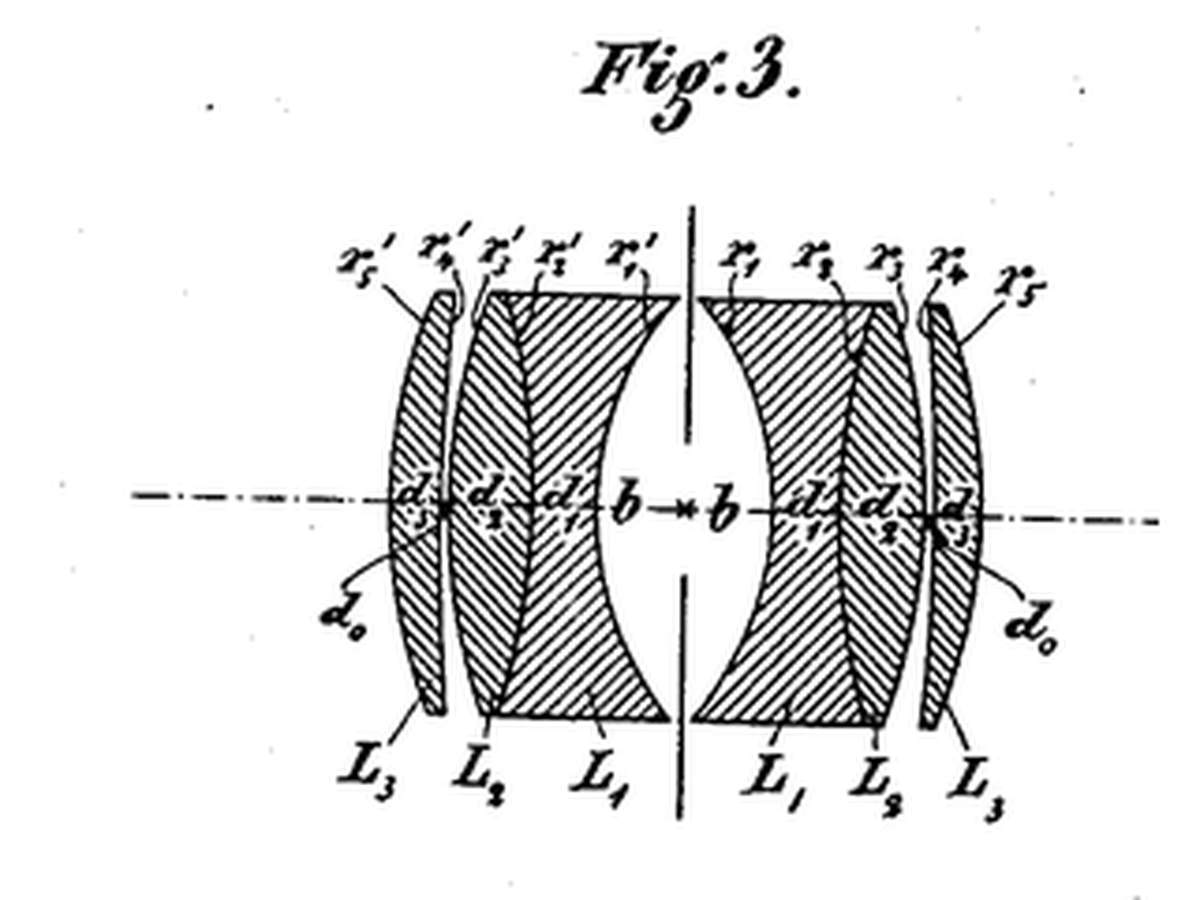

Planar (Double-Gauss) Lens
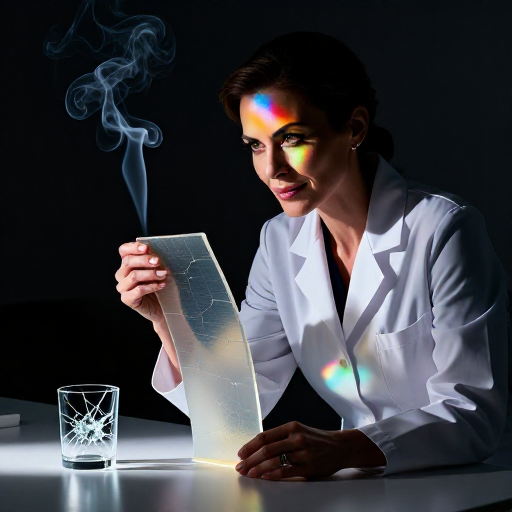
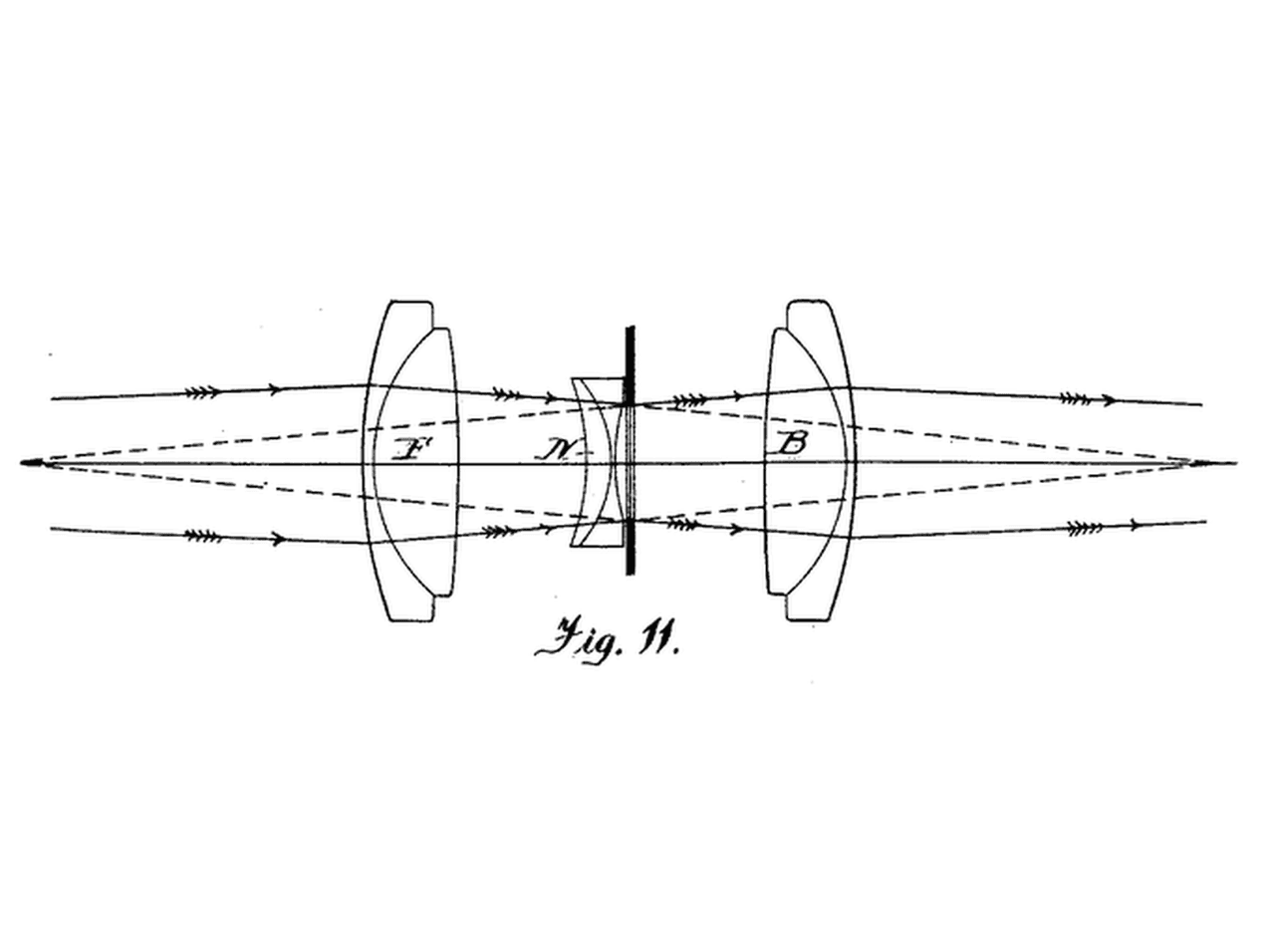
Carl Friedrich Gauss had designed a telescope objective of two air-spaced lenses - a crown meniscus and a flint lens with differently curved facing surfaces - that corrected spherical aberration for two colours at once. Paul Rudolph at Zeiss turned it into a camera lens: two such groups placed symmetrically either side of the stop, each group achromatised with a cemented pair of glasses of nearly the same refractive index but different dispersion.
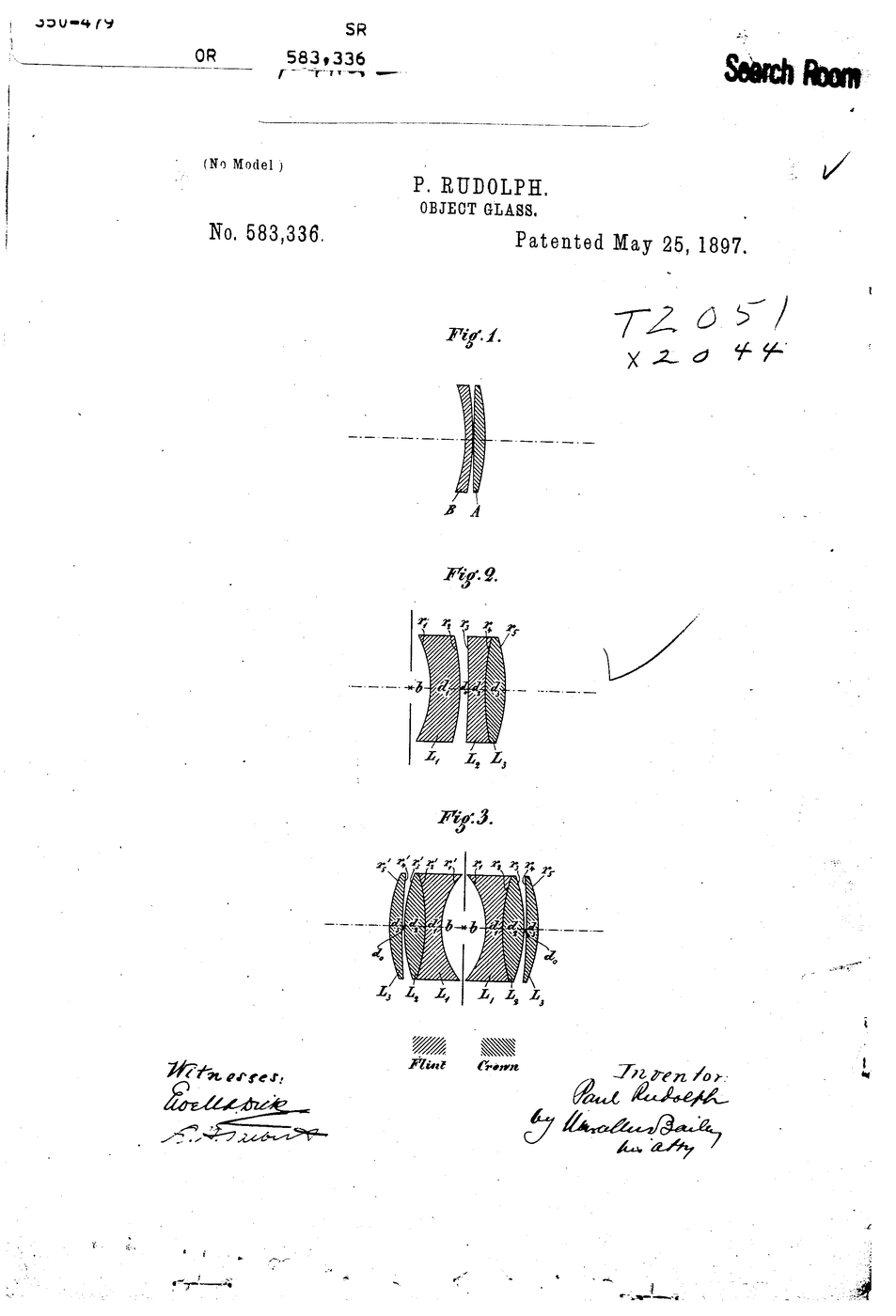
**US 583,336**, "Object-glass", Rudolph, assigned to Carl Zeiss, filed 1. February 1897, granted 25. May 1897. Descendants of this double-Gauss layout became the standard fast normal lens for most of the twentieth century.
**You test what the symmetry buys**: a grid imaged through a single lens with the stop in front, with it behind, and through a symmetric pair with the stop in the middle.
中級者
2 hours
手順
1
1
Make a stop
Make a stop
Cut a 60 mm disc of black card with a 6 mm round hole in its centre. Mount it in a lens holder.
このステップの材料:
 黒台紙1 枚
必要な工具:
 クラフトナイフ
 レンズホルダーセット
2
2
Light a grid
Light a grid
Tape graph paper over a torch or a bright window 1 m from the bench. Tracing paper on a holder is the screen.
このステップの材料:
 方眼紙1 枚
 型紙用トレーシングペーパーのロール1 枚
必要な工具:
 LED 点検ライト
 光学ベンチとレール
 マスキングテープ
3
3
Stop in front, then behind
Stop in front, then behind
One 100 mm convex lens with the stop 25 mm in front of it: focus the grid and measure the width of the middle row and the top row across the same squares. Move the stop 25 mm behind the lens and measure again.
このステップの材料:
 凸レンズセット1 セット
必要な工具:
 定規
定規4
4
Make it symmetric
Make it symmetric
Add a second identical lens so the stop sits exactly midway between them, 25 mm each side. Refocus and measure the same two widths.
必要な工具:
定規 メジャー(巻尺)
5
5
Distortion from your widths
Distortion from your widths
Jupyter ノートブックを読み込み中…
6
6
History & Context
History & Context
**What the patent specifies:** Gauss-type objectives made anastigmatic and achromatised by cemented components of nearly equal refractive index but different dispersion, used as a doublet about a central stop. **Modern build (derived):** two identical stock lenses about a card stop.
The Planar was too prone to flare with uncoated glass; once anti-reflection coatings arrived, double-Gauss lenses became the classic 50 mm f/2 and faster. Its limits: many air-glass surfaces, and a design that needs careful glass choice to go wide.
関連ブループリント
これらのブループリントは知識を共有しています — 技術、材料、原理

CC0 パブリックドメイン
このブループリントはCC0で公開されています。許可を求めずに、自由にコピー、修正、配布、あらゆる目的で使用できます。
メイカーを応援するには、ブループリント経由で製品を購入してください。メイカーには メイカーコミッション がベンダーにより設定されています。または、このブループリントの新しいイテレーションを作成し、自分のブループリントにコネクションとして含めて収益を共有できます。