アート
美容とウェルネス
工芸
文化と歴史
エンターテインメント
環境
食品と飲料
リバースエンジニアリング
科学
スポーツ
テクノロジー
ウェアラブル
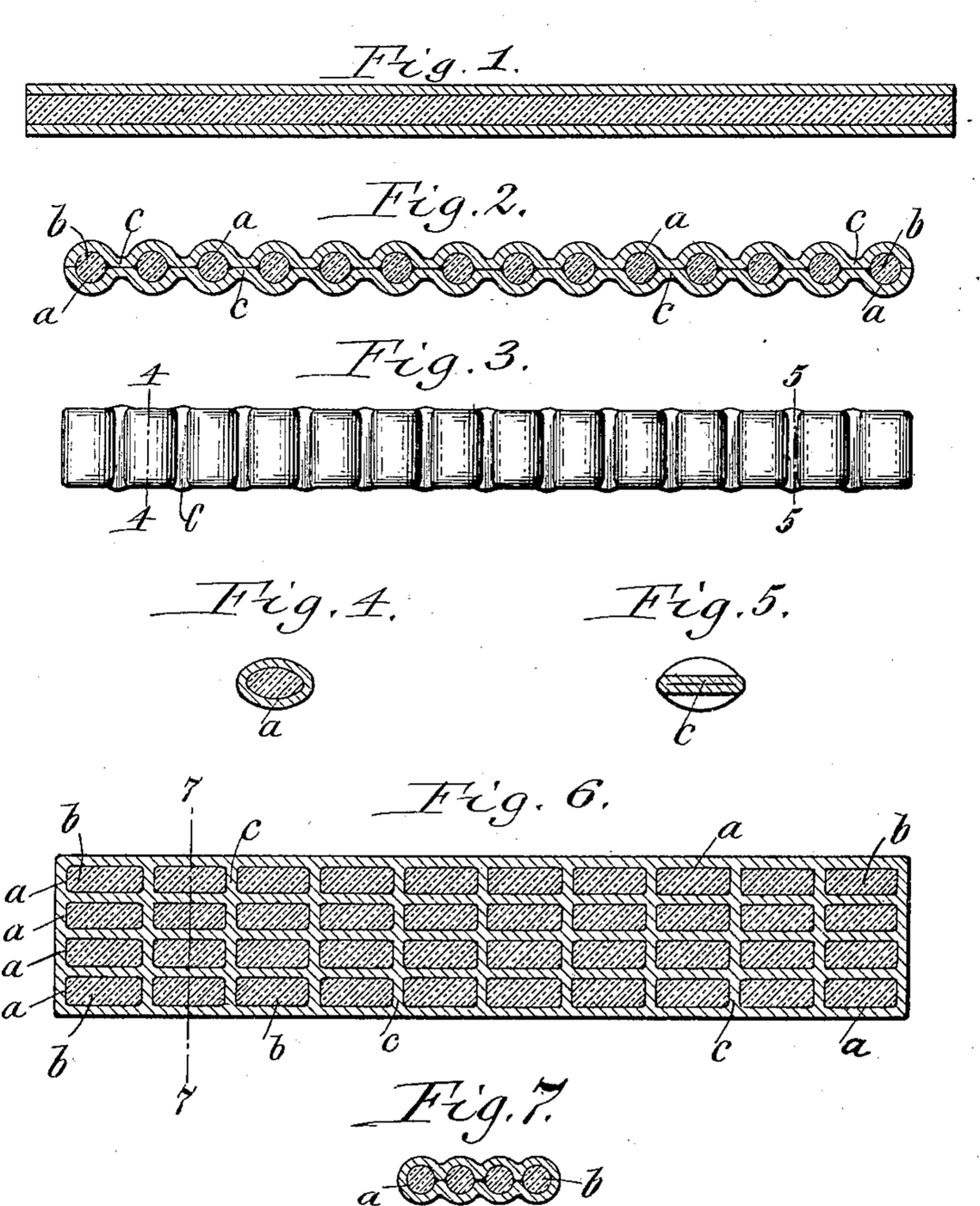


Self-Fluxing Solder with Flux Cells: Kester, 1899
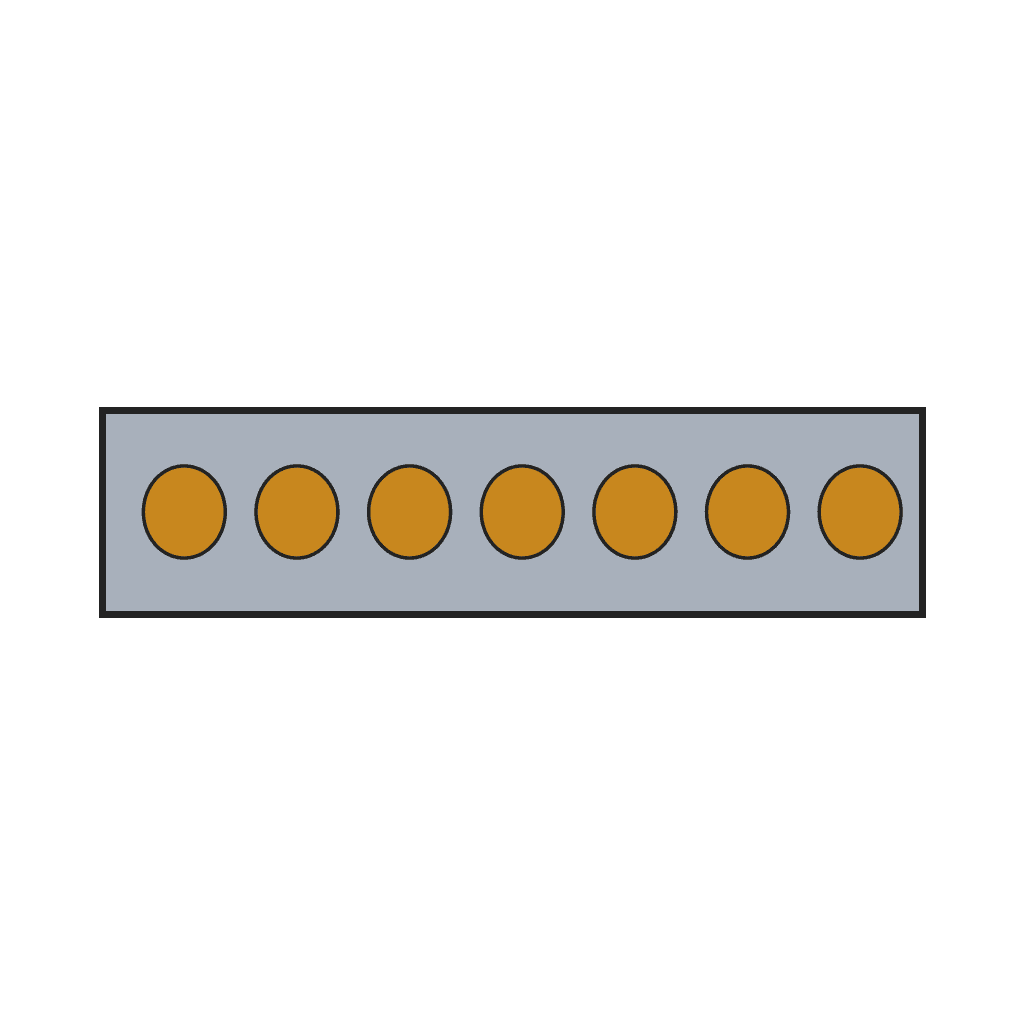
Jesse F. Kester of Buffalo, New York, patented this solder in 1899, US 628,541. Solder wire with one continuous core of flux already existed, but the flux melts at a lower heat than the solder, so it melted some distance back from the end, too much ran out at each joint, and little was left near the end for the next. Kester divided the flux into a row of separate closed cells: each melt opens one cell and supplies a uniform charge of flux.
中級者
Workshop process
手順
1
1
Groove the wire
Groove the wire
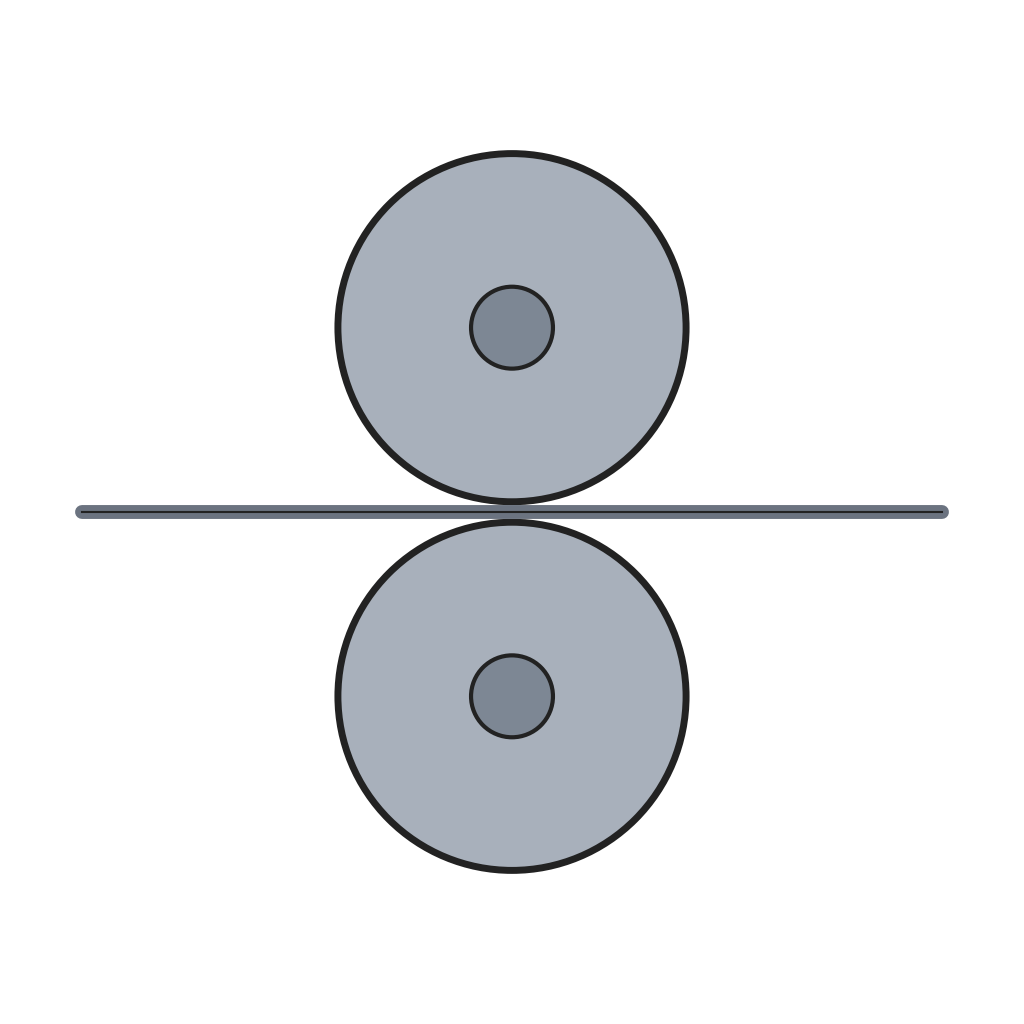
Pass ordinary wire solder lengthwise between rollers to make it trough-shaped in cross-section. (Kester's preferred route starts instead from a tube or hollow wire of solder, filled with the flux.)
このステップの材料:
 はんだ線1 as required
必要な工具:
 線材成形ローラー
2
2
Fill and close
Fill and close
Fill the groove with a suitable flux, in dry, plastic or liquid form. Close the edges of the solder together again, giving the wire a rounded or oval cross-section.
このステップの材料:
 フラックス1 as required
必要な工具:
線材成形ローラー3
3
Pinch into cells
Pinch into cells
Corrugate the filled wire between rollers, or pinch it at intervals of about three-sixteenths of an inch, pressing the walls together into webs. Each web closes off a cell, so the flux is held in a row of separate, uniform charges and cannot run out of the solder.
必要な工具:
線材成形ローラー4
4
Wide bars
Wide bars
For wide bars, such as roofers use, form several rows of cells, in straight rows from end to end or in diagonal rows of lozenge-shaped cells. A solid bar or rod can also have cells formed in its surface, filled with flux and closed by a covering strip pressed on.
この設計図で作るもの
関連ブループリント
これらのブループリントは知識を共有しています — 技術、材料、原理

CC0 パブリックドメイン
このブループリントはCC0で公開されています。許可を求めずに、自由にコピー、修正、配布、あらゆる目的で使用できます。
メイカーを応援するには、ブループリント経由で製品を購入してください。メイカーには メイカーコミッション がベンダーにより設定されています。または、このブループリントの新しいイテレーションを作成し、自分のブループリントにコネクションとして含めて収益を共有できます。