アート
美容とウェルネス
工芸
文化と歴史
エンターテインメント
環境
食品と飲料
リバースエンジニアリング
科学
スポーツ
テクノロジー
ウェアラブル
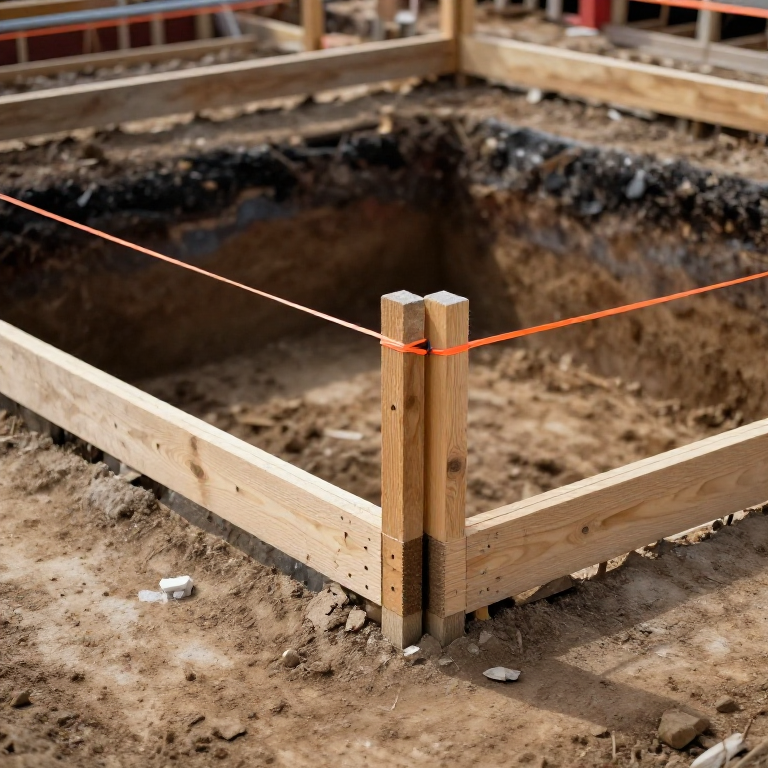


Setting Out a Building: Profiles and Batter Boards
You have pegged out a perfect rectangle. Now the digger arrives and removes every peg in the first ten minutes, because the pegs are exactly where the trench goes.
The answer is older than machinery and completely reliable: move the information OFF the building line. Batter boards — profiles — are horizontal rails set well outside the excavation, carrying saw-cuts or nails that mark where each line runs. Stretch a string between two matching marks and the line reappears, exactly where it was, as many times as you need it.
This rung is the one that turns a survey into a building, and it is the one most often improvised badly. It also carries the levels: the top of the board is usually set to a round height above datum, so a tape from the string gives depth without re-levelling.
中級者
1 day
手順
1
1
Set the profiles well clear of the dig
Set the profiles well clear of the dig
Drive two stout posts at each corner region, at least a metre and a half outside the building line, and nail a horizontal rail across them.
A metre and a half is a minimum, not a target — an excavator's tracks and its spoil heap need more than people expect, and a profile knocked out of position is worse than no profile, because it still looks authoritative. Put them where the machine will not go, and brace them so a knock moves the whole assembly rather than twisting one post.
このステップの材料:
 ダグラスファーの梁材8 length
 亜鉛めっき釘50 個
必要な工具:
 釘抜き付き金づち
 手のこぎり
手のこぎり2
2
Set every rail to ONE level
Set every rail to ONE level
Using the water level or the optical level, set the top edge of every rail to the same height — ideally a round number above your datum, such as exactly one metre.
Now a single tape measurement down from a string gives you the depth of anything, anywhere on the site, with no arithmetic. Setting the rails at arbitrary heights works for the plan lines and throws away this entire second function, which is most of what profiles are worth.
必要な工具:
 オートレベル(測量)
 標尺
標尺 透明ビニールチューブ
3
3
Transfer the lines onto the rails
Transfer the lines onto the rails
Stretch a string along each building line from its corner pegs, extend it to the rails, and mark where it crosses with a saw-cut — not a pencil mark.
A saw-cut survives rain, mud, gloves and three months. A pencil line does not last a week outdoors. Cut a second mark for the outside of the foundation and a third for the trench edge, and label each one on the rail in paint or with a nailed tag, because by the time you need them you will not remember which is which.
このステップの材料:
亜鉛めっき釘30 個必要な工具:
手のこぎり 下げ振り
下げ振り 墨壺の糸(水糸)
4
4
Check the diagonals again, from the profiles
Check the diagonals again, from the profiles
String up all four building lines from the rails and measure the diagonals of the rectangle they form.
This checks the transfer, not the original layout — a saw-cut in the wrong place is easy and invisible. The diagonal check costs two minutes and catches it before anything is dug. Re-check the diagonals every time you re-string, for the whole life of the job, because a rail does get knocked eventually and nothing about a wrong string looks wrong.
必要な工具:
 メジャー(巻尺)
5
5
Working depths and the tolerance you actually have
Working depths and the tolerance you actually have
Jupyter ノートブックを読み込み中…
必要な工具:
メジャー(巻尺)6
6
Leave a record on the site itself
Leave a record on the site itself
Paint the datum height and the rail height on one post, and note them in the book with a sketch showing which corner is which.
Sites change hands, work stops for winter, and the person who returns may not be you. A profile with no stated level is a piece of wood. Two painted numbers turn it back into a survey, and they cost thirty seconds at the moment you still remember what they are.
関連ブループリント
これらのブループリントは知識を共有しています — 技術、材料、原理
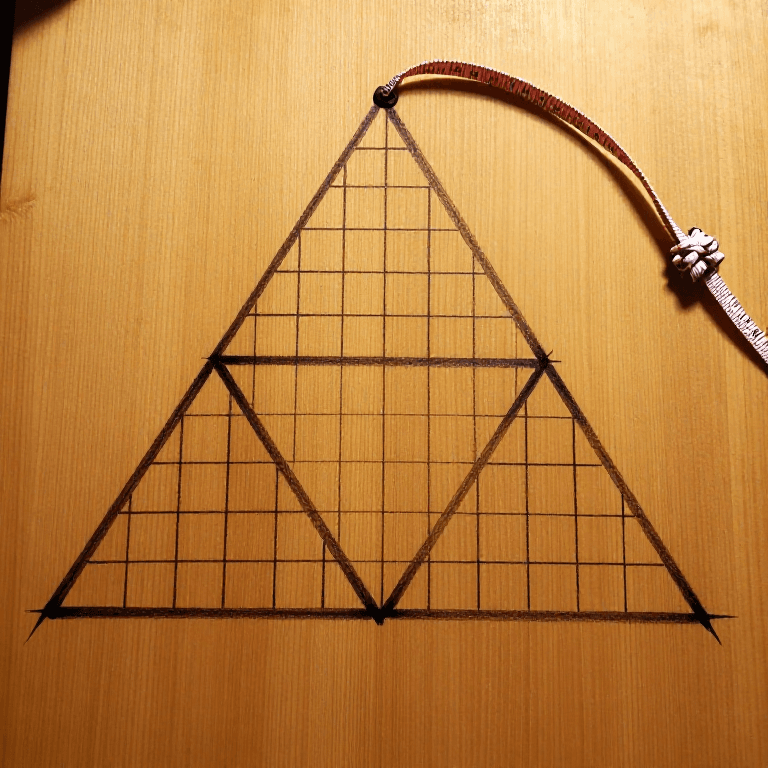



CC0 パブリックドメイン
このブループリントはCC0で公開されています。許可を求めずに、自由にコピー、修正、配布、あらゆる目的で使用できます。
メイカーを応援するには、ブループリント経由で製品を購入してください。メイカーには メイカーコミッション がベンダーにより設定されています。または、このブループリントの新しいイテレーションを作成し、自分のブループリントにコネクションとして含めて収益を共有できます。