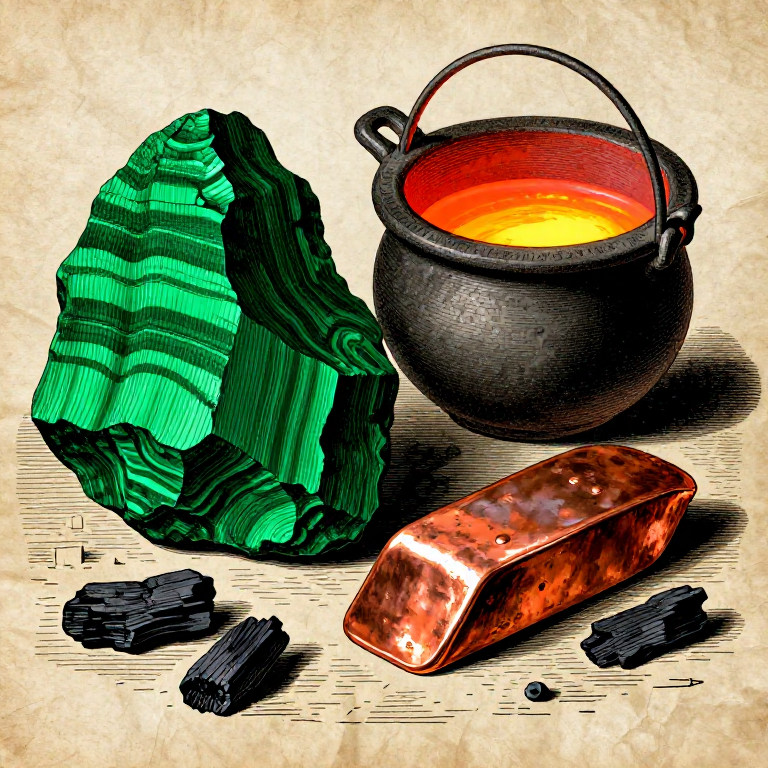

Smelting Copper from Malachite — From Green Ore to Red Metal
手順
化学反応を理解する
化学反応を理解する
マラカイトは加熱すると分解します:Cu₂CO₃(OH)₂ → 2CuO + CO₂ + H₂O(~300°Cで)。生成された酸化銅(CuO)は、燃焼する木炭からの一酸化炭素によって還元されます:CuO + CO → Cu + CO₂。銅の融点は1085°Cです。純粋なマラカイトからの銅の総収率は約57.5%です。
マラカイトを砕く
マラカイトを砕く
ハンマーと金床を使ってマラカイトを1 cm未満の破片に砕きます。細かく砕くほど、還元は速く完全になります。可能であれば、最終的な粉砕には乳鉢と乳棒を使用してください。エンドウ豆大以下の大きさを目指します。
このステップの材料:
 孔雀石鉱石2 kilogram
必要な工具:
 地質ハンマー
 乳鉢と乳棒
乳鉢と乳棒るつぼを準備する
るつぼを準備する
1200°C以上に耐えられる粘土製のるつぼを使用します。黒鉛粘土るつぼが理想的です。るつぼは少なくとも500 mlの容量が必要です。自作する場合は、耐火粘土と砂を2:1の比率で混ぜ、使用前に窯で1000°Cまでゆっくり焼成してください。事前焼成したるつぼはひび割れが少なくなります。
このステップの材料:
 耐火粘土のるつぼ1 個
Layer ore and charcoal in the crucible
Layer ore and charcoal in the crucible
Place a 2 cm layer of charcoal pieces at the bottom of the crucible. Add a layer of crushed malachite (2-3 cm). Top with another layer of charcoal. The charcoal both provides carbon for reduction and protects the copper from re-oxidation. Fill to about 2/3 full.
このステップの材料:
 木炭5 kilogram
Build or prepare the forge
Build or prepare the forge
You need a forge or furnace capable of reaching 1100-1200°C. A simple charcoal forge with forced air (bellows or blower) works well. The crucible sits in a bed of burning charcoal with additional charcoal piled around and above it. The air supply must be controllable.
このステップの材料:
 木炭の円板20 kilogram
必要な工具:
 ふいご
ふいごPut on safety equipment
Put on safety equipment
Copper smelting involves extreme heat, toxic fumes, and molten metal. Wear: leather apron, leather gauntlet gloves, face shield, safety boots (no synthetic materials). Work outdoors or in a well-ventilated space. Copper oxide fumes cause metal fume fever if inhaled. Keep a bucket of dry sand nearby for spill containment.
必要な工具:
 革のエプロン
 革製ガントレット手袋
 フェイスシールド
 乾いた砂のバケツ
Light the forge and preheat
Light the forge and preheat
Light the forge charcoal and bring it to full heat over 30-45 minutes with gentle bellows action. Place the loaded crucible into the forge once the coals are glowing white-hot. Pack charcoal tightly around the crucible. Increase bellows speed gradually.
Maintain temperature for 2-3 hours
Maintain temperature for 2-3 hours
Keep the forge at 1100-1200°C for 2-3 hours. The malachite first decomposes (green changes to black CuO at ~300°C), then the CuO reduces to copper as temperature climbs. Add charcoal to the forge as needed to maintain heat. The crucible contents will shrink as CO₂ gas escapes.
Check for completion
Check for completion
After 2-3 hours, carefully lift the crucible lid with tongs and peek inside. You should see a bright orange-red pool of molten copper beneath a layer of slag (glassy dark material). If you see unmelted green or black chunks, continue heating for another 30 minutes.
必要な工具:
 長柄やっとこ
Prepare the ingot mold
Prepare the ingot mold
While the copper melts, prepare a sand mold or a flat stone depression for pouring. Preheat the mold with a torch to prevent thermal shock cracking. A simple bar-shaped mold carved into a sandstone block works well. Ensure the mold is completely dry — any moisture causes explosive splattering of molten metal.
必要な工具:
 砂岩のインゴット型
Pour the copper
Pour the copper
Using crucible tongs, lift the crucible from the forge. Tilt slowly to pour molten copper into the mold. The dark glassy slag floats on top and can be held back with a stick while the copper flows under it. Pour steadily — interrupted pours create cold shuts (weak seams).
必要な工具:
 るつぼばさみ
Let the ingot cool
Let the ingot cool
Allow the copper ingot to cool in the mold for at least 30 minutes. Do not quench in water — rapid cooling makes copper brittle with internal stresses. Air cooling produces a softer, more workable metal. The copper surface oxidizes to a dark red-brown as it cools.
Remove and clean the ingot
Remove and clean the ingot
Once cool enough to handle (below 100°C), remove the ingot from the mold. Brush off adhering sand and slag with a wire brush. The ingot should have the characteristic salmon-pink color of fresh copper on freshly exposed surfaces. Any dark patches are trapped slag or oxide inclusions.
必要な工具:
 ワイヤーブラシセット
Weigh and assess yield
Weigh and assess yield
Weigh the clean copper ingot. From 2 kg of good malachite ore, expect 800-1000 g of copper (40-50% yield, accounting for slag losses and impurities). Pure malachite would yield 1150 g, but field-collected ore is rarely pure. Record the yield for future optimization.
必要な工具:
 デジタルキッチンスケール
Test the copper quality
Test the copper quality
Hammer the edge of the ingot on an anvil. Good copper deforms plastically without cracking — it is one of the most malleable metals. If it cracks, it contains too much slag or oxide. File a small area to expose fresh metal — pure copper is salmon-pink. A green tinge indicates incomplete reduction.
必要な工具:
 金工ヤスリ
金工ヤスリStore the copper ingot
Store the copper ingot
Copper oxidizes slowly in air (forming green patina over months). For short-term storage, keep dry. For long-term, coat with a thin layer of oil. Label with date, source ore, and weight. This copper is ready for casting, hammering into sheet, or alloying with tin to make bronze.
接続ブループリントの材料
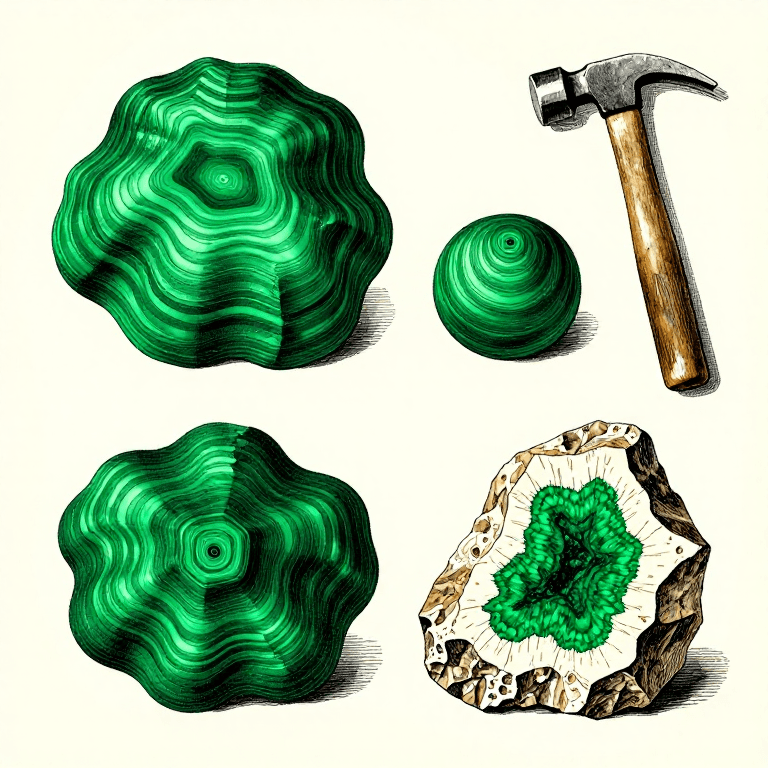
Identifying and Collecting Malachite — Copper Carbonate Ore from the Earth
Peter 作
金属加工
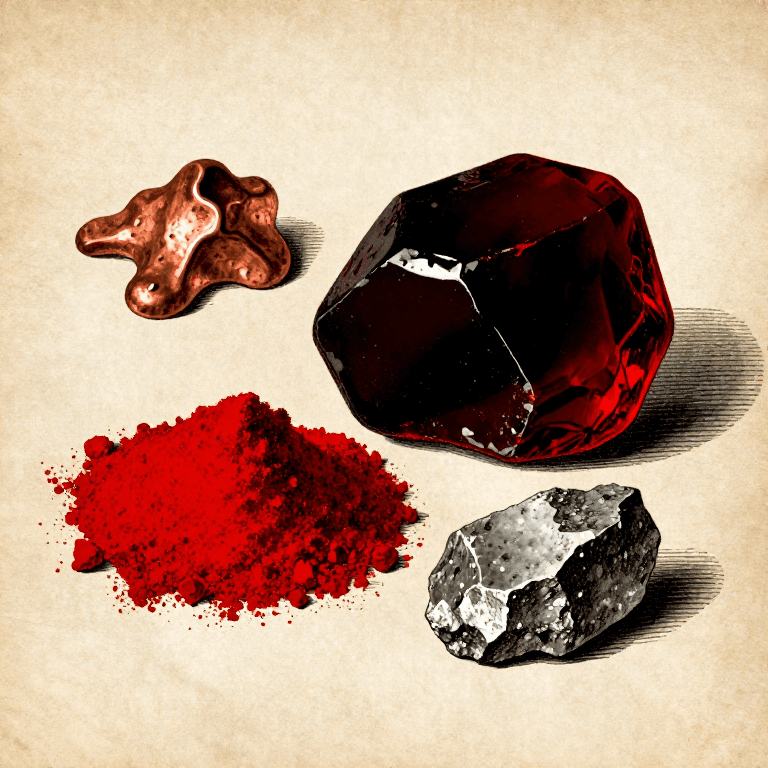
Recovering Selenium from Copper Refinery Anode Slime — The Photoconductor That Sees Light
Peter 作
採鉱

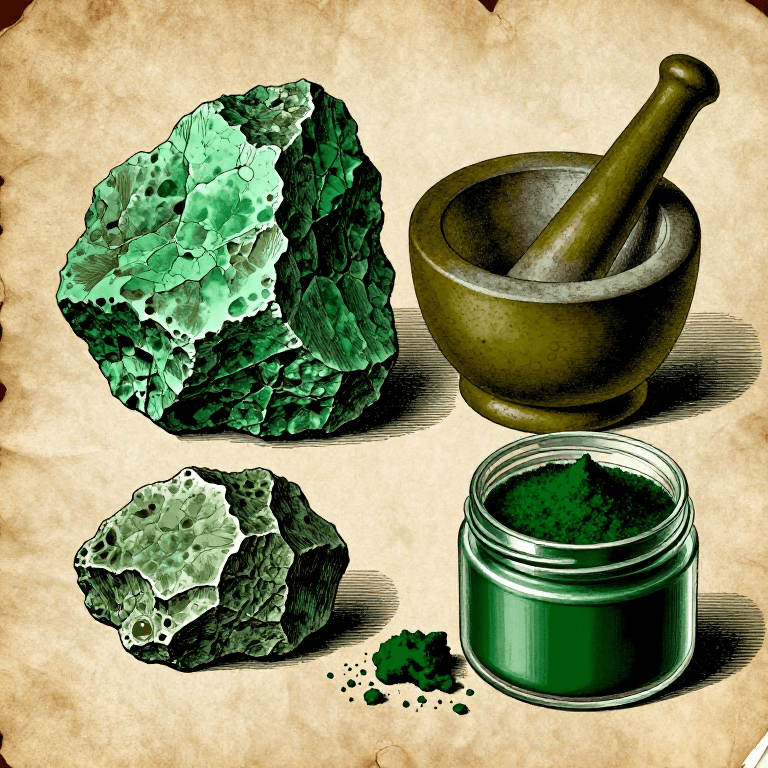
Making Malachite Green Pigment — Grinding the Copper Mineral into Painter's Green
Charlie 作
アート
この設計図で作るもの

関連ブループリント
これらのブループリントは知識を共有しています — 技術、材料、原理
CC0 パブリックドメイン
このブループリントはCC0で公開されています。許可を求めずに、自由にコピー、修正、配布、あらゆる目的で使用できます。
メイカーを応援するには、ブループリント経由で製品を購入してください。メイカーには メイカーコミッション がベンダーにより設定されています。または、このブループリントの新しいイテレーションを作成し、自分のブループリントにコネクションとして含めて収益を共有できます。