アート
美容とウェルネス
工芸
文化と歴史
エンターテインメント
環境
食品と飲料
リバースエンジニアリング
科学
スポーツ
テクノロジー
ウェアラブル
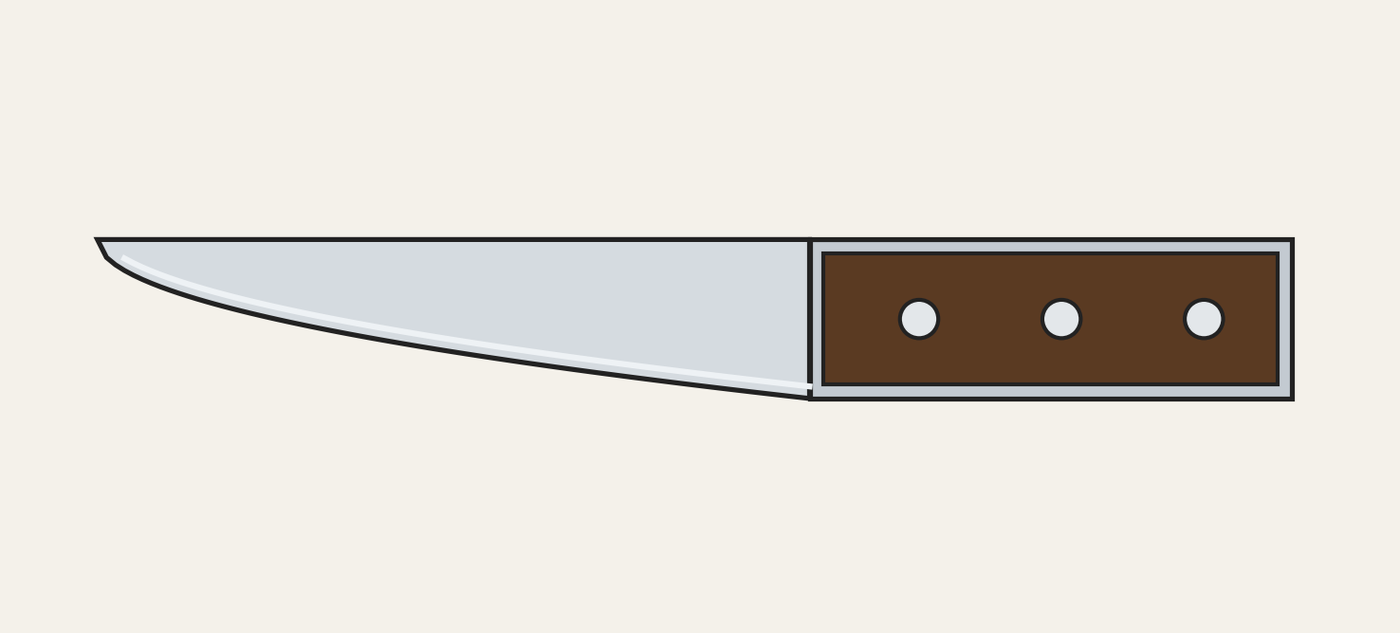


Stamped Kitchen Knife: Blade, Tang and Riveted Scales
Kitchen knife blades are either forged or stamped. A stamped blade is cut to shape straight from cold-rolled steel, then heat-treated for strength, ground, polished and sharpened; it can often be recognised by having no bolster. Typical stainless kitchen knives are 420 stainless, an alloy of iron with about 10–15% chromium and little carbon, which resists rust far better than carbon steel. In the traditional Western knife the tang, the part of the blade inside the handle, carries two scales of wood, plastic or composite, one each side, held by metal rivets, usually three.
上級者
Factory process
手順
1
1
Stamp the blank
Stamp the blank
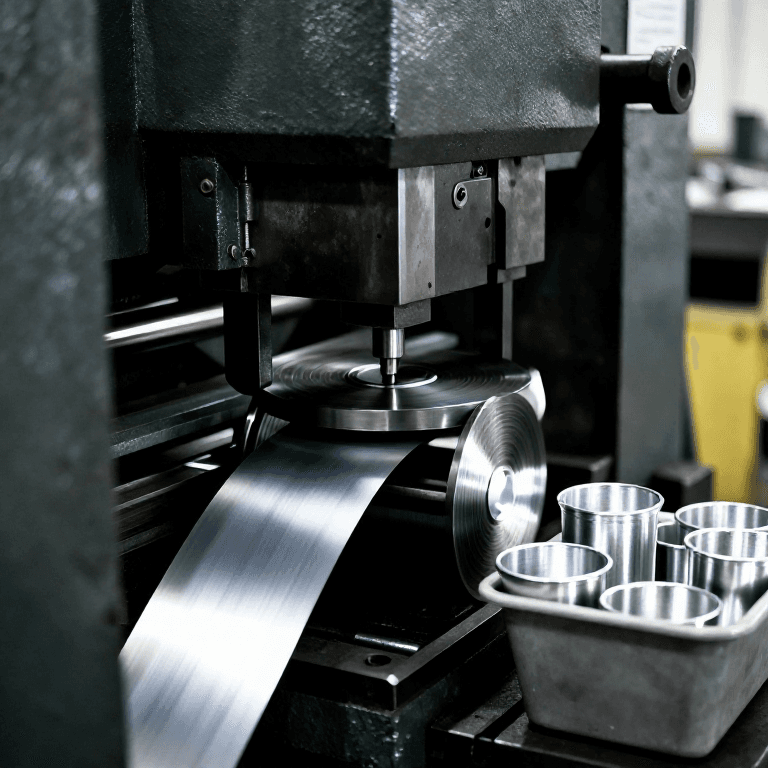
Cut the blade with its tang straight from cold-rolled stainless steel in the press.
このステップの材料:
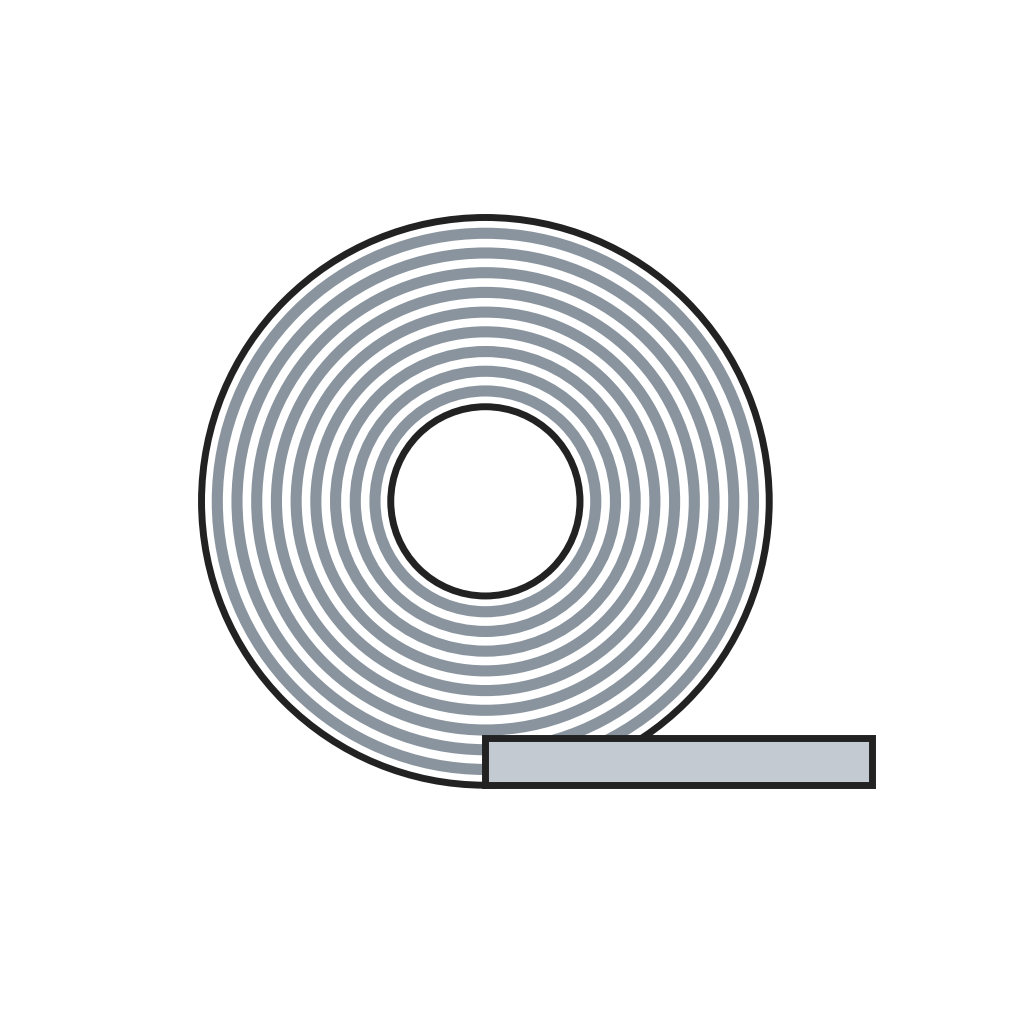 冷間圧延ステンレス鋼帯(420)1 as required
必要な工具:
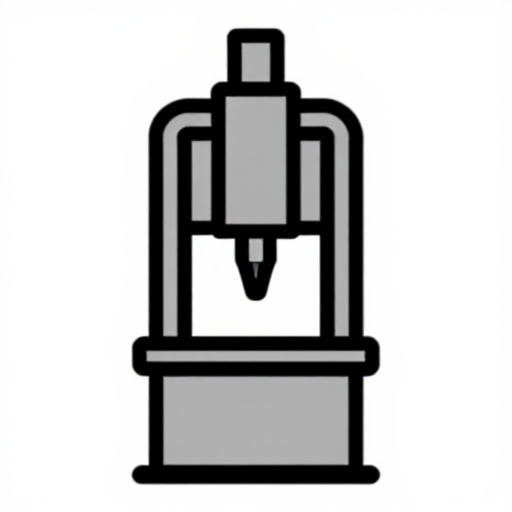 金属プレス機
2
2
Heat treat
Heat treat
Heat-treat the blank for strength.
必要な工具:
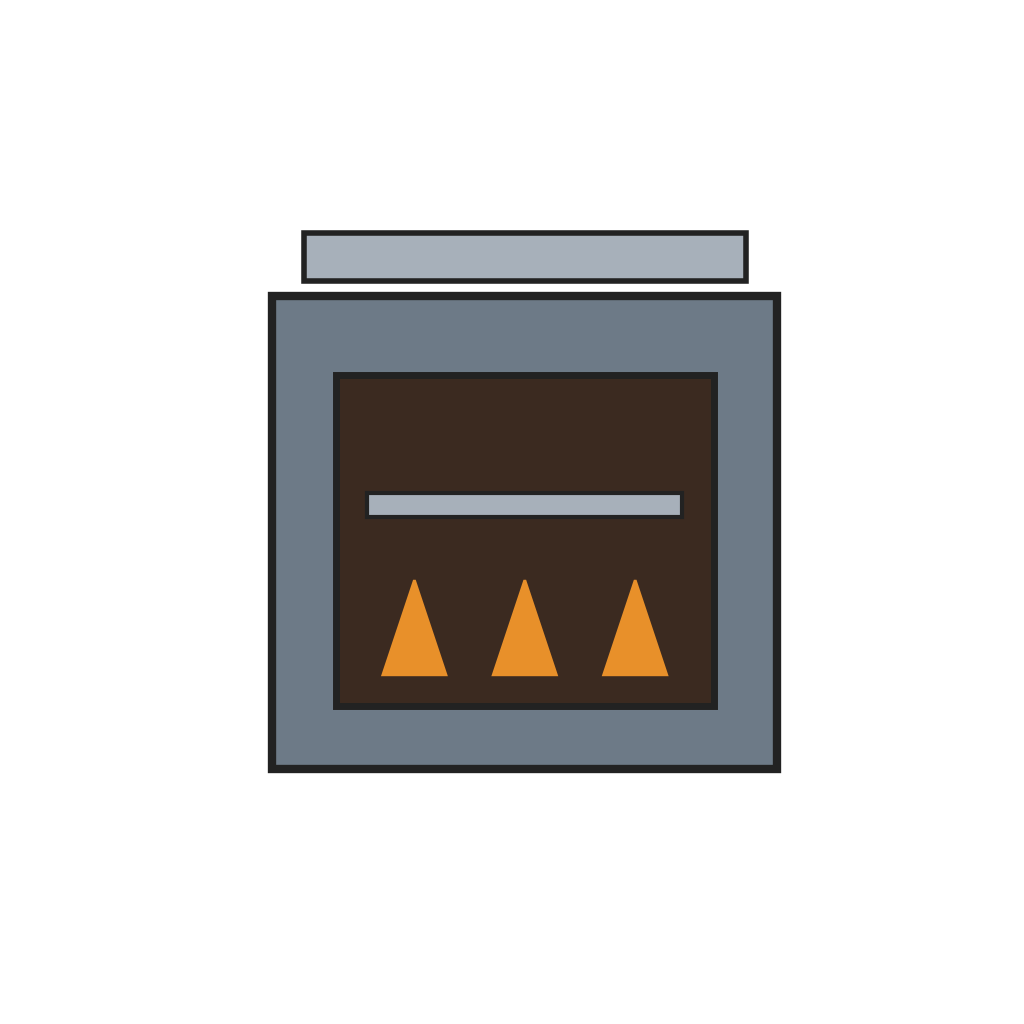 熱処理炉
3
3
Grind, polish and sharpen
Grind, polish and sharpen
Grind the blade, polish it and sharpen the edge.
必要な工具:
 ベルトグラインダー
 研磨ホイール
 砥石
4
4
Rivet the scales
Rivet the scales
Fit a scale to each side of the tang and fix them with the rivets, usually three.
このステップの材料:
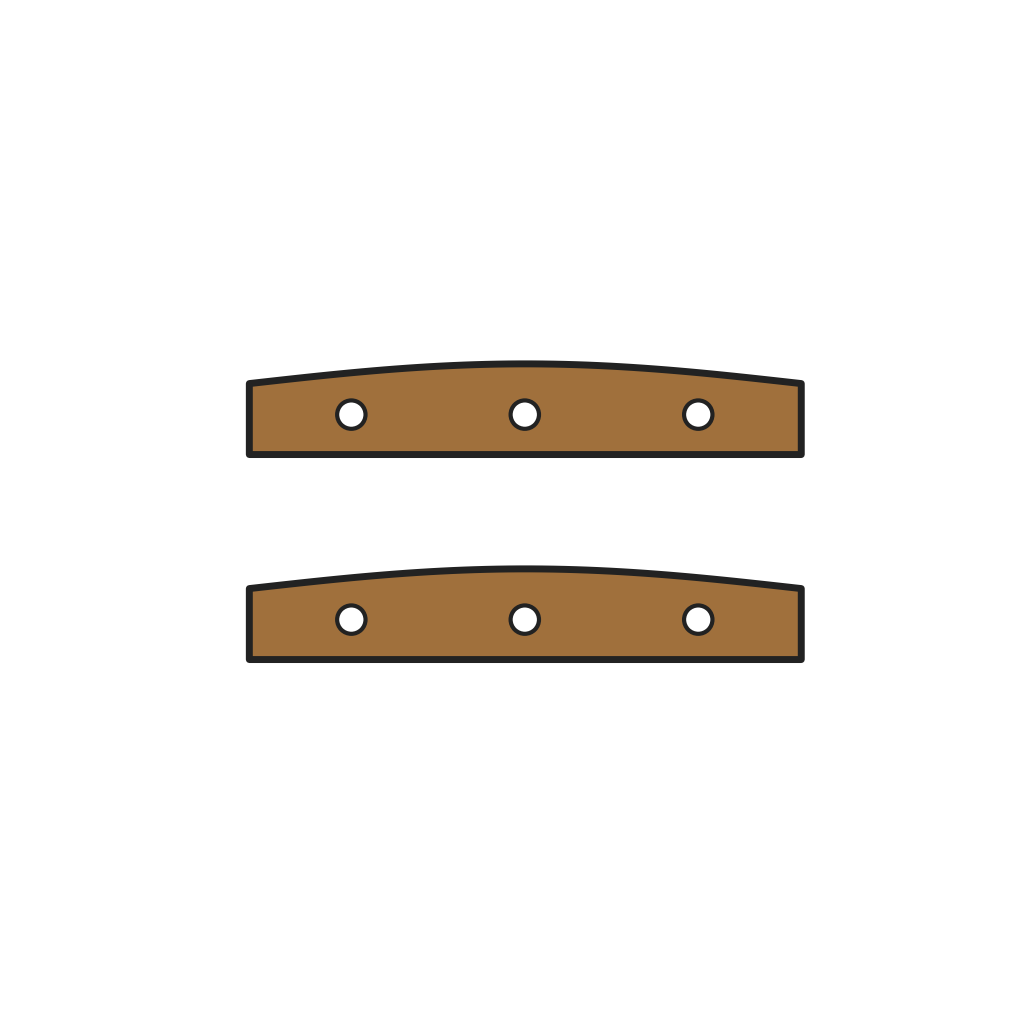 ナイフハンドル材2 個
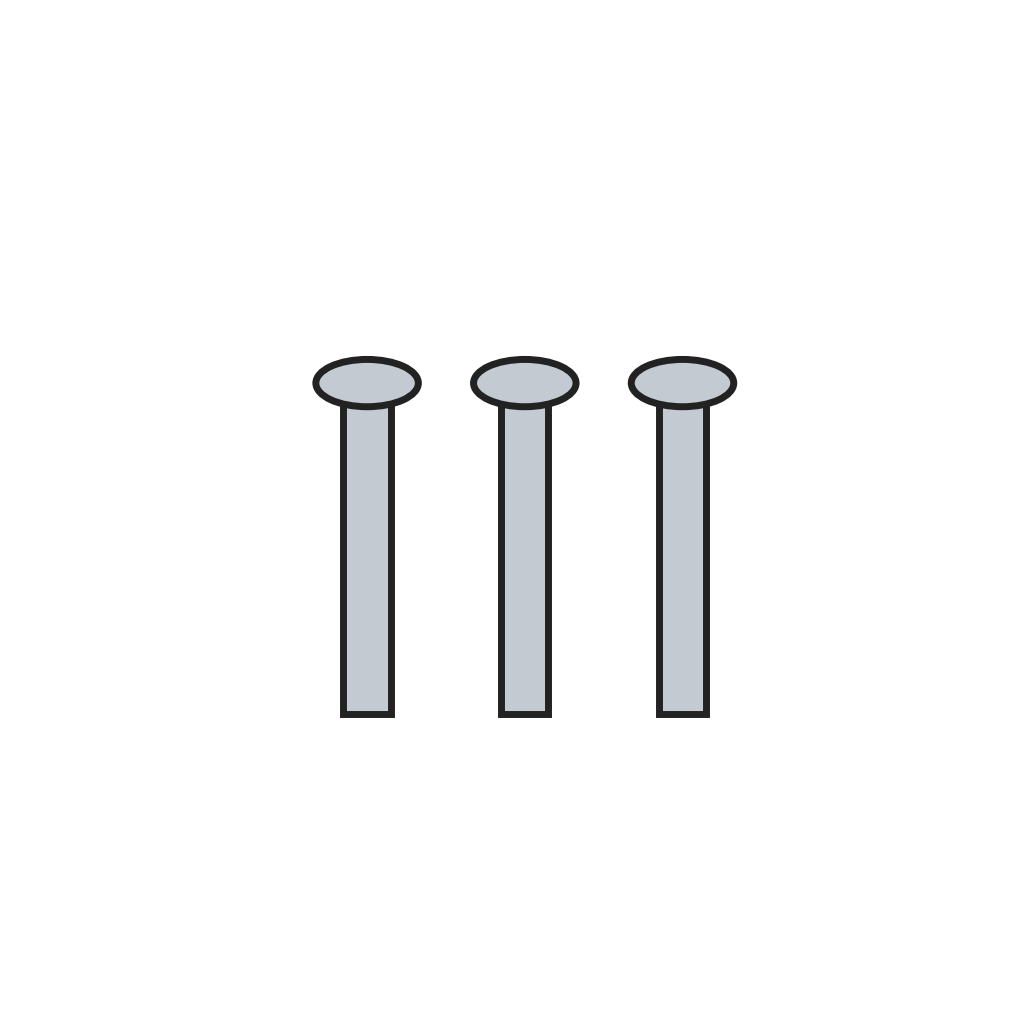 ナイフハンドル用リベット3 個
材料
3- 1 as requiredプレースホルダー
- 2 個プレースホルダー
- 3 個プレースホルダー
この設計図で作るもの
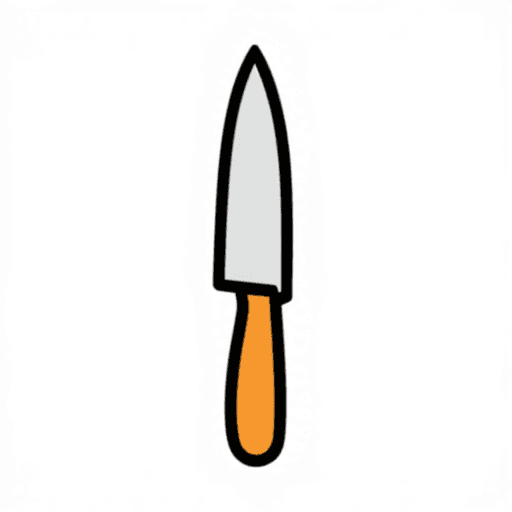
関連ブループリント
これらのブループリントは知識を共有しています — 技術、材料、原理



CC0 パブリックドメイン
このブループリントはCC0で公開されています。許可を求めずに、自由にコピー、修正、配布、あらゆる目的で使用できます。
メイカーを応援するには、ブループリント経由で製品を購入してください。メイカーには メイカーコミッション がベンダーにより設定されています。または、このブループリントの新しいイテレーションを作成し、自分のブループリントにコネクションとして含めて収益を共有できます。