アート
美容とウェルネス
工芸
文化と歴史
エンターテインメント
環境
食品と飲料
リバースエンジニアリング
科学
スポーツ
テクノロジー
ウェアラブル
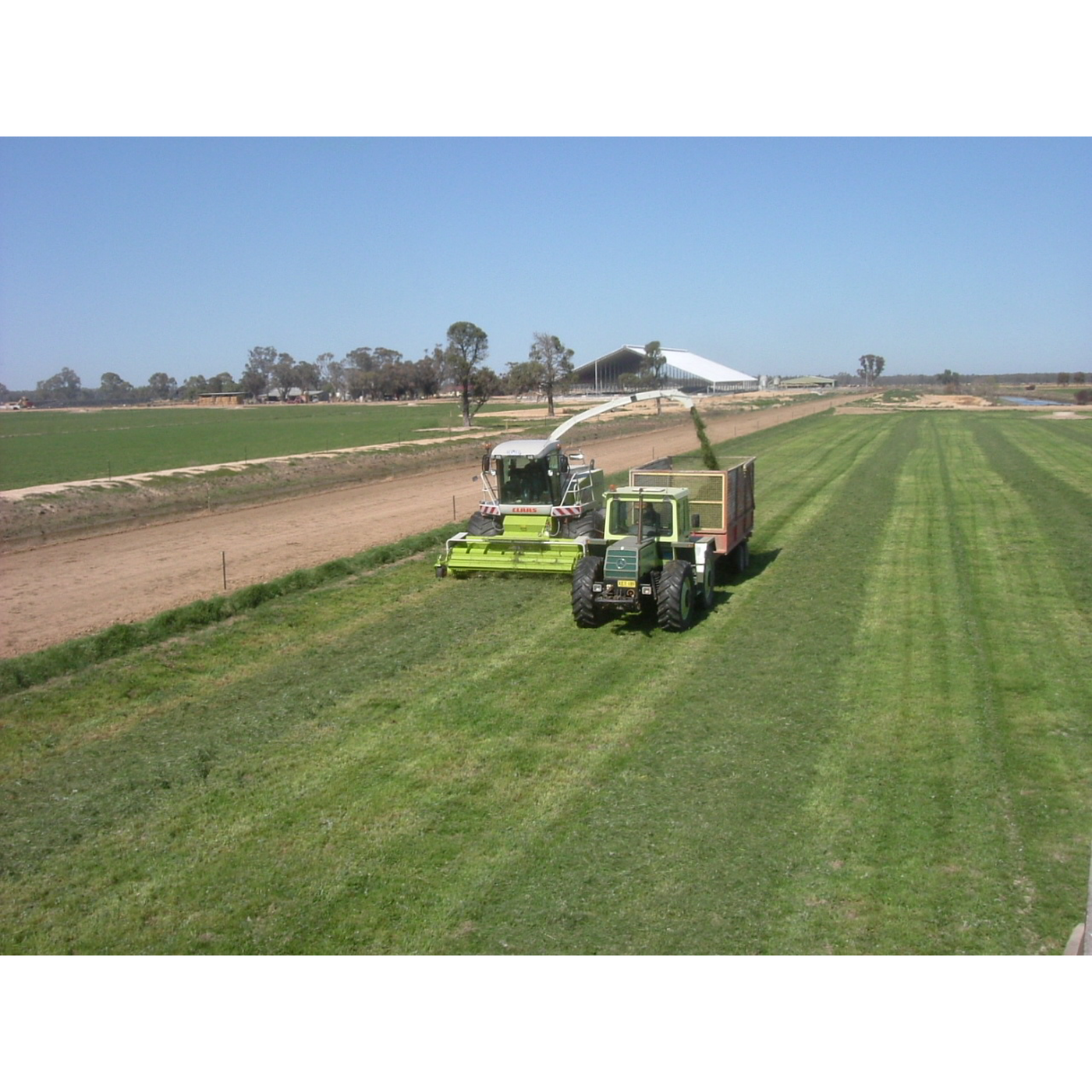

The Forage Harvester: Chopping Green Crop to a Set Length
Silage is green crop — grass, maize, legumes — packed tight and left to ferment so it keeps through winter. It keeps only if it is chopped short and evenly enough to pack out the air. For decades the crop was cut and carted to a stationary silage cutter at the silo. The field forage harvester does the chopping in the field: it picks up or cuts the crop, feeds it between rollers into a cutterhead of knives, and blows the chop up a spout into a trailer.
Sir Charles Ross thought of joining a pick-up to an ensilage cutter and blower powered by an engine riding on the rig; Professor Floyd Duffee improved it; the Fox River Tractor Company tried a mower-type chopper in 1931 and sold a cutter-bar chopper from 1940, and in 1942 Gehl became the first to mass-produce forage harvesters.
This rung works out the length of cut, the flywheel's reserve and the spout speed, and builds a paper-strip model that shows the length of cut directly.
初心者
About 3 hours
手順
1
1
Length of cut, flywheel reserve and spout speed
Length of cut, flywheel reserve and spout speed
Jupyter ノートブックを読み込み中…
2
2
Model the cut with a paper strip
Model the cut with a paper strip
No knives needed. Wind a 50 mm strip of kraft paper onto a spool driven by a geared DC motor, so the strip is pulled past a point at a steady speed — that is the feed rolls. Measure the feed speed with a rule and stopwatch.
Screw a plywood arm to the shaft of a second geared motor, with a felt marker at its tip that dabs the paper once a turn as it sweeps past — that is one knife. Measure its speed with the tachometer.
Run both and measure the spacing of the dabs: it is $v_f / (z n)$ with $z = 1$. Add a second marker on the opposite end of the arm ($z = 2$) and the spacing halves; slow the feed and it shrinks again. Every setting of a real harvester's length of cut is one of these two changes.
このステップの材料:
 クラフト紙のロール(茶)1 個
 ギヤードDCモーター2 個
 合板1 個
合板1 個 小ねじ6 個
必要な工具:
 直流電源
直流電源 デジタル回転計
 ストップウォッチ
 定規
定規 コードレスドリル
 グルーガン
グルーガン 油性マーカー
3
3
Where a pulled harvester gets its power
Where a pulled harvester gets its power
A tractor-drawn forage harvester is driven from the tractor's power take-off. The embedded blueprint covers the shaft, its universal joints and its dangers.
4
4
Chop coming out wrong
Chop coming out wrong
Forage harvester problems show in the trailer.
Flow
Loading...
5
5
History and honest limits
History and honest limits
**Sir Charles Ross** proposed joining a pick-up to an ensilage cutter and blower with its own engine; **Professor Floyd Duffee** improved the idea; the **Fox River Tractor Company** built an experimental chopper in 1931 and marketed a cutter-bar chopper from 1940; **Gehl** began mass production in 1942. Self-propelled harvesters with kernel processors now chop whole maize crops.
**Honest limits.** The theoretical length of cut assumes the crop is fed straight; in practice it varies. The flywheel figures are a simple solid-disc model. A cutterhead is lethal: it keeps turning long after the drive stops, and blockages must only be cleared with the engine off and the head stationary.
材料
4- 1 個プレースホルダー
- プレースホルダー
- 1 個プレースホルダー
- 6 個プレースホルダー
関連ブループリント
これらのブループリントは知識を共有しています — 技術、材料、原理
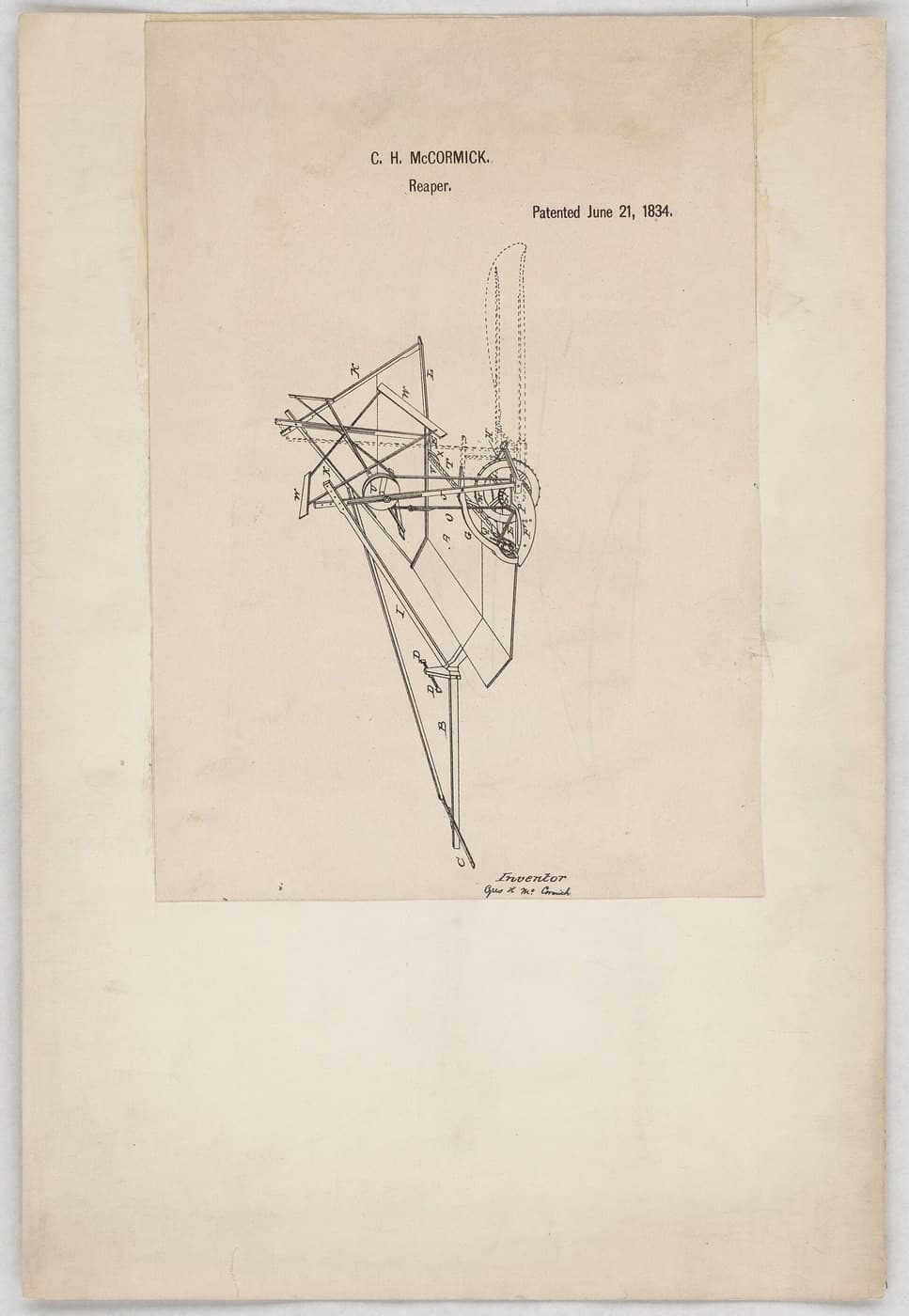
McCormick Reaper
Martin 作
環境
50
0
0
0
0
0
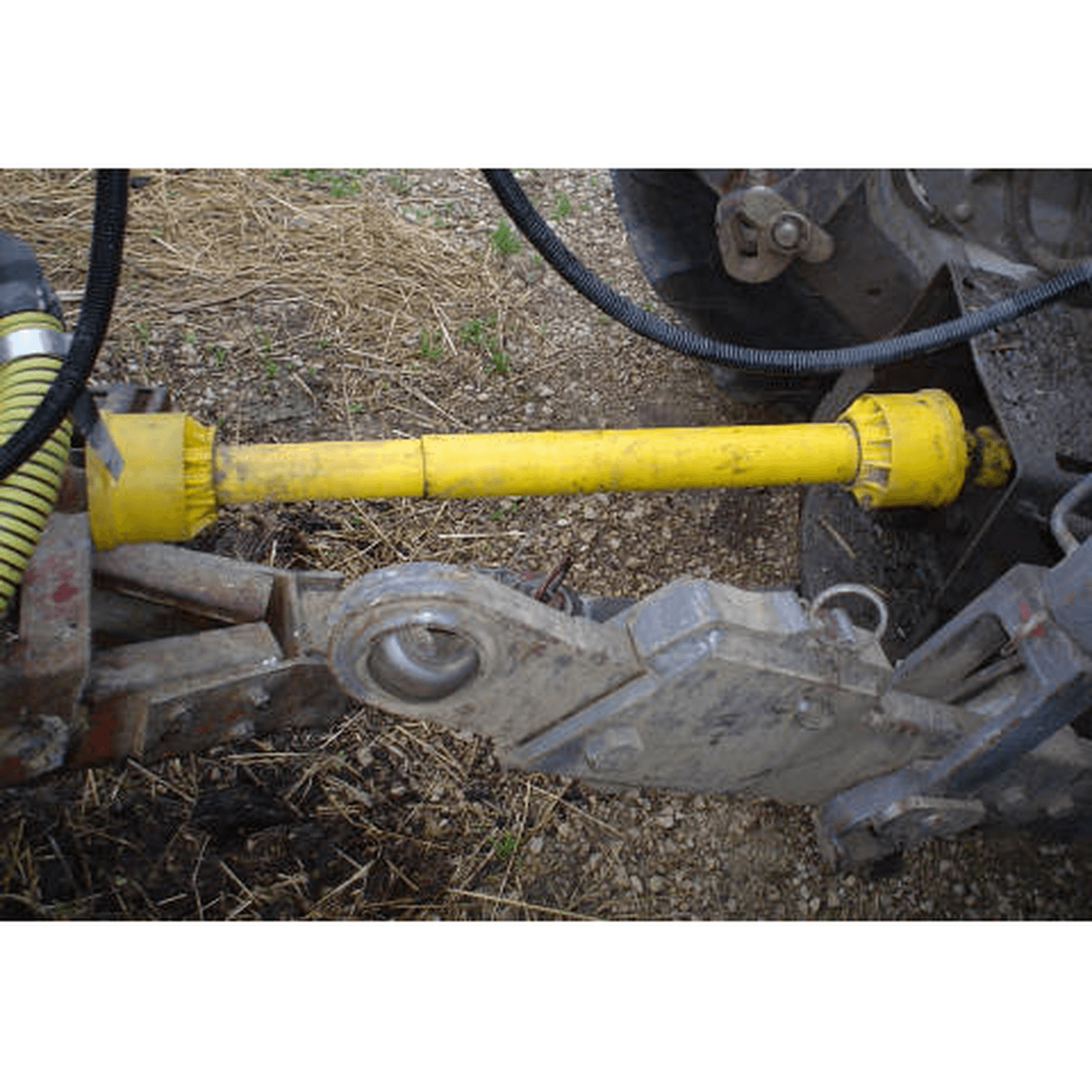
The Power Take-Off: Sending the Tractor's Engine Back Down a Shaft
Martin 作
力学
35
0
0
0
0
0
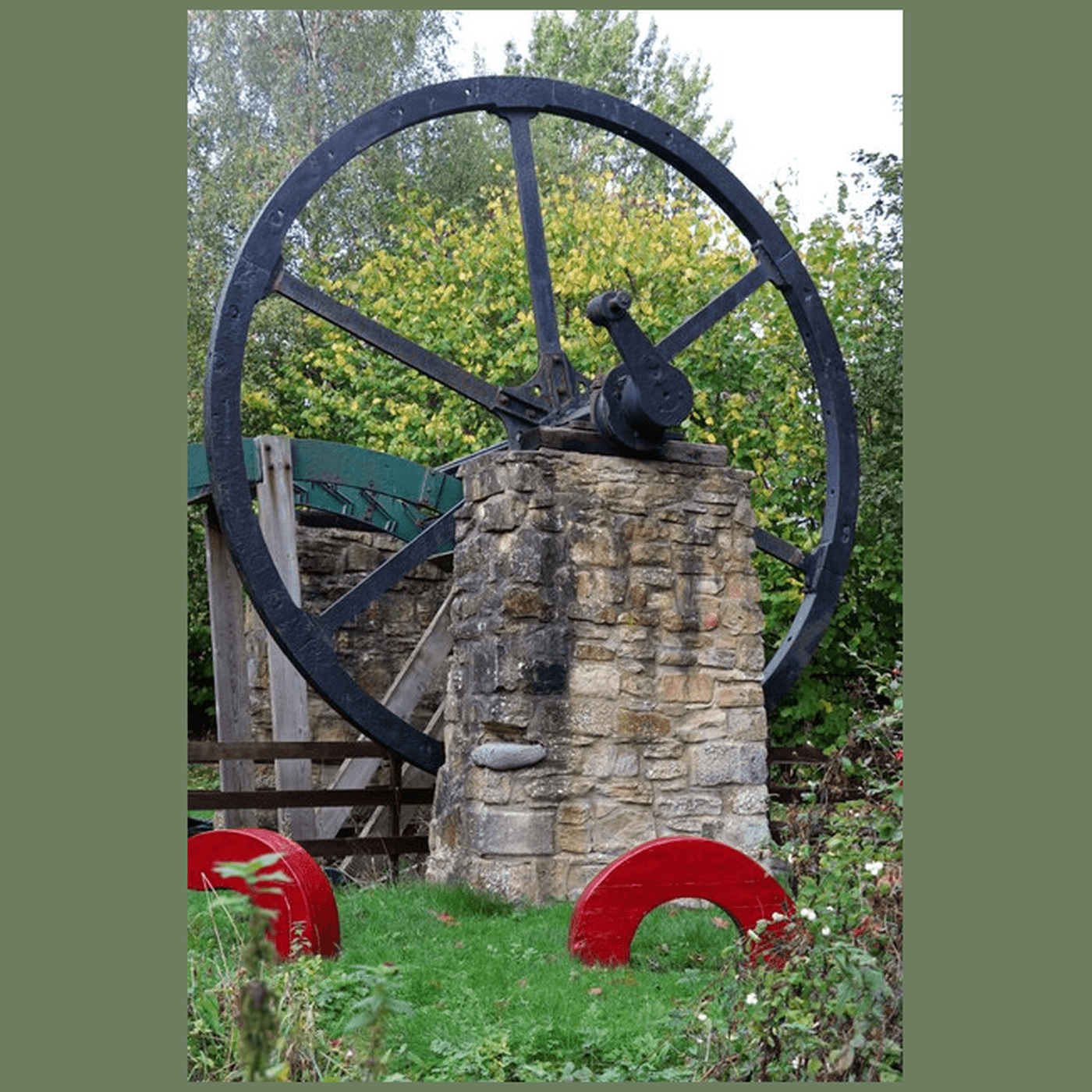
The Crank and the Flywheel: Smoothing One Bang in Two Turns
Martin 作
力学
37
0
0
0
0
0

The Sirocco Fan: Many Shallow Forward-Curved Blades
Emma 作
力学
36
0
0
0
0
0
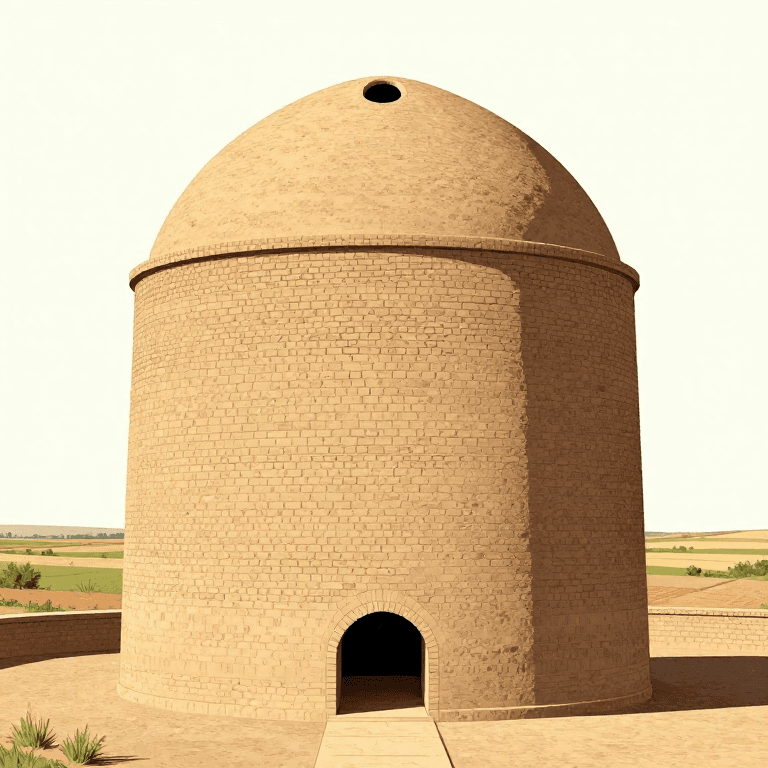
Egyptian Grain Silo — Constructing a Beehive-Shaped Grain Silo
Emma 作
石工
111
0
0
0
0
0
CC0 パブリックドメイン
このブループリントはCC0で公開されています。許可を求めずに、自由にコピー、修正、配布、あらゆる目的で使用できます。
メイカーを応援するには、ブループリント経由で製品を購入してください。メイカーには メイカーコミッション がベンダーにより設定されています。または、このブループリントの新しいイテレーションを作成し、自分のブループリントにコネクションとして含めて収益を共有できます。