アート
美容とウェルネス
工芸
文化と歴史
エンターテインメント
環境
食品と飲料
リバースエンジニアリング
科学
スポーツ
テクノロジー
ウェアラブル

Heat Control: The Pan Is Not the Hob, and It Does Not Follow the Dial
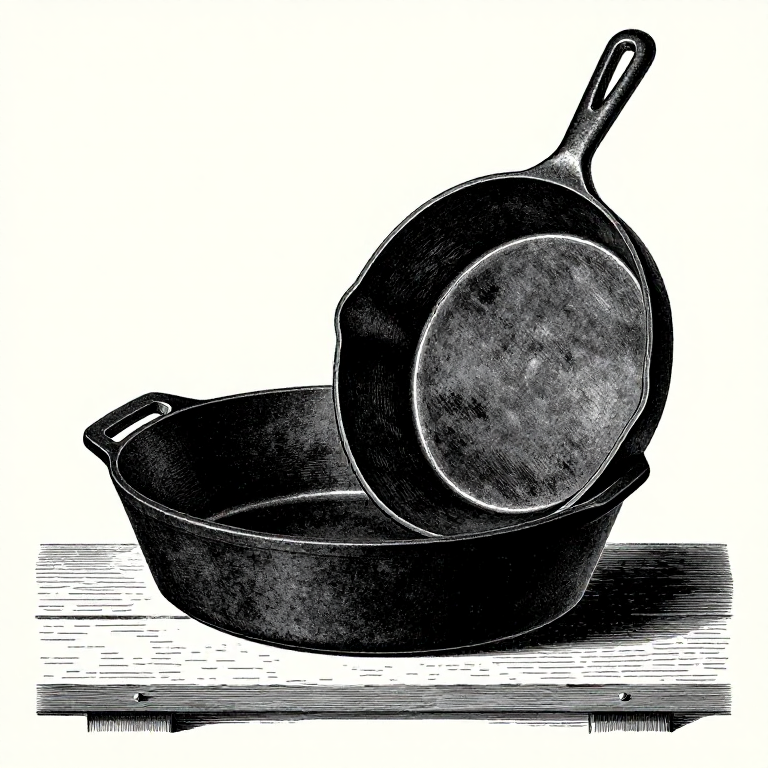
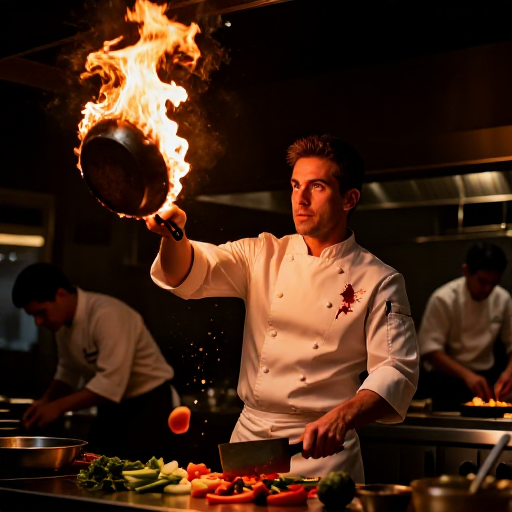
Turning the dial down does not cool the pan. It slows the rate at which heat is added, and the pan then takes its own time to fall — which for cast iron can be several minutes.
That lag is why so much cooking goes wrong at exactly the moment somebody notices it going wrong. By the time the dial has been turned down the food has already had another minute of full heat.
The other half is what happens when cold food lands in a hot pan. The pan gives up its stored heat to the food and its temperature DROPS, sometimes below browning temperature entirely — and how far it drops depends on the mass of the pan, not on the hob.
中級者
3 hours
手順
1
1
Preheat the pan, then judge it by a test not a timer
Preheat the pan, then judge it by a test not a timer
Heat the empty pan before anything goes in. A pan that starts cold is still heating while the food is cooking, so the food's early minutes happen at a temperature nobody chose.
Judge readiness by a test. A drop of water skittering across the surface in a ball rather than boiling off means the pan is well above 100 degrees — the Leidenfrost effect, and a reliable free thermometer. Oil that shimmers and flows like water is another.
An infrared thermometer settles it in a second if you have one, and it is worth doing once with your own pans just to learn what the tests correspond to. That is calibrating a judgement against an instrument, which is the measurement batch's habit applied to a kitchen.
このステップの材料:
 エキストラバージンオリーブオイル1 個
 水1 個
水1 個必要な工具:
 鋳鉄のフライパン
 即読温度計
即読温度計 フライパン
フライパン2
2
What cold food does to a hot pan
What cold food does to a hot pan
Jupyter ノートブックを読み込み中…
このステップの材料:
 赤身の牛肉1 個
必要な工具:
鋳鉄のフライパン デスクトップパソコン即読温度計
3
3
Every setting is a different job
Every setting is a different job
HIGH is for browning and for boiling. It is the only setting where the surface gets past 140 degrees quickly, and the only one that will keep a big pot of water boiling with pasta in it.
MEDIUM is for cooking things through — the setting where the inside has time to reach temperature before the outside is ruined. Most things people burn were cooked on high when they wanted medium.
LOW is for sweating onions without colour, for reductions, and for anything with dairy or egg in it that will split or scramble if it gets hot. A simmer is occasional bubbles, not a rolling boil, and holding it there is what the last two rungs of this batch are about.
このステップの材料:
 タマネギ1 個エキストラバージンオリーブオイル1 個
必要な工具:
 深型片手鍋フライパン
 木製の混ぜ棒(スプーン)
4
4
Listen to the pan
Listen to the pan
A pan is an instrument you can hear. A loud, sharp, continuous sizzle means water is leaving fast and the surface is above 100 degrees — browning is happening. A quiet pan with a soft bubbling means liquid, and steaming.
Silence from a pan that was loud means either the food is done and dry, or it is burning. Both need attention immediately and they sound the same, so look.
Smell is the other channel, and it leads sound by about a minute: nutty and sweet is the Maillard reaction working; acrid and sharp is past it. A cook who is listening and smelling does not need a timer for most things, and that is a skill built by paying attention rather than by being told.
このステップの材料:
赤身の牛肉1 個必要な工具:
フライパン 火ばさみ
火ばさみ関連ブループリント
これらのブループリントは知識を共有しています — 技術、材料、原理
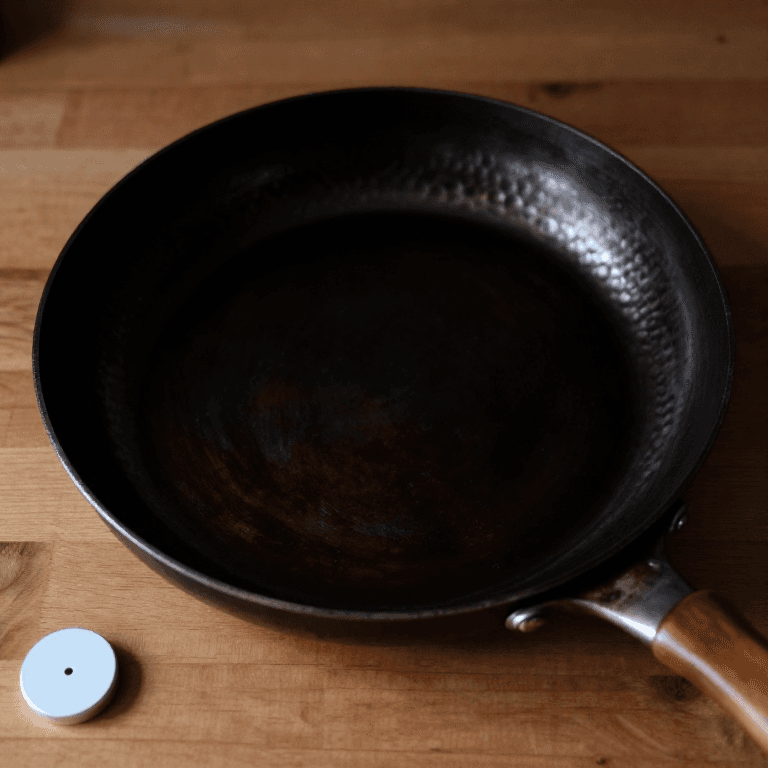

CC0 パブリックドメイン
このブループリントはCC0で公開されています。許可を求めずに、自由にコピー、修正、配布、あらゆる目的で使用できます。
メイカーを応援するには、ブループリント経由で製品を購入してください。メイカーには メイカーコミッション がベンダーにより設定されています。または、このブループリントの新しいイテレーションを作成し、自分のブループリントにコネクションとして含めて収益を共有できます。