アート
美容とウェルネス
工芸
文化と歴史
エンターテインメント
環境
食品と飲料
リバースエンジニアリング
科学
スポーツ
テクノロジー
ウェアラブル
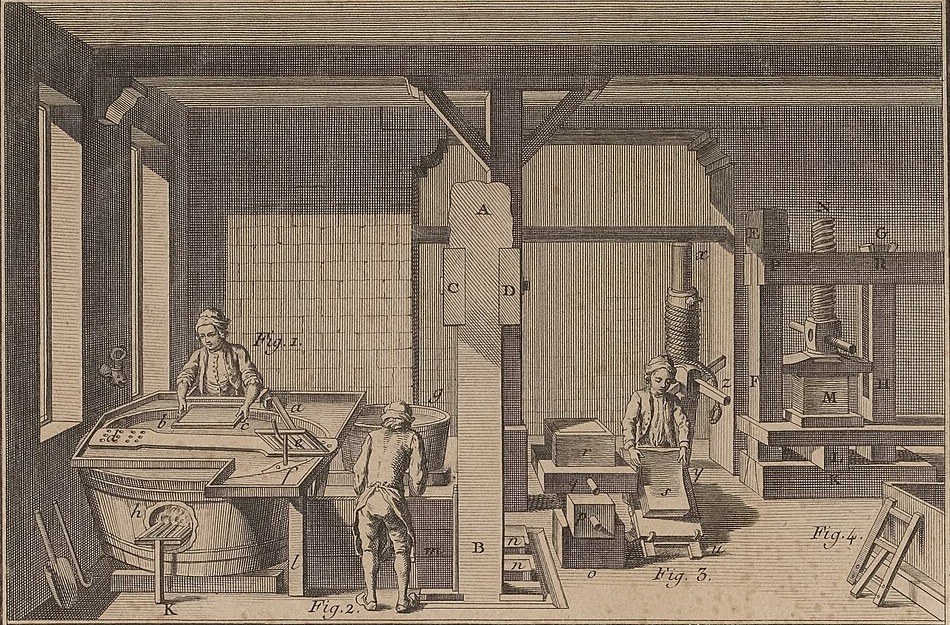


Tracing Paper: Flax Tow Beaten to a Clear Pulp, Ure 1839
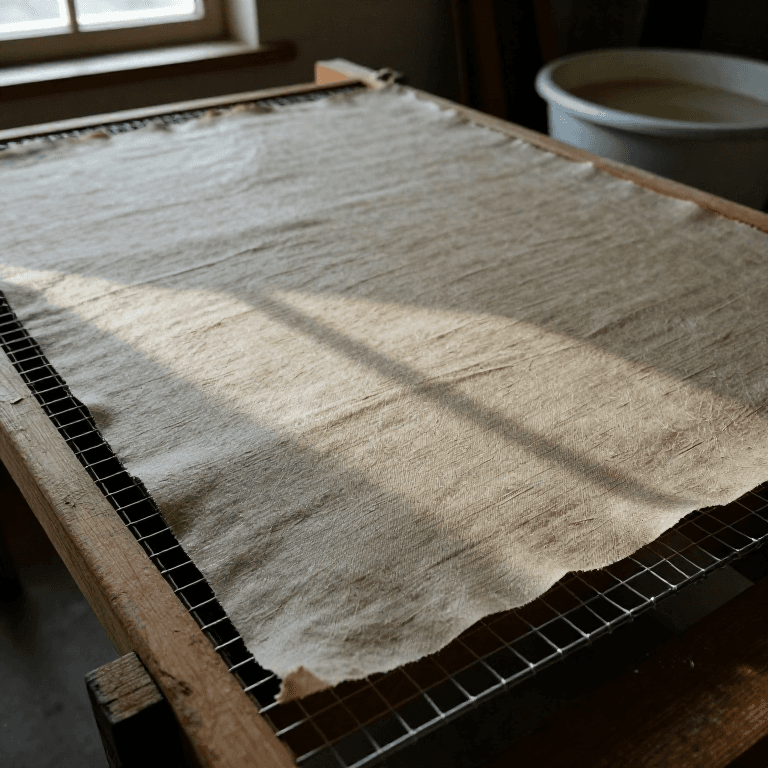
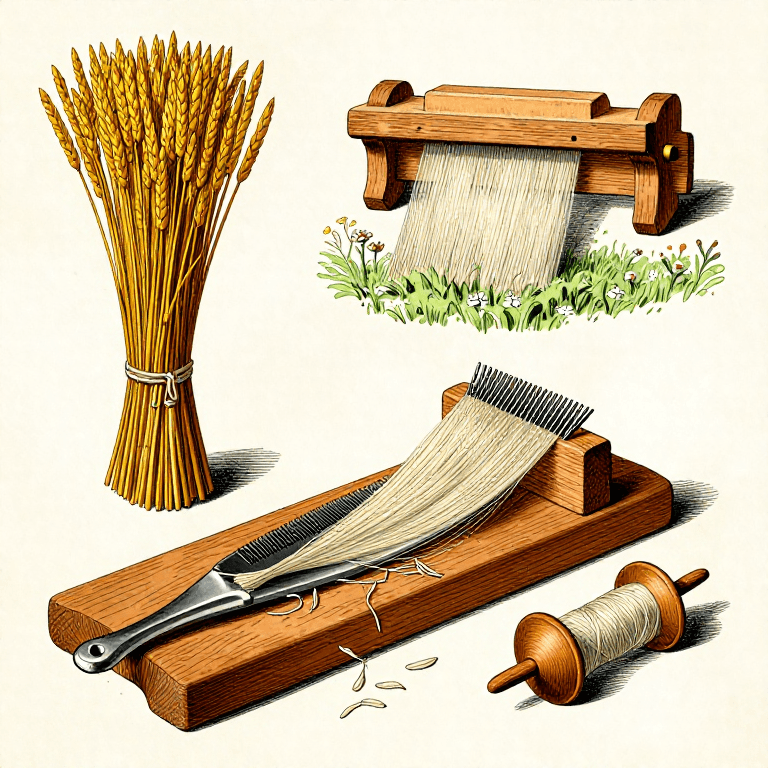
Tracing paper is paper you can see through. Andrew Ure (1839) says the best, sometimes called vegetable paper, is made from the refuse of the flax mills, the tow, beaten without fermenting into a semi-transparent paste that dries into a transparent sheet.
The picture: the vat room of an 18th-century paper mill, the vatman forming a sheet and the press behind (Diderot's Encyclopédie).
中級者
Two days
手順
1
1
Cut and soak the tow
Cut and soak the tow
Cut flax tow into short lengths and soak it in clean water. Do not let it ferment (Ure).
このステップの材料:
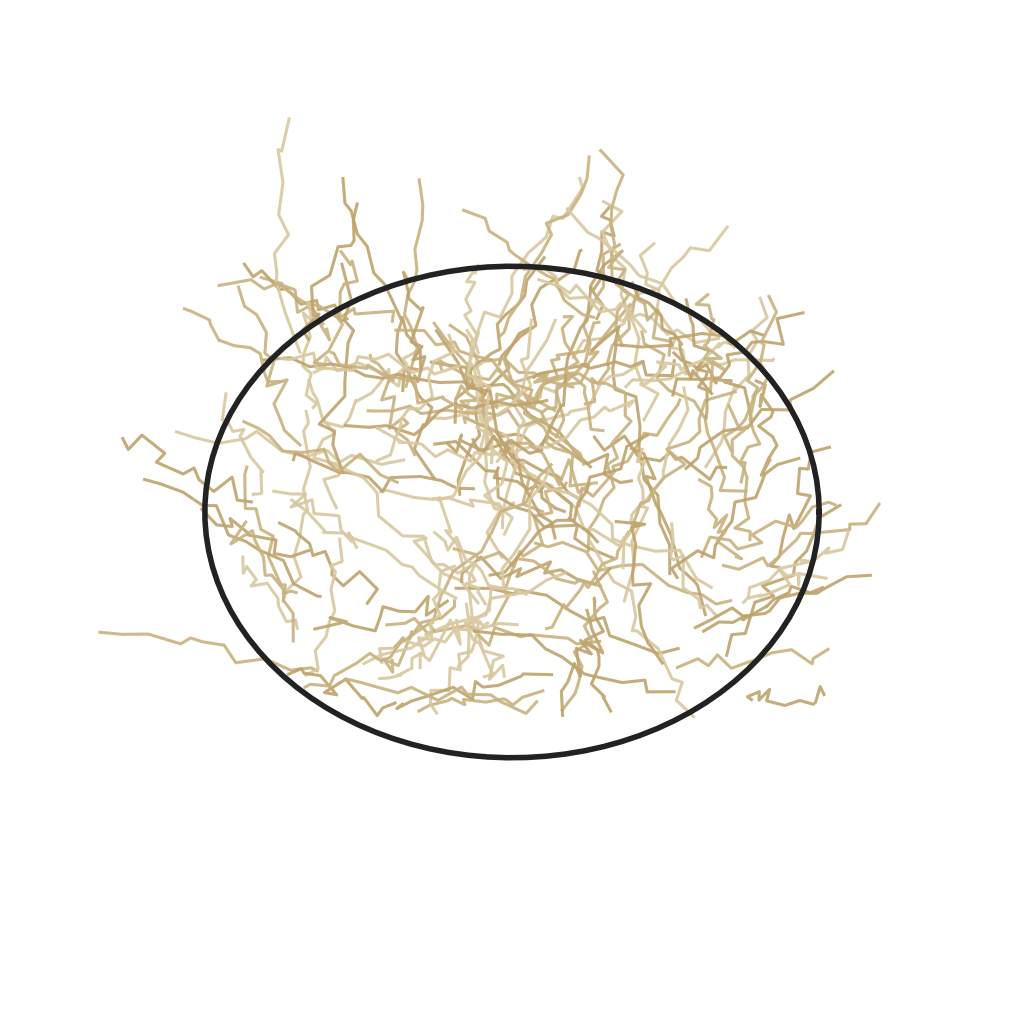 亜麻の短繊維500 g
 水20 リットル
必要な工具:
 強力金切りばさみ
 大桶
2
2
Beat to a clear pulp
Beat to a clear pulp
Beat the wet tow for much longer than for ordinary paper, until it forms a semi-transparent paste (Ure). Ure's mills used the beating engine; by hand it takes hours.
必要な工具:
 木槌大桶
3
3
Form the sheets
Form the sheets
Dilute the pulp in the vat and form thin, even sheets on the mould, couching them onto felts as for rag paper.
必要な工具:
 紙すきの簀と桁
 ウールフェルトシート大桶
4
4
Press and dry with care
Press and dry with care
Press the stack, then dry each sheet in the press between sheets of blotting paper, changing them several times so the thin sheets do not crease, as Ure describes for bank-note paper of the same stuff.
必要な工具:
 平らな木の圧締板(一対)
 吸取紙
 紙プレス(書籍プレス式)
この設計図で作るもの
関連ブループリント
これらのブループリントは知識を共有しています — 技術、材料、原理
CC0 パブリックドメイン
このブループリントはCC0で公開されています。許可を求めずに、自由にコピー、修正、配布、あらゆる目的で使用できます。
メイカーを応援するには、ブループリント経由で製品を購入してください。メイカーには メイカーコミッション がベンダーにより設定されています。または、このブループリントの新しいイテレーションを作成し、自分のブループリントにコネクションとして含めて収益を共有できます。