アート
美容とウェルネス
工芸
文化と歴史
エンターテインメント
環境
食品と飲料
リバースエンジニアリング
科学
スポーツ
テクノロジー
ウェアラブル
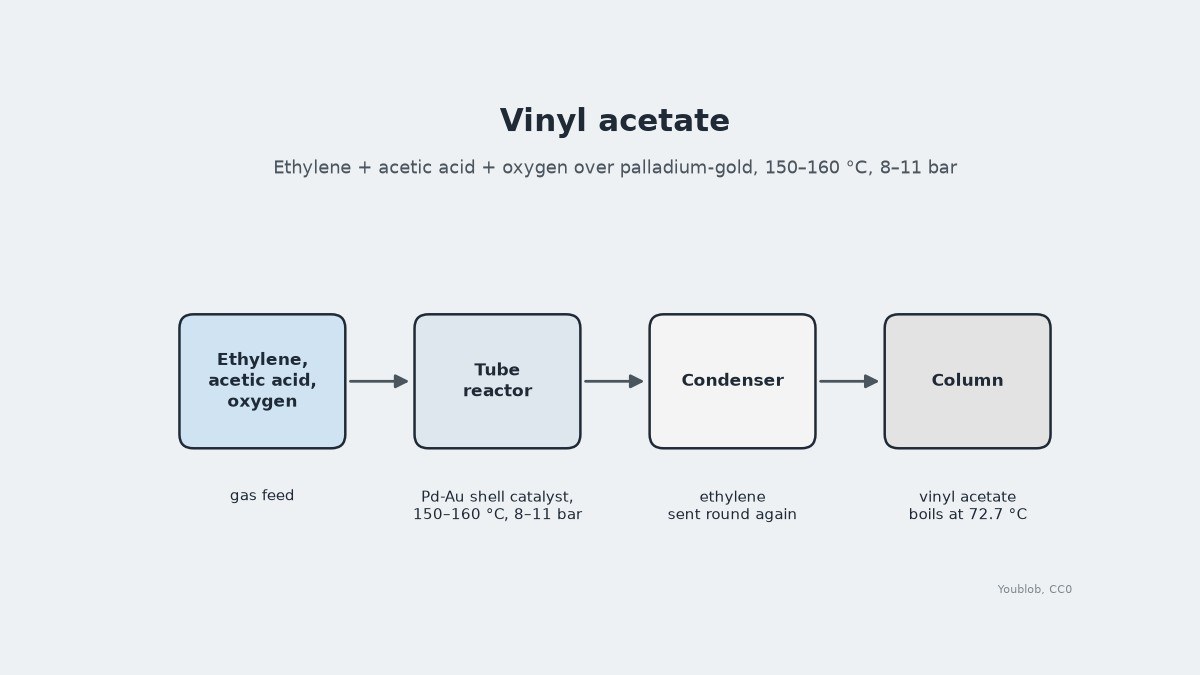


Vinyl Acetate from Ethylene and Acetic Acid over Palladium-Gold
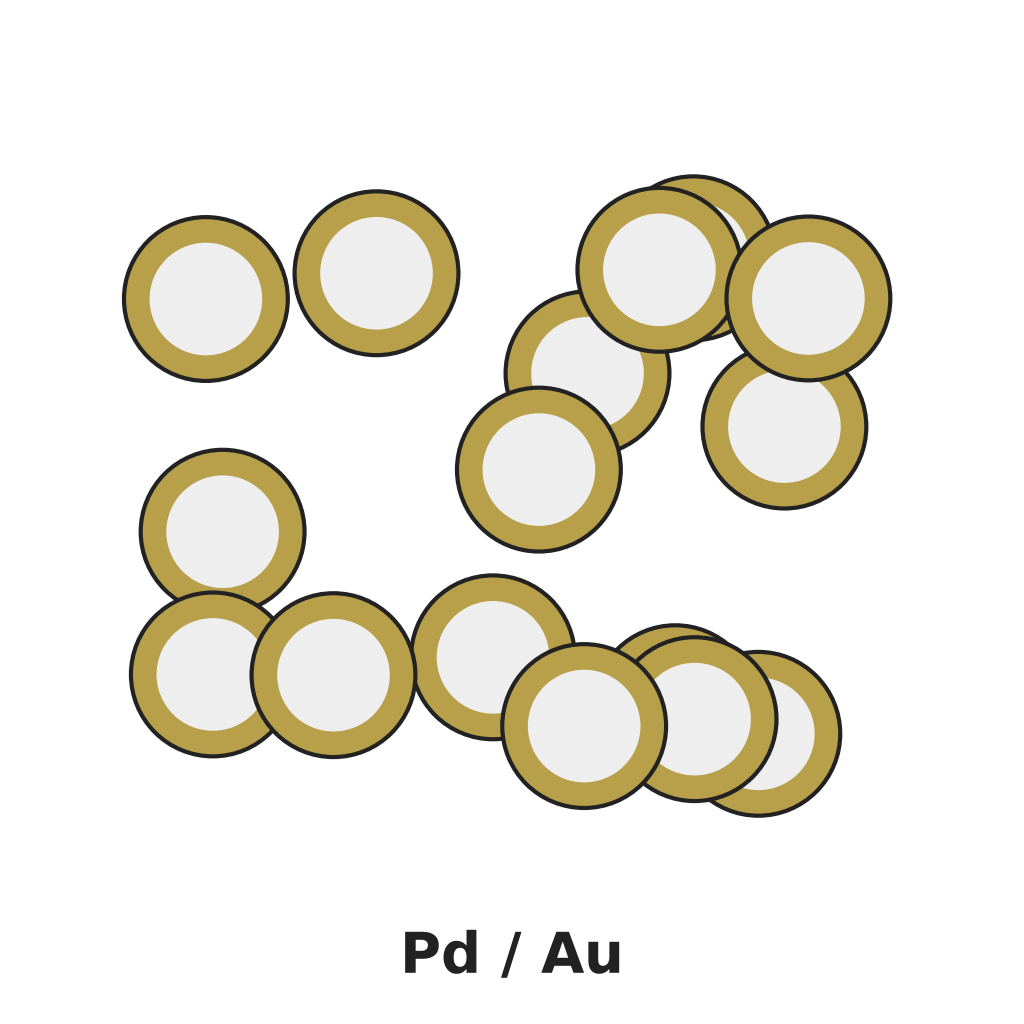
Vinyl acetate, the monomer for PVA wood glue, is made by oxidising ethylene and acetic acid together with oxygen in the gas phase, over a palladium-gold shell catalyst in steam-heated tube reactors at 150–160 °C and 8–11 bar. About 92 % goes to vinyl acetate; the rest burns. A few ppm of hydroquinone keeps it from forming explosive peroxides in air.
The picture: our diagram of reactor, condenser and column.
上級者
Continuous
手順
1
1
Oxidise over palladium-gold
Oxidise over palladium-gold
Feed ethylene, acetic acid vapour and oxygen through steam-heated tubes packed with palladium-gold catalyst at 150–160 °C and 8–11 bar.
このステップの材料:
 エチレン350 kg
 酢酸(氷酢酸)750 kg
 酸素200 kg
必要な工具:
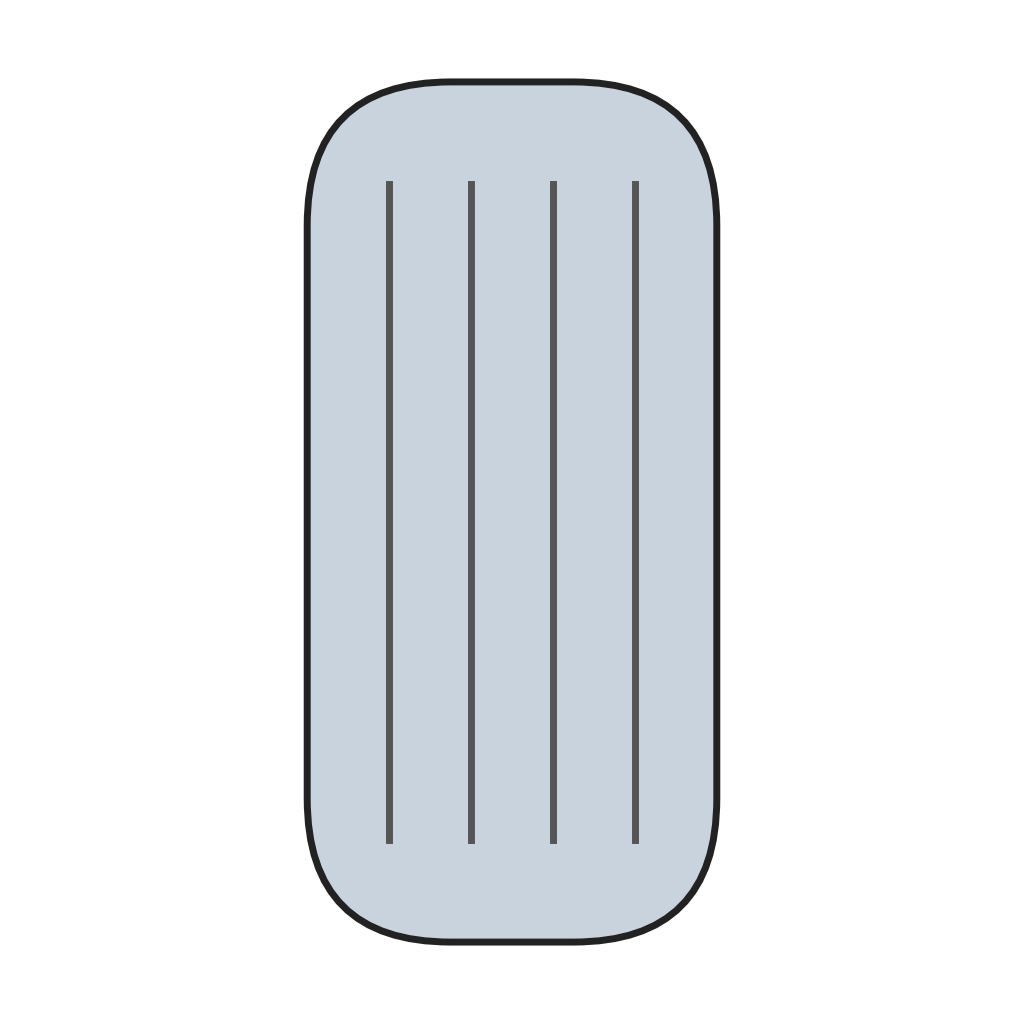 固定床管型反応器
 パラジウム-金触媒
 ガス圧縮機
2
2
Condense the product
Condense the product
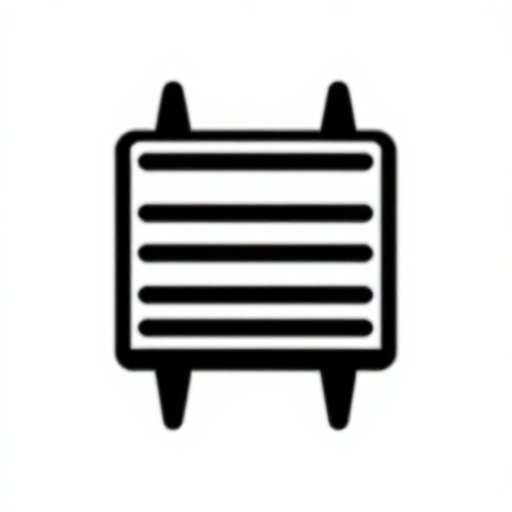
Cool the reactor gas to condense vinyl acetate, water and unreacted acetic acid (our method). Send the unreacted ethylene back to the reactor.
必要な工具:
 凝縮器のコイルガス圧縮機
3
3
Distil
Distil
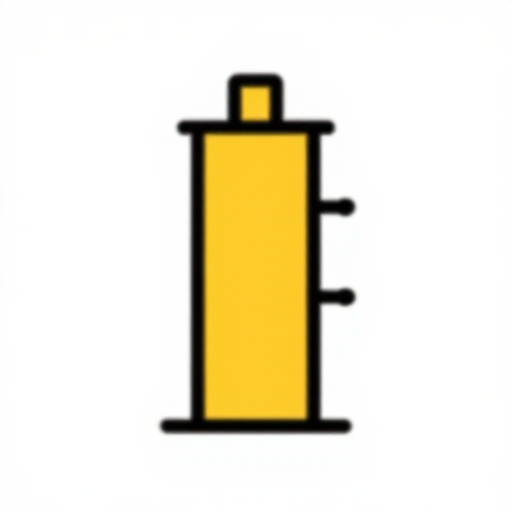
Distil the vinyl acetate (boils at 72.7 °C) off the water and acetic acid (our method), and return the acid to the feed.
必要な工具:
 蒸留塔一式
4
4
Stabilise for storage
Stabilise for storage
Stir in 3–20 ppm hydroquinone; without it vinyl acetate forms explosive peroxides in air. Keep it away from flames: its vapour ignites easily.
このステップの材料:
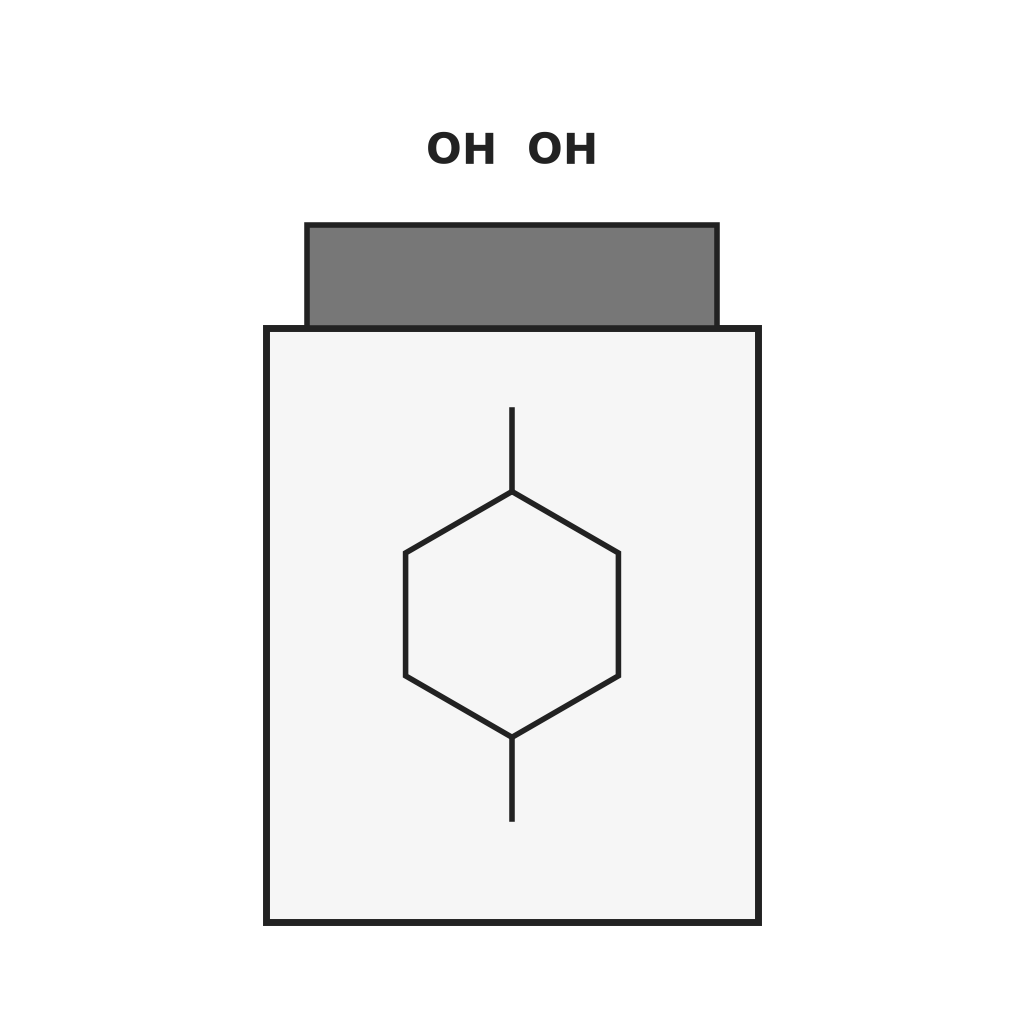 ヒドロキノン10 g
必要な工具:
 デジタルキッチンスケール
5
5
Feed per tonne
Feed per tonne
Jupyter ノートブックを読み込み中…
この設計図で作るもの
関連ブループリント
これらのブループリントは知識を共有しています — 技術、材料、原理
CC0 パブリックドメイン
このブループリントはCC0で公開されています。許可を求めずに、自由にコピー、修正、配布、あらゆる目的で使用できます。
メイカーを応援するには、ブループリント経由で製品を購入してください。メイカーには メイカーコミッション がベンダーにより設定されています。または、このブループリントの新しいイテレーションを作成し、自分のブループリントにコネクションとして含めて収益を共有できます。