アート
美容とウェルネス
工芸
文化と歴史
エンターテインメント
環境
食品と飲料
リバースエンジニアリング
科学
スポーツ
テクノロジー
ウェアラブル
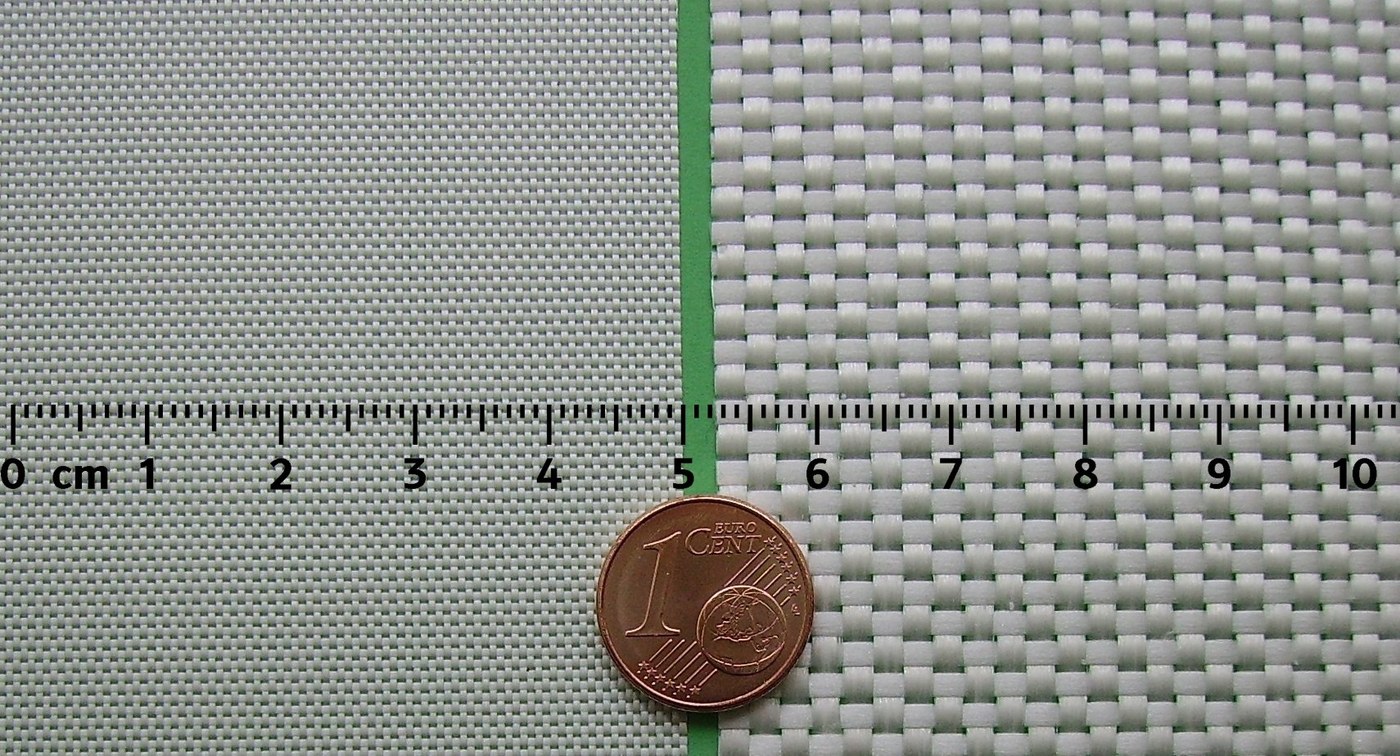


Woven Glass Fibre Cloth, Style 112: Plain Weave of E-glass Yarn
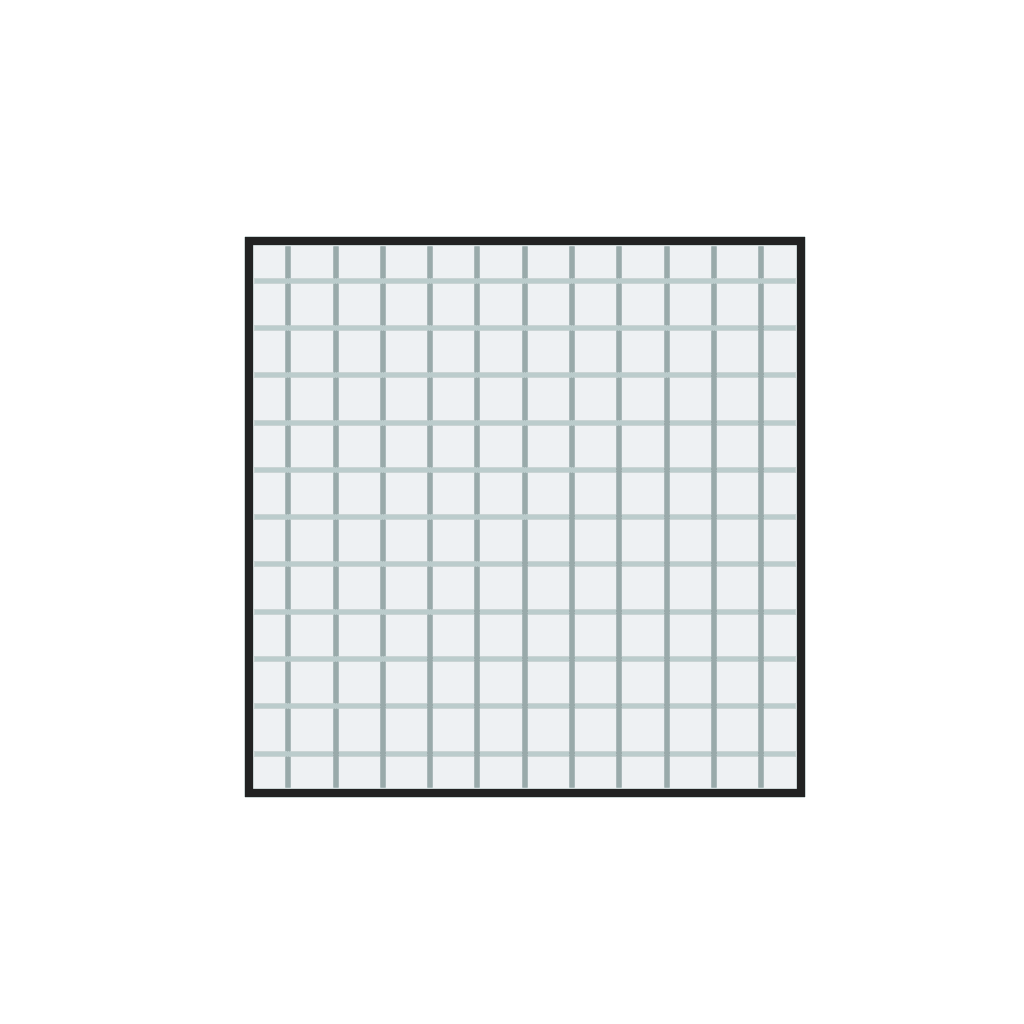
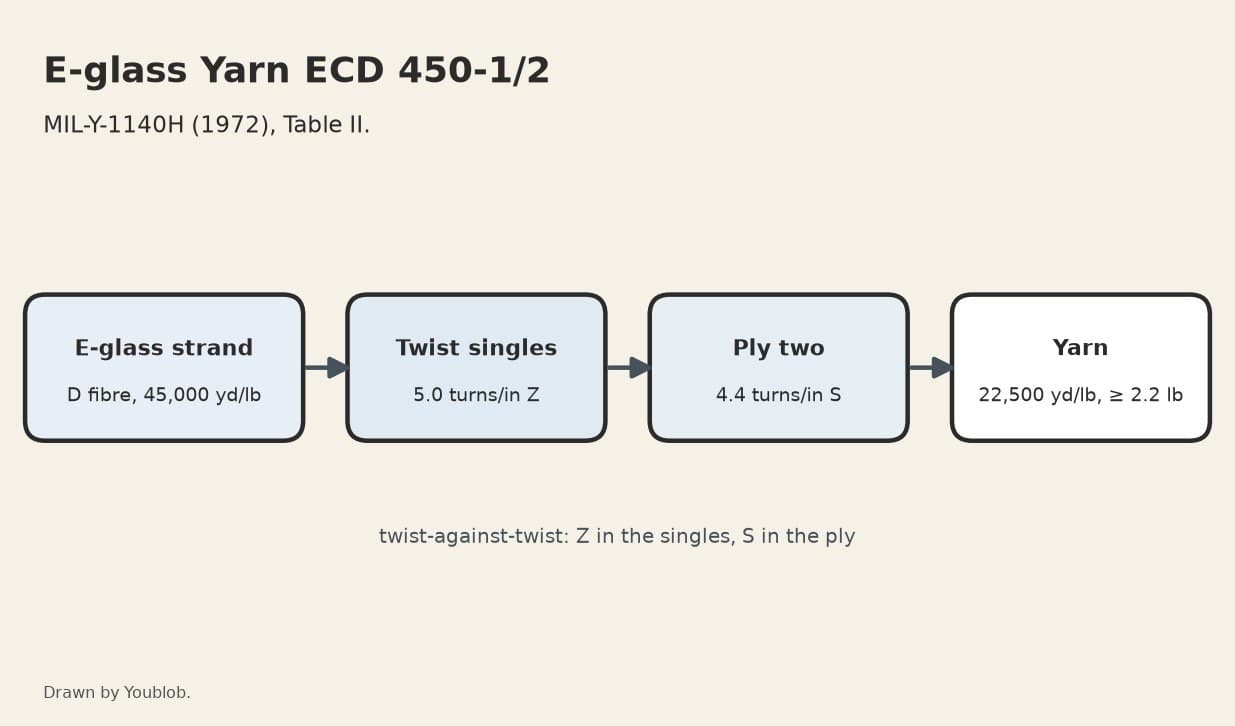
Thin glass cloth is the skeleton of resin laminates. This is Type I (commercial style 112) of the US standard MIL-C-9084C (1970): a plain weave of E-glass yarn ECD 450-1/2 both ways, at least 39 by 38 yarns per inch, 0.0030–0.0050 in thick, 38 in wide. Woven, it is greige cloth; its finish must make it bond to the resin it goes into (epoxy for Class 2).
The picture: two plain-woven glass fabrics, 220 and 550 g/m², heavier than style 112 (Cjp24, Wikimedia Commons, public domain).
中級者
2 days
手順
1
1
Wind the warp
Wind the warp
Warp with yarn ECD 450-1/2, at least 39 ends per inch across a width of 38 in including the selvages (about 1,480 ends; ours, from 39 × 38). Ours: a warping frame and floor loom.
このステップの材料:
 Eガラス糸1 as required
必要な工具:
 整経枠
 踏み機の床機
 ゴム手袋
2
2
Weave plain, 38 picks per inch
Weave plain, 38 picks per inch
Weave plain (over one, under one) with the same yarn as filling, at least 38 picks per inch (15 per cm). Ours: a boat shuttle.
必要な工具:
踏み機の床機 舟形杼
 ボビン巻き器ゴム手袋
3
3
Check and finish the cloth
Check and finish the cloth
The cloth must be 0.0030–0.0050 in (0.08–0.13 mm) thick, weigh 1.94–2.18 oz per square yard (66–74 g/m²) and be 38 in wide (−0.25/+0.50 in). Its finish may be just a cleaning that removes processing oils and binders, if the cloth then bonds well to its resin, or a cleaning followed by, for example, a resin-coupling agent. The standard gives no method; the finished cloth must pass its laminate tests (Class 2 for epoxy).
必要な工具:
 天秤ばかり
この設計図で作るもの
関連ブループリント
これらのブループリントは知識を共有しています — 技術、材料、原理
CC0 パブリックドメイン
このブループリントはCC0で公開されています。許可を求めずに、自由にコピー、修正、配布、あらゆる目的で使用できます。
メイカーを応援するには、ブループリント経由で製品を購入してください。メイカーには メイカーコミッション がベンダーにより設定されています。または、このブループリントの新しいイテレーションを作成し、自分のブループリントにコネクションとして含めて収益を共有できます。