SANAA
UREMBO NA USTAWI
UJANJA
UTAMADUNI NA HISTORIA
BURUDANI
MAZINGIRA
CHAKULA NA VINYWAJI
UHANDISI WA KINYUME
SAYANSI
MICHEZO
TEKNOLOJIA
VAZI
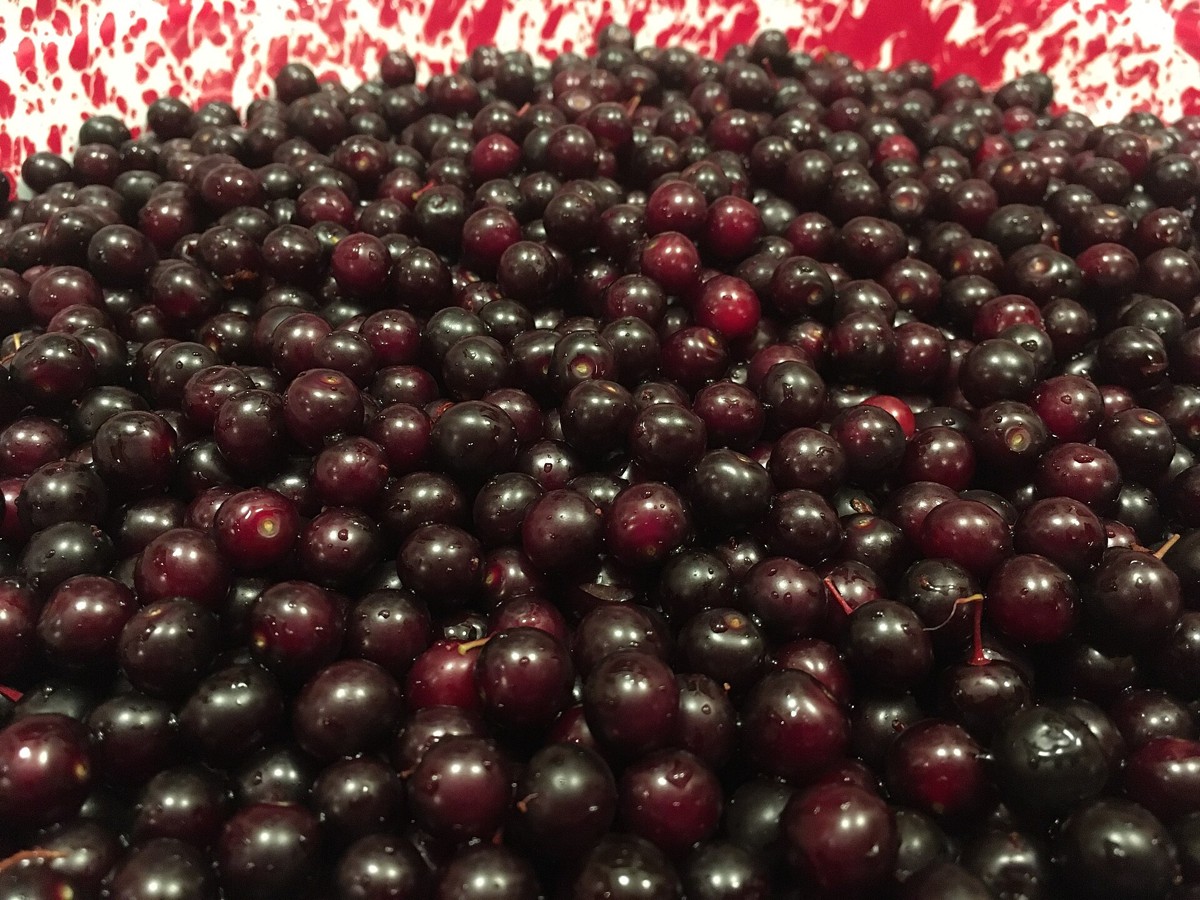


Chokecherry Inner Bark: Peeled in Long Strips While the Sap Runs, Dried and Kept in Packets (Densmore, 1928; Britton & Brown, 1913)
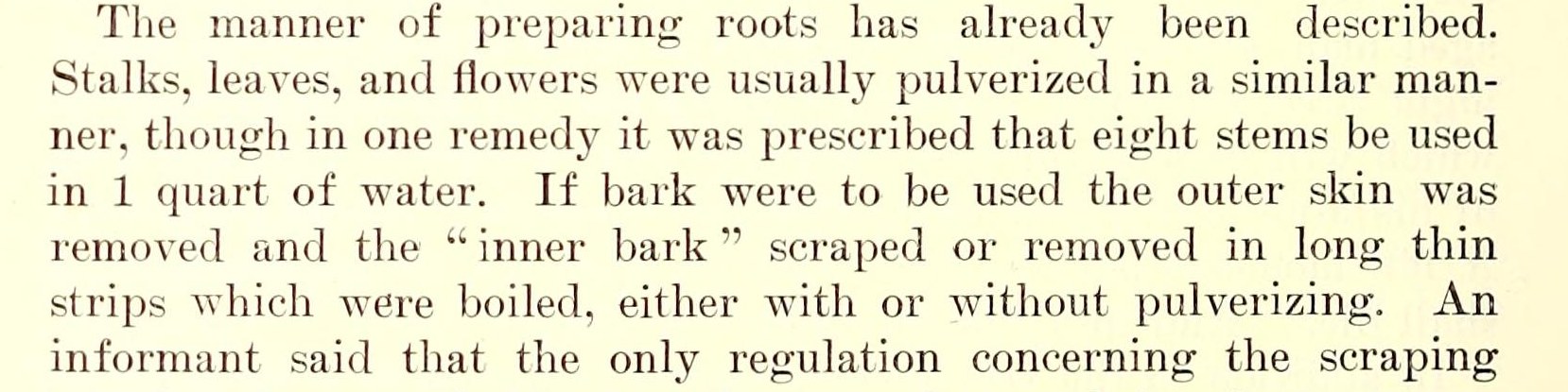
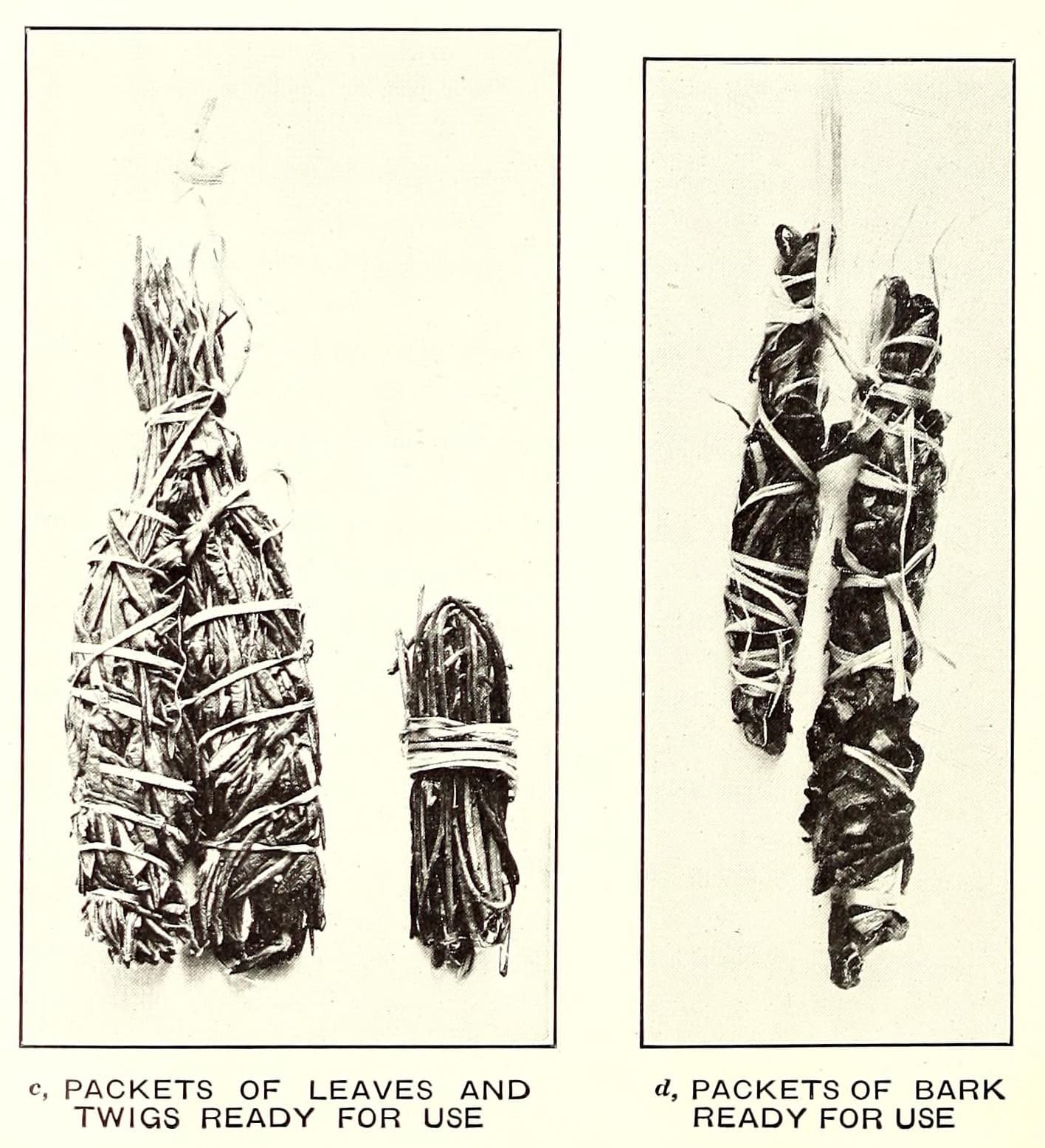
The inner bark of choke cherry (Prunus virginiana) as the Chippewa kept it: gathered while the sap is in the tree, the outer skin taken off and the inner bark stripped in long thin strips, dried and tied in packets. Densmore records it in a decoction for cramps, and boiled with Culver's root as a blood-cleansing remedy for sores.
Mwanzo
An hour to peel, a week to dry
Maagizo
1
1
Choke cherry
Choke cherry
Choke cherry, Prunus virginiana (Trees of Wisconsin).
2
2
Know the plant
Know the plant
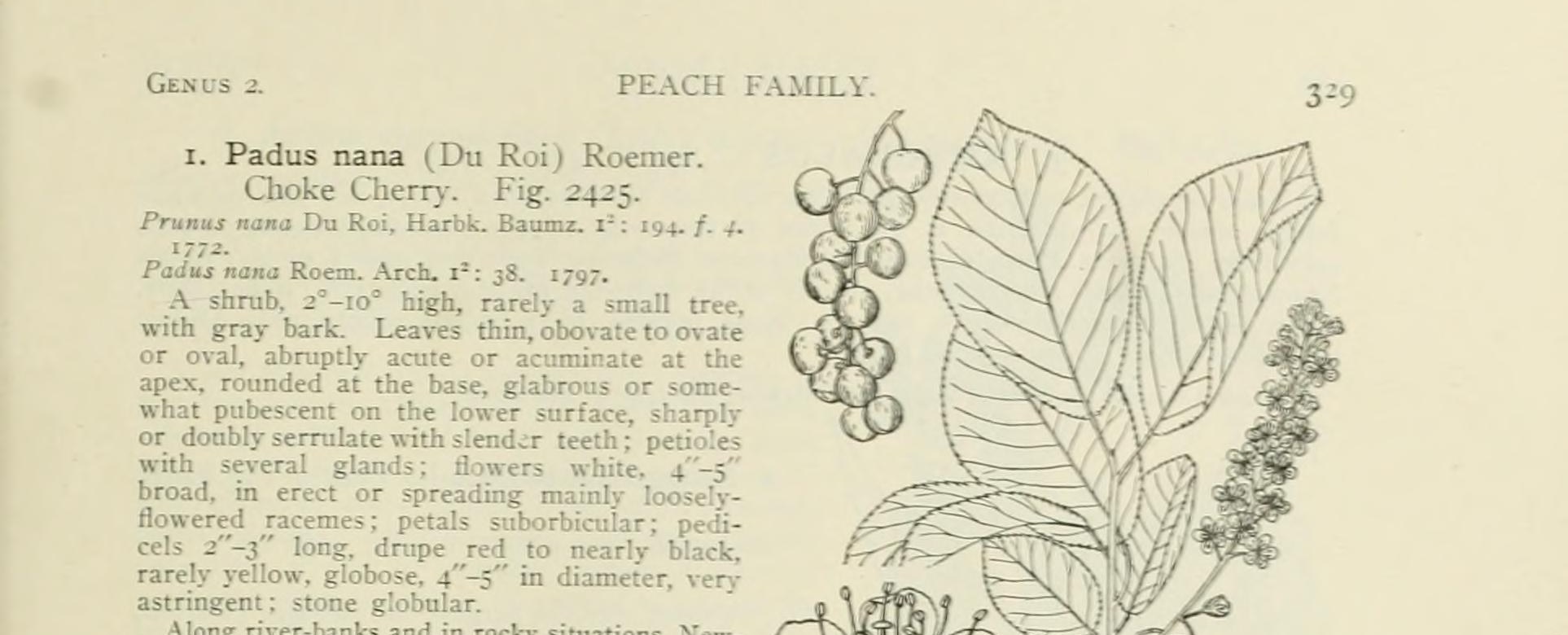
Britton and Brown (1913, vol. II, p. 329) list the choke cherry as Padus nana (they use the name Prunus virginiana for the black cherry; Densmore and most books today use it for the choke cherry): a shrub 2 to 10 feet, rarely a small tree, with gray bark; thin, sharply toothed leaves; white flowers in loose racemes; fruit red to nearly black, "very astringent"; along river banks and in rocky places, April-May, fruit July-August.
3
3
What the bark is for
What the bark is for
Densmore (1928, pp. 354-355), for sores: Culver's root with choke cherry inner bark, "Decoction made from 4 roots of first, a large handful of bark of second, and 1 pint of water. Dose, 1 swallow taken before breakfast and at frequent intervals"; "a mild cathartic intended to cleanse the blood." On pp. 344-345 the inner bark is also listed in a decoction for cramps.

4
4
Gather while the sap runs
Gather while the sap runs
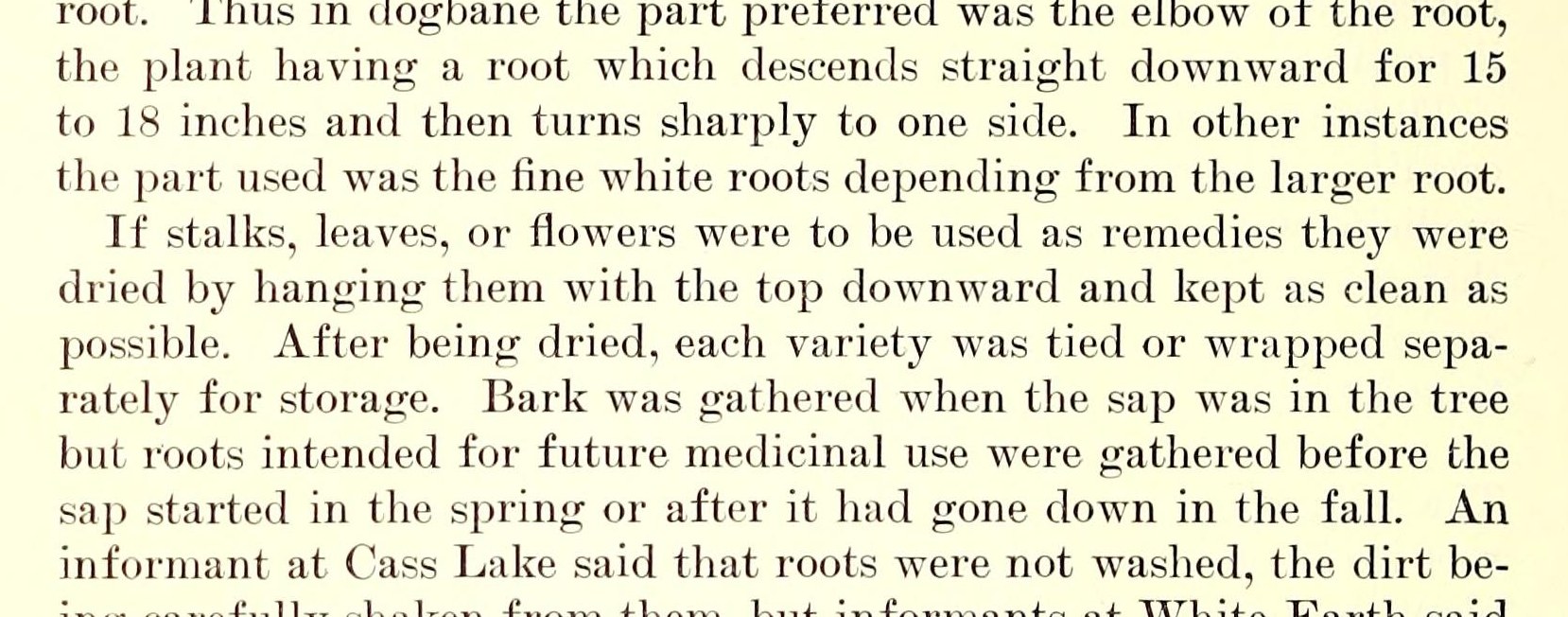
Densmore (p. 326): "Bark was gathered when the sap was in the tree". Cut a branch in late spring or early summer, when the bark slips (ours).
Zana zinazohitajika:
 Kisu
 Ndoo
5
5
Peel the inner bark
Peel the inner bark
Densmore (p. 328): "the outer skin was removed and the 'inner bark' scraped or removed in long thin strips". Ours: take the bark from a cut branch, never ring the trunk.
Zana zinazohitajika:
Kisu6
6
Dry the strips
Dry the strips
Spread the strips on a drying screen in an airy, shaded place (ours) and turn them until they snap.
Zana zinazohitajika:
 Kifremu cha kukaushia
7
7
Tie in packets and bag
Tie in packets and bag
After drying, tie each kind separately in packets and keep them in a bag, as Densmore records (p. 326).
Zana zinazohitajika:
 Kamba ya Pamba
 Mfuko wa kitani
8
8
Troubleshooting
Troubleshooting
Problems and fixes.
Flow
Loading...
9
9
Sources and honest limits
Sources and honest limits
Frances Densmore, Uses of Plants by the Chippewa Indians (1928), pp. 326, 328, 344-345 and 354-355; N. L. Britton and A. Brown, An Illustrated Flora of the Northern United States, vol. II (1913), p. 329. The knife, drying screen, twine and mortar are ours. Be sure of the plant before cutting, and take only where it is plentiful and allowed. The cover shows choke cherries (Matt Lavin, CC BY-SA 2.0, Wikimedia Commons). Not made by us yet.
Vifaa vya Michoro Iliyounganishwa
Mchoro huu unatengeneza

CC0 Umma Wote
Mchoro huu umetolewa chini ya CC0. Uko huru kunakili, kubadilisha, kusambaza, na kutumia kazi hii kwa madhumuni yoyote, bila kuomba ruhusa.
Saidia Mtengenezaji kwa kununua bidhaa kupitia Mchoro wao ambapo wanapata Kamisheni ya Mtengenezaji iliyowekwa na Wachuuzi, au unda marudio mapya ya Mchoro huu na uiunganishe kama kiungo katika Mchoro wako kuchangia mapato.