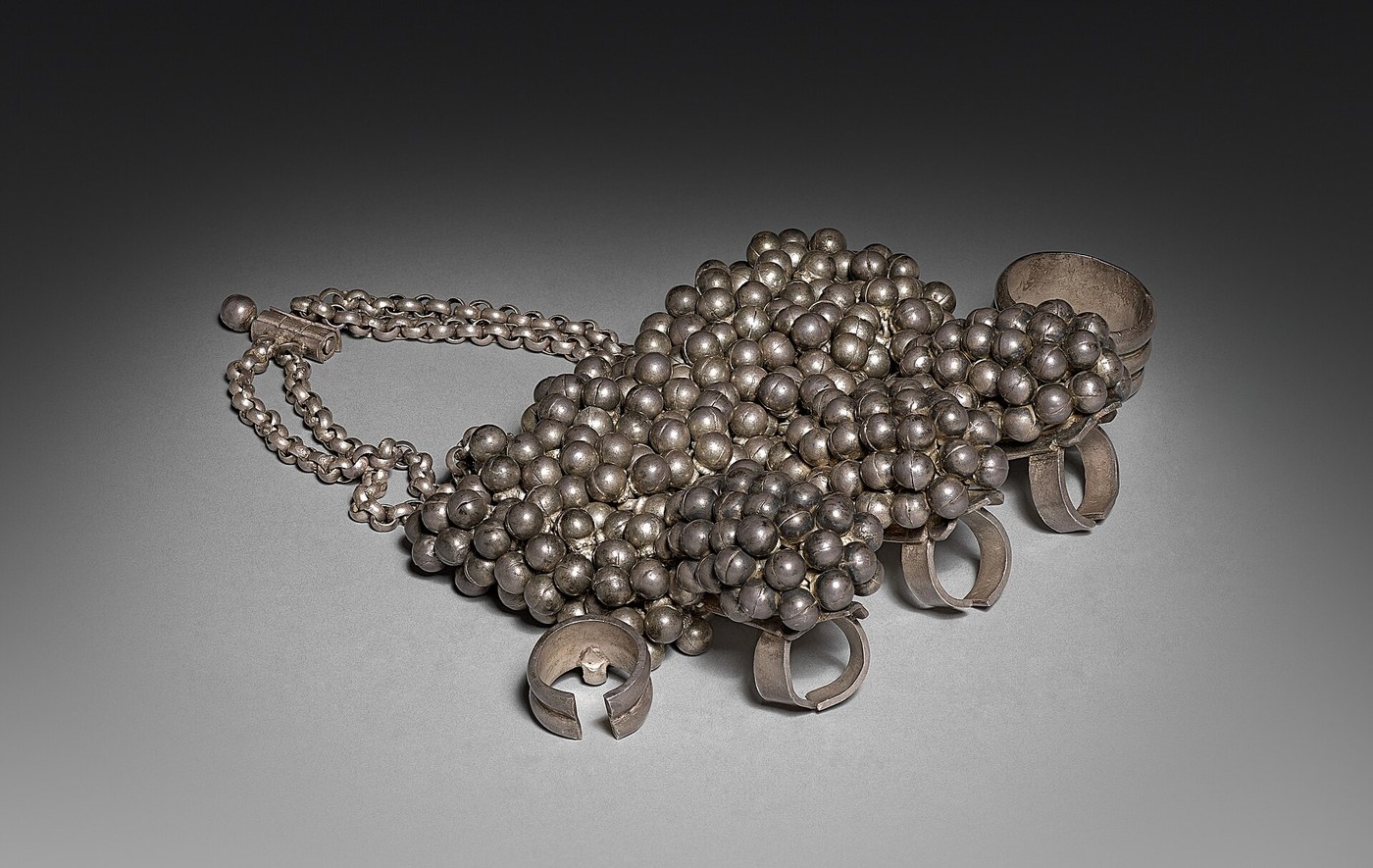


बिछिया
बिछिया चाँदी की ही होती है, सोने की नहीं। इसका कारण रिवाज़ है — सोना कमर से ऊपर, चाँदी कमर से नीचे। पैर की उँगली का गहना इसीलिए हमेशा चाँदी का बनता है।
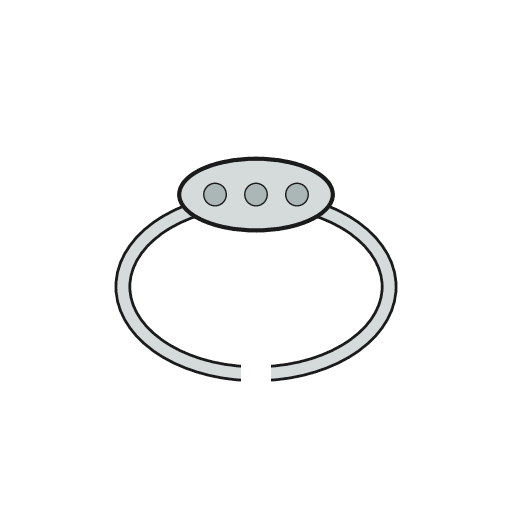
बनाने में सबसे बड़ी बात एक ही है: बिछिया बंद छल्ला नहीं होती। उसमें एक खुलाव रखा जाता है, ताकि पहनने वाली उसे दबाकर अपनी उँगली के नाप पर बैठा सके। यह गहना रोज़ पहना जाता है, उतारा नहीं जाता — इसलिए नाप बदलने की गुंजाइश गहने में ही रखनी पड़ती है।
चाँदी नरम है, पैर की उँगली पतली है, और चलने में गहना लगातार रगड़ खाता है। तीनों बातें मिलकर तय करती हैं कि तार कितना मोटा हो और डिज़ाइन कितना उभरा हुआ।
Maagizo
उँगली का नाप लें
उँगली का नाप लें
पैर की दूसरी उँगली के चारों ओर धागा लपेटकर नाप लें। बिछिया आमतौर पर दूसरी उँगली में पहनी जाती है, अँगूठे में नहीं।
Zana zinazohitajika:
 Rula
Rulaचाँदी का तार लें
चाँदी का तार लें
16 से 18 गेज का चाँदी का तार लें। पतला तार जल्दी मुड़ जाता है, मोटा तार पहनने में चुभता है।
Vifaa kwa hatua hii:
 Waya wa Fedha Safi1 mita
तार को नरम करें
तार को नरम करें
तार को हल्का लाल होने तक गरम करें और ठंडा होने दें। कड़ा तार मोड़ने पर टूटता है; नरम तार साँचे पर सधता है।
Zana zinazohitajika:
 Tochi ya Propani
मंडरेल पर मोड़ें
मंडरेल पर मोड़ें
नाप के मुताबिक़ मंडरेल पर तार को गोल करें। एक ही बार में पूरा गोल करें — बार-बार मोड़ने से तार कमज़ोर होता है।
Zana zinazohitajika:
 Fito ya kuumbia pete za vidole vya mguu (chuma)
सिरे मिलाएँ नहीं — खुलाव छोड़ें
सिरे मिलाएँ नहीं — खुलाव छोड़ें
दोनों सिरों के बीच 3-4 मिमी का खुलाव छोड़ें। यही खुलाव बिछिया को पहनने लायक़ बनाता है — इसी को दबाकर नाप ठीक किया जाता है।
सिरों को गोल घिसें
सिरों को गोल घिसें
दोनों सिरों को घिसकर गोल कर दें। तेज़ सिरा बग़ल की उँगली में लगता रहेगा और चलने में घाव कर देगा।
Zana zinazohitajika:
 Seti ya tupa ndogo
ऊपर का हिस्सा चपटा करें
ऊपर का हिस्सा चपटा करें
छल्ले के ऊपरी हिस्से को हथौड़े से हल्का चपटा करें। इससे डिज़ाइन के लिए जगह बनती है और गहना उँगली पर घूमता नहीं।
डिज़ाइन उथला रखें
डिज़ाइन उथला रखें
ऊपरी सतह पर बारीक लकीरें या दाने बनाएँ, पर उभार कम रखें। ऊँचा उभार ज़मीन से रगड़ खाकर कुछ महीनों में घिस जाता है।
अंदर की सतह चिकनी करें
अंदर की सतह चिकनी करें
भीतर की तरफ़ अच्छी तरह घिसें। यही हिस्सा दिन-भर त्वचा से लगा रहता है, और यहीं की खुरदराहट सबसे पहले तकलीफ़ देती है।
Zana zinazohitajika:
 Sandarusi (karatasi ya kusugua)
जोड़ी बनाएँ
जोड़ी बनाएँ
दूसरी बिछिया भी उसी नाप और डिज़ाइन की बनाएँ। बिछिया जोड़े में पहनी जाती है — दोनों पैरों में।
पहनकर देखें
पहनकर देखें
पहनाकर थोड़ा चलवाएँ। ढीली हो तो खुलाव हल्का दबाएँ, कसी हो तो थोड़ा खोलें। नाप चलने में तय होता है, बैठे-बैठे नहीं।
चमकाएँ
चमकाएँ
बारीक कपड़े से घिसकर चमक लाएँ। चाँदी पर समय के साथ जो हल्की कालिमा आती है, उसे कई लोग जान-बूझकर रहने देते हैं — उससे डिज़ाइन उभरकर दिखता है।
इतिहास और संदर्भ
इतिहास और संदर्भ
चाँदी ही क्यों। भारत के बड़े हिस्से में यह चलन रहा है कि सोना कमर से ऊपर पहना जाता है और चाँदी कमर से नीचे। इसीलिए पायल, बिछिया और पैर के दूसरे गहने चाँदी के होते हैं। यह नियम हर जगह एक-सा नहीं है — क्षेत्र और समुदाय के हिसाब से बदलता है — पर उत्तर भारत में यह आम है।
पहनने का अर्थ। कई समुदायों में बिछिया विवाहित स्त्री का चिह्न मानी जाती है और जोड़े में पहनी जाती है। यह रिवाज़ है, नियम नहीं, और इसका पालन हर जगह एक जैसा नहीं होता। इसे तथ्य की तरह दर्ज करना ठीक है; इसे सबके लिए अनिवार्य बताना ठीक नहीं।
खुला छल्ला — बनावट की मजबूरी नहीं, समझदारी है। यह गहना रोज़ पहना जाता है और अक्सर उतारा नहीं जाता। पैर की उँगली का नाप दिन-भर में, और सालों में, बदलता है। खुला सिरा पहनने वाली को ख़ुद नाप ठीक करने देता है — बिना सुनार के पास गए। बंद छल्ला ज़्यादा मज़बूत होता, पर बेकार होता।
घिसाव का हिसाब। पैर का गहना ज़मीन से, चप्पल से और दूसरी उँगली से लगातार रगड़ खाता है। इसीलिए बिछिया का डिज़ाइन चपटा और उथला रखा जाता है, जबकि हाथ की अँगूठी में ऊँचा नग लगाया जा सकता है। एक ही धातु, एक ही कारीगर — पर जगह बदलते ही डिज़ाइन के नियम बदल जाते हैं।
Vifaa
1- 1 mitaKishikilia Nafasi
Zana Zinazohitajika
5- Kishikilia Nafasi
- Kishikilia Nafasi
- Kishikilia Nafasi
- Kishikilia Nafasi
- Kishikilia Nafasi
Mchoro huu unatengeneza
Blueprint zinazohusiana
Blueprint hizi zinashiriki maarifa — mbinu, vifaa au kanuni
CC0 Umma Wote
Mchoro huu umetolewa chini ya CC0. Uko huru kunakili, kubadilisha, kusambaza, na kutumia kazi hii kwa madhumuni yoyote, bila kuomba ruhusa.
Saidia Mtengenezaji kwa kununua bidhaa kupitia Mchoro wao ambapo wanapata Kamisheni ya Mtengenezaji iliyowekwa na Wachuuzi, au unda marudio mapya ya Mchoro huu na uiunganishe kama kiungo katika Mchoro wako kuchangia mapato.