Ushirikiano
SANAA
UREMBO NA USTAWI
UJANJA
UTAMADUNI NA HISTORIA
BURUDANI
MAZINGIRA
CHAKULA NA VINYWAJI
UHANDISI WA KINYUME
SAYANSI
MICHEZO
TEKNOLOJIA
VAZI
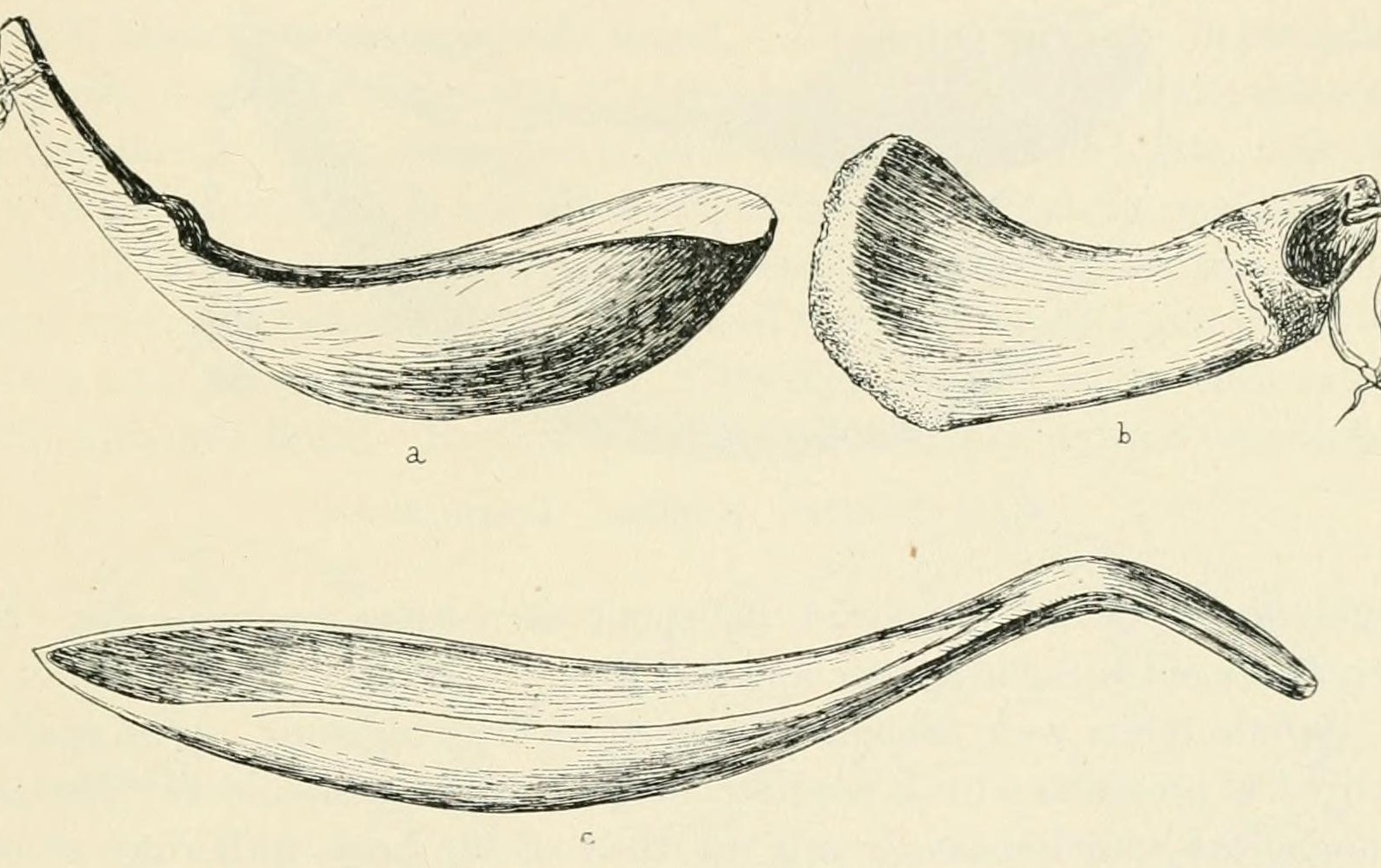


Blackfoot Horn Spoon: Horn Scorched, Trimmed, Boiled Soft, Bowl Pressed over a Stone in the Ground, Tip Bent for a Handle (Wissler, 1910)
The Blackfoot (Niitsitapi) horn spoon as Clark Wissler recorded it: a buffalo or cow horn scorched in the fire to fry out the glue, trimmed with a knife, boiled soft, its bowl pressed out over a shaped stone held in a hole in the ground, and the tip bent into a handle and weighted down with stones until it dries.
Mwanzo
An afternoon, then days to dry
Maagizo
1
1
Read Wissler
Read Wissler
"The process of shaping horn spoons was simple."
2
2
Scorch and trim
Scorch and trim
Scorch the horn in the fire until the gluey matter fries out, then trim it to shape with a knife: split the wide base for a long slender bowl (his Fig. 3c), leaving the tip for the handle. Ours: a saw for the split.
Vifaa kwa hatua hii:
 Pembe ya ng'ombe1 kipande
Zana zinazohitajika:
 Shimo la moto
 Kisu
 Msumeno wa chuma
3
3
Boil soft
Boil soft
Boil the horn in water until it is soft.
Vifaa kwa hatua hii:
 Maji1 kipande
Zana zinazohitajika:
 Birika la ChumaShimo la moto
4
4
Press the bowl and bend the handle
Press the bowl and bend the handle
Dig a hole in the ground to hold a stone of the right shape. Force the soft bowl part over the stone so the hole's sides hold it in place. Bend the handle as you want it and weigh it down with stones.
Zana zinazohitajika:
 Jiwe la kugongea
 Sepetu
5
5
Dry and finish
Dry and finish
Leave it until thoroughly dry, then take it out: the spoon is ready. Larger ladles were made the same way from mountain sheep horn, with a hole at one end for a thong.
Vifaa kwa hatua hii:
 Ukanda wa ngozi mbichi1 kipande
Zana zinazohitajika:
 Uma wa kutoboa (ushindilio)
6
6
Troubleshooting
Troubleshooting
Horn spoon troubleshooting.
Flow
Loading...
7
7
History and honest limits
History and honest limits
From Clark Wissler, *Material Culture of the Blackfoot Indians*, **Anthropological Papers of the American Museum of Natural History** vol. V (1910), pp. 28-30 and Figs. 3-4 (checked on the archive.org scan materialcultureo00wiss). Both men and women made spoons and bowls; by 1910 most horn spoons had gone out of use. Cattle horn standing for buffalo, the saw and timings are ours.
Vifaa
3- 1 kipandeKishikilia Nafasi
- 1 kipandeKishikilia Nafasi
- 1 kipandeKishikilia Nafasi
Zana Zinazohitajika
7- Kishikilia Nafasi
- Kishikilia Nafasi
- Kishikilia Nafasi
- Kishikilia Nafasi
- Kishikilia Nafasi
- Kishikilia Nafasi
- Kishikilia Nafasi
Mchoro huu unatengeneza

Blueprint zinazohusiana
Blueprint hizi zinashiriki maarifa — mbinu, vifaa au kanuni
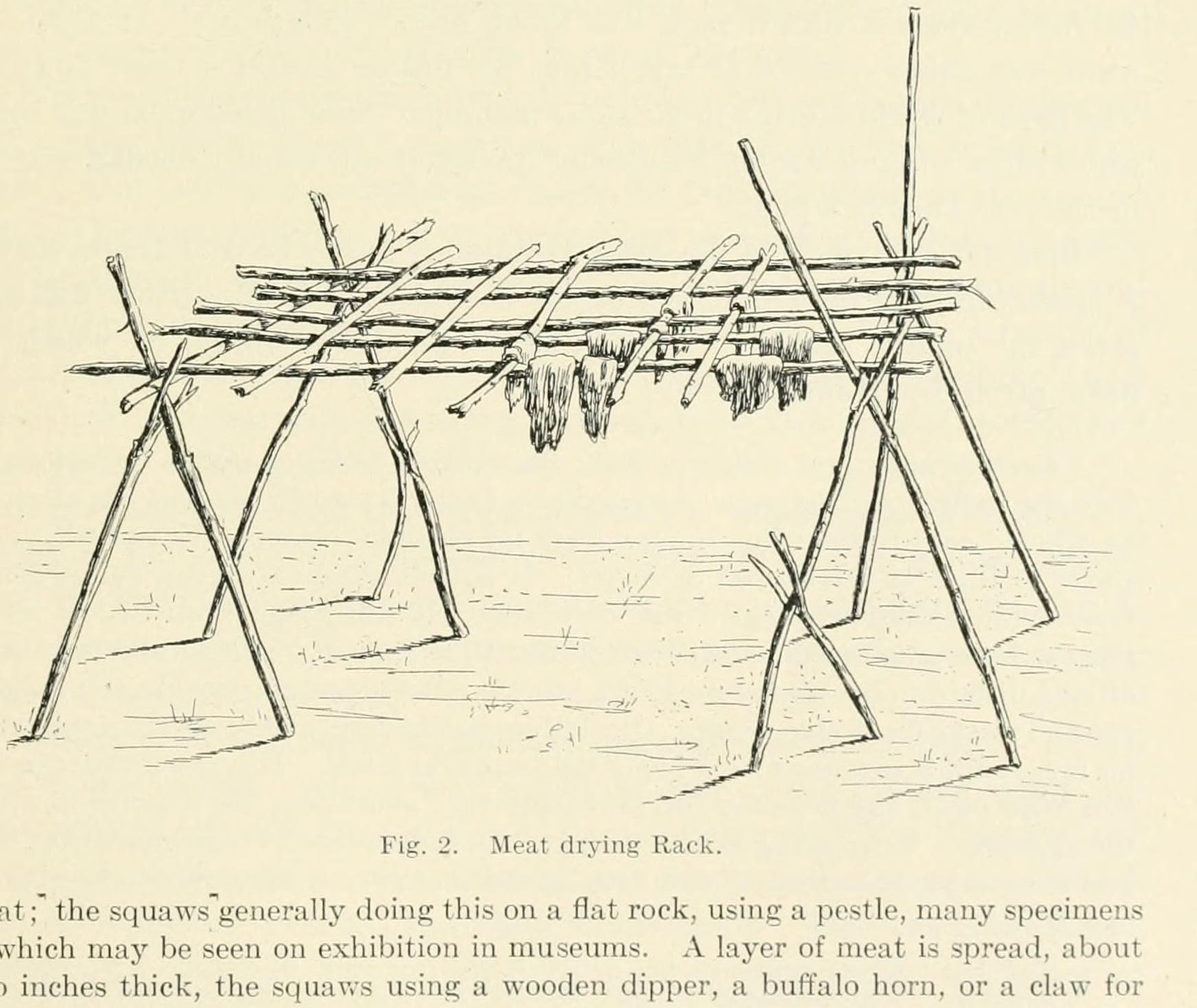
Blackfoot Pemmican: Dried Meat Warmed and Pounded, Marrow and Tallow Melted In, Crushed Chokecherries Worked Through (Wissler, 1910)
na TheChef
CHAKULA NA VINYWAJI
2
0
0
0
0
0
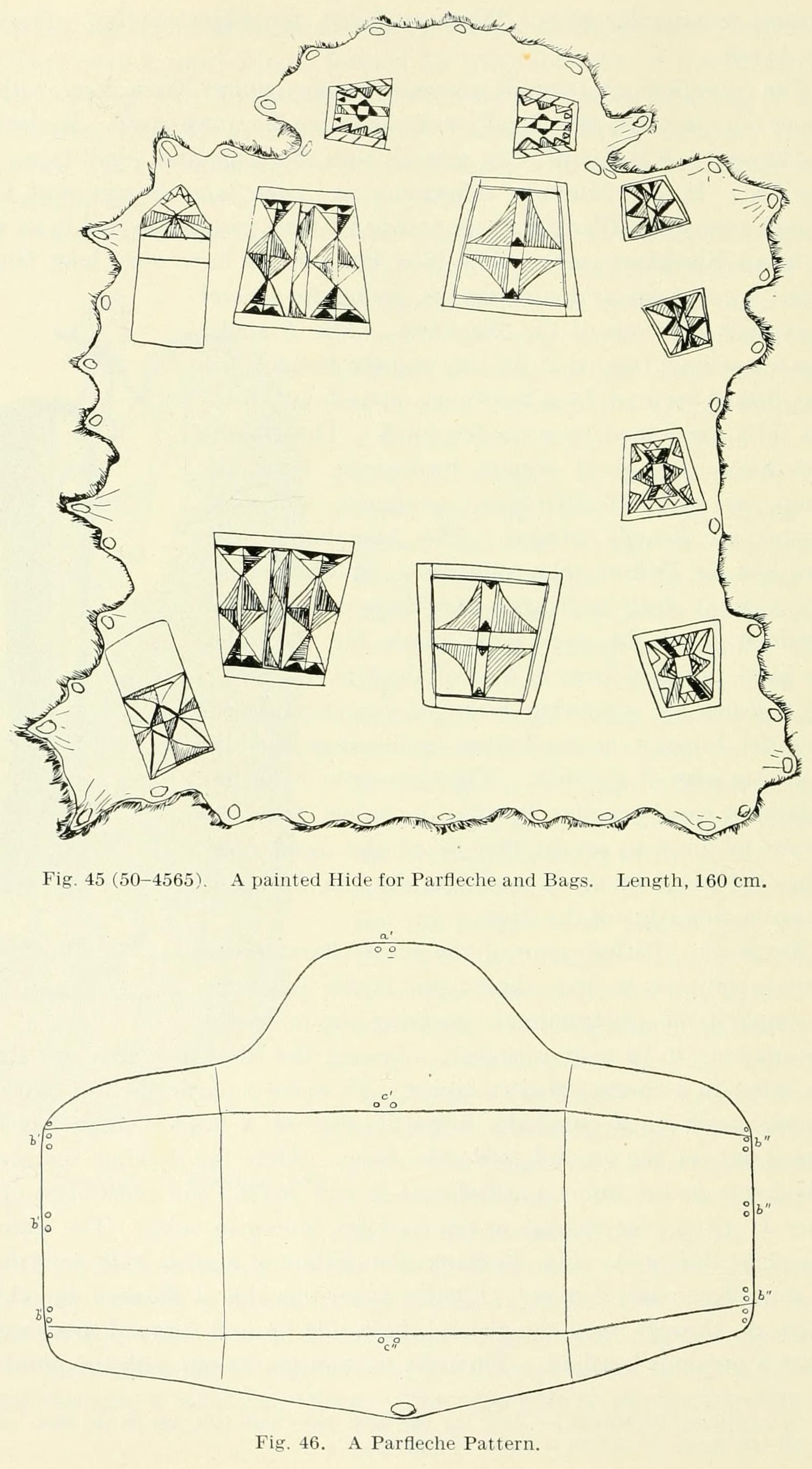
Blackfoot Parfleche: Rawhide Pegged Out, Fleshed, Painted While Staked, Scraped Even, Cut and Folded Like an Envelope (Wissler, 1910)
na Tex
Nguo na Ngozi
2
0
0
0
0
0
CC0 Umma Wote
Mchoro huu umetolewa chini ya CC0. Uko huru kunakili, kubadilisha, kusambaza, na kutumia kazi hii kwa madhumuni yoyote, bila kuomba ruhusa.
Saidia Mtengenezaji kwa kununua bidhaa kupitia Mchoro wao ambapo wanapata Kamisheni ya Mtengenezaji iliyowekwa na Wachuuzi, au unda marudio mapya ya Mchoro huu na uiunganishe kama kiungo katika Mchoro wako kuchangia mapato.