Ushirikiano
SANAA
UREMBO NA USTAWI
UJANJA
UTAMADUNI NA HISTORIA
BURUDANI
MAZINGIRA
CHAKULA NA VINYWAJI
UHANDISI WA KINYUME
SAYANSI
MICHEZO
TEKNOLOJIA
VAZI
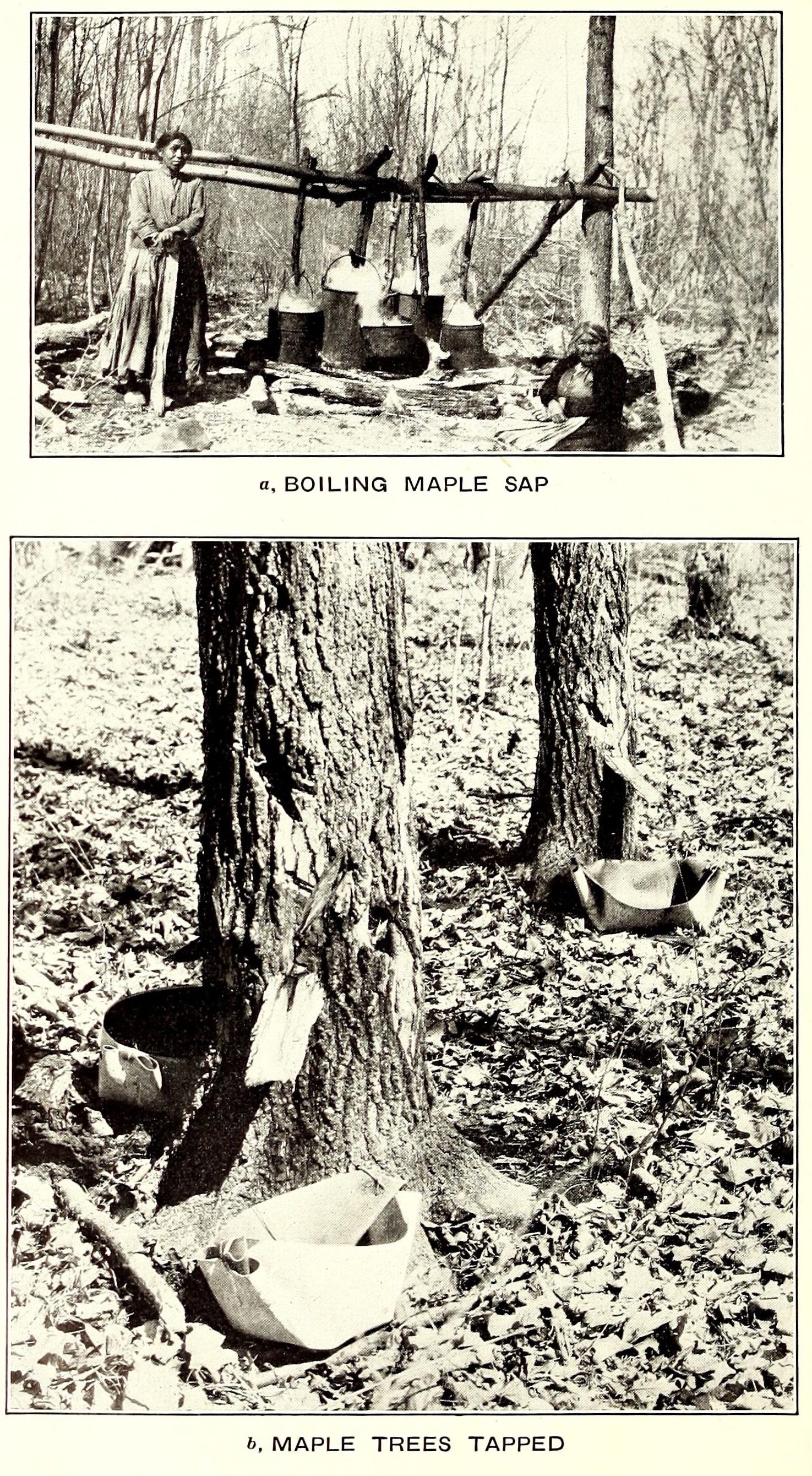


Chippewa Maple Sugar Camp: Spiles Below a Diagonal Cut, Kettles Boiled All Night, Sugar Worked in a Trough (Densmore, 1928)
How the Chippewa (Ojibwe) made the year's sugar, from Frances Densmore's account: maples tapped in mid-March with a diagonal cut and a curved slippery-elm spile, sap caught in birch-bark dishes, boiled all night in kettles and strained by morning, then on a stormy day reboiled with a little deer tallow and worked in a trough with a ladle until it grained.
Kati
A month-long season; a night to boil, a day to sugar off
Maagizo
1
1
Her measures
Her measures
Inapakia daftari la Jupyter…
2
2
Read Densmore
Read Densmore
"The season of sugar making began about the middle of March and lasted about a month." The first run of sap was the best.
3
3
Tap the trees
Tap the trees
About 3 ft (90 cm) up, make a diagonal cut about 3 1/2 in. (9 cm) long with an ax. Below its lower end strip the bark in a straight line down for about 4 in. (10 cm). Below that, cut a slot with the ax and drive in a wooden spile: hers were slippery elm, about 6 in. (15 cm) long and 2 in. (5 cm) wide, curved underneath. How far below depends on the grain and hardness of the wood: too near the cut and the wood may split. Big trees take two or three taps.
Vifaa kwa hatua hii:
 Mrija wa mbao (mfereji wa utomvu)1 kipande
Zana zinazohitajika:
 Shoka
4
4
Gather the sap
Gather the sap
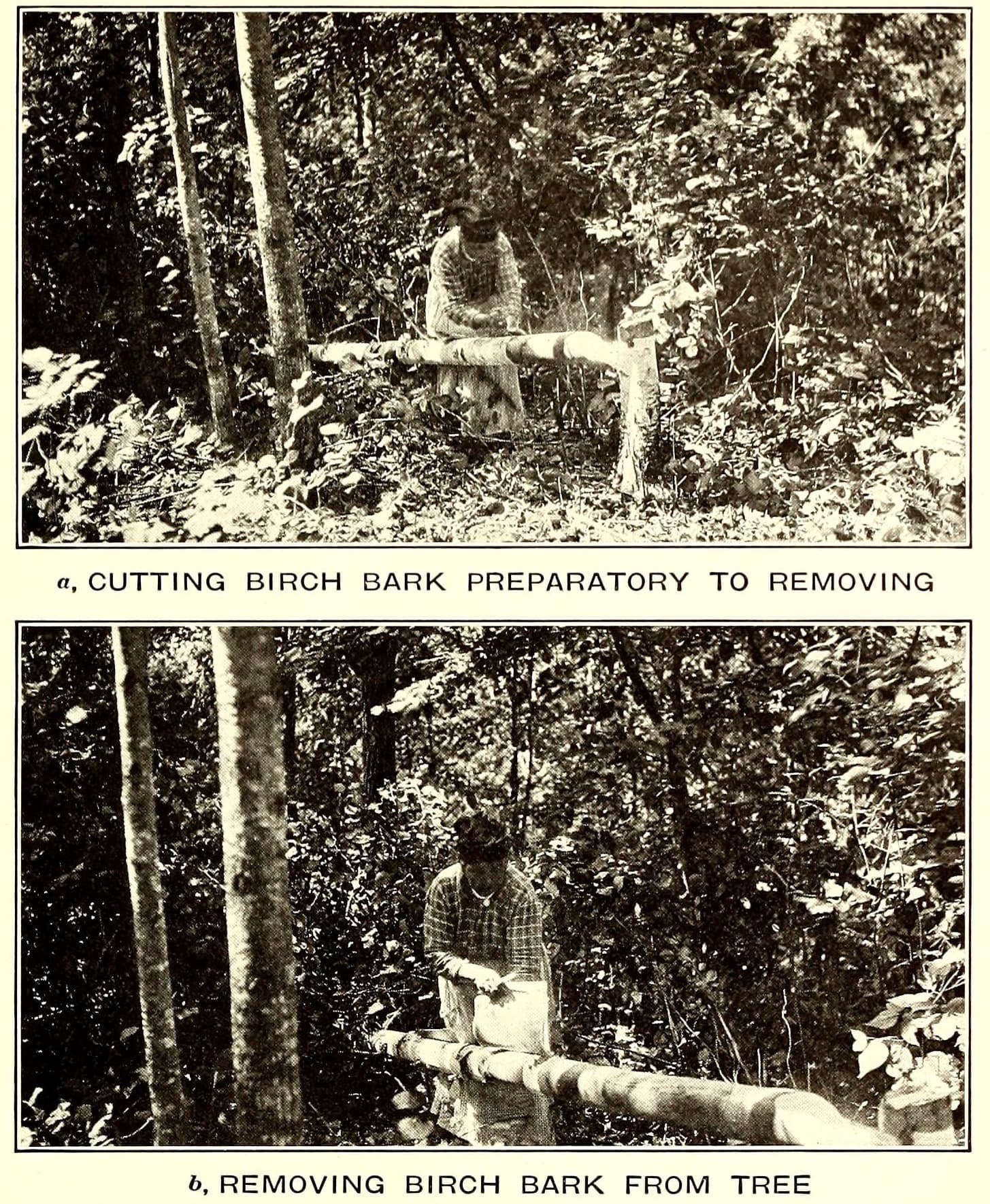
In the early morning set a birch-bark dish (about 12 in., 30 cm long) on the ground or snow under each tap. When the sap stops running in the late afternoon, pour the dishes into bark pails or buckets.
Vifaa kwa hatua hii:
 Utomvu ghafi wa mapulo1 kipande
Zana zinazohitajika:
 Chombo cha Gome la Mbetula
5
5
Boil all night
Boil all night
Heat sap in smaller kettles at the ends of the fire and empty it into the large kettles, only part-filled at first, where the real boiling is done. Keep the fires going all night, taking turns. If a kettle boils up too fast, brush the froth with a spruce branch on a stick and it settles.
Zana zinazohitajika:
 Birika la Chuma
 Shimo la moto
6
6
Strain the syrup
Strain the syrup
By early morning the syrup is slightly thick. Dip it with large wooden spoons and strain it slowly through burlap into a clean kettle (in old days a mat of narrow basswood-bark strips; sometimes a threadbare clean white blanket). This is the syrup.
Zana zinazohitajika:
 Kijiko cha Mbao
 Gunia la kataniBirika la Chuma
7
7
Sugar off
Sugar off
Wait for a stormy day or the end of sap boiling. Scour the kettles with bunches of stiff rushes and wash everything. Heat the syrup slowly; when thick add small pieces of deer tallow to keep the sugar soft, not brittle. Stir with a maple paddle, then pour it quickly into the granulating trough, stir again and work it with the back of a ladle (or by hand) until it grains, fast, before it cools. Pour the warm sugar into makuks.
Vifaa kwa hatua hii:
 Mafuta ya Mnyama (Shahamu)1 kipande
Zana zinazohitajika:
 Mashina kavu ya mateteBirika la ChumaShimo la moto
 Kasia la mbao
 HoriKijiko cha MbaoChombo cha Gome la Mbetula
8
8
Troubleshooting
Troubleshooting
Maple sugar troubleshooting.
Flow
Loading...
9
9
History and honest limits
History and honest limits
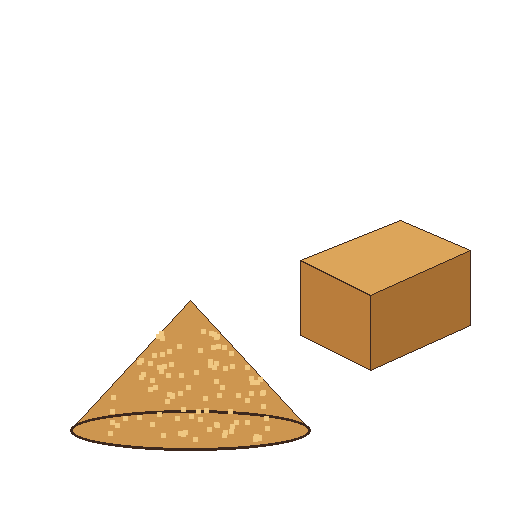
From Frances Densmore, *Uses of Plants by the Chippewa Indians*, **44th Annual Report of the Bureau of American Ethnology** (1928), pp. 308-313, Plates 33-35 (checked on the archive.org scan usesofplantsbych00dens). An average bush had 900 taps; a good worker made 300 a day. Thick syrup was also hardened in birch-bark cones, little dishes and greased wooden molds of animals, men, moon and stars; gum sugar was syrup poured on snow just before it grained. Where maples are few, birch sap was boiled the same way. Metric figures are ours.
Vifaa
3- 1 kipandeKishikilia Nafasi
- 1 kipandeKishikilia Nafasi
- 1 kipandeKishikilia Nafasi
Zana Zinazohitajika
9- Kishikilia Nafasi
- Kishikilia Nafasi
- Kishikilia Nafasi
- Kishikilia Nafasi
- Kishikilia Nafasi
- Kishikilia Nafasi
- Kishikilia Nafasi
- Kishikilia Nafasi
- Kishikilia Nafasi
Mchoro huu unatengeneza

Blueprint zinazohusiana
Blueprint hizi zinashiriki maarifa — mbinu, vifaa au kanuni


CC0 Umma Wote
Mchoro huu umetolewa chini ya CC0. Uko huru kunakili, kubadilisha, kusambaza, na kutumia kazi hii kwa madhumuni yoyote, bila kuomba ruhusa.
Saidia Mtengenezaji kwa kununua bidhaa kupitia Mchoro wao ambapo wanapata Kamisheni ya Mtengenezaji iliyowekwa na Wachuuzi, au unda marudio mapya ya Mchoro huu na uiunganishe kama kiungo katika Mchoro wako kuchangia mapato.