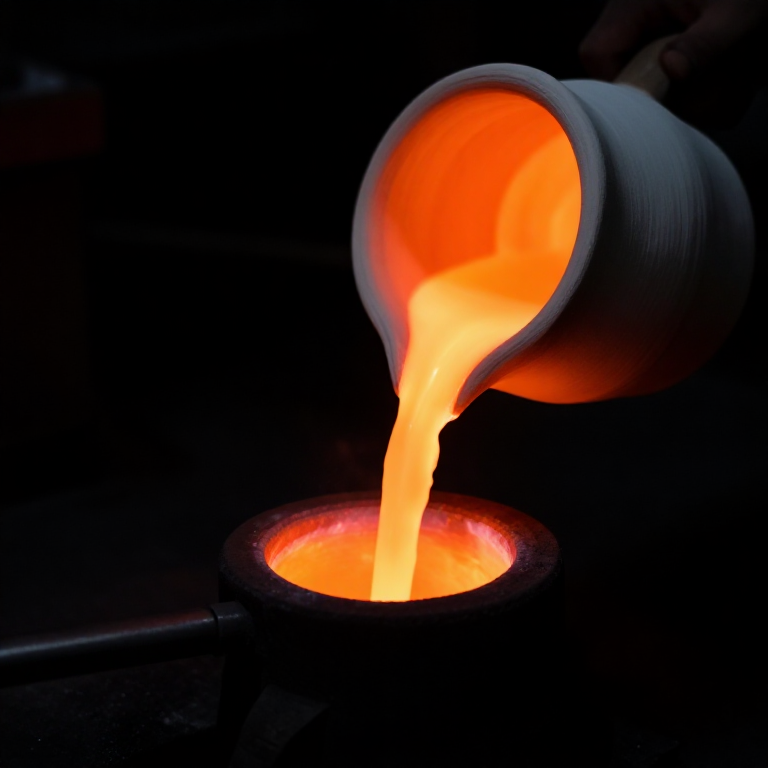


Crucible Cast Steel by the Huntsman Process — Remelting Blister Steel into Flawless Ingots
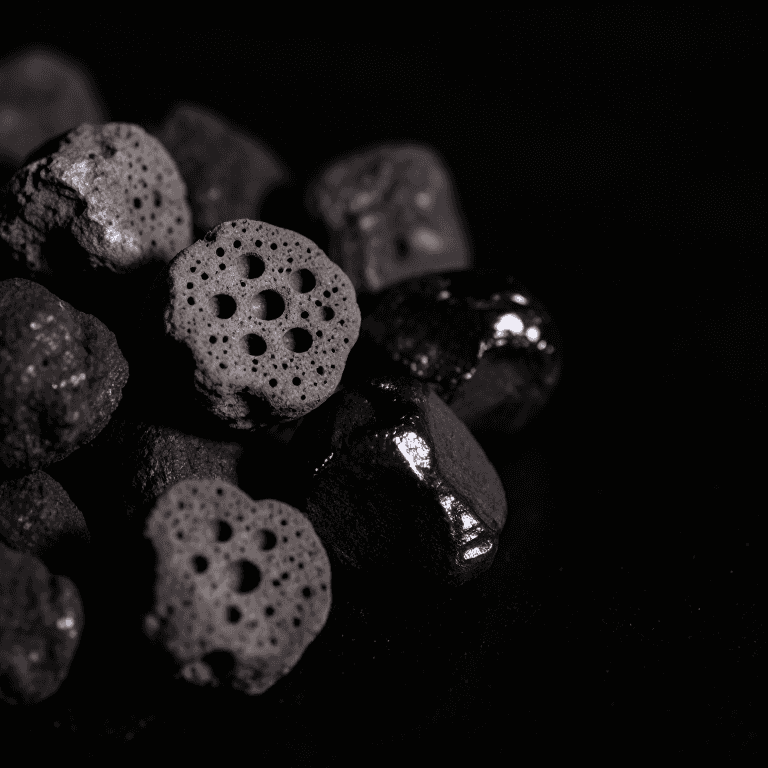
Blister steel was a triumph, but it had a flaw: its carbon was uneven, rich at the surface of each bar and poor in the core. For fine springs, watch parts, and razors, smiths needed steel that was the same all the way through. In 1740 the Sheffield clockmaker Benjamin Huntsman found the answer — melt the steel completely.
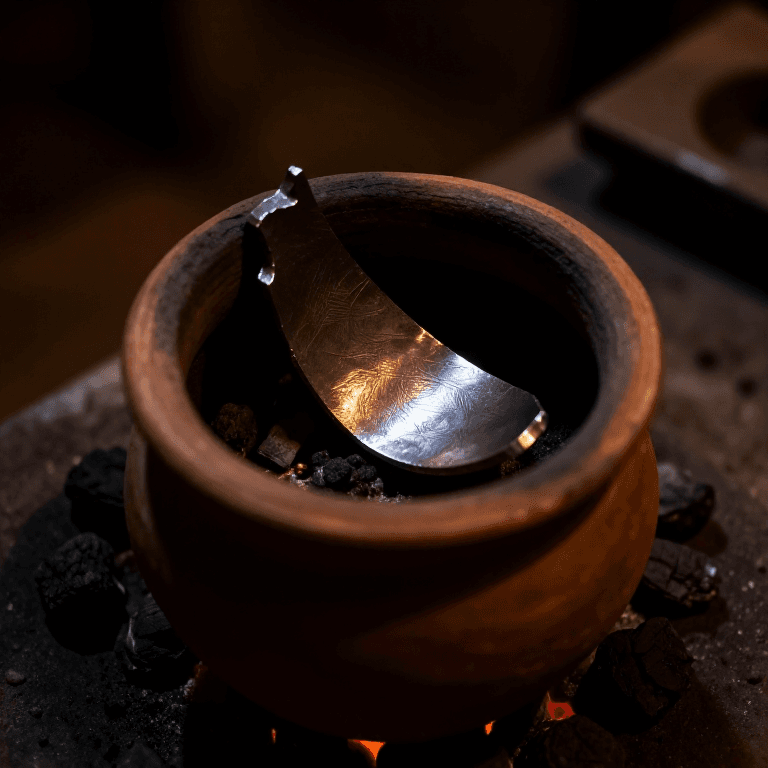
No furnace of the day could melt steel, so Huntsman built one that could. He broke blister steel into small pieces, sealed them in a covered clay crucible, and drove a coke fire hot enough — around 1600 degrees Celsius — to turn the solid steel into a clear liquid. Fully molten, the carbon spread perfectly evenly through the metal and the impurities floated off as slag. Poured into a mould, it set into a flawless ingot of cast steel.
Huntsman's crucible steel was the finest in the world and made Sheffield the steel capital of the age. The principle — melt it to make it uniform — is the same one that still underlies steelmaking today, and it sits at the very top of the iron-and-steel chain that runs from ore to coke to pig iron to wrought iron to blister steel to this.
Maagizo
Understand the goal
Understand the goal
Break up the blister steel
Break up the blister steel
Vifaa kwa hatua hii:
 Nondo za chuma chenye malengelenge12 kg
Zana zinazohitajika:
 Nyundo
Prepare a clay crucible
Prepare a clay crucible
Vifaa kwa hatua hii:
 Kaure ya Udongo Yenye Kina1 kipande
Charge the crucible
Charge the crucible
Vifaa kwa hatua hii:
 Bamba la chokaa-mwamba1 kg
Build a coke melting furnace
Build a coke melting furnace
Vifaa kwa hatua hii:
 Kokoo ya kutengeneza chuma50 kg
Zana zinazohitajika:
 Mivuo
MivuoMelt the steel fully
Melt the steel fully
Zana zinazohitajika:
 Koleo la kaure ya kuyeyushia
Let the carbon even out
Let the carbon even out
Let the slag rise
Let the slag rise
Lift the crucible
Lift the crucible
Zana zinazohitajika:
Koleo la kaure ya kuyeyushiaCast the ingot
Cast the ingot
Zana zinazohitajika:
 Kalibu ya kutupa madini
Cool and strip
Cool and strip
Zana zinazohitajika:
NyundoIdentify cast steel
Identify cast steel
Zana zinazohitajika:
 Seti ya tupa
Vifaa
4- Kishikilia Nafasi
- 1 kipandeKishikilia Nafasi
- Kishikilia Nafasi
- Kishikilia Nafasi
Vifaa vya Michoro Iliyounganishwa
Blueprint zinazohusiana
Blueprint hizi zinashiriki maarifa — mbinu, vifaa au kanuni

CC0 Umma Wote
Mchoro huu umetolewa chini ya CC0. Uko huru kunakili, kubadilisha, kusambaza, na kutumia kazi hii kwa madhumuni yoyote, bila kuomba ruhusa.
Saidia Mtengenezaji kwa kununua bidhaa kupitia Mchoro wao ambapo wanapata Kamisheni ya Mtengenezaji iliyowekwa na Wachuuzi, au unda marudio mapya ya Mchoro huu na uiunganishe kama kiungo katika Mchoro wako kuchangia mapato.