Ushirikiano
SANAA
UREMBO NA USTAWI
UJANJA
UTAMADUNI NA HISTORIA
BURUDANI
MAZINGIRA
CHAKULA NA VINYWAJI
UHANDISI WA KINYUME
SAYANSI
MICHEZO
TEKNOLOJIA
VAZI
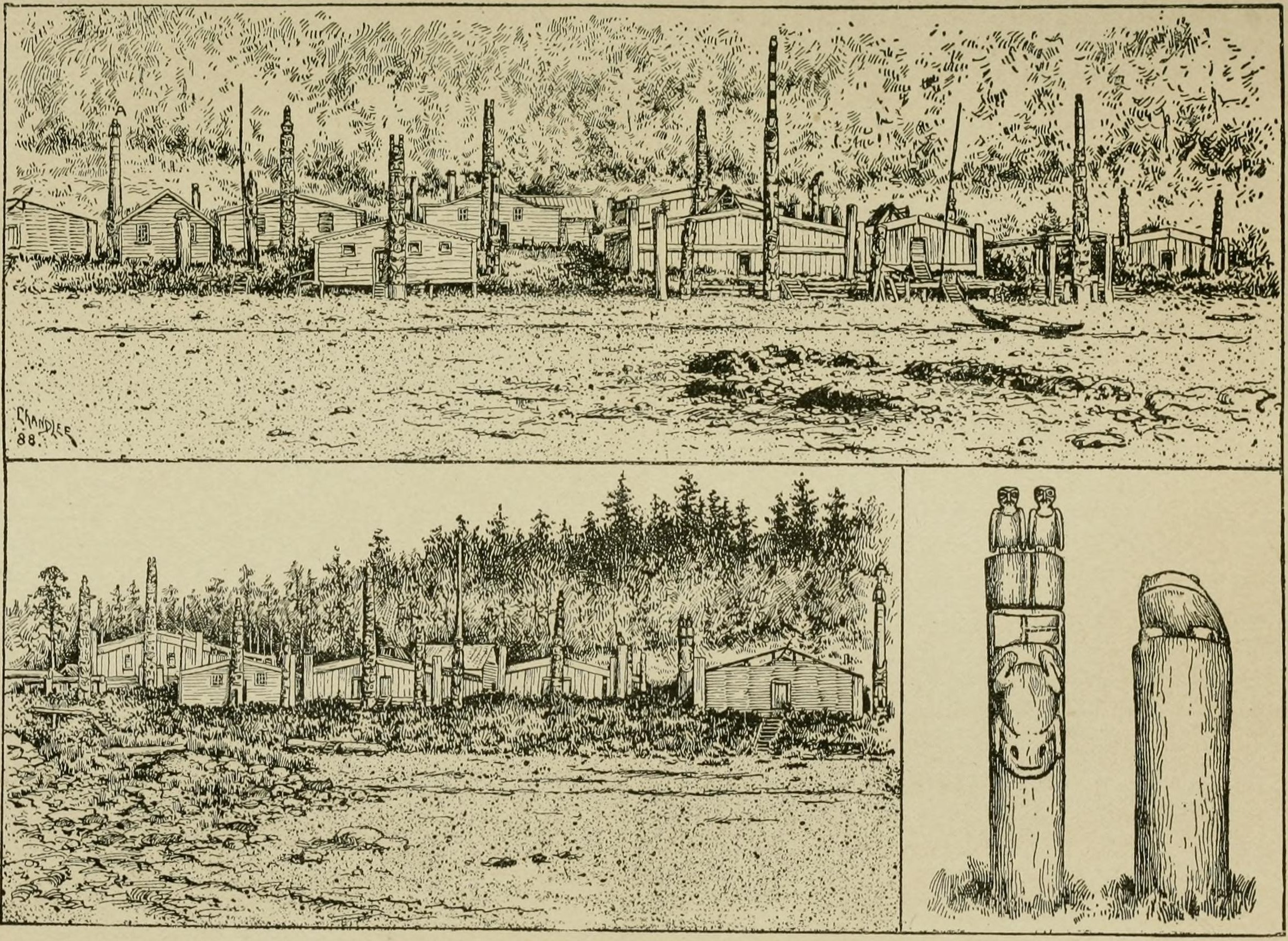


Totem Pole of the Haida, Tlingit and Tsimshian: Cedar Log Adzed, Relief-Carved with Crests, Painted and Raised on Guys (Niblack, 1890)
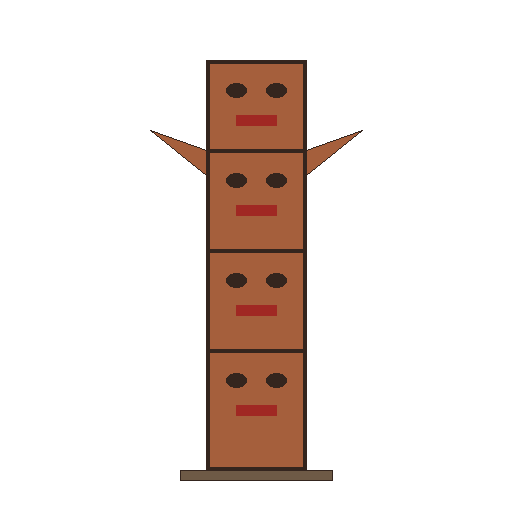
How the Haida, Tlingit and Tsimshian made the carved crest columns we call totem poles, as Albert Niblack recorded them around 1888: a cedar log got out of the forest and hauled up on skids, adzed smooth, relief-carved with the owner's clan crest at the top and his wife's crest and family legends below, painted with ochre or lignite ground with salmon eggs, and raised with poles, props and rope guys into a deep hole at a potlatch.
Juu
Months to years
Maagizo
1
1
Read Niblack
Read Niblack
"These are the very tall ones erected in front of the houses, and are generally surmounted by the clan-totem of the chief occupant."
2
2
Plan the crests
Plan the crests
The column tells whose it is: the owner's clan crest at the top (among the Tlingit often the phratry crest, with clan crests below), his wife's crest, which is also his children's, below it, or a family legend tied to his crest. The figures are the owner's own; carve your own family's story, not a copy of someone else's pole (ours).
3
3
Get out the log
Get out the log
Fell a large, straight cedar (ours: western red cedar). Split off what is not wanted with wedges and get the timber out in the rough in the forest, then tow or haul it to the site and lift it onto skids.
Vifaa kwa hatua hii:
 Gogo la mwerezi mwekundu1 kipande
Zana zinazohitajika:
 Shoka
 Vibanzi vya mbao
 Nyundo ya mbao
 Kamba
 Mti wa mbao
4
4
Smooth the log
Smooth the log
On the skids, smooth-finish the log with the adze. The old blades were green jade-like stone; in Niblack's day the favourite was the end of a broad flat file ground sharp and hafted.
Zana zinazohitajika:
 Shoka la kuchonga bakuli
5
5
Carve in relief
Carve in relief
Carve the crests in relief: rough down the surface with the chisel and adze, then smooth by scraping with sharp-edged shells or stones, or rub with dogfish skin for a finished surface. The carving was done by the owner if he was expert, or by carvers he hired.
Vifaa kwa hatua hii:
 Ngozi ya papa mbwa1 kipande
Zana zinazohitajika:
Shoka la kuchonga bakuli Seti ya patasi za mtiNyundo ya mbao
6
6
Grind the paint and paint
Grind the paint and paint
Grind red or brown ochre, charcoal or lignite in a stone mortar. For a lasting black on wood, grind lignite dry with salmon eggs first chewed with cedar bark: it gives the paint body and makes it stick. Paint the figures with hair or fibre brushes (in older times columns were simply daubed with ochre).
Vifaa kwa hatua hii:
 Udongo mwekundu ghafi1 kipande
 Mkaa1 kipande
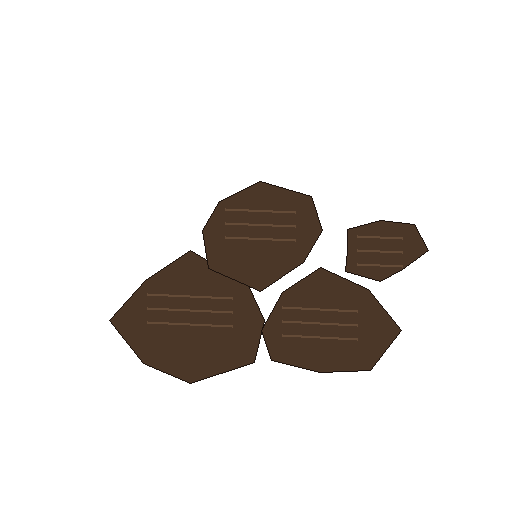 Lignaiti1 kipande
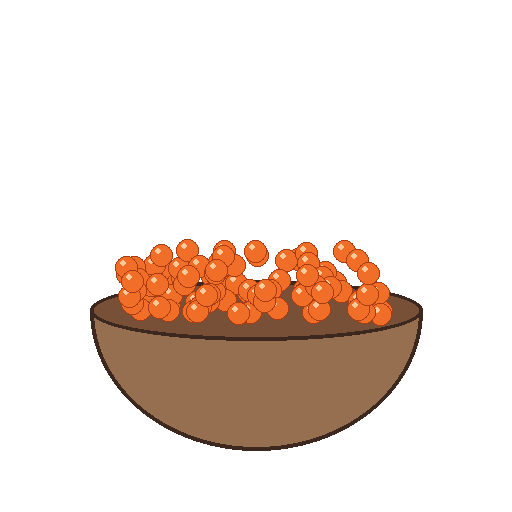 Mayai ya samoni1 kipande
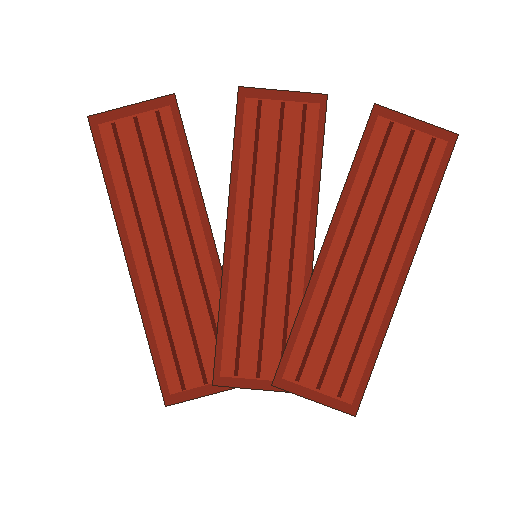 Gome la ndani la mwerezi mwekundu1 kipande
Zana zinazohitajika:
 Kinu na mchi wa jiwe
 Brashi nyembamba
7
7
Raise the column
Raise the column
Dig a deep hole in front of the house (ours: about a fifth of the pole's length, and well clear of the house front unless you are making a Haida doorway pole). Raise the column with poles, props and rope guys, many people pulling together, set its foot in the hole and pack it firm.
Zana zinazohitajika:
 SepetuKambaMti wa mbao
8
8
Troubleshooting
Troubleshooting
Totem pole troubleshooting.
Flow
Loading...
9
9
History and honest limits
History and honest limits
From Albert P. Niblack, *The Coast Indians of Southern Alaska and Northern British Columbia*, **Report of the U.S. National Museum for 1888** (1890), pp. 279-282, 307-309, 319-320, 324 and Plate II (checked on the archive.org scan coastindiansofso00nibl). Among the Haida the column usually stood against the house with the doorway cut through it about three feet up; others stood a few feet in front. Raising was a potlatch: feasting, dancing and gifts, the work itself a small part of the time. Only the wealthy could afford one. Niblack gives no sizes or carving order: species, sizes, hole depth and the order of work are ours.
Vifaa
7- 1 kipandeKishikilia Nafasi
- 1 kipandeKishikilia Nafasi
- 1 kipandeKishikilia Nafasi
- 1 kipandeKishikilia Nafasi
- 1 kipandeKishikilia Nafasi
- 1 kipandeKishikilia Nafasi
- 1 kipandeKishikilia Nafasi
Zana Zinazohitajika
10- Kishikilia Nafasi
- Kishikilia Nafasi
- Kishikilia Nafasi
- Kishikilia Nafasi
- Kishikilia Nafasi
- Kishikilia Nafasi
- Kishikilia Nafasi
- Kishikilia Nafasi
- Kishikilia Nafasi
- Kishikilia Nafasi
Mchoro huu unatengeneza
Blueprint zinazohusiana
Blueprint hizi zinashiriki maarifa — mbinu, vifaa au kanuni

CC0 Umma Wote
Mchoro huu umetolewa chini ya CC0. Uko huru kunakili, kubadilisha, kusambaza, na kutumia kazi hii kwa madhumuni yoyote, bila kuomba ruhusa.
Saidia Mtengenezaji kwa kununua bidhaa kupitia Mchoro wao ambapo wanapata Kamisheni ya Mtengenezaji iliyowekwa na Wachuuzi, au unda marudio mapya ya Mchoro huu na uiunganishe kama kiungo katika Mchoro wako kuchangia mapato.