
SANAA
UREMBO NA USTAWI
UJANJA
UTAMADUNI NA HISTORIA
BURUDANI
MAZINGIRA
CHAKULA NA VINYWAJI
UHANDISI WA KINYUME
SAYANSI
MICHEZO
TEKNOLOJIA
VAZI
Hard Cider: Fresh Juice, a Pure Yeast Starter and a Cool Cellar (Alwood, USDA 1909)
Alchometer

Imeundwa na

Alchometer

18. Novemba 2026GB
3
0
0
0
0

Hard Cider: Fresh Juice, a Pure Yeast Starter and a Cool Cellar (Alwood, USDA 1909)

William B. Alwood's cider for farm use, from the U.S. Department of Agriculture's Bulletin 129 (1909): juice straight from the press into clean casks, a pure yeast culture started three days before, a vent on the bung instead of a cotton plug, a cool cellar, one racking once the cider is bright, and bottling in June. He wrote that the results "establish clearly a method which any person of ordinary means can use".
Kati
About 8 months

Maagizo

1

His measures and gravities

Inapakia daftari la Jupyter…
2

Read Alwood

"The following notes give in detail the operation of making cider in the simplest possible manner after cold weather begins ... The work was intended to approximate as closely as possible the conditions under which a farmer might ferment his cider for family use." (Bulletin 129, p. 10.)
3

Press the juice

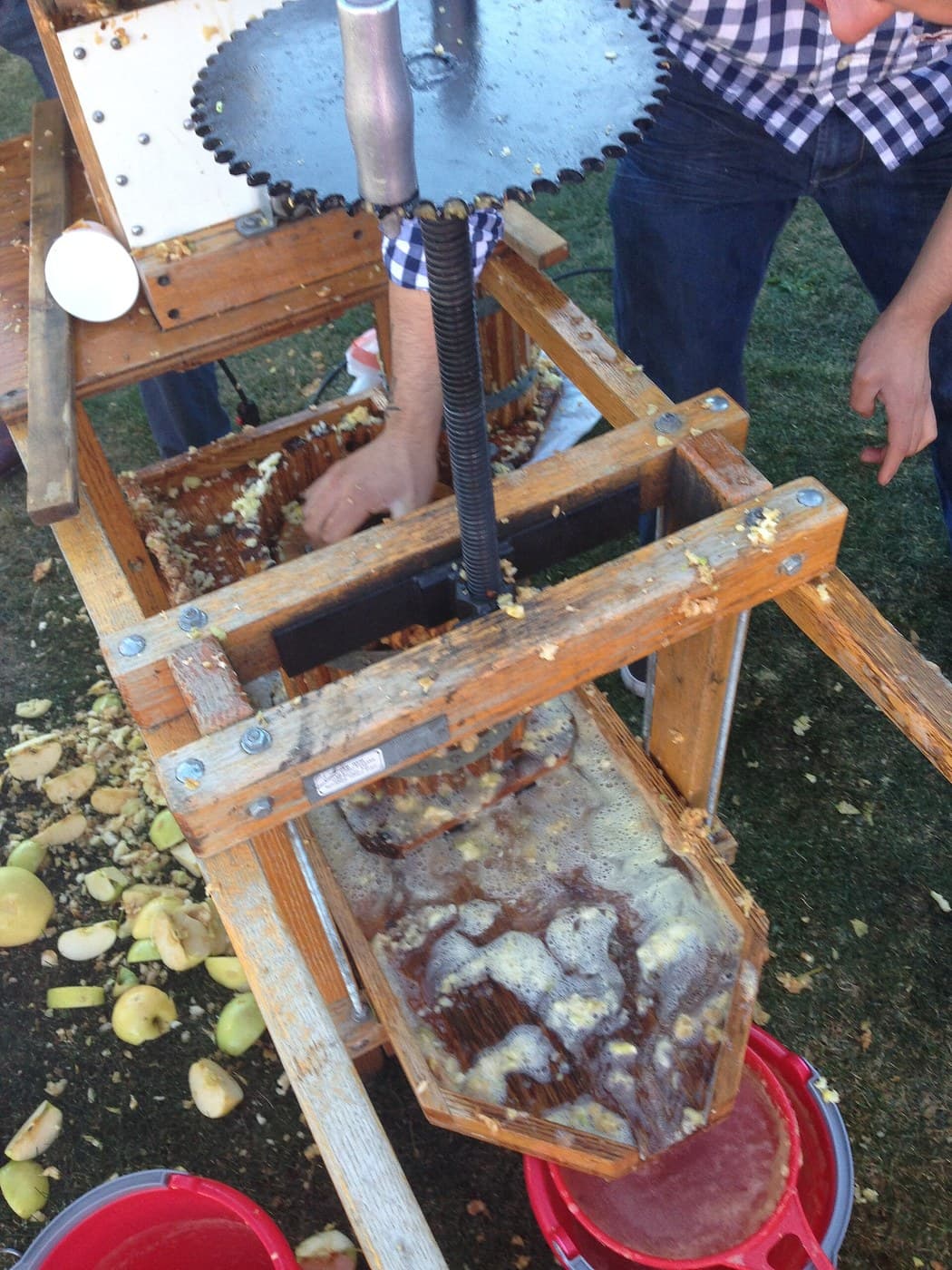
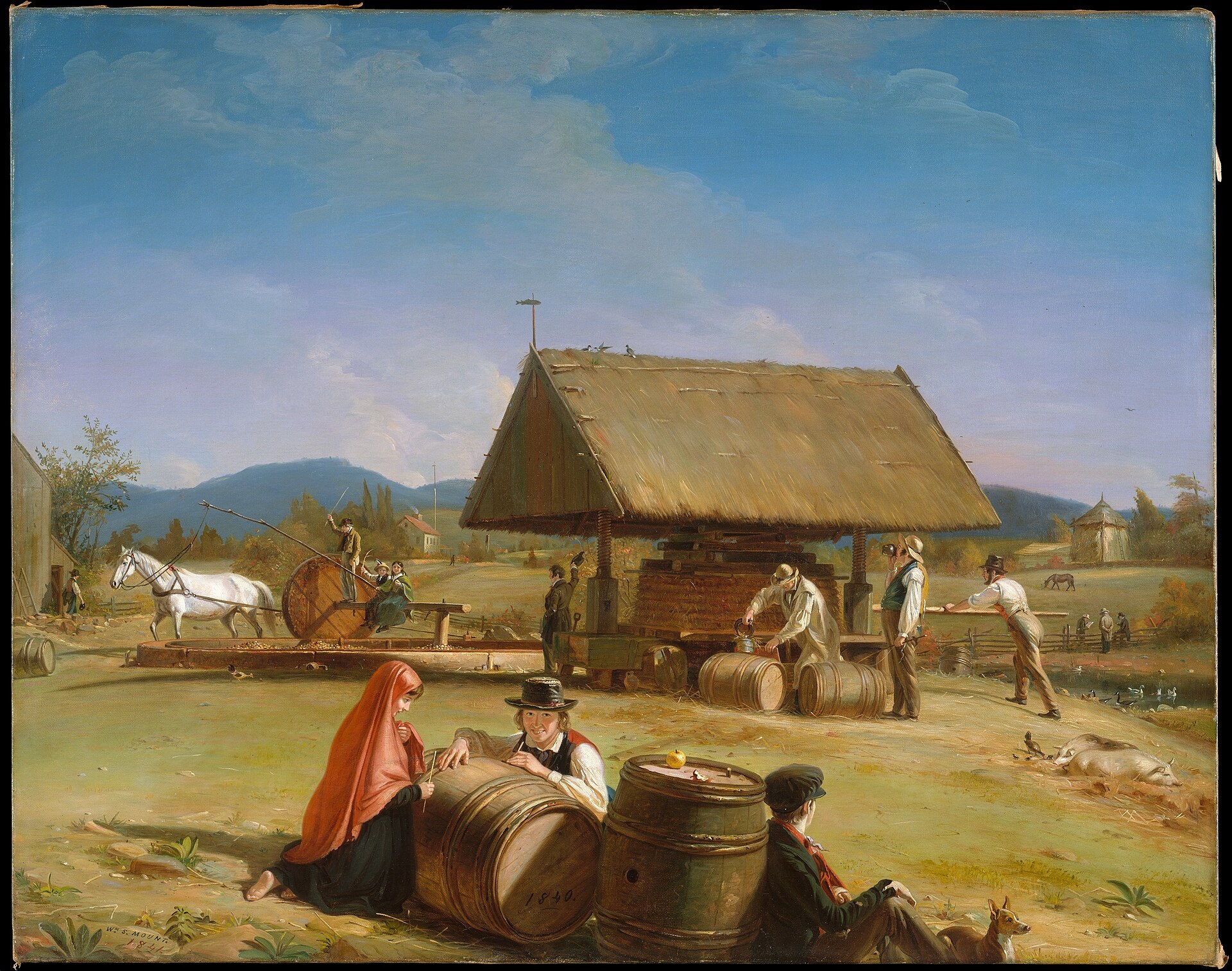
Alwood crushed and pressed 60 bushels of Winesap apples, "of a grade called unmerchantable, but ... not rotten nor soiled". His juice read 1.055 (13.6 Brix).
4

Prepare the casks

Steam each cask for twenty minutes, rinse with clean water and drain. Pour in one-half pint of 90 per cent alcohol, bung it tight, and leave it two weeks before use.

Zana zinazohitajika:

Pipa la mbaoPipa la mbao
Boila ya mvukeBoila ya mvuke
MajiMaji
Etanoli ya maabara, 95 %Etanoli ya maabara, 95 %
Kizibo cha mbao cha pipaKizibo cha mbao cha pipa
5

Start the yeast

Three days before pressing, boil 400 ml of apple juice in a flask in a water bath for fifteen minutes. Cool it and sow it with a pure wine yeast. It should be in full fermentation when used.

Vifaa kwa hatua hii:

Sida ya tufahaSida ya tufaha0.4 lita
Hamira ya mvinyoHamira ya mvinyo1 kipande

Zana zinazohitajika:
Chupa ya ErlenmeyerChupa ya Erlenmeyer
Bafu la MajiBafu la Maji
6

Fill and pitch

Fill the casks straight from the press; do not sulphur them. Add the yeast culture at once. Read the gravity: his was 1.055.

Vifaa kwa hatua hii:

Sida ya tufahaSida ya tufaha189 lita

Zana zinazohitajika:

Pipa la mbaoPipa la mbao
Kipima-uzito wa majimajiKipima-uzito wa majimaji
7

Fit the vent

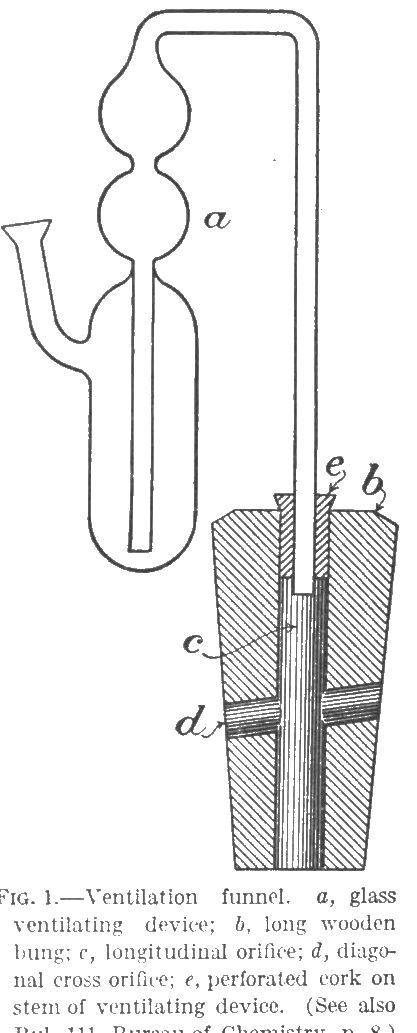
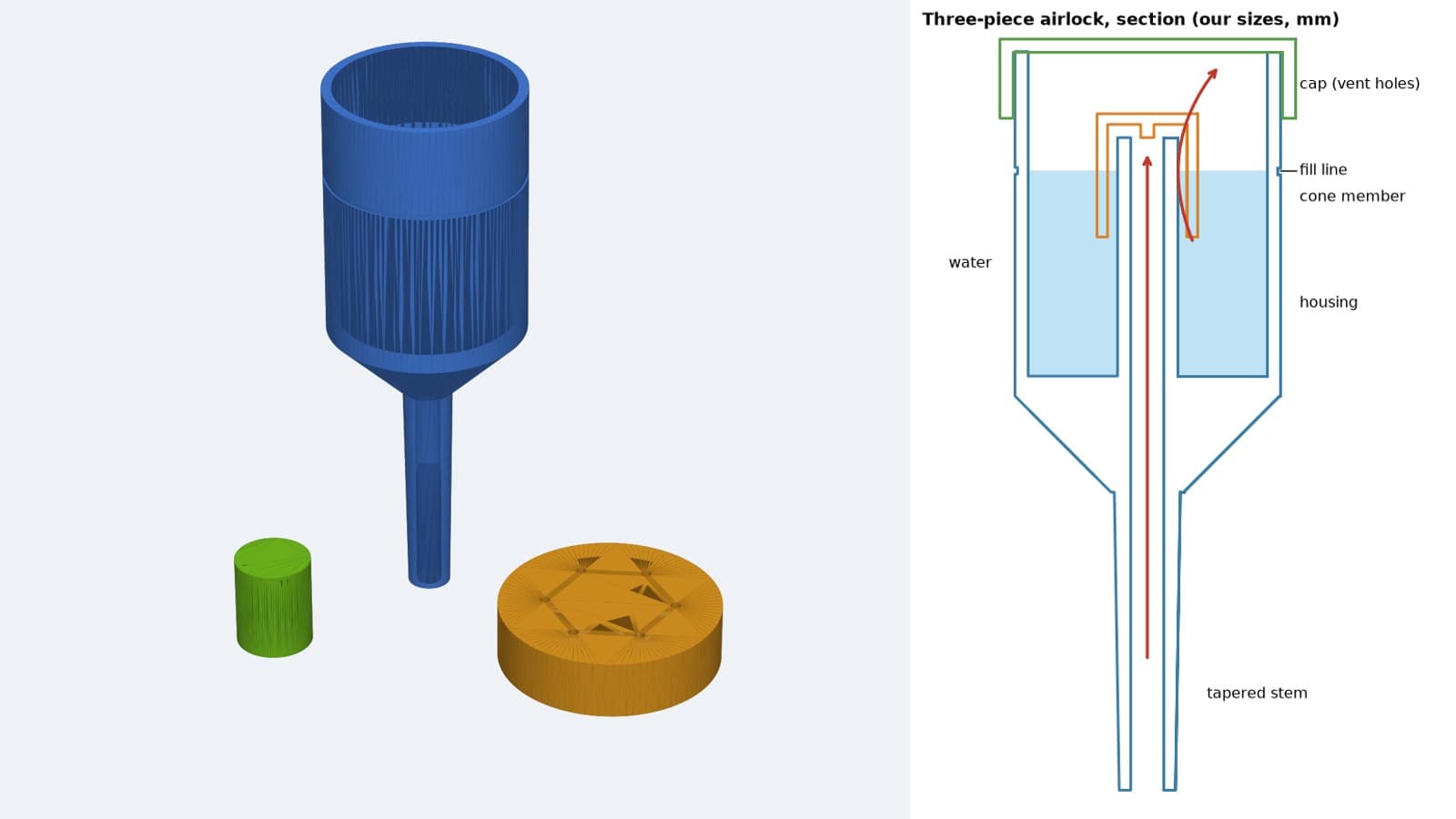
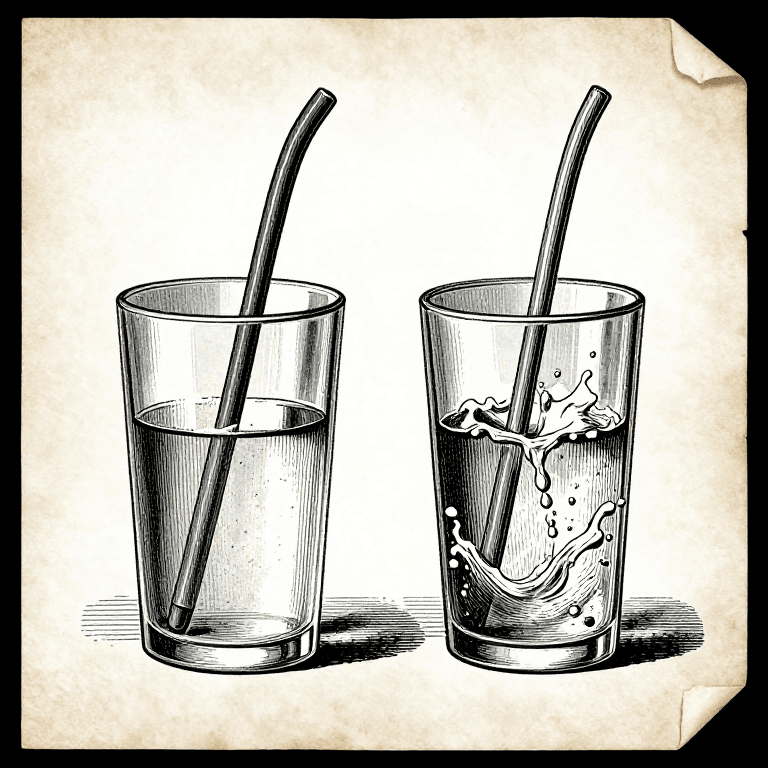
Do not plug with cotton: "if the cotton becomes the least bit damp, malferments readily find entrance". Put a vent funnel on a perforated cork in a long wooden bung, as his Fig. 1.
Hatua 7 - Image 1

Zana zinazohitajika:

Kizuia hewa cha uchachushajiKizuia hewa cha uchachushaji
Kizibo cha mbao cha pipaKizibo cha mbao cha pipa
Vizibo vya mziboVizibo vya mzibo
8

Keep it cool

His cold storeroom stopped the fermentation; he moved the casks to a cellar at 13 to 14 °C. Through the winter he held the cellar at 11 to 14 °C. Check it with a thermometer.

Zana zinazohitajika:

KipimajotoKipimajoto
9

Follow the gravity

Read the gravity every few weeks. His cask No. 3 went from 1.055 in October to 1.018 by 10 January.

Zana zinazohitajika:

Kipima-uzito wa majimajiKipima-uzito wa majimaji
KipimajotoKipimajoto
10

Rack when bright

Wait until the cider is "practically bright and free from sediment" (his: 13 January, at 10 °C). Wash fresh casks with warm water and burn one-third of a sulphur match in each; pour the cider in on the fumes.

Zana zinazohitajika:

Pipa la mbaoPipa la mbao
MajiMaji
Utambi wa salfaUtambi wa salfa
11

Draw off the dregs

Draw the cider down to within 1 inch (2.5 cm) of the bottom, through a funnel covered with a thin woven towel. Ours: with a siphon. About 2 quarts (1.9 litres) of dregs stayed in his cask.

Zana zinazohitajika:

Mrija wa kuhamishia kimiminikaMrija wa kuhamishia kimiminika
Faneli ya jikoniFaneli ya jikoni
Taulo ya pamba ya usoTaulo ya pamba ya uso
12

Keep the casks full

Top each cask up with cider of the same pressing. With the cask entirely full, a long bung bored crosswise under the vent funnel lets the gas out.

Zana zinazohitajika:

Kizibo cha mbao cha pipaKizibo cha mbao cha pipa
Kizuia hewa cha uchachushajiKizuia hewa cha uchachushaji
13

Bottle in June

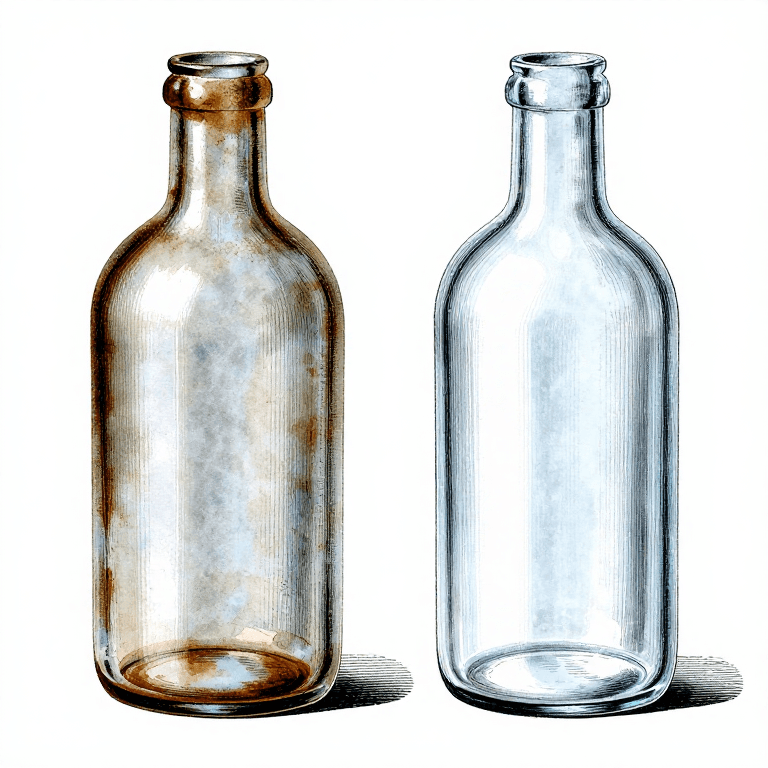
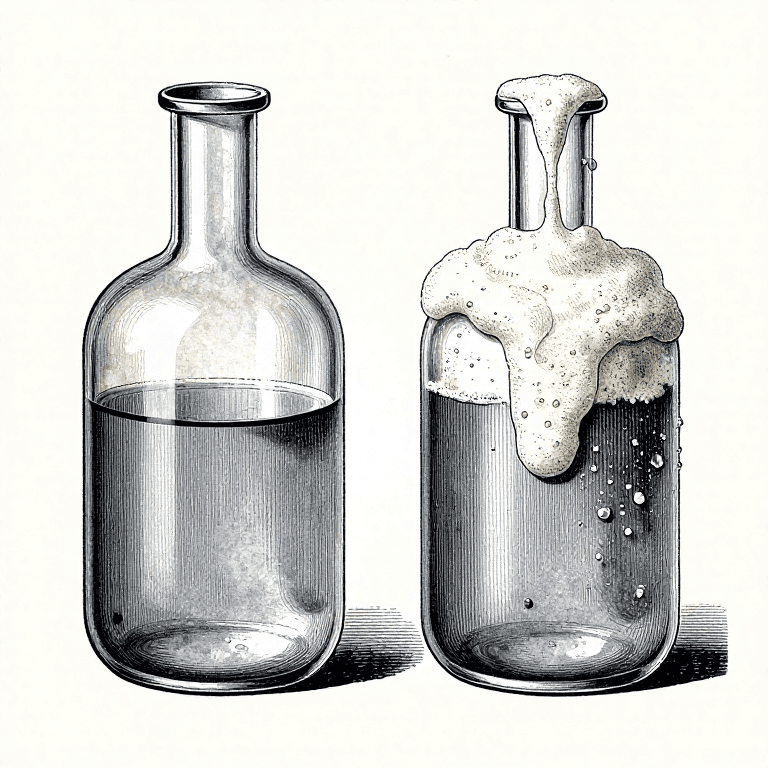
His final bottling was 25 June, at 1.006. Draw it into pint champagne bottles, cork them and tie the corks down. Use champagne bottles only: his unfiltered bottles opened "with high pressure".

Vifaa kwa hatua hii:

Chupa ya shampeniChupa ya shampeni1 kipande
Vizibo vya mziboVizibo vya mzibo1 kipande

Zana zinazohitajika:

Mrija wa kuhamishia kimiminikaMrija wa kuhamishia kimiminika
Kamba ya PambaKamba ya Pamba
14

Troubleshooting

What went wrong in Alwood's casks, and the fix.

Flow

Loading...
15

History and honest limits

**William B. Alwood**, *Enological Studies. I. Experiments in Cider Making Applicable to Farm Conditions*, USDA Bureau of Chemistry Bulletin No. 129 (1909), under H. W. Wiley. He filled three 50-gallon whisky barrels on 23 October 1907: No. 1 left to natural fermentation, No. 2 with yeast No. 73 (Sauternes), No. 3 with yeast No. 161 (Ahrweiler). He called No. 3 the "Finest cider ever handled here", and found the total acid "about right for a sprightly cider—namely, approximately 0.40 per cent". A 10-gallon keg left with a cotton plug turned to vinegar. His yeast cultures came from his own laboratory and are not sold today; a pure wine yeast takes their place. He does not say how he drew the cider off; ours is a siphon. The alcohol estimate in the notebook is ours.

Vifaa

4

Zana Zinazohitajika

16

CC0 Umma Wote

Mchoro huu umetolewa chini ya CC0. Uko huru kunakili, kubadilisha, kusambaza, na kutumia kazi hii kwa madhumuni yoyote, bila kuomba ruhusa.

Saidia Mtengenezaji kwa kununua bidhaa kupitia Mchoro wao ambapo wanapata Kamisheni ya Mtengenezaji iliyowekwa na Wachuuzi, au unda marudio mapya ya Mchoro huu na uiunganishe kama kiungo katika Mchoro wako kuchangia mapato.

Majadiliano

(0)

Ingia kujiunga na majadiliano

Inapakia maoni...