
Ushirikiano
SANAA
UREMBO NA USTAWI
UJANJA
UTAMADUNI NA HISTORIA
BURUDANI
MAZINGIRA
CHAKULA NA VINYWAJI
UHANDISI WA KINYUME
SAYANSI
MICHEZO
TEKNOLOJIA
VAZI
Cart Collar: a Straw-Stuffed Forewale and Body, Laced and Covered (Hasluck, Harness Making, 1904)
Tex

Imeundwa na

Tex

13. Novemba 2026FO
1
0
0
0
0

Cart Collar: a Straw-Stuffed Forewale and Body, Laced and Covered (Hasluck, Harness Making, 1904)

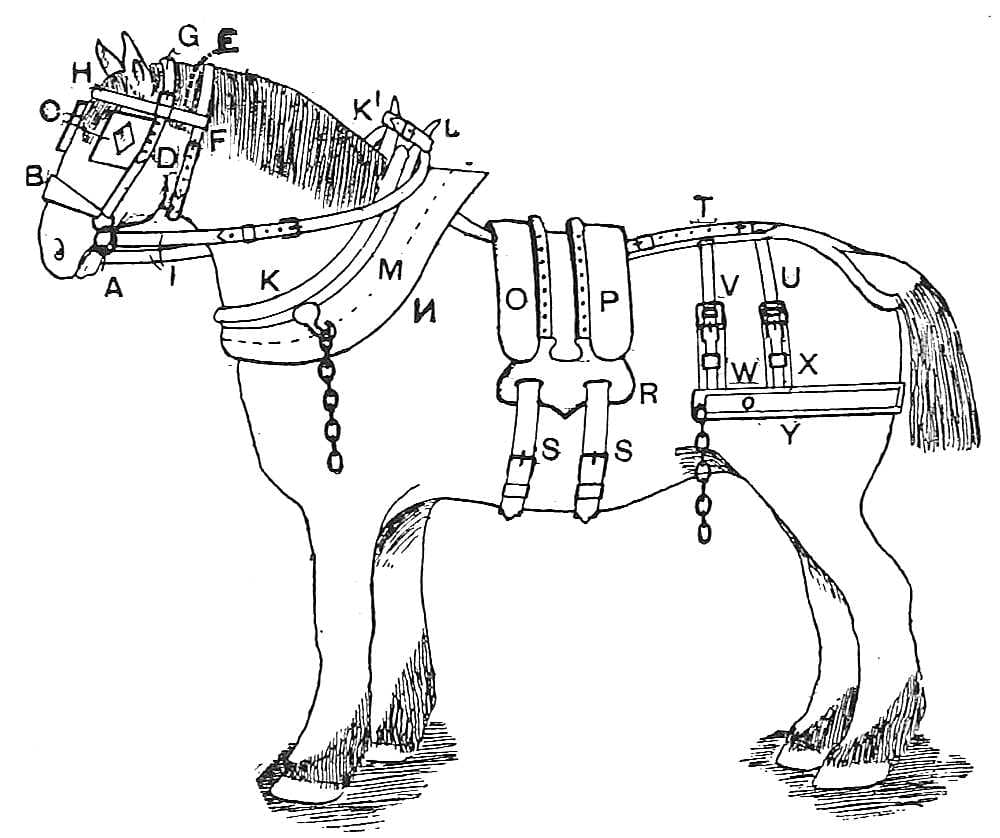
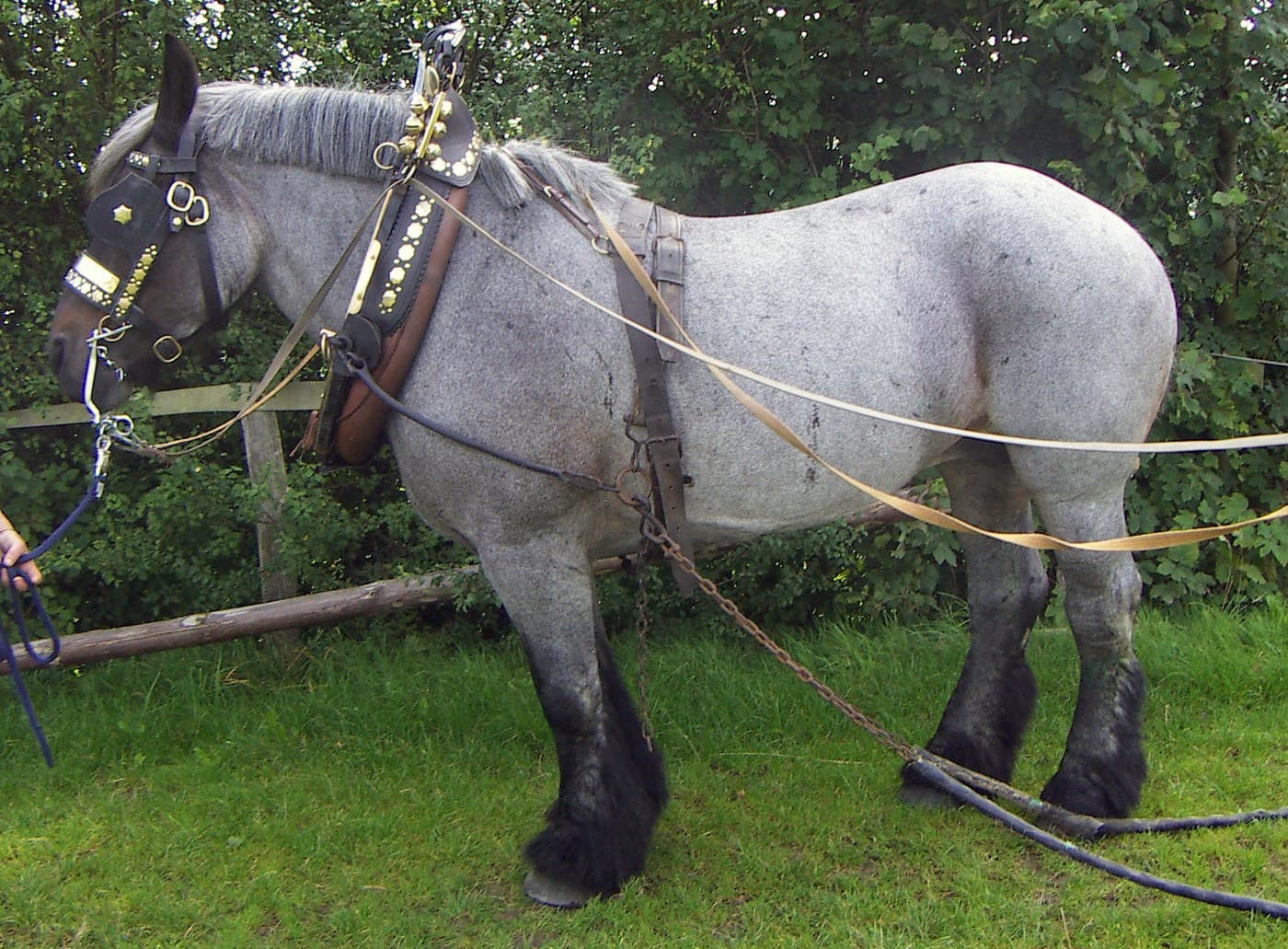
The collar of a working cart horse, from Paul N. Hasluck's Harness Making (1904). A leather tube, the forewale, is stitched slack and rammed with wisps of rye straw until "as hard as a piece of wood", bent round the knee into shape; then the body is built against it from a lined pocket of straw and flock, laced tight and beaten to shape, and covered with leather side-pieces. All sizes are his. It follows the cart bridle; the cart saddle comes next.
Juu
About 3 days

Maagizo

1

How long to cut the forewale

Inapakia daftari la Jupyter…
2

Read Harness Making, ch. VI

"Great attention must be given to shaping, for a well-shaped body is very important from the point of view of both utility and appearance; it should be graceful and rounded at the bottom and somewhat flat at the draught, gradually growing narrow towards the top."
3

Cut and fold the forewale

Cut the forewale 7½ in wide and as long as the notebook gives; the bellies of gear hides will do. Damp it thoroughly and stretch it on a flat board, holding one edge and pulling the other with the pincers. Fold it over 2¾ in all along, set the compass to 2¼ in and mark from the turned side, leaving ¼ in outside the mark for the lining and about 2 in on the other side for the body and side-pieces. Tack along the mark here and there.

Vifaa kwa hatua hii:

Ngozi ya vifaa vya farasiNgozi ya vifaa vya farasi1 kipande

Zana zinazohitajika:
Kisu cha ngoziKisu cha ngozi
Ubao wa msonobariUbao wa msonobari
Koleo ya kung'oleaKoleo ya kung'olea
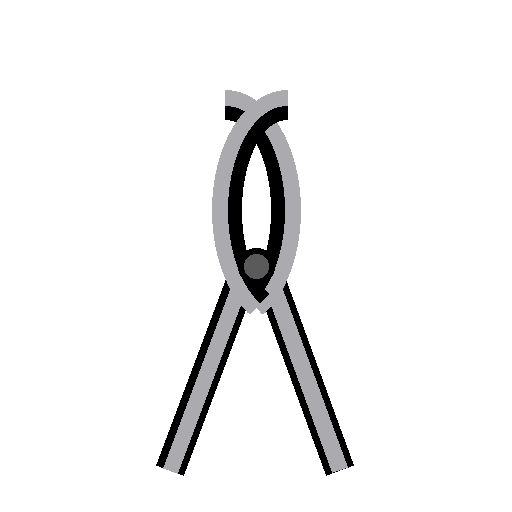
Bikari ya ncha mbiliBikari ya ncha mbili
4

Stitch the forewale

Make a ten-strand thread, waxing it before and after twisting, long enough to stitch the whole length. Stitch with strong needles about three stitches to the inch, leaving the stitches slack, especially for about a foot each side of the centre, so the forewale bends easier and the stitches tighten in stuffing. If the grain is uneven, put a slack piece of calico inside and catch both its sides in the stitching.

Vifaa kwa hatua hii:

Uzi wa ngoziUzi wa ngozi1 kipande
Kitambaa cha PambaKitambaa cha Pamba1 kipande

Zana zinazohitajika:

Sindano mbili za kushonea ngoziSindano mbili za kushonea ngozi
Uma wa kutoboa (ushindilio)Uma wa kutoboa (ushindilio)
5

Stuff the forewale with straw

Pull rye straw straight across the knee, cut the ears off and cut it to about 9 in. Mark the centre of the forewale. With it on the block, your left foot on it 2½ in from the centre, put about half a dozen straws, given a half twist, in the nick of the collar rod and drive them in to the foot; beat wisp and leather with the mallet. Put the next wisp in from the other end, and go on alternately, beating after each wisp so it does not drive the others back. Keep turning the forewale round the knee, one side to the right and the other to the left, so both sides are shaped alike, until all is "as hard as a piece of wood".

Vifaa kwa hatua hii:

Majani makavu ya raiMajani makavu ya rai1 kipande

Zana zinazohitajika:

Kisu cha ngoziKisu cha ngozi
Fimbo ya kujaza kola ya farasiFimbo ya kujaza kola ya farasi
Nyundo ya mbaoNyundo ya mbao
Kipande cha mbao ngumuKipande cha mbao ngumu
6

Close the top of the forewale

Near the top shape it inwards a little, fill it until quite firm, lay it flat on the block and beat it into shape with the round mallet, holding one end down with the knees. Damp it, turn it back a little at the top on both sides, and stitch both points firmly together with waxed twine, collar needle and hand iron, cutting a little off if needed to bring it to the right length.

Vifaa kwa hatua hii:

Uzi wa ngoziUzi wa ngozi1 kipande

Zana zinazohitajika:

Nyundo ya mbaoNyundo ya mbao
Kipande cha mbao ngumuKipande cha mbao ngumu
Sindano ya kola ya farasiSindano ya kola ya farasi
Chuma cha kiganjaChuma cha kiganja
7

Make the lining

Cut the lining of linen or woollen check to his Fig. 96 in the size required. Cut a leather throat-piece about 2 in wide at the base, widening in a sweep to 3½ in. Stitch the narrowest end of the lining, about 4½ in deep, to the sweep of the throat-piece, turning in a little of the cloth. Tack the throat-piece to the exact centre of the collar by the stitches, add a tack where the forewale begins to run straight up, leaving the lining slack, and another within 5 in of the top on both sides, pulling the lining tight to there and turning the edges in. Whip the lining in all round through the leather rim with half a four-cord black-wax thread.

Vifaa kwa hatua hii:

Kitambaa cha kitaniKitambaa cha kitani1 kipande
Ngozi ya vifaa vya farasiNgozi ya vifaa vya farasi1 kipande
Uzi wa ngoziUzi wa ngozi1 kipande

Zana zinazohitajika:

Kisu cha ngoziKisu cha ngozi

MkasiMkasi
Uma wa kutoboa (ushindilio)Uma wa kutoboa (ushindilio)
Sindano mbili za kushonea ngoziSindano mbili za kushonea ngozi
8

Stuff the throat

Make a beeswax thread of four or five strands 3½ yd long and another of six or seven strands 1½ yd long. Sit with your right leg through the lining, throat up. Put the middle of a big handful of straw in the centre of the throat-piece, between it and the forewale, and stitch from the centre of the throat over the straw to the wide margin of leather, twice at the centre, then about 1½ in apart for about 6 in up one side. Do the other side exactly alike. Drive wisps on the stuffing stick to the centre from both sides until the bottom is firm and hard. Lay it on the block, lining up, beat the throat outwards with the round mallet, and buckle the throat strap round it and the forewale as tight as possible.

Vifaa kwa hatua hii:

Nta ya NyukiNta ya Nyuki1 kipande
Uzi wa ngoziUzi wa ngozi1 kipande
Majani makavu ya raiMajani makavu ya rai1 kipande

Zana zinazohitajika:

Sindano ya kola ya farasiSindano ya kola ya farasi
Chuma cha kiganjaChuma cha kiganja
Fimbo ya kujaza kola ya farasiFimbo ya kujaza kola ya farasi
Nyundo ya mbaoNyundo ya mbao
Kipande cha mbao ngumuKipande cha mbao ngumu
Bakoli ya chuma yenye ulimiBakoli ya chuma yenye ulimi
9

Build the body

Cut a wisp big enough to fill the body and long enough to run its full length, square at one end, and wrap hemp five or six times round it for about 6 in. With both knees through the collar, lay a piece of drummed flock the size of the lining on it, to within an inch of the edge, level everywhere, and a handful of straw over the flock opposite the draught. Put the long wisp inside, ramming it toward the throat, pull the lining over the straw and pin the top with the seat-awl.

Vifaa kwa hatua hii:

Majani makavu ya raiMajani makavu ya rai1 kipande
Kamba ya KataniKamba ya Katani1 kipande
Sufu ya kujazaSufu ya kujaza1 kipande

Zana zinazohitajika:

Kisu cha ngoziKisu cha ngozi
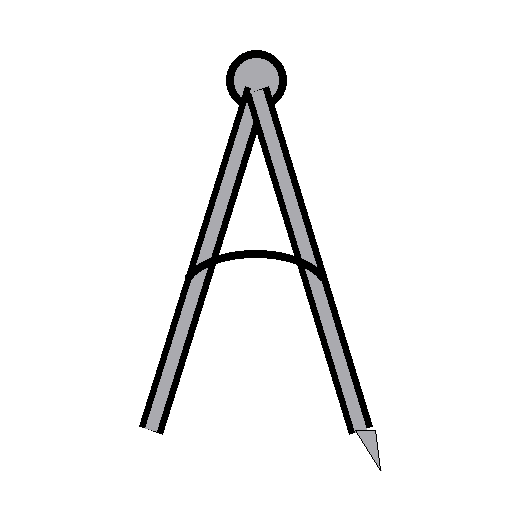
Uma wa kutoboa (ushindilio)Uma wa kutoboa (ushindilio)
10

Lace and beat it to shape

Turn the collar and lace the lining to the leather from bottom to top, as tight as possible, "as in lacing a boot". Beat the straw down between the lacing with the mallet handle, then tighten the lacing again. If it is not firm enough, ram wisps toward the throat from between the stitches up to the draught, and harden it above the draught with wisps from the top, shaping by tightening or slackening the lacing. At the very top leave it rather full, with extra flock to ease the neck. Make the other side with the same flock and straw, the same shape and size; level any lumps in the flock with the seat-awl.

Vifaa kwa hatua hii:

Sufu ya kujazaSufu ya kujaza1 kipande
Majani makavu ya raiMajani makavu ya rai1 kipande

Zana zinazohitajika:

Sindano ya kola ya farasiSindano ya kola ya farasi
Nyundo ya mbaoNyundo ya mbao
Uma wa kutoboa (ushindilio)Uma wa kutoboa (ushindilio)
11

Close the top and cap the points

Cut the straw at the top slanting upward a little toward the back, pull the two linings together with long stitches, then stitch the two sides together and cut the spare lining. Trim the forewale points to a neat point, "neither long nor sharp". Make a cap of damped soft leather over the points, with a welt in the front, and stitch it with a lace drawn tight into the hollow between body and forewale. Leave the point of the forewale very prominent to hold the hame strap.

Vifaa kwa hatua hii:

Ukanda wa ngozi wa kufungiaUkanda wa ngozi wa kufungia1 kipande
Ngozi ya vifaa vya farasiNgozi ya vifaa vya farasi1 kipande

Zana zinazohitajika:

Kisu cha ngoziKisu cha ngozi
Sindano ya kola ya farasiSindano ya kola ya farasi
12

Fit the side straps

Cut two straps 1½ in x 18 in; race and blacken the edges, point them for the buckle and punch four holes in each, a hole in each corner at the other end and one in the centre 2½ in from that end. Lace one on each side, down to the forewale, 5 in from the top, through the hollow between forewale and body.

Vifaa kwa hatua hii:

Ngozi ya vifaa vya farasiNgozi ya vifaa vya farasi1 kipande
Rangi ya ngoziRangi ya ngozi1 kipande
Ukanda wa ngozi wa kufungiaUkanda wa ngozi wa kufungia1 kipande

Zana zinazohitajika:

Kisu cha ngoziKisu cha ngozi
Bikari ya mtengeneza matandikoBikari ya mtengeneza matandiko
Kitoboa ngoziKitoboa ngozi
Sindano ya kola ya farasiSindano ya kola ya farasi
13

Make the side-pieces

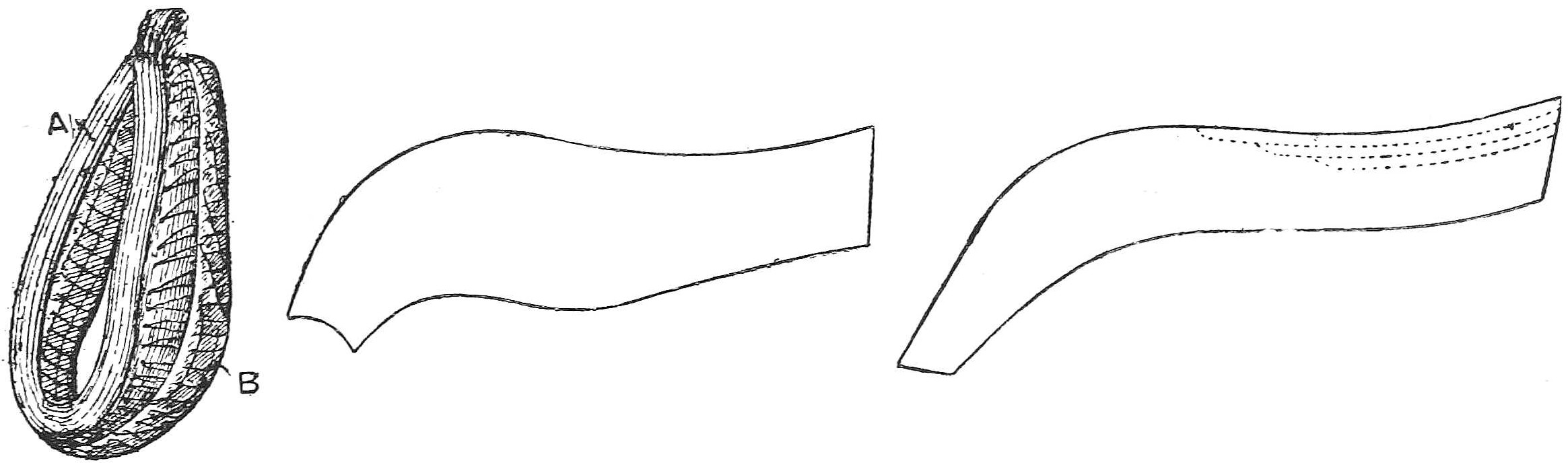
Cut a brown-paper pattern to the made body, to his Fig. 97, a little wider and pointed at the top to shed rain; cut one side at a time, best part under the draught, and line the top for about 1 ft on each side with firm leather. Stitch three rows about 1 in apart, nine per inch; rub and blacken, and crease two rows round the outer side. Join the two sides at the top end to end and cover the joint with a creased, pricked 1¼ in strip stitched over its centre.

Vifaa kwa hatua hii:

Ngozi ya vifaa vya farasiNgozi ya vifaa vya farasi1 kipande
Uzi wa ngoziUzi wa ngozi1 kipande
Rangi ya ngoziRangi ya ngozi1 kipande

Zana zinazohitajika:

Kisu cha ngoziKisu cha ngozi
Patasi ya mishono ya ngoziPatasi ya mishono ya ngozi
Uma wa kutoboa (ushindilio)Uma wa kutoboa (ushindilio)
Sindano mbili za kushonea ngoziSindano mbili za kushonea ngozi
Kifaa cha kukunjaKifaa cha kukunja
14

Lace the side-pieces on

Damp the side-pieces well, beat the water out, and fix them at the top centre with the seat-awl; pull them together top to bottom so they overlap about 3 in at the bottom, shaved thin there. Lace them in from the throat-piece with a damped, greased lace, stitches 2 to 2½ in apart and catching the lining each time; then run a second lace close along the forewale all round, stitches about 1½ in apart.

Vifaa kwa hatua hii:

Ukanda wa ngozi wa kufungiaUkanda wa ngozi wa kufungia1 kipande

Zana zinazohitajika:

Uma wa kutoboa (ushindilio)Uma wa kutoboa (ushindilio)
Sindano ya kola ya farasiSindano ya kola ya farasi
15

Troubleshooting

Cart collar troubleshooting.

Flow

Loading...
16

History and honest limits

From **Harness Making**, edited by Paul N. Hasluck, Cassell and Company, 1904, chapter VI, "Cart Collars" (Project Gutenberg #70169). All sizes are his. Not made here: his pipe collar (an iron inside the forewale), the basil top lining used "in some localities", and the under-draught pads and caned side-pieces he thinks unnecessary. The hames that fit round the collar are not made in this chapter.

Vifaa

10

Zana Zinazohitajika

17

CC0 Umma Wote

Mchoro huu umetolewa chini ya CC0. Uko huru kunakili, kubadilisha, kusambaza, na kutumia kazi hii kwa madhumuni yoyote, bila kuomba ruhusa.

Saidia Mtengenezaji kwa kununua bidhaa kupitia Mchoro wao ambapo wanapata Kamisheni ya Mtengenezaji iliyowekwa na Wachuuzi, au unda marudio mapya ya Mchoro huu na uiunganishe kama kiungo katika Mchoro wako kuchangia mapato.

Majadiliano

(0)

Ingia kujiunga na majadiliano

Inapakia maoni...