SANAA
UREMBO NA USTAWI
UJANJA
UTAMADUNI NA HISTORIA
BURUDANI
MAZINGIRA
CHAKULA NA VINYWAJI
UHANDISI WA KINYUME
SAYANSI
MICHEZO
TEKNOLOJIA
VAZI
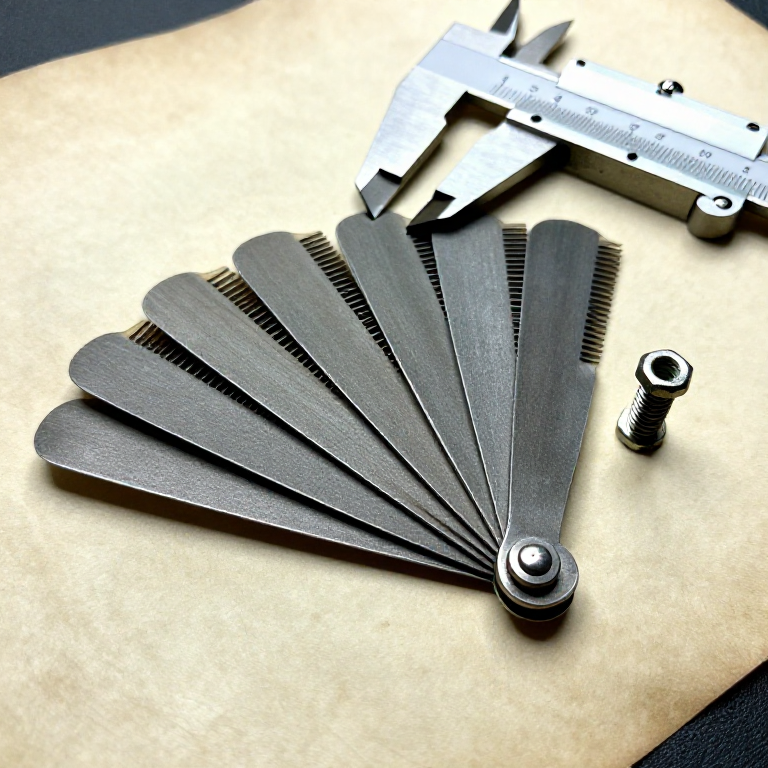


Identifying a Thread: Which Bolt Is That, Actually?
A drawer of unlabelled bolts is a common problem and an easy one, once you know that only two measurements identify a thread: the diameter across the crests and the pitch.
Get either wrong and the fastener will start, bind, and strip the threads it is going into — which is why guessing is expensive. M8 and 5/16 UNC are close enough to start in each other's holes and different enough to destroy them.
This rung covers measuring both, the handful of standards a maker will actually meet, and the trap of the two systems that look identical until they are tightened.
Mwanzo
2 hours
Maagizo
1
1
Measure the diameter over the crests
Measure the diameter over the crests
Put a caliper across the widest part of the thread and read it. An M8 bolt measures very close to 8 mm; a 5/16 inch bolt measures about 7.9 mm.
That 0.1 mm is the entire difference and a caliper alone will not settle it — which is exactly why the pitch matters more than the diameter for identification. Measure the diameter to narrow it to two or three candidates, then use the pitch to decide.
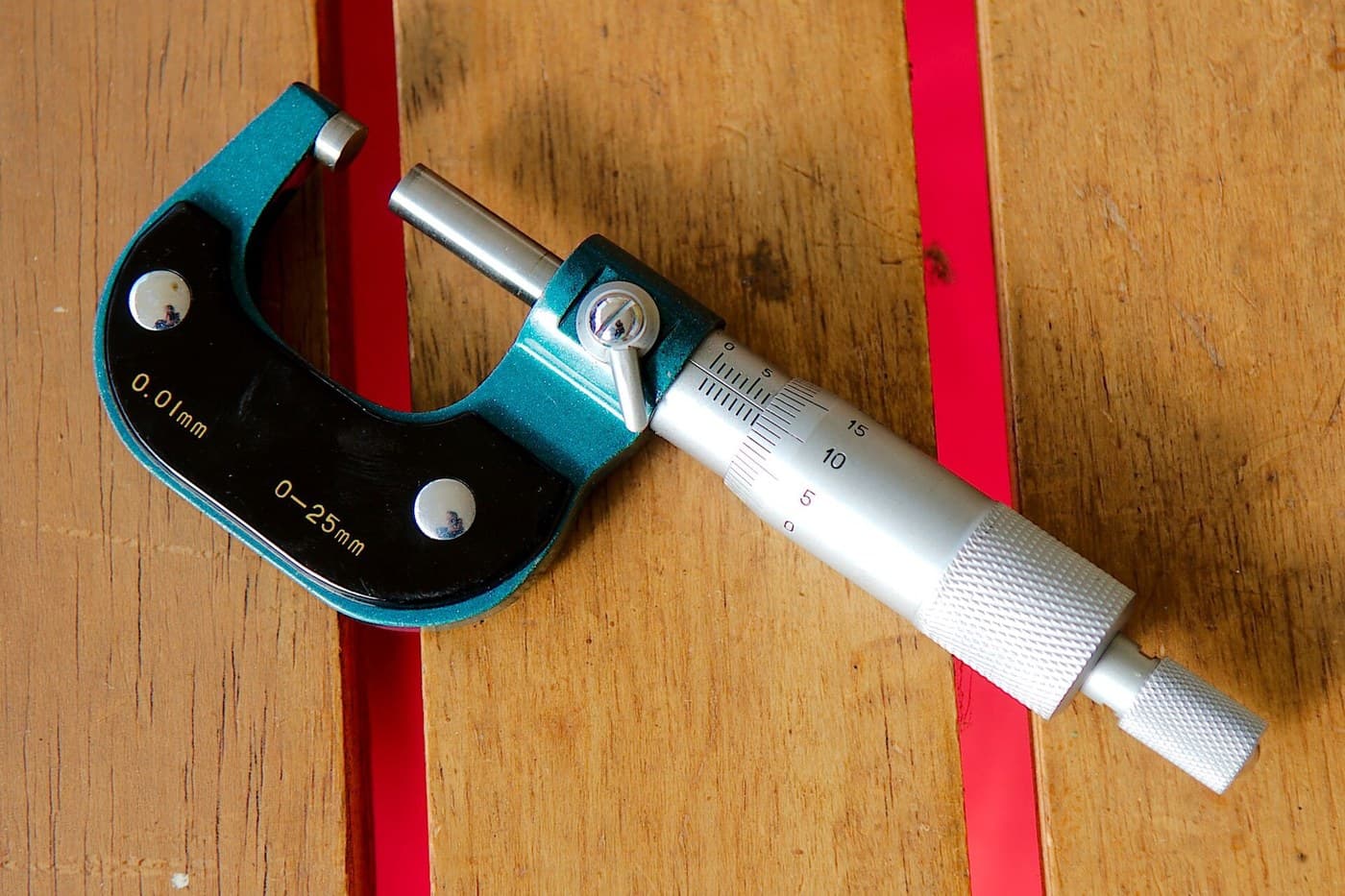
Measure a clean unworn part of the thread, not a damaged end or the run-out near the head. And measure a BOLT rather than trying to measure the hole: an internal thread is far harder to measure directly, and the published bore-measurement blueprint exists for exactly that reason.
Zana zinazohitajika:
 Kalipa ya Vernier
 Mkusanyiko wa bolti za pembe sita
 Skrubu za mashine
2
2
Use a thread gauge — do not count threads by eye
Use a thread gauge — do not count threads by eye
A thread pitch gauge is a fan of thin steel leaves, each cut to one pitch. Try them against the bolt until one seats with no light showing between the teeth anywhere along it.
Counting threads per inch with a rule works but is slow and error-prone, and the commonest mistake is off-by-one at the ends. The gauge is unambiguous: the right leaf disappears into the thread and every wrong one rocks or shows light.
Metric leaves are marked in millimetres of pitch (1.25, 1.5) and imperial ones in threads per inch (18, 20, 24). A set usually carries both, and which kind of leaf fits is itself half the identification.
Zana zinazohitajika:
 Kipimio cha nyuziMkusanyiko wa bolti za pembe sita
 Lupu ya Kukuza
3
3
The standards you will actually meet
The standards you will actually meet
Inapakia daftari la Jupyter…
Zana zinazohitajika:
Kipimio cha nyuziKalipa ya Vernier Kikokotoo
4
4
Label the drawer — and keep the odd ones apart
Label the drawer — and keep the odd ones apart
Once a fastener is identified, it costs nothing to keep it that way. Sort by thread into labelled compartments and the whole problem disappears permanently.
Keep imperial fasteners physically separate from metric ones rather than mixed and labelled. The near-miss pairs are what cause the damage, and they only cause it when both are within reach of the same hand.
Where a machine uses an unusual thread, tape a labelled sample to it or write the thread on the maintenance note. Working it out from scratch takes ten minutes every time, and stripping the hole because you guessed takes an afternoon to repair.
Zana zinazohitajika:
Mkusanyiko wa bolti za pembe sitaSkrubu za mashine Mkusanyiko wa nati na washaKipimio cha nyuzi
Blueprint zinazohusiana
Blueprint hizi zinashiriki maarifa — mbinu, vifaa au kanuni

CC0 Umma Wote
Mchoro huu umetolewa chini ya CC0. Uko huru kunakili, kubadilisha, kusambaza, na kutumia kazi hii kwa madhumuni yoyote, bila kuomba ruhusa.
Saidia Mtengenezaji kwa kununua bidhaa kupitia Mchoro wao ambapo wanapata Kamisheni ya Mtengenezaji iliyowekwa na Wachuuzi, au unda marudio mapya ya Mchoro huu na uiunganishe kama kiungo katika Mchoro wako kuchangia mapato.