Ushirikiano
SANAA
UREMBO NA USTAWI
UJANJA
UTAMADUNI NA HISTORIA
BURUDANI
MAZINGIRA
CHAKULA NA VINYWAJI
UHANDISI WA KINYUME
SAYANSI
MICHEZO
TEKNOLOJIA
VAZI
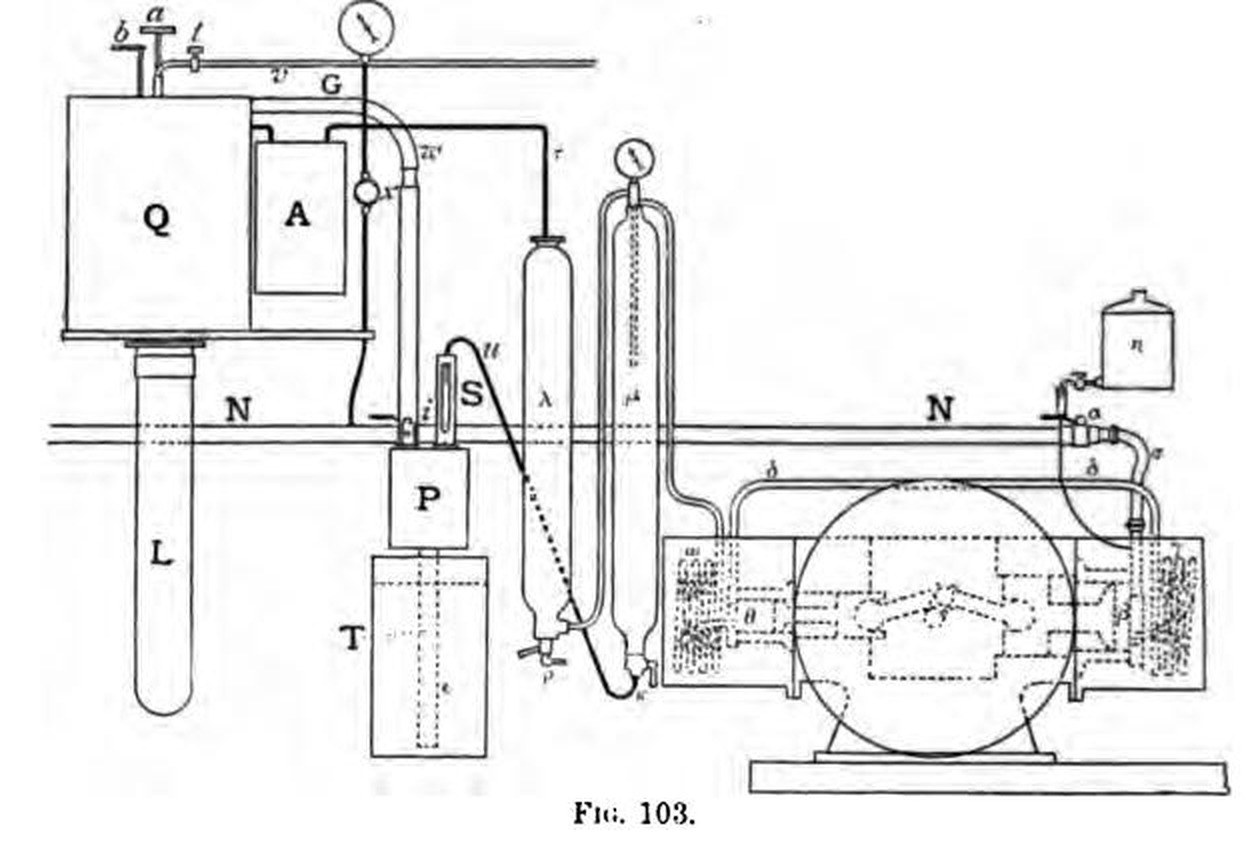


Liquid Hydrogen: Gas at 200 Atmospheres Cooled by Dry Ice and Liquid Air, then Expanded in a Regenerator Coil (Travers, 1901)
Hydrogen will not cool when it expands at room temperature, so Travers first chilled it with dry ice and then with liquid air boiling under a vacuum. Only then did expansion through a fine valve inside a regenerator coil cool it further, until clear liquid hydrogen ran into a vacuum vessel.
Result: liquid hydrogen (specific gravity 0.06), cold enough to freeze air solid.
Source: M. W. Travers, The Experimental Study of Gases (1901), pp. 196-206. Hydrogen is flammable; liquid air and liquid hydrogen are extremely cold. Picture: Fig. 103 of the book.
Juu
1 week
Maagizo
1
1
Make and store the hydrogen
Make and store the hydrogen
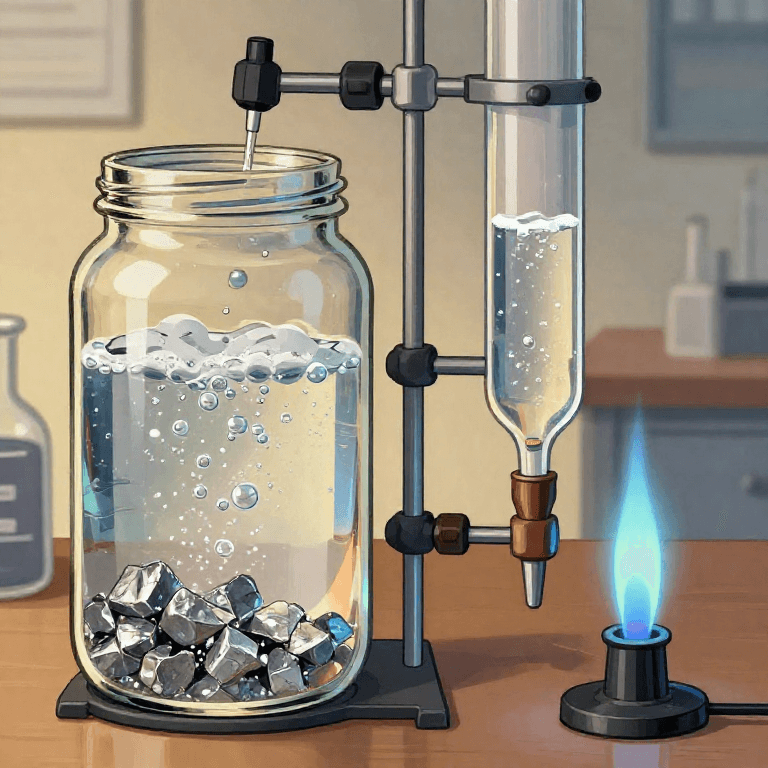
Put about 40 lb of commercial granulated zinc in a beer cask with a tap funnel, a delivery tube, an escape pipe into a vessel of water (safety valve) and a stoneware cock at the bottom to draw off spent acid. Run in dilute sulphuric acid. When the air is out, pass the gas through a wash-bottle of potassium permanganate into the gasometer (sheet iron, 6 ft high, 5 ft 6 in across, over water first saturated with hydrogen). Wash the gasometer out with hydrogen before collecting the main quantity. This takes five hours.
Vifaa kwa hatua hii:
 Hidrojeni1 a gasometer full, made here
Zana zinazohitajika:
 Zinki
 Asidi ya sulfuriki iliyopunguzwa
 Pipa la mbao
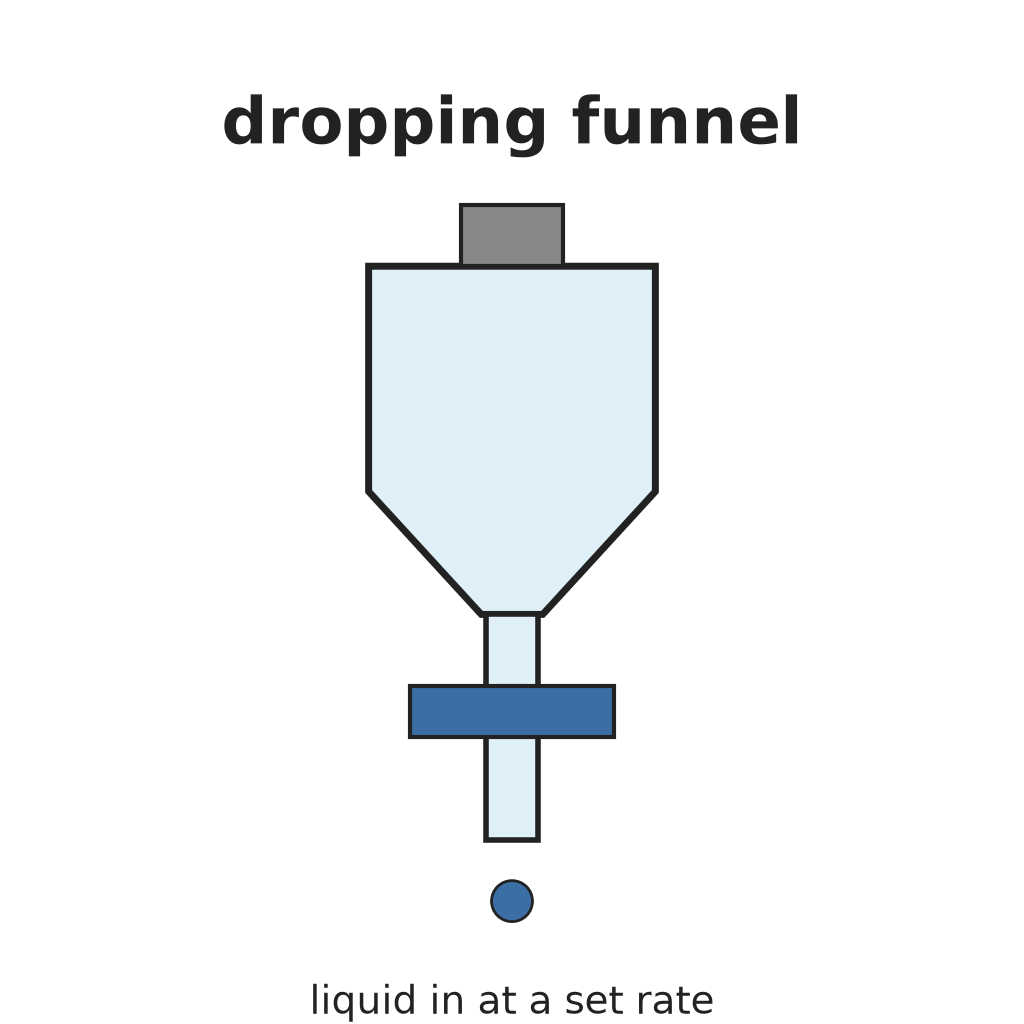 Funeli ya kudondosha
 Pamanganeti ya potasiamu
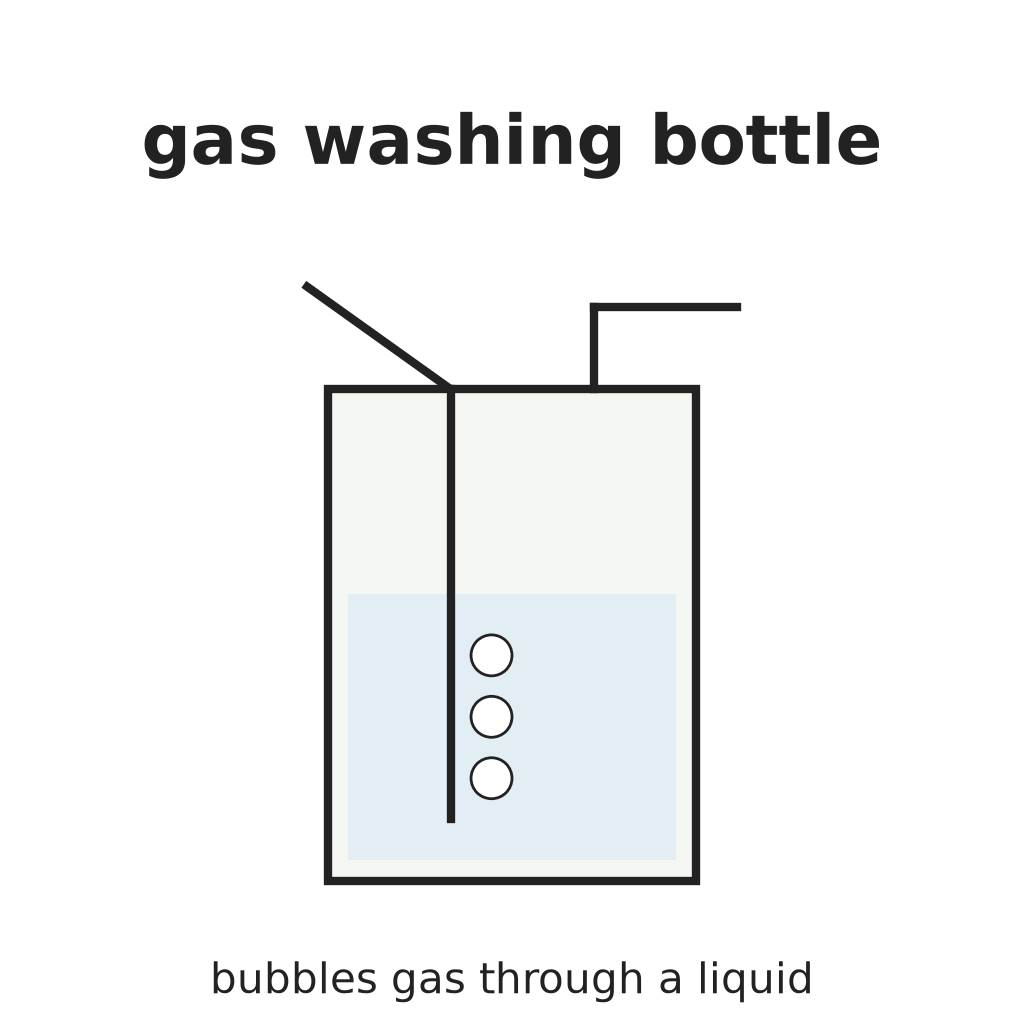 Chupa ya Kuosha Gesi
 Hifadhi ya gesi
 Maji
2
2
Make liquid air and ready the compressor
Make liquid air and ready the compressor
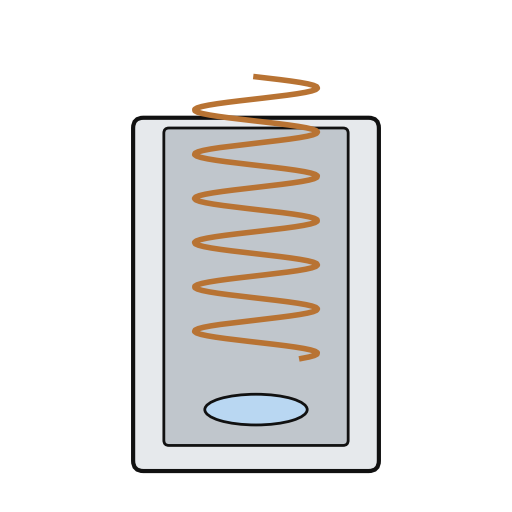
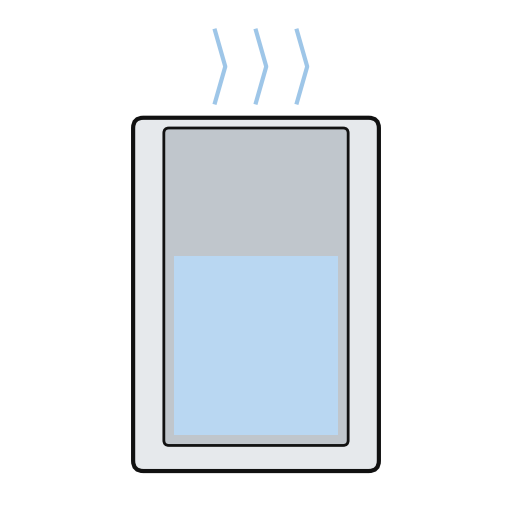
In the two or three days before, use the compressor to make liquid air with the Hampson liquefier and store it in vacuum vessels, about 8 litres in all. Then take the compressor apart and check the valves, springs and fibre packings. Remove the Hampson machine and connect the compressor through the cylinder of caustic potash to the hydrogen liquefier.
Zana zinazohitajika:
 Kibana gesi
 Kiyeyusha-hewa cha Hampson
 Hewa kiowevu
 Chombo cha ombwe (Dewar)
3
3
Cool the liquefier
Cool the liquefier
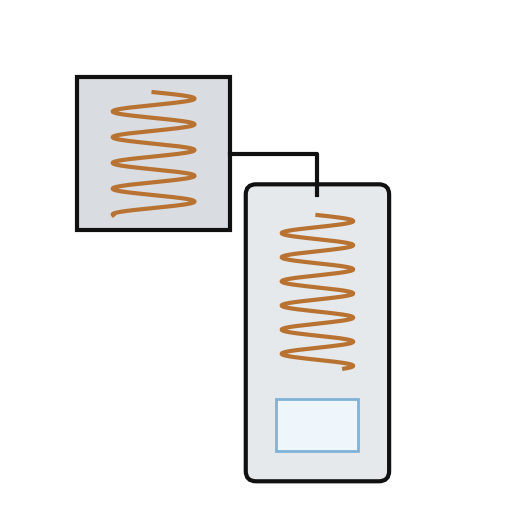
Four people are needed. Pack the vessel round coil A with solid carbonic acid and alcohol (-80 °C). Pour liquid air into chamber B and let it into chamber C, pumped down to 100 mm of mercury so it boils below -200 °C. Draw liquid air into vacuum vessel H and boil it under reduced pressure to chill the regenerator coil below -200 °C, then let it out and put vessels K and M (with a little liquid air) back in place.
Zana zinazohitajika:
 Kiyeyusho cha hidrojeni
 Kaboni dioksidi ngumu
 Ethanoli iliyoharibiwa, asilimia 95Hewa kiowevuChombo cha ombwe (Dewar)
 Pampu ya utupu
 Kipima utupu
4
4
Compress the hydrogen to 200 atmospheres
Compress the hydrogen to 200 atmospheres
Purge the air from the compressor: open cock a, run a few turns, stop and open cock rho; do this three or four times. Then raise the pressure. The first cylinder takes the gas to about 16 atm, with a little glycerol and water holding 5 % caustic soda as lubricant; the second takes it to about 200 atm. The water is separated out and the gas dried over lumps of solid caustic potash. Have it at 200 atm by the time the liquefier is cold.
Zana zinazohitajika:
Kibana gesi Glaiseroli
 Kaustiki soda (hidroksidi ya sodiamu)Maji
 Hidroksidi ya potasiamu
 Kipima Shinikizo
5
5
Expand and collect the liquid
Expand and collect the liquid
Reconnect chamber C to the exhaust pump and let liquid air in slowly (a fall of the mercury in the vacuum gauge means too fast). Open the expansion valve with the milled nut; let the gas out through the water tank for a few moments to clear the air, then open cock i so it circulates back. Keep B and the coil-A vessel topped up. Watch the glycerol gauge for the flow and turn the milled nut slowly back and forth the whole time so it does not block. H coats with white solid air; open cock r now and then, and the liquid runs through a baize filter into K. Lift K out on its wire into a vessel with a little liquid air. About 10 % of the gas is lost per run.
Zana zinazohitajika:
Kiyeyusho cha hidrojeniHewa kiowevuKaboni dioksidi ngumuChombo cha ombwe (Dewar)Pampu ya utupuKipima utupuKipima ShinikizoZana Zinazohitajika
21- Kishikilia Nafasi
- Kishikilia Nafasi
- Kishikilia Nafasi
- Kishikilia Nafasi
- Kishikilia Nafasi
- Kishikilia Nafasi
- Kishikilia Nafasi
- Kishikilia Nafasi
- Kishikilia Nafasi
- Kishikilia Nafasi
- Kishikilia Nafasi
- Kishikilia Nafasi
- Kishikilia Nafasi
- Kishikilia Nafasi
- Kishikilia Nafasi
- 1 vendor sell this, none ship to you yetKishikilia Nafasi
- Kishikilia Nafasi
- Kishikilia Nafasi
- Kishikilia Nafasi
- Kishikilia Nafasi
- Kishikilia Nafasi
Mchoro huu unatengeneza
Blueprint zinazohusiana
Blueprint hizi zinashiriki maarifa — mbinu, vifaa au kanuni


CC0 Umma Wote
Mchoro huu umetolewa chini ya CC0. Uko huru kunakili, kubadilisha, kusambaza, na kutumia kazi hii kwa madhumuni yoyote, bila kuomba ruhusa.
Saidia Mtengenezaji kwa kununua bidhaa kupitia Mchoro wao ambapo wanapata Kamisheni ya Mtengenezaji iliyowekwa na Wachuuzi, au unda marudio mapya ya Mchoro huu na uiunganishe kama kiungo katika Mchoro wako kuchangia mapato.