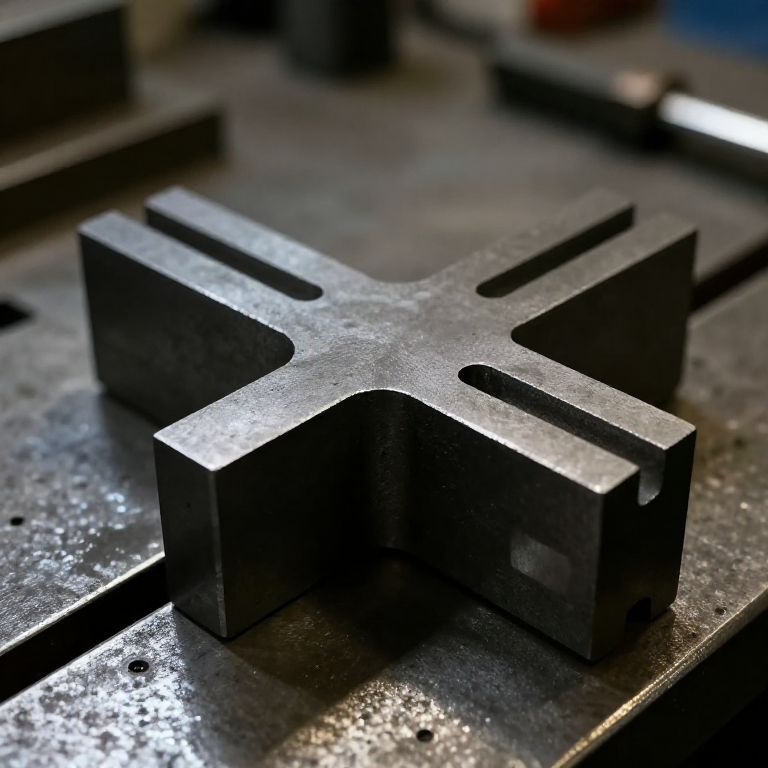


Machinist's Angle Plate
Maagizo
Build the L
Build the L
Two plates and a rigid joint between them.
- Cut a base 150 × 100 mm and an upright 150 × 120 mm from 18 mm Baltic birch plywood.
- Face the working side of each with 6 mm aluminium flat bar, fixed with M4 × 20 flat head machine screws × 6 and M4 hex nuts × 6, all countersunk below the surface.
- Join the two at a corner using a length of aluminium angle inside the joint.
- Fix the angle with M5 × 25 socket head cap screws × 6, M5 flat washers × 12 and M5 hex nuts × 6, left slightly loose for now.
Leave the joint adjustable at this stage. Squareness is set in step 3 by measurement, not by hoping the parts were cut square. Tightening everything now removes the one chance to correct it.
Countersunk faces again, for the same reason as the V-block: any fastener standing proud of a reference face becomes the reference.Vifaa kwa hatua hii:
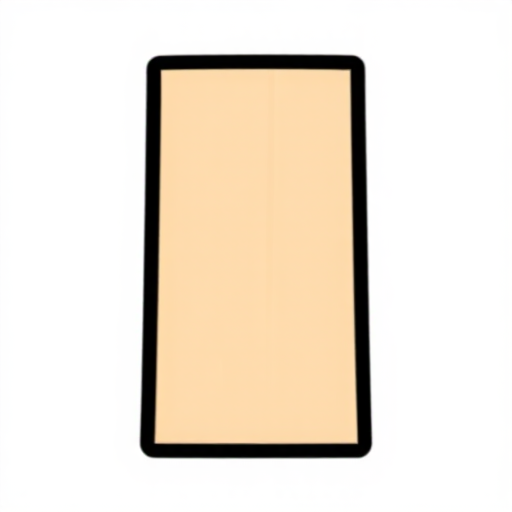 Mbao ya tabaka ya mbetula ya Baltiki1 karatasi
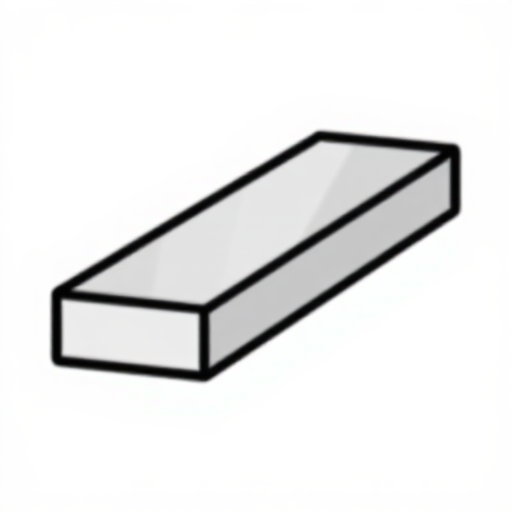 Ubao bapa wa alumini2 vipande
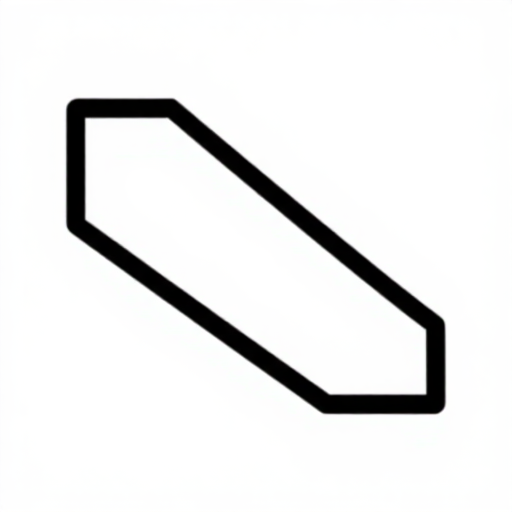 Pembe ya alumini1 kipande
 Skrubu yenye kichwa bapa6 vipande
 Nati ya pembe sita6 vipande
 Washa bapa12 vipandeNati ya pembe sita6 vipande
Zana zinazohitajika:
 Msumeno wa Kupinda
 Kekee cha Betri
 Seti ya vichimbuzi
 Seti ya Ncha za Kupanua Matundu
 Seti ya funguo za pembe sita
Cut the mounting slots
Cut the mounting slots
Slots rather than holes, so the work can be positioned rather than merely attached.
- Mark two slots on the upright, 12 mm wide, running 70 mm vertically, spaced 60 mm apart.
- Mark two more on the base, running front to back.
- Drill a 12 mm hole at each slot end and join with the coping saw.
- File the slot edges straight and deburr both faces.
Modern build spec (derived). 12 mm slots clear M6 hardware with room to slide, which is the size most hobby machine tables are tapped for. Commercial angle plates are cast iron with machined slots and are stress-relieved before final machining, because casting stresses released later will pull a finished plate out of square.
Slot width is a clearance dimension, so it does not need precision — but the slot must not break out into the plate edge. Leave at least 15 mm of material outside each slot.Zana zinazohitajika:
 Msumeno wa kukata mikunjoKekee cha BetriSeti ya vichimbuzi
 Seti ya tupa
 Skwea ya mchanganyiko
 Kipima-unene cha dijitali cha inchi 6
Set squareness by REVERSAL, not by a square
Set squareness by REVERSAL, not by a square
The clever part: find the error without owning anything known to be square.
- Stand the plate on a flat surface against a scribed line and mark along the upright's face.
- Flip the plate over left-to-right and stand it against the same line.
- Mark along the upright again.
- If the two marks coincide, the plate is square. If they diverge, the angle between them is TWICE the error.
- Adjust the loose joint by half that gap and re-test.
Zana zinazohitajika:
Skwea ya mchanganyikoKipima-unene cha dijitali cha inchi 6Seti ya funguo za pembe sitaSeti ya tupaLock it and use it
Lock it and use it
Tighten in a sequence that does not disturb what you just set.
- With squareness set, tighten the joint's six M5 screws in a cross pattern, a little at a time.
- Re-run the reversal test after tightening — clamping loads move things.
- Bolt a test piece to the upright with M6 × 40 hex bolts × 2, M6 flat washers × 4 and M6 hex nuts × 2 through the slots.
- Check the piece's free face is perpendicular to the base.
Vifaa kwa hatua hii:
Washa bapa4 vipandeZana zinazohitajika:
Seti ya funguo za pembe sitaSkwea ya mchanganyikoKipima-unene cha dijitali cha inchi 6Why squareness has to be built, and history
Why squareness has to be built, and history
Angle plates are old and unglamorous — they appear in machine shops from the earliest days of the industrial machine tool and have barely changed. The cast iron web-and-rib form exists for one reason: stiffness per unit weight, so the plate does not deflect under clamping loads. A plate that bends under its own clamps is worse than useless, because it appears rigid and is not.
The interesting part is where 90 degrees comes from in the first place. There is no natural right angle to copy. Reversal, used in step 3, is how the first accurate squares were made: compare a thing with its own mirror image and the error doubles while the reference cancels. The same self-referencing logic makes a flat plane from three plates rubbed together, which is the three-plate method elsewhere in this catalogue.
What it does among its siblings: the V-block removes the freedoms of a round bar; the angle plate presents a flat face perpendicular to another; a vise grips but guarantees no geometry at all; a sine bar sets angles that are NOT 90 degrees. Workholding is a family of freedom-removal devices, and choosing between them starts with asking which freedoms the job actually has.
Honest limits of this build: plywood and aluminium will not hold accuracy under heavy clamping the way ground cast iron does, and wood moves with humidity. Re-run the reversal check periodically rather than assuming it stays true — which is, in fairness, good practice with a real angle plate too.
Vifaa
7- 1 karatasiKishikilia Nafasi
- 2 vipandeKishikilia Nafasi
- 1 kipandeKishikilia Nafasi
- 6 vipandeKishikilia Nafasi
- 6 vipandeKishikilia Nafasi
- 16 vipandeKishikilia Nafasi
- 6 vipandeKishikilia Nafasi
Zana Zinazohitajika
9- 1 vendor sell this, none ship to you yetKishikilia Nafasi
- 1 vendor sell this, none ship to you yetKishikilia Nafasi
- Kishikilia Nafasi
- Kishikilia Nafasi
- Kishikilia Nafasi
- Kishikilia Nafasi
- Kishikilia Nafasi
- Kishikilia Nafasi
- Kishikilia Nafasi
Mchoro huu unatengeneza

Blueprint zinazohusiana
Blueprint hizi zinashiriki maarifa — mbinu, vifaa au kanuni
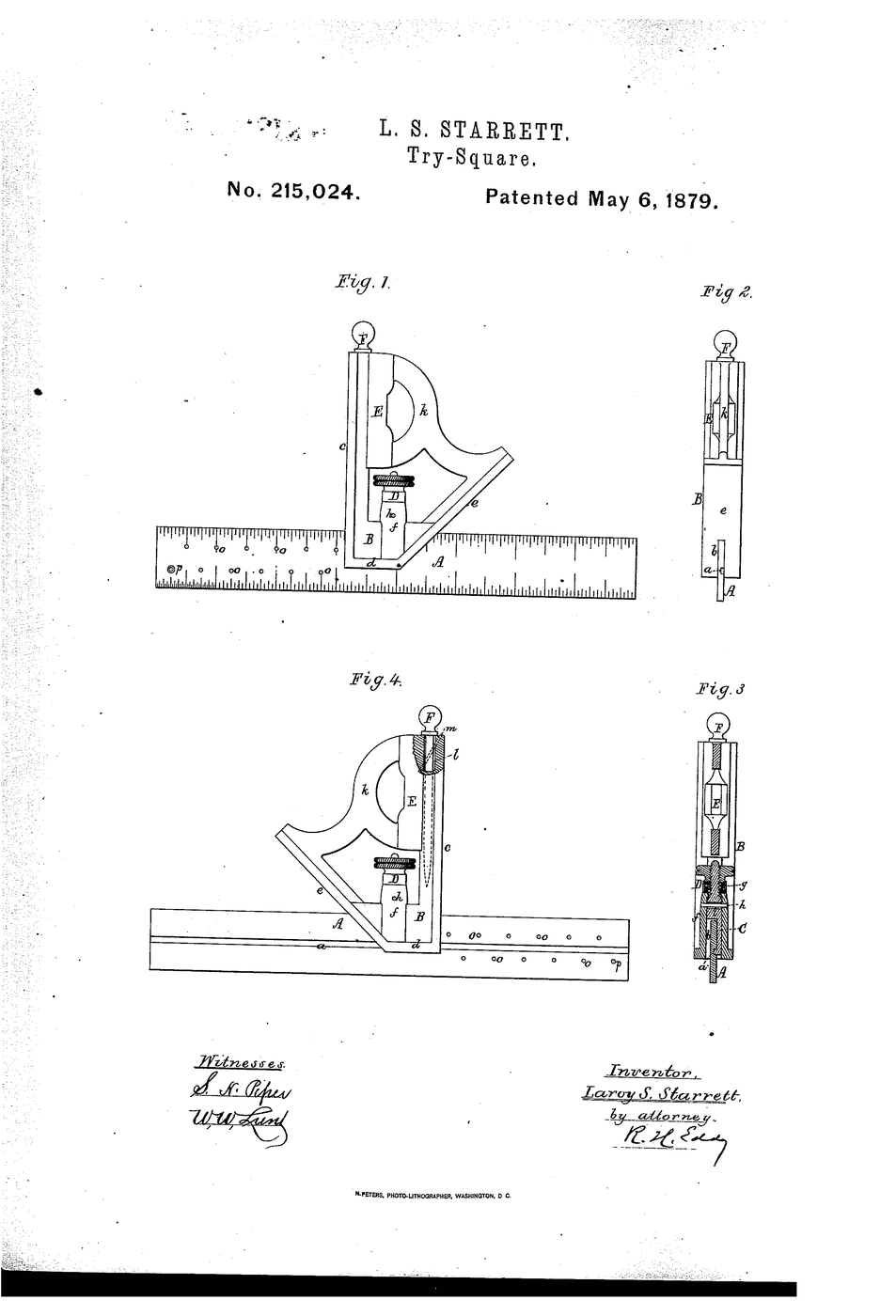
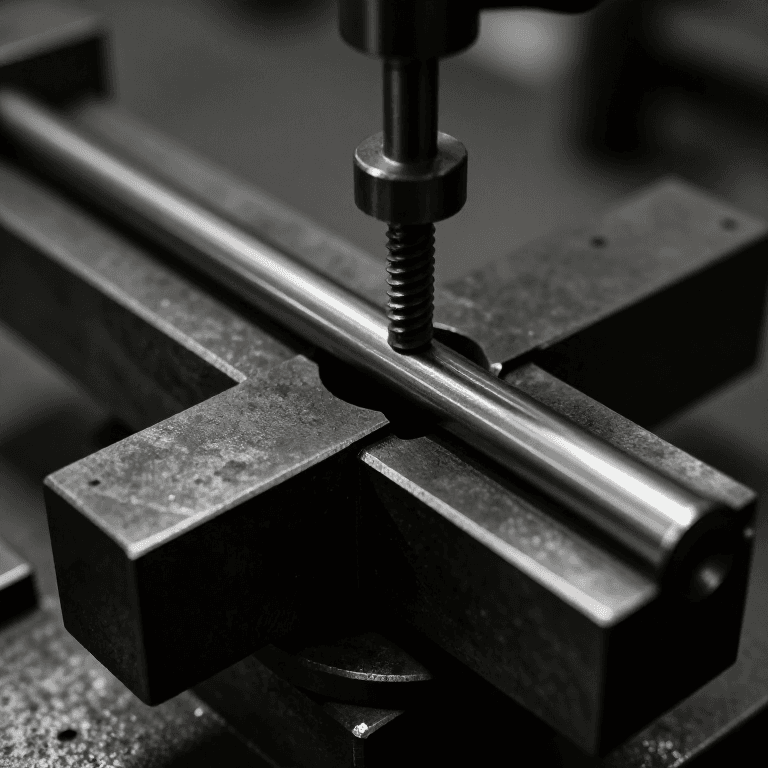
CC0 Umma Wote
Mchoro huu umetolewa chini ya CC0. Uko huru kunakili, kubadilisha, kusambaza, na kutumia kazi hii kwa madhumuni yoyote, bila kuomba ruhusa.
Saidia Mtengenezaji kwa kununua bidhaa kupitia Mchoro wao ambapo wanapata Kamisheni ya Mtengenezaji iliyowekwa na Wachuuzi, au unda marudio mapya ya Mchoro huu na uiunganishe kama kiungo katika Mchoro wako kuchangia mapato.