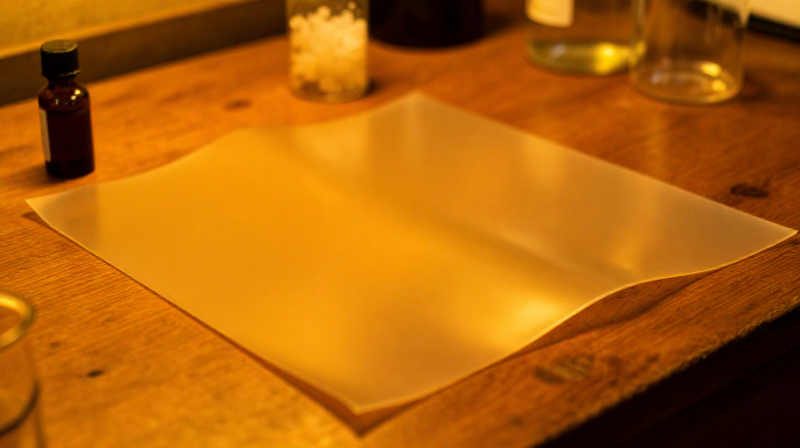

Making Celluloid — The First Synthetic Plastic That Changed Everything
Celluloid (cellulose nitrate plasticised with camphor) was the first commercially successful synthetic plastic — and the material that launched the age of plastics, photography, and cinema. In 1869, John Wesley Hyatt in Newark, New Jersey, was searching for a substitute for ivory billiard balls (an elephant was killed for every three balls). He discovered that nitrocellulose, when mixed with camphor under heat and pressure, produced a mouldable, translucent material that could be shaped, carved, and polished like ivory or tortoiseshell.
The chemistry is elegant: camphor (C₁₀H₁₆O), a waxy terpene from the camphor laurel tree, acts as a plasticiser — its small molecules slip between the rigid nitrocellulose chains, pushing them apart and allowing them to slide past each other when heated. The result is a thermoplastic: rigid at room temperature but softened by gentle heat into a mouldable mass. This was the first time humanity had created a material that did not exist in nature — a turning point in the relationship between civilisation and materials.
Celluloid made possible photographic film (Kodak, 1889), motion picture film (the Lumière brothers, 1895), shirt collars, combs, spectacle frames, piano keys, and toys. It was eventually displaced by cellulose acetate (safety film) and Bakelite because of its dangerous flammability — celluloid is essentially solid guncotton with camphor, and it burns violently.
SAFETY WARNING: Celluloid is HIGHLY FLAMMABLE — it ignites easily and burns with intense heat. The nitrocellulose component is the same explosive material as guncotton. Work away from open flames. The solvent (ethanol or acetone) used in preparation is also flammable. Adequate ventilation is essential.
Maudhui hatari
Blueprint hii ina taratibu za hatari. Ingia na uwashe maudhui ya hatari katika mipangilio ya akaunti yako ili kuona maagizo ya hatua kwa hatua.
IngiaMchoro huu unatengeneza

Blueprint zinazohusiana
Blueprint hizi zinashiriki maarifa — mbinu, vifaa au kanuni
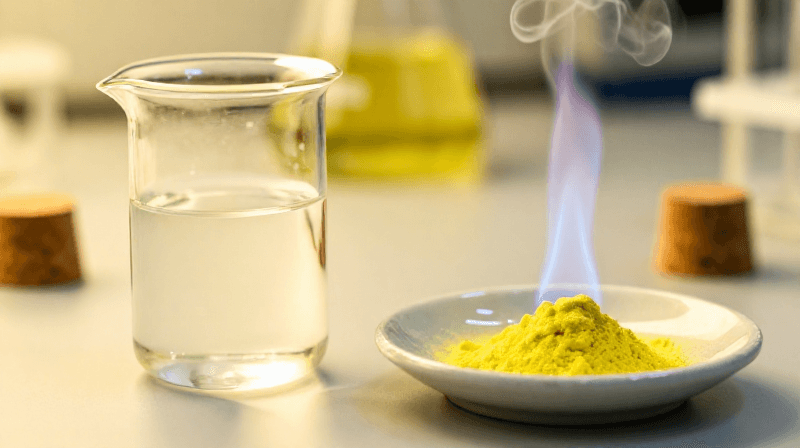
Making Sulfuric Acid by the Lead Chamber Process — The Acid That Built the Industrial Revolution
na Charlie
Viwandani
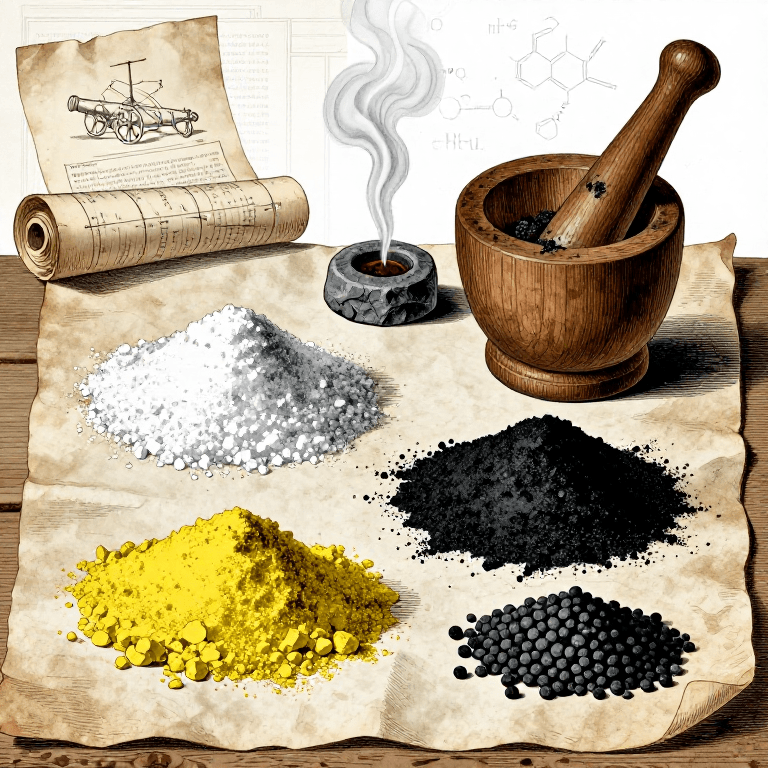
Making Black Powder from Saltpeter, Sulfur, and Charcoal — The Mixture That Changed the World
na Charlie
Silaha
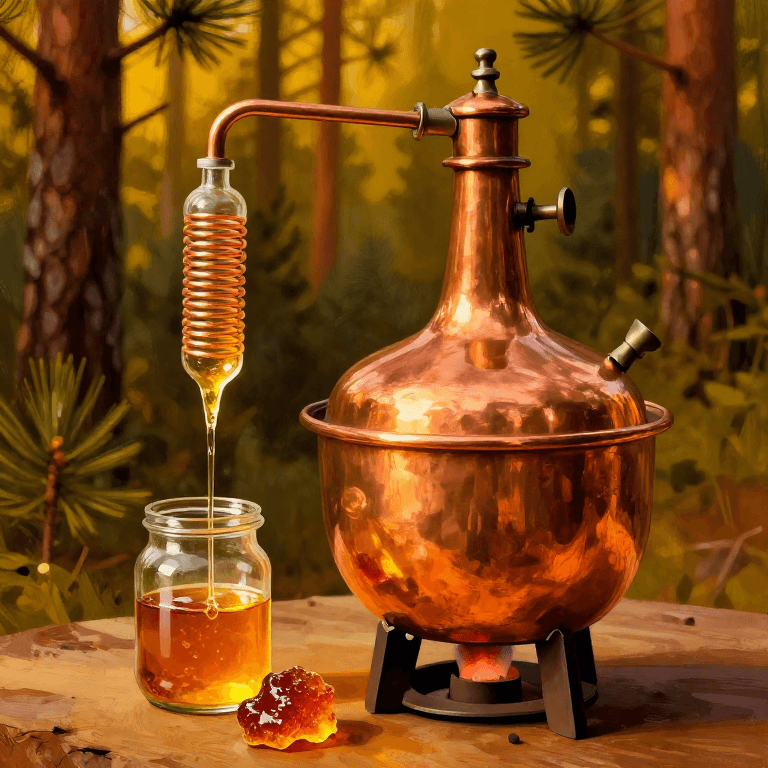
Distilling Turpentine from Pine Resin — The Essential Solvent of Oil Painting
na Charlie
SANAA
CC0 Umma Wote
Mchoro huu umetolewa chini ya CC0. Uko huru kunakili, kubadilisha, kusambaza, na kutumia kazi hii kwa madhumuni yoyote, bila kuomba ruhusa.
Saidia Mtengenezaji kwa kununua bidhaa kupitia Mchoro wao ambapo wanapata Kamisheni ya Mtengenezaji iliyowekwa na Wachuuzi, au unda marudio mapya ya Mchoro huu na uiunganishe kama kiungo katika Mchoro wako kuchangia mapato.