SANAA
UREMBO NA USTAWI
UJANJA
UTAMADUNI NA HISTORIA
BURUDANI
MAZINGIRA
CHAKULA NA VINYWAJI
UHANDISI WA KINYUME
SAYANSI
MICHEZO
TEKNOLOJIA
VAZI
Limetafsiriwa


Kutengeneza Metheglin Asili Yenye Vipepeta — Divai ya Asili ya Zaman ya Kati
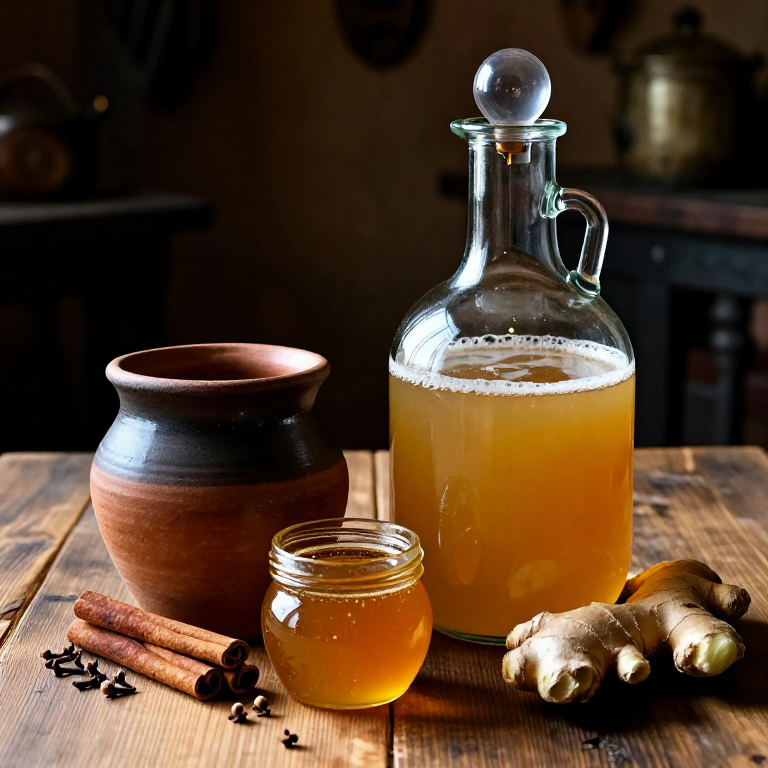
Metheglin ni aina ya divai ya asili yenye vipepeta yenye mizizi katika jadi la Welsh ya Zaman ya Kati — jina linazotokeza kutoka kwa Kiwalezi meddyglyn, maana ndiyo kinywaji cha uponyaji. Ilikuwa ikiweza kupangwa kwa kutengeneza asili na maji kwa kujumuisha tabia na vipepeta vya kuaminika kuwa na mali ya kinaboresho. Tofauti na mulsum (asili yenye mchanganyiko katika divai ya zabibu), asili inatengeneza kabisa kutokea asili. Mpango huu unajumuisha kutengeneza metheglin ya jadi na mdalasini, karafuu, na tangawizi.
Kati
dakika 120-180 inayotumika, wiki 4-8 ya kutengeneza
Maagizo
1
1
Andaa Must
Andaa Must
Joto lita 2 la maji hadi digrii takriban 40 Celsius (joto lakini si moto sana — joto linalotozidi linaloharibu aromatiziina nyeti ya asili na linaweza kukaramela sukari). Jumuisha asili na koroga hadi kumatatuliwa kabisa. Jumuisha lita 2 iliyobaki ya maji safi ili kuleta kiasi cha jumla hadi takriban lita 4.5. Cambio inayotokea ya maji na asili (must) inapaswa kuwa na kuzaliwa maalum ya takriban 1.110-1.120, ambayo itazalisha asili takriban asilimia 12-14 ya pombe baada ya kutengeneza. Wakaajiwana wa asili wa Zaman ya Kati hawakutumia pasteurisasyon ya must yao — chachu za kimwili katika asili safi zilichangia kutengeneza. Kwa ajili ya ujitikisaji zaidi, mtendo wa sasa unaongeza chachucha divai yenye ziada, ambayo inatofautiana na jinsia wa kimwili.
Vifaa kwa hatua hii:
 Asali1.5 kg kg
 Maji4 litres lita
Zana zinazohitajika:
 Sufuria Kubwa
2
2
Jumuisha Vipepeta
Jumuisha Vipepeta
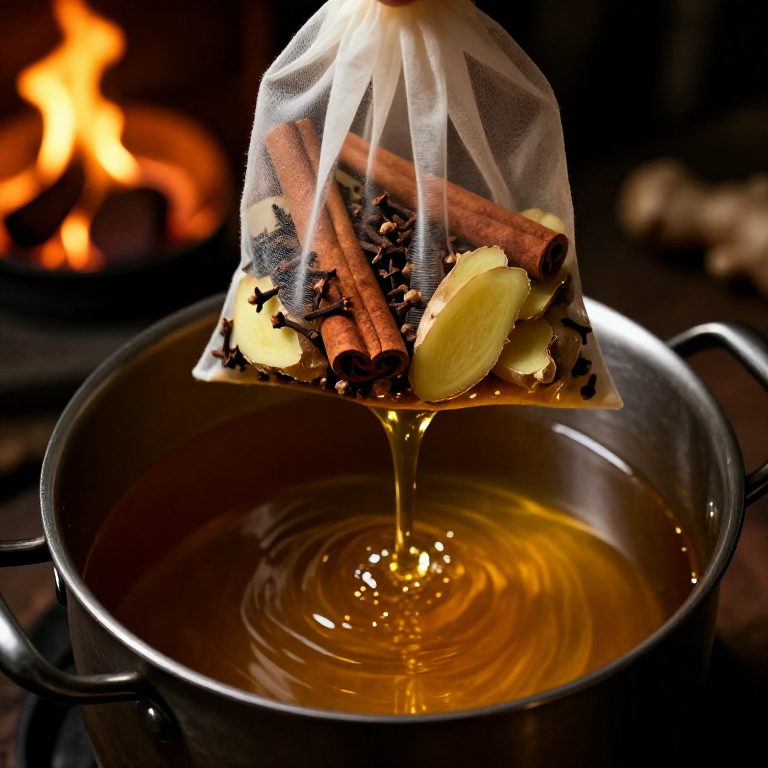
Weka miti ya mdalasini, karafuu nzima, na tangawizi iliyokatwa katika mfuko mdogo wa muslin au mfuko mdogo wa gaze uliofungwa kwa kamba (mfuko wa vipepeta). Zamisha hili katika must. Vipepeta vinaweza kuambatanishwa moja kwa moja, lakini mfuko linafanya kutoa kutoka kuwa rahisi wakati kuzaliwa kwa kielelezo cha ladha kinachohitajika. Mapishi ya metheglin ya Zaman ya Kati yalikuwa yanasika kwa kila njia — Sheria za Hywel Dda za karne ya 14 zinajumuisha wakaajiwana wa asili kama wakajibazi wa mahakama yenye thamani, na mapishi yao yalilindwa kwa wivu. Vipepeta vya kawaida vya metheglin ilikuwa mdalasini, tangawizi, karafuu, muskatnati, rosmari, na nyasi tofauti za dawa. Anza na kiasi kichafu — ladha ya vipepeta inaongezwa wakati wa wiki za kutengeneza na kuzeeka.
Vifaa kwa hatua hii:
 Vijiti vya mdalasini2 sticks kipande
 Karafuu4-6 cloves kipande
 Tangawizi15-20 grams g
Zana zinazohitajika:
 Kitambaa (cha Kuchuja)
3
3
Changia Chachu na Anza Kutengeneza
Changia Chachu na Anza Kutengeneza
Baridi must hadi digrii takriban 20-22 Celsius. Hamisha kwenye chombo cha kutengeneza kilichofafanuliwa. Jumuisha virutubishi vya chachu ikiwa unavitumia (asili ni maskini katika virutubishi ikilinganishwa na maji ya zabibu, na kutengeneza kunaweza kusimama bila naitrojeni ya ziada — wakaajiwana wa asili wa Zaman ya Kati walikuwa wanavyo kumpatia virutubishi bila kuzingatia kupitia uchafu katika asili safi na kuongezwa kama matunda au nafaka). Kumimina chachu juu ya uso wa must na weka kfunga kila mahali. Kutengeneza kinapaswa kuanza katika saa 24 hadi 48, kinachoonekana kama bubbles katika kfunga kila mahali. Asili inasingira polepole zaidi kuliko bia au divai kwa sababu ya msongamano wa sukari wa juu na sura ya virutubishi ya chini — tarajia kutengeneza kinachofanya kazi kuendelea kwa wiki 2 hadi 4.
Vifaa kwa hatua hii:
 Hamira ya mvinyo1 packet (5g) packet
 Lishe ya hamira1 teaspoon tsp
Zana zinazohitajika:
 Chombo cha uchachushaji (chupa kubwa ya kioo)
 Kiuadudu Star San
4
4
Siphon na Kuondoleza Vipepeta
Siphon na Kuondoleza Vipepeta
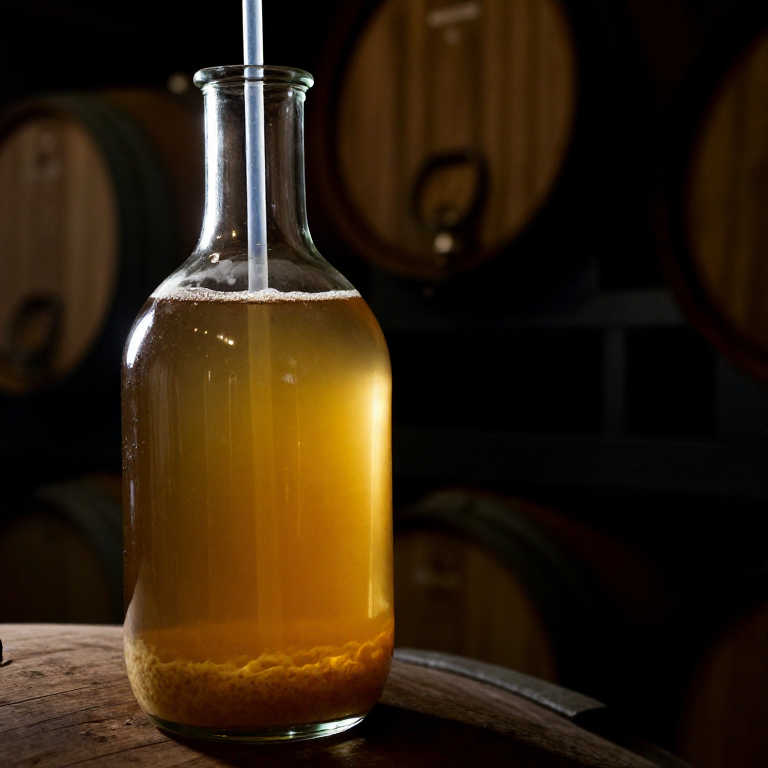
Baada ya wiki 2 hadi 3, wakati moto wa shinikizo lilipungua kwa kila jambo, onja asili kutathmini kiwango cha vipepeta. Ikiwa uzalishaji wa vipepeta ni wa kutosha, ondoleza mfuko wa vipepeta. Ikiwa wakati zaidi unastahili, acha vipepeta kwa wiki nyingine. Siphon (siphon) asili safi kutokea chembechembe (ambapo) chini ya kutengeneza hadi chombo safi cha upili, acha chembechembe za chachu. Siphon hii inafanya asili kuwa na ukweli na inakamatiana na seli za chachu zilizofa ambazo zinaweza kuchangia ladha asiyenipendeza. Kubadilisha kfunga kila mahali na kuruhusu asili kuendelea matangazo katika chombo cha upili kwa wiki 4 hadi 8 zaidi, siphon tena ikiwa chembechembe zenye kuzaliwa hukusanywa.
Zana zinazohitajika:
 Kinyonyaji cha kujiendesha
5
5
Chupa na Kuzeeka
Chupa na Kuzeeka
Wakati asili kuwa safi na si kutengeneza bubbles zaidi, ni tayari kwa kutengeneza chupa. Siphon katika chupa safi, acha chembechembe yoyote iliyobaki. Kufunga au kumfunga chupa. Metheglin inatokea kupata manufaa makubwa kutokea kuzeeka — ingawa inaweza kunywa haraka, ladha zikipata kuchanganya na kuwa laini katika miezi 3 hadi 6, na metheglin bora inaendelea kuboreswa kwa miaka 1 hadi 2. Hifadhi chupa katika mahali yenye ubaridi na giza upande mmoja (ikiwa kufungwa). Metheglin iliyokamilika inapaswa kuwa kioevu safi la dhahabu-karame yenye muundo unaozaliwa tata — uzuri wa asili unatozaliwa kwa joto la tangawizi, kina la mdalasini na kumkwa aromatie ya karafuu. Madokta wa Zaman ya Kati walikuwa wamehaidhi metheglin kwa matatizo ya kumeza, baridi, na nguvu za jumla, na walichukua mahali la heshima katika meza za karamu za Kiwalezi na Kiingereza katika Zaman ya Kati.
Zana zinazohitajika:
 Chupa za bia za rangi ya kahawia
Vifaa
9- 1.5 kg kgKishikilia Nafasi
- 4 litres litaKishikilia Nafasi
- 2 sticks kipandeKishikilia Nafasi
- 4-6 cloves kipandeKishikilia Nafasi
- 15-20 grams gKishikilia Nafasi
- 1 packet (5g) packetKishikilia Nafasi
- 1 teaspoon tspKishikilia Nafasi
- 4-6 cloves kipandeKishikilia Nafasi
- 15-20 grams kipandeKishikilia Nafasi
Zana Zinazohitajika
10- Kishikilia Nafasi
- Kishikilia Nafasi
- Kishikilia Nafasi
- Kishikilia Nafasi
- Kishikilia Nafasi
- Kishikilia Nafasi
- Kishikilia Nafasi
- Kishikilia Nafasi
- Kishikilia Nafasi
- Kishikilia Nafasi
Mchoro huu unatengeneza

CC0 Umma Wote
Mchoro huu umetolewa chini ya CC0. Uko huru kunakili, kubadilisha, kusambaza, na kutumia kazi hii kwa madhumuni yoyote, bila kuomba ruhusa.
Saidia Mtengenezaji kwa kununua bidhaa kupitia Mchoro wao ambapo wanapata Kamisheni ya Mtengenezaji iliyowekwa na Wachuuzi, au unda marudio mapya ya Mchoro huu na uiunganishe kama kiungo katika Mchoro wako kuchangia mapato.