SANAA
UREMBO NA USTAWI
UJANJA
UTAMADUNI NA HISTORIA
BURUDANI
MAZINGIRA
CHAKULA NA VINYWAJI
UHANDISI WA KINYUME
SAYANSI
MICHEZO
TEKNOLOJIA
VAZI
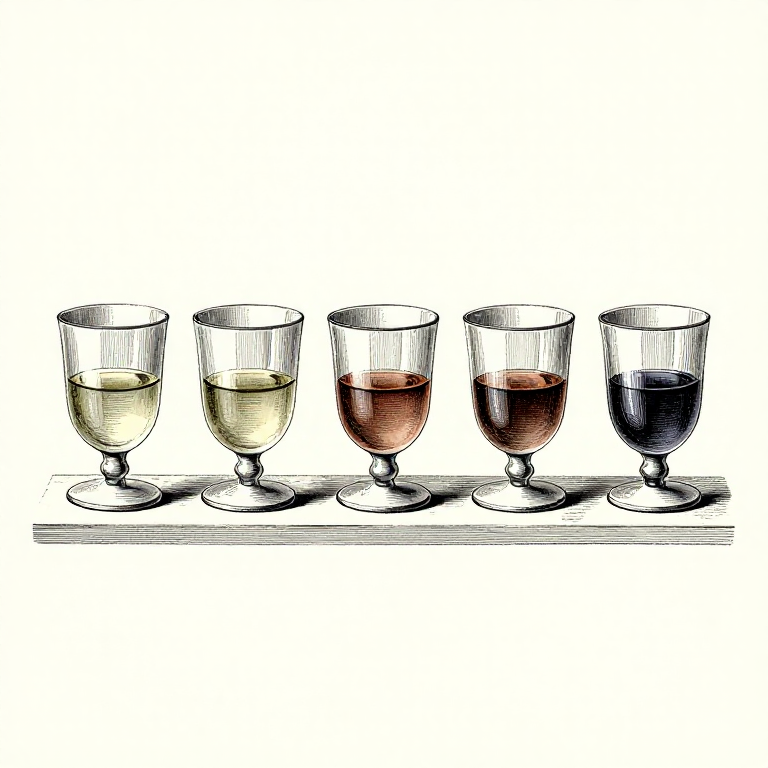

Off-Flavours: Each One Names a Mistake
A drink that tastes wrong is telling you which decision went wrong, and there are only about a dozen candidates. Each has a recognisable character and a specific cause, which makes off-flavours diagnostic rather than simply disappointing.
Most of them come from the fermentation rather than the recipe — temperature, pitching rate, oxygen and sanitation, which are the four rungs before this one. That is not a coincidence: the ingredients decide what a drink could be, and the ferment decides what it is.
And most are preventable rather than curable. A few clean up with time on the yeast; the rest are permanent, which is why recognising them matters more for the NEXT batch than for this one.
Kati
3 hours
Maagizo
1
1
The four that come from fermentation temperature
The four that come from fermentation temperature
FUSEL ALCOHOLS — hot, solventy, like nail varnish, and a headache afterwards. Fermented too warm, or under-pitched so the yeast grew too hard. Permanent.
ESTERS — fruity, banana, pear drops. Warm fermentation again, and also under-pitching. Desirable in some styles and a fault in others, which is the clearest example of temperature as a dial rather than a mistake.
PHENOLS — clove, smoke, medicinal, plastic. Some yeasts make them deliberately (Belgian, wheat beer strains); in a strain that should not, they mean wild yeast contamination or chlorine in the water reacting with yeast compounds. The chlorine version is fixed by using filtered water or a campden tablet, and it is far commoner than people expect.
Vifaa kwa hatua hii:
 Chachu ya kuzalisha1 kipande
 Maji1 lita
Zana zinazohitajika:
 Kipimajoto cha Kusoma Papo Hapo
2
2
The two the yeast will clean up if you let it
The two the yeast will clean up if you let it
DIACETYL — butter, butterscotch, a slick feel. It is produced by every fermentation and reabsorbed by healthy yeast afterwards. Tasting it in a finished beer means the beer was taken off the yeast too early, or chilled before the yeast had finished.
ACETALDEHYDE — green apple, fresh-cut pumpkin. The intermediate between sugar and alcohol, also reabsorbed. Same cause, same cure: leave it on the yeast, warm, for a few more days.
Both are the argument for a diacetyl rest and for patience at the end. They are also the two faults most likely to be tasted in an over-hurried batch, and the only two on this list that time reliably fixes.
Zana zinazohitajika:
Kipimajoto cha Kusoma Papo Hapo Kipima-uzito na chupa ya majaribio ya bia
3
3
The ones that mean something got in
The ones that mean something got in
SOUR, tart, lactic — lactobacillus or pediococcus. Wanted in a sour beer, a contamination anywhere else, and it usually comes from a scratched plastic vessel or a hose that was not replaced.
VINEGAR — acetic acid bacteria, which need oxygen. That points straight at the oxygen rung: a slack lid, a long half-empty vessel, or splashing during racking.
A RING of growth at the liquid surface, or a white film, is a wild yeast or a pellicle. Some are harmless and some are not, but either way the vessel and every hose that touched the batch need replacing rather than cleaning, because plastic does not come clean once it is scratched.
Zana zinazohitajika:
 Seti ya kusafisha na kuua vijidudu kwa utengenezaji wa bia
 Kinyonyaji cha kujiendesha
 Lupu ya Kukuza
4
4
Taste deliberately, and against something known
Taste deliberately, and against something known
Learning to name these takes reference points. Commercial off-flavour kits exist and are worth doing once; failing that, tasting a known-good commercial example of the style alongside your own is a control in the experimental sense.
Taste at serving temperature, in a glass that concentrates the aroma, and smell before you sip. Most of these are aromas rather than tastes, and a cold sample in a straight glass hides nearly all of them.
Write it down against the batch's log — its temperature record, its pitching rate, its timings. A named off-flavour next to the number that caused it is the whole point, and it is how the next batch is better rather than just different.
Zana zinazohitajika:
Kipimajoto cha Kusoma Papo HapoZana Zinazohitajika
5- Kishikilia Nafasi
- Kipima-uzito na chupa ya majaribio ya biaKamisheni 10%Kishikilia Nafasi
- Kishikilia Nafasi
- Kishikilia Nafasi
- Kishikilia Nafasi
Blueprint zinazohusiana
Blueprint hizi zinashiriki maarifa — mbinu, vifaa au kanuni
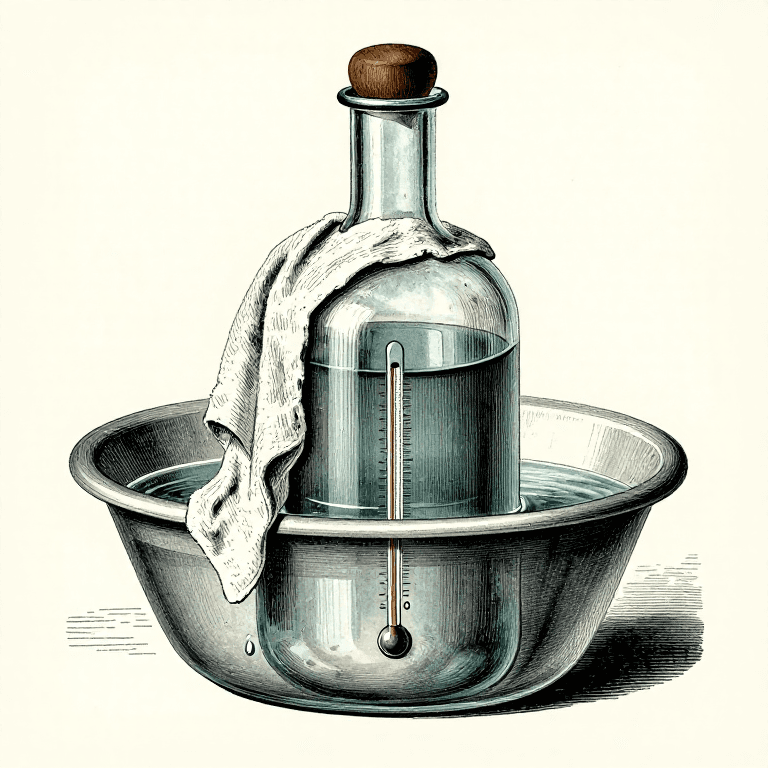
Temperature: The Biggest Lever on Flavour, and It Is Not the Room
na Alchometer
Kutengeneza pombe
32
0
0
0
0
0
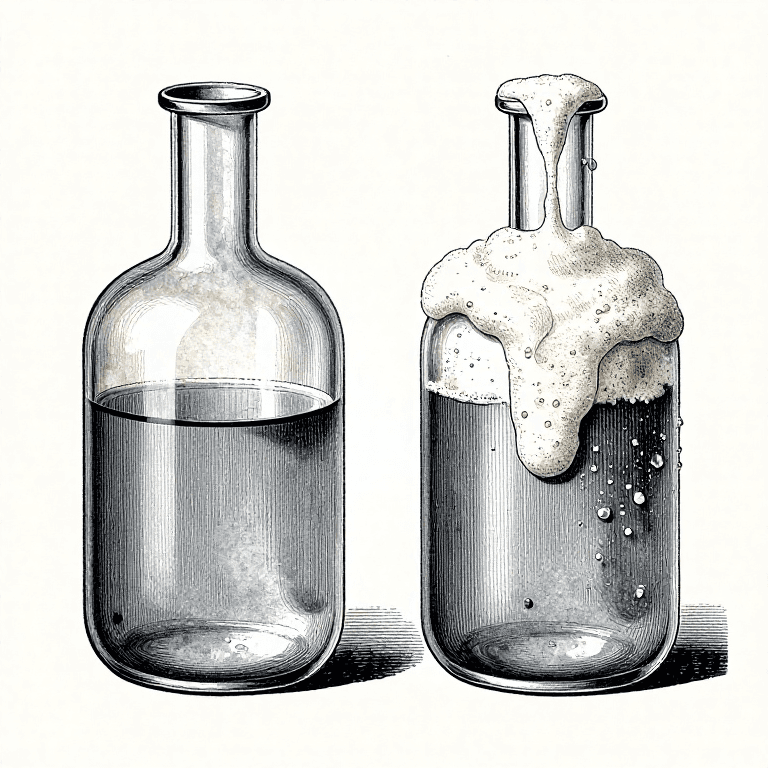
Pitching Rate and Lag Phase: The First Day Decides the Flavour
na Alchometer
Kutengeneza pombe
32
0
0
0
0
0
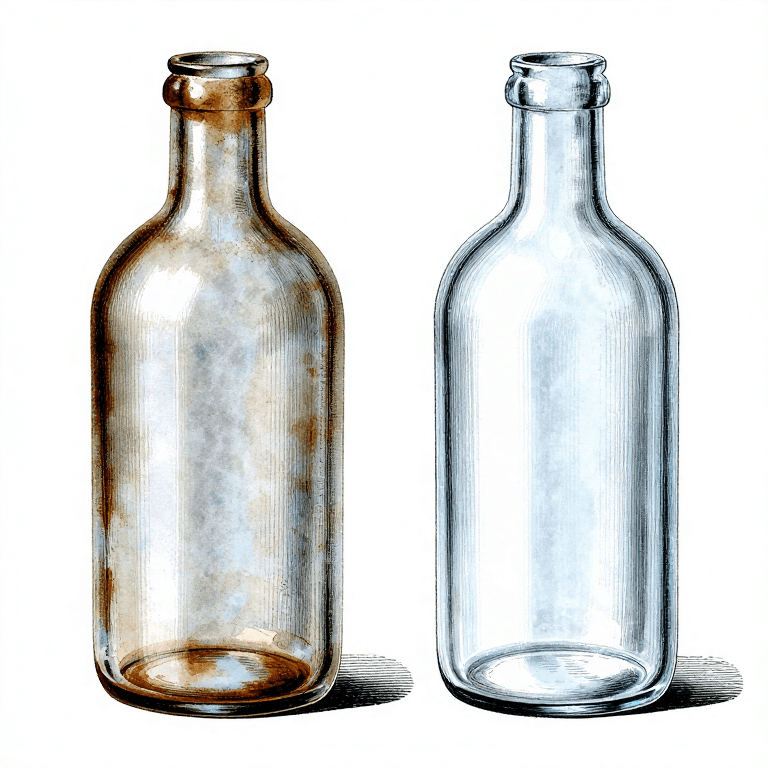
Sanitation Is Not Sterilisation: You Are Choosing Which Microbes Win
na Alchometer
Kutengeneza pombe
35
0
0
0
0
0
CC0 Umma Wote
Mchoro huu umetolewa chini ya CC0. Uko huru kunakili, kubadilisha, kusambaza, na kutumia kazi hii kwa madhumuni yoyote, bila kuomba ruhusa.
Saidia Mtengenezaji kwa kununua bidhaa kupitia Mchoro wao ambapo wanapata Kamisheni ya Mtengenezaji iliyowekwa na Wachuuzi, au unda marudio mapya ya Mchoro huu na uiunganishe kama kiungo katika Mchoro wako kuchangia mapato.