SANAA
UREMBO NA USTAWI
UJANJA
UTAMADUNI NA HISTORIA
BURUDANI
MAZINGIRA
CHAKULA NA VINYWAJI
UHANDISI WA KINYUME
SAYANSI
MICHEZO
TEKNOLOJIA
VAZI
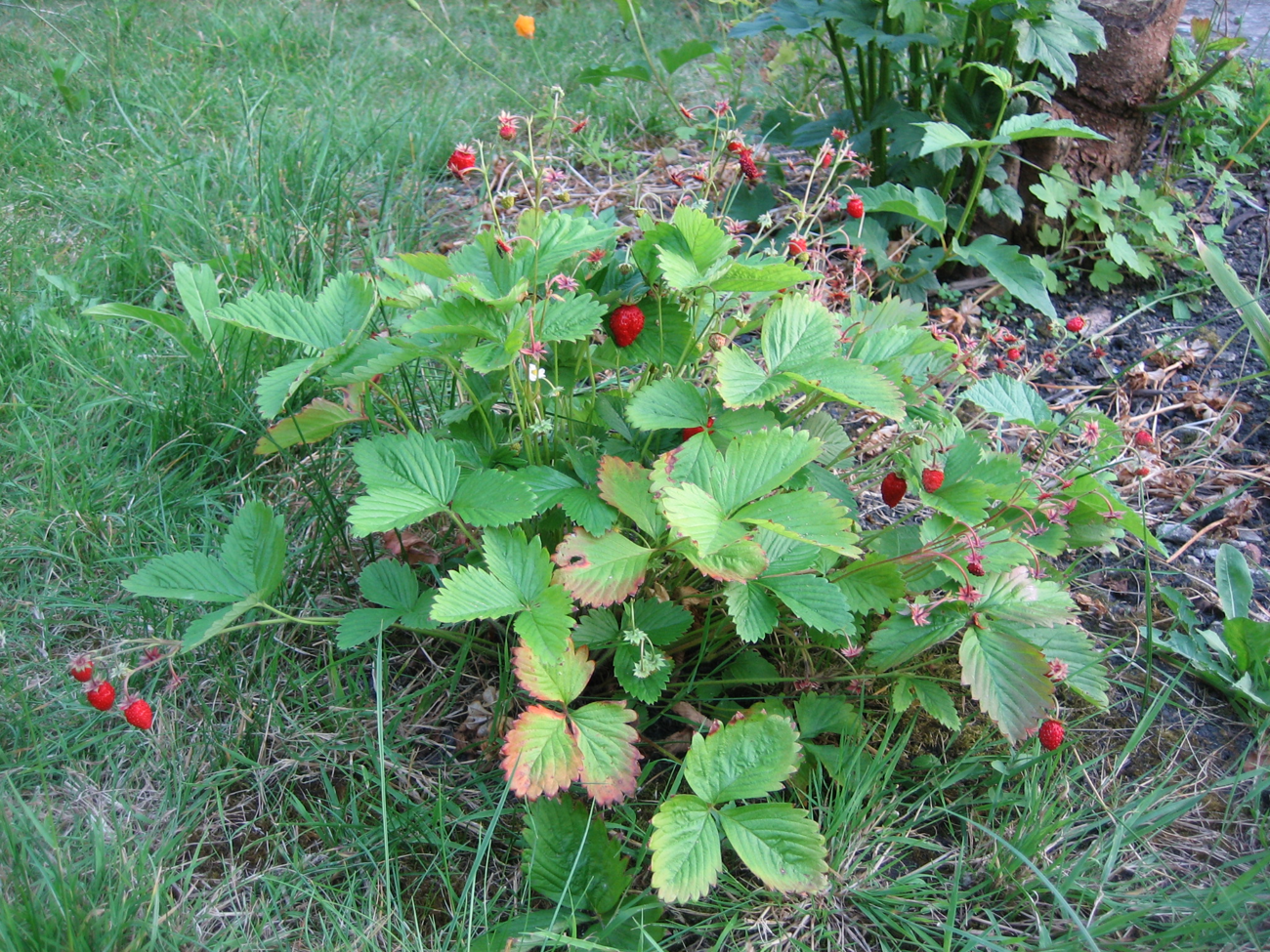
James McNally (Wikimedia Commons) · CC BY-SA 3.0


Propagating Strawberries from Runners — The Plant That Layers Itself
Let a strawberry plant clone itself for you. In summer it throws out RUNNERS — horizontal stems that carry baby plants, each of which roots where it touches the ground. Peg the daughter down while it's still fed by the mother, let it root, then snip it free as a new plant. A buildable school project in the runner (stolon) and natural layering.
Mwanzo
A few weeks in summer
Maagizo
1
1
The plant that plants itself
The plant that plants itself
A strawberry doesn't wait for you. In summer it sends out RUNNERS — long horizontal stems (stolons) that carry little baby plants along their length. Where a baby touches soil it puts down roots and becomes a whole new plant, an exact clone of the mother. Your job is just to help it happen where you want it.
2
2
Let the mothers throw runners
Let the mothers throw runners
After the main crop finishes, healthy mother plants push out runners across the bed. Pick your propagation plants from strong, heavy-cropping, disease-free mothers only — whatever the mother carries, good or bad, is copied into every daughter.
Vifaa kwa hatua hii:
 Stroberi1 plant
3
3
Peg down the first plantlet
Peg down the first plantlet
The FIRST plantlet on a runner (nearest the mother) is the strongest — use that one. Sink a small pot of compost into the soil beneath it, sit the plantlet on the compost, and pin it down with a bent wire staple so its little node presses onto the moist soil. Leave it joined to the mother.
Vifaa kwa hatua hii:
 Mboji1 bag
Zana zinazohitajika:
 Waya wa shaba-nyeusi
4
4
Let it root while still attached
Let it root while still attached
Keep the soil moist. Because the daughter stays connected to the mother by the runner, the mother keeps feeding and watering it while it grows its own roots — exactly like air layering, but along the ground. In two to four weeks it will be rooting firmly into the pot.
5
5
Sever from the mother
Sever from the mother
Once the plantlet is well rooted (a gentle tug meets resistance and you see fresh new leaves), cut the runner that joins it to the mother. It is now an independent young plant standing on its own roots.
Zana zinazohitajika:
 Mkasi wa kupogolea
6
6
Lift and transplant
Lift and transplant
Lift the rooted daughter (or its sunk pot) and plant it into its new bed at the same depth — crown right at soil level, not buried, not perched. Water it in, label it, and keep it moist while it settles.
Vifaa kwa hatua hii:
 Vibandiko vya Alama1 karatasi
7
7
Renew the patch every few years
Renew the patch every few years
Strawberry plants tire after about three years — less fruit, more disease — so root a fresh batch of runners each summer and start a new bed on clean ground, retiring the oldest. Only ever propagate from vigorous, healthy mothers, since viruses quietly build up down the generations of clones.
8
8
Compendium — the stolon and natural layering
Compendium — the stolon and natural layering
A strawberry runner is a STOLON — a stem that grows sideways instead of upward, skimming along the soil surface, with a baby plant (a clone of the mother) waiting at each node. When that node meets moist ground it grows roots straight down and a rosette of leaves up, and a new strawberry plant is born. This is LAYERING done by the plant itself: it is the very same principle as air layering, where a stem roots while still attached to and fed by the parent, only here the strawberry lowers its own stem to the ground and does it automatically. That attachment is the whole advantage — the daughter can't wilt or starve while it roots, because the mother's supply line keeps flowing until the moment you cut it, so success is almost guaranteed (which is why this is the easiest clone a beginner can make). Like every runner, clove, cutting and graft, the daughter is genetically IDENTICAL to the mother, so the variety stays perfectly true — with the same clone catch that any virus in the mother is copied along, which is why you only ever propagate from healthy plants and why buying certified virus-free stock now and then keeps a patch productive. Many plants travel this way — spider plants, ajuga, and the strawberry's own wild ancestors — using stolons to march across open ground and colonise it. For the gardener it is a free, effortless nursery: peg down the babies you want, snip the rest off so the mothers put their strength into fruit, and a single good strawberry plant becomes a whole new bed in one summer.
Vifaa
3- 1 plantKishikilia Nafasi
- 1 bagKishikilia Nafasi
- 1 karatasiKishikilia Nafasi
Zana Zinazohitajika
2- Kishikilia Nafasi
- Kishikilia Nafasi
Mchoro huu unatengeneza

Blueprint zinazohusiana
Blueprint hizi zinashiriki maarifa — mbinu, vifaa au kanuni

CC0 Umma Wote
Mchoro huu umetolewa chini ya CC0. Uko huru kunakili, kubadilisha, kusambaza, na kutumia kazi hii kwa madhumuni yoyote, bila kuomba ruhusa.
Saidia Mtengenezaji kwa kununua bidhaa kupitia Mchoro wao ambapo wanapata Kamisheni ya Mtengenezaji iliyowekwa na Wachuuzi, au unda marudio mapya ya Mchoro huu na uiunganishe kama kiungo katika Mchoro wako kuchangia mapato.