SANAA
UREMBO NA USTAWI
UJANJA
UTAMADUNI NA HISTORIA
BURUDANI
MAZINGIRA
CHAKULA NA VINYWAJI
UHANDISI WA KINYUME
SAYANSI
MICHEZO
TEKNOLOJIA
VAZI

The Seven-Segment LED Display
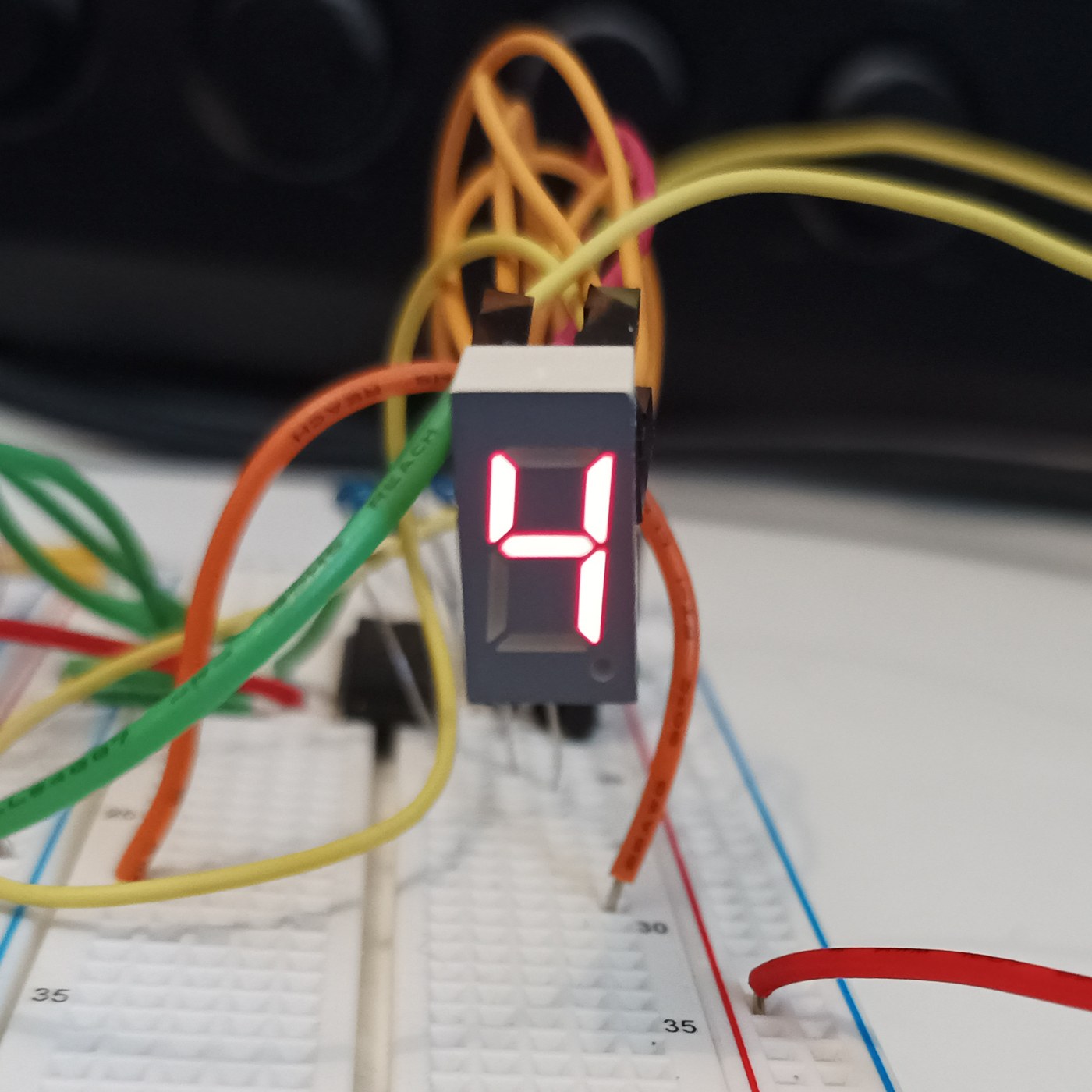
The opposite of the Nixie: instead of a shaped numeral at 170 V, the fewest straight lines that still make every digit — seven bars in a figure eight, at 2 V and pennies. It looks like sticks and nobody cares, because it is seven LEDs and never wears out. You will build a four-digit display and confront its one clever idea, multiplexing, then measure the refresh rate at which the flicker vanishes for your own eyes.
Mwanzo
4 hours
Maagizo
1
1
Seven sticks, ten digits, and the sibling that used 170 volts
Seven sticks, ten digits, and the sibling that used 170 volts
Nixie versus seven-segment: the same job, opposite answers. The Nixie shows the real numeral shape at 170 V and poisons its cathodes; the seven-segment builds each digit from seven bars (a-g) at 2 V and never wears out. Before wiring, draw a figure eight, label the bars a-g, and write which bars light for each digit 0-9. That table is the whole interface and becomes the lookup table in the code step.
Vifaa kwa hatua hii:
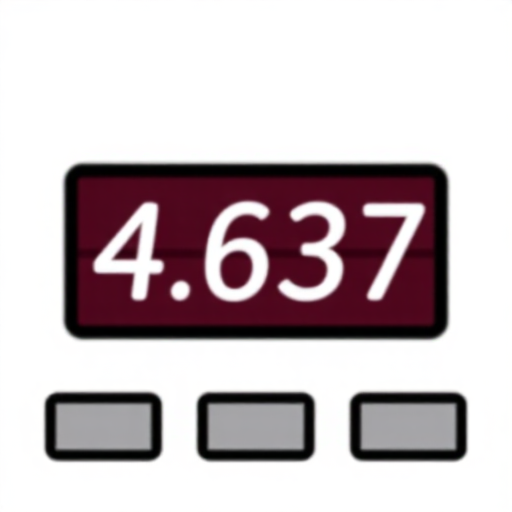 Kionyesho cha tarakimu 4 za sehemu 7 (TM1637)1 kipande
2
2
Wire it: seven segment resistors, one transistor per digit
Wire it: seven segment resistors, one transistor per digit
The multiplex wiring. All four digits' matching segments share one pin through ONE resistor — seven segment lines, seven resistors, whatever the digit count. Each digit's common cathode switches to ground through one NPN. Resistors go on the SEGMENTS, not the digits, or an 8 shares one resistor seven ways and dims. Four digits: eleven pins instead of twenty-eight. That saving is why you multiplex.
Inapakia kitazamaji cha KiCanvas...
Kitazamaji cha Kitaalamu cha Usanifu wa PCB
Vifaa kwa hatua hii:
Kionyesho cha tarakimu 4 za sehemu 7 (TM1637)1 kipande Seti ya vizuizi vya umeme1 kifaa
 Mchanganyiko wa transista1 seti
Zana zinazohitajika:
 Bao la Majaribio
 Kituo cha Kulehemu
3
3
Drive it, and find the flicker frequency for your own eyes
Drive it, and find the flicker frequency for your own eyes
The sketch multiplexes the four digits, then sweeps the refresh rate down so YOU find the frequency at which the steady number breaks into flicker — your flicker-fusion threshold, higher in peripheral vision. Each digit is lit a quarter of the time, so to stay bright it must be driven harder while on: refresh too slow and it flickers, drive too hard and you exceed the LED peak current. You have measured one wall of that box.
sevenseg_mux.inocpp
Vifaa kwa hatua hii:
Kionyesho cha tarakimu 4 za sehemu 7 (TM1637)1 kipandeZana zinazohitajika:
 Bao la Uendelezaji la ESP32
 Nyaya za Kuunganisha
4
4
Multiplex duty cycle versus perceived brightness
Multiplex duty cycle versus perceived brightness
Inapakia daftari la Jupyter…
Zana zinazohitajika:
 Kompyuta ya mezani
Vifaa
3- Kishikilia Nafasi
- Kishikilia Nafasi
- Kishikilia Nafasi
Zana Zinazohitajika
5- 1 vendor sell this, none ship to you yetKishikilia Nafasi
- Kishikilia Nafasi
- Kishikilia Nafasi
- 3 vendors sell this, none ship to you yetKishikilia Nafasi
- Kishikilia Nafasi
Blueprint zinazohusiana
Blueprint hizi zinashiriki maarifa — mbinu, vifaa au kanuni

CC0 Umma Wote
Mchoro huu umetolewa chini ya CC0. Uko huru kunakili, kubadilisha, kusambaza, na kutumia kazi hii kwa madhumuni yoyote, bila kuomba ruhusa.
Saidia Mtengenezaji kwa kununua bidhaa kupitia Mchoro wao ambapo wanapata Kamisheni ya Mtengenezaji iliyowekwa na Wachuuzi, au unda marudio mapya ya Mchoro huu na uiunganishe kama kiungo katika Mchoro wako kuchangia mapato.