SANAA
UREMBO NA USTAWI
UJANJA
UTAMADUNI NA HISTORIA
BURUDANI
MAZINGIRA
CHAKULA NA VINYWAJI
UHANDISI WA KINYUME
SAYANSI
MICHEZO
TEKNOLOJIA
VAZI



The Knife Line: A Mark You Can Put a Chisel Into
A pencil line is about half a millimetre wide and sits on top of the wood. A knife line is a fraction of that, it is cut INTO the surface, and it does two jobs a pencil line cannot.
It severs the surface fibres, so a saw or chisel crossing it cannot tear them out. And it is a physical groove, so a chisel dropped into it registers there by itself — the tool finds the line instead of you aiming at it.
That second property is why hand-cut joinery is accurate at all. You are not trying to cut TO a line; you are cutting FROM one.
Mwanzo
2 hours
Maagizo
1
1
Knife where it matters, pencil where it does not
Knife where it matters, pencil where it does not
Use a knife for anything that will be cut to: shoulder lines, joint boundaries, the exact end of a piece. Use a pencil for everything else: which side is waste, part numbers, rough positions, notes to yourself.
The reason for the split is that a knife line is permanent. It is cut into the wood and it can only be removed by planing the surface away, so putting one in the wrong place is a real problem — while a pencil line rubs off.
So: measure and mark in pencil, check it, then commit with the knife. The two-step habit costs seconds and prevents the one mistake a knife makes worse.
Vifaa kwa hatua hii:
 Ubao wa Mti Mgumu1 kipande
Zana zinazohitajika:
 Kisu cha kuweka alama
 Kipima pembe cha nyuzi tisini
2
2
Bevel out, flat against the square
Bevel out, flat against the square
A marking knife has a bevel on one side and is flat on the other. Hold the FLAT face tight against the square's blade, so the bevel pushes the waste side away and the cut sits exactly where the square is.
Turn it round and the bevel wedges the knife away from the blade, so the line ends up a fraction into the good side. That fraction is the difference between a joint that closes and one with a visible gap.
This is also why marking knives are made in handed pairs, or with a single bevel that you flip depending on which side of the line the waste is. Work out which side is waste before you cut — the sawing rung makes the same point about the kerf.
Vifaa kwa hatua hii:
Ubao wa Mti Mgumu1 kipandeZana zinazohitajika:
Kisu cha kuweka alamaKipima pembe cha nyuzi tisini Lupu ya Kukuza
3
3
Light passes, and carry it round the piece
Light passes, and carry it round the piece
Cut the line in two or three light passes rather than one deep one. A heavy first pass follows the grain and wanders off the square; a light scoring pass creates the groove, and subsequent passes deepen it exactly where it is.
Carry the line all the way round the workpiece, working from the face side and face edge each time. When you come back to where you started, the two ends must meet. If they do not, the stock is not square or the square is not — and you have found that out before cutting anything.
That check is free and it is the reason marking out is done all the way round rather than just on the face you are about to saw.
Vifaa kwa hatua hii:
Ubao wa Mti Mgumu1 kipandeZana zinazohitajika:
Kisu cha kuweka alamaKipima pembe cha nyuzi tisini Skwea ya mchanganyiko
4
4
Deepen it into a chisel wall
Deepen it into a chisel wall
For a shoulder that must be crisp, pare a shallow sloping trench on the WASTE side of the knife line with a chisel. That leaves a vertical wall exactly on the line for the chisel or saw to register against.
Now the tool cannot wander into the good side: it is physically stopped. A chisel dropped into that groove finds the line by itself, which is what makes the difference between a shoulder that is nearly right and one that is exactly right.
Keep the trench entirely in the waste. Its only purpose is to give the tool a reference, so it should never touch the finished side of the line — and it disappears entirely when the waste is removed.
Vifaa kwa hatua hii:
Ubao wa Mti Mgumu1 kipandeZana zinazohitajika:
 Seti ya patasi - zenye ncha ya mteremkoKisu cha kuweka alama
 Ubao wa kuzuia msumeno
Zana Zinazohitajika
6- Kishikilia Nafasi
- Kishikilia Nafasi
- Kishikilia Nafasi
- Kishikilia Nafasi
- Kishikilia Nafasi
- Kishikilia Nafasi
Blueprint zinazohusiana
Blueprint hizi zinashiriki maarifa — mbinu, vifaa au kanuni

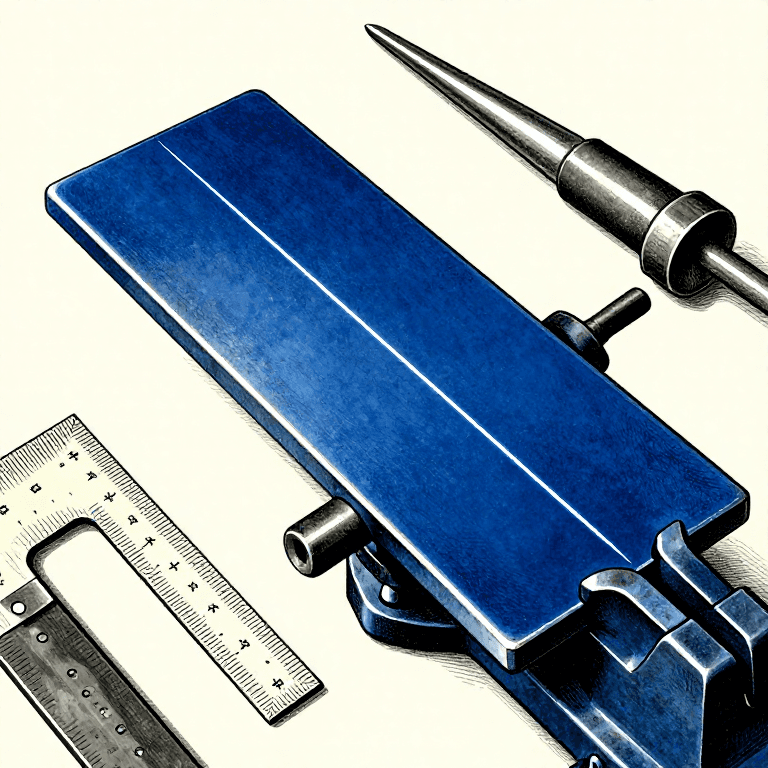
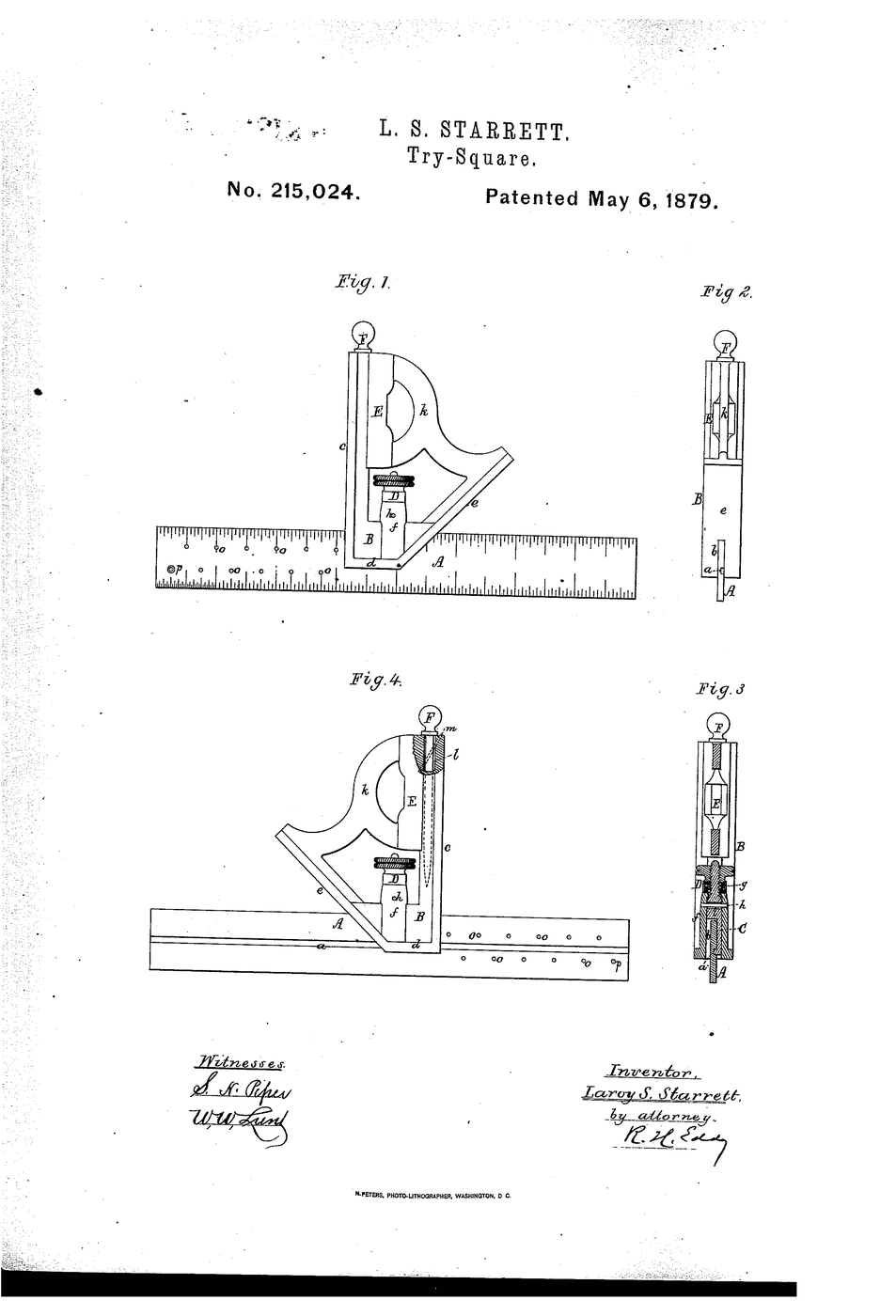
CC0 Umma Wote
Mchoro huu umetolewa chini ya CC0. Uko huru kunakili, kubadilisha, kusambaza, na kutumia kazi hii kwa madhumuni yoyote, bila kuomba ruhusa.
Saidia Mtengenezaji kwa kununua bidhaa kupitia Mchoro wao ambapo wanapata Kamisheni ya Mtengenezaji iliyowekwa na Wachuuzi, au unda marudio mapya ya Mchoro huu na uiunganishe kama kiungo katika Mchoro wako kuchangia mapato.