SANAA
UREMBO NA USTAWI
UJANJA
UTAMADUNI NA HISTORIA
BURUDANI
MAZINGIRA
CHAKULA NA VINYWAJI
UHANDISI WA KINYUME
SAYANSI
MICHEZO
TEKNOLOJIA
VAZI
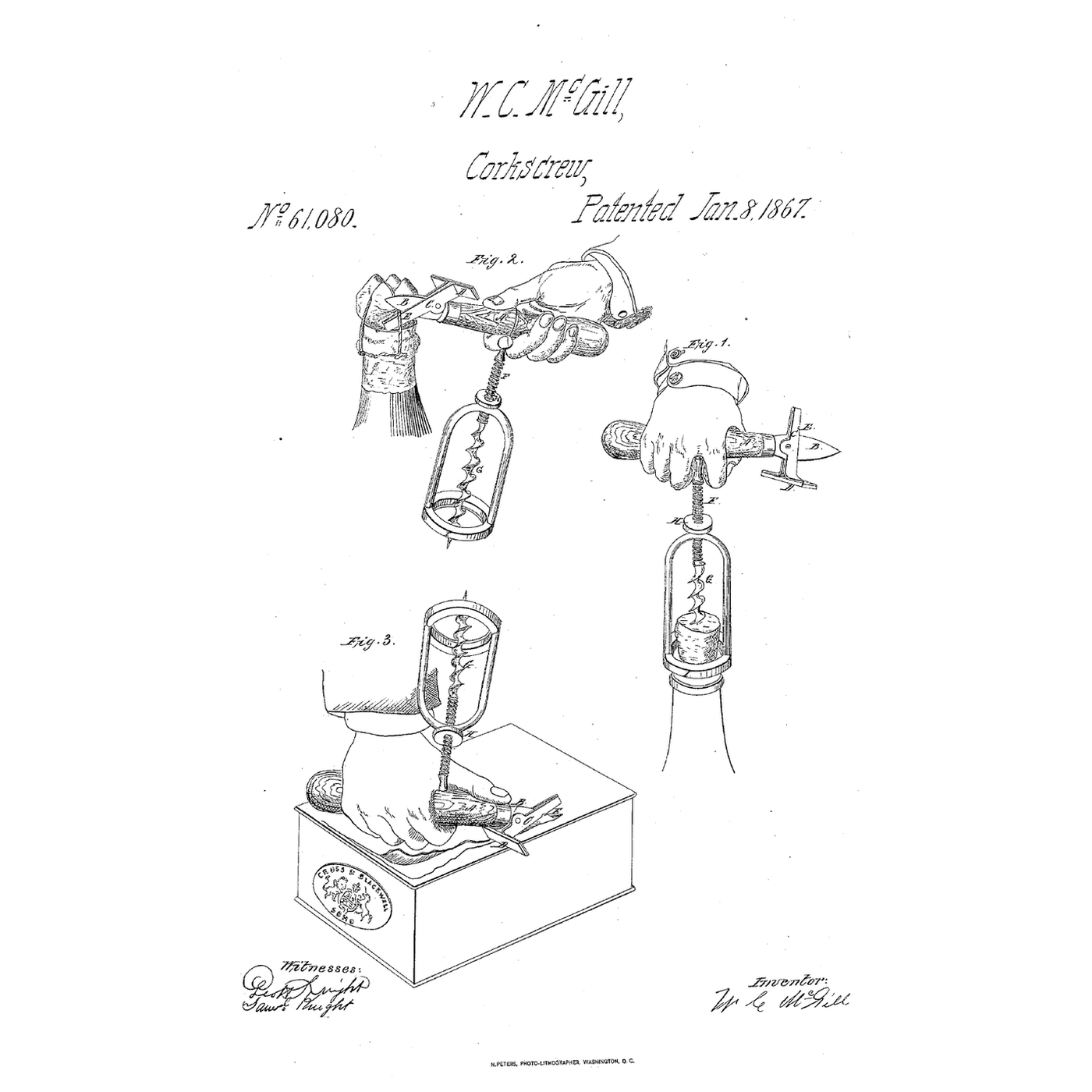


The Wire-Cutter Corkscrew: Shear the Wire, Drive the Screw, and the Same Turn Draws the Cork
A champagne or mineral-water bottle needs its wire cut before the cork can be drawn, and a sardine can needs another tool again.
William C. McGill of Cincinnati, Ohio, received US 61,080, dated 8 January 1867, for an "Instrument for Cutting Wires, Drawing Corks, &c." in which "the functions of a cork-extractor, a wire-cutter, and a can-opener, are combined in a single instrument". A handle carries a lance-like blade and a pivoted shearing bar with a notch that takes the bottle's wire; from its middle a left-hand threaded shank ends in a right-hand corkscrew, and a nut on the shank with a foot rests on the neck, "so that after the cork-screw has fully penetrated the cork, the continued rotation of the handle A operates to draw the cork".
This rung works out the pull of the left-hand thread, with a work check, then makes the handle, shear and two-handed screw, and cuts a wire and draws a cork.
Juu
About 6 hours
Maagizo
1
1
The left-hand thread's pull
The left-hand thread's pull
Inapakia daftari la Jupyter…
2
2
A corkscrew that keeps turning
A corkscrew that keeps turning
The embedded blueprint lets the cork climb the screw once a shoulder stops it. McGill instead stops a nut on the neck and draws the cork with a second, left-hand thread turned the same way.
3
3
Read US 61,080
Read US 61,080
"A notch, E, is provided in the edge of the bar C, which being engaged under the wire of a champagne or mineral-water bottle, holds the same, and enables said wire to be sheared off or severed between the blade B and the bar C, (see fig. 2.)"
"Projecting rectangularly from the handle A, at its mid-length, is a left-hand screw-threaded shank, F, which terminates in a right-hand cork-screw, G. Tapped to fit the screw-threaded shank F, is a nut, H, from which proceeds a circular rest or foot, I, adapted to bear upon the neck of the bottle, so that after the cork-screw has fully penetrated the cork, the continued rotation of the handle A operates to draw the cork, (see fig. 1.)"
4
4
Make the instrument, cut a wire and draw a cork
Make the instrument, cut a wire and draw a cork
**Handle and blade.** Cut 16 cm of 20 × 5 mm mild steel flat bar. Grind one end to a pointed blade with one sharp edge, and fit hardwood grips to the other end with rivets.
**Shear.** Cut a 7 cm bar from the same flat bar, file a notch in one edge that takes the bottle's wire, and pivot it on a bolt beside the blade so its notched edge passes the blade's sharp edge as shears.
**Screw.** Left-hand rod is not easily bought, so build McGill's pair mirrored: cut 10 cm of ordinary M8 threaded rod (right-hand) and drill the handle's middle to take one end, fixing it with a nut each side. Wind 2 mm steel wire into a LEFT-hand helix round a 6 mm rod, file a point, and silver-solder it into the rod's lower end.
**Rest.** Bend a 15 cm strip of 20 × 3 mm flat bar into a bow about 7 cm tall and 3 cm wide, as McGill's drawing shows. Drill its top for the rod and silver-solder an M8 nut over the hole as the nut H. Silver-solder a large washer, its hole wider than the cork, across the bow's two feet as the rest I, leaving room inside the bow for the cork to rise. Run the nut onto the rod.
**Test.** Fasten a corked beer bottle of water with wire over the cork. Hook the wire in the notch and squeeze to shear it. Wind the nut up, turn the handle anticlockwise to drive the left-hand helix into the cork, and keep turning the same way when the foot meets the neck: the cork rises.
Vifaa kwa hatua hii:
 Pau Bapa la Chuma Laini0.4 mita
 Kipande cha mbao ngumu1 kipande
 Rivet za chuma cha pua4 vipande
 Mkusanyiko wa bolti za pembe sita1 kipande
 Fimbo yenye nyuzi0.1 mita
 Nati ya pembe sita3 vipande
 Washa bapa1 kipande
 Waya wa chuma0.4 mita
 Lehemu ya Fedha1 kipande
 Fluksi1 kipande
 Vizibo vya mzibo1 kipande
 Waya wa chuma uliopakwa zinki0.3 mita
 Maji0.5 lita
Zana zinazohitajika:
 Msumeno wa chuma
 Tupa (Tupa ya Mkono)
 Kibano cha meza ya kazi
 Tochi ya Propani
 Kekee cha Betri
 Seti ya vichimbuzi
 Seti ya riveti
 Koleo lenye Ncha za Duara
 Spana inayoweza kurekebishwa
 Kifaa cha kuziba chupa za divai
 Miwani ya usalama iliyo wazi
 Glavu za Kazi za Ngozi
 Chupa za bia za rangi ya kahawia
 Nyundo ya riveti
5
5
An instrument that will not cut, drive or draw
An instrument that will not cut, drive or draw
Wire-cutter corkscrew troubleshooting.
Flow
Loading...
6
6
History and honest limits
History and honest limits
**William C. McGill** of Cincinnati, Hamilton County, Ohio, received US 61,080, dated 8 January 1867. The lance blade B pierced sardine cans, the shearing bar C was double and embraced the blade, and its foot D rested on the can while the blade ripped it open. His claims cover the whole instrument, the combined corkscrew and can-opener, the can-opener, the can-opener and wire-cutter, and the right- and left-hand screws on one stem with the foot and handle.
**Honest limits.** Flat bar, threaded rod and a wound helix stand in for his made-up instrument, with the two hands mirrored (right-hand shank, left-hand helix, turned anticlockwise), and the can-opening use is not tried here. The notebook ignores friction; its forces and lengths are examples. Your cut wire and drawn cork are the result.
Vifaa
13- 0.4 mitaKishikilia Nafasi
- 1 kipandeKishikilia Nafasi
- 4 vipandeKishikilia Nafasi
- 1 kipandeKishikilia Nafasi
- 0.1 mitaKishikilia Nafasi
- 3 vipandeKishikilia Nafasi
- 1 kipandeKishikilia Nafasi
- 0.4 mitaKishikilia Nafasi
- 1 kipandeKishikilia Nafasi
- 1 kipandeKishikilia Nafasi
- 1 kipandeKishikilia Nafasi
- 0.3 mitaKishikilia Nafasi
- 0.5 litaKishikilia Nafasi
Zana Zinazohitajika
14- Kishikilia Nafasi
- Kishikilia Nafasi
- Kishikilia Nafasi
- Kishikilia Nafasi
- 1 vendor sell this, none ship to you yetKishikilia Nafasi
- Kishikilia Nafasi
- Kishikilia Nafasi
- Kishikilia Nafasi
- Kishikilia Nafasi
- Kishikilia Nafasi
- Kishikilia Nafasi
- Kishikilia Nafasi
- Kishikilia Nafasi
- Kishikilia Nafasi
Mchoro huu unatengeneza
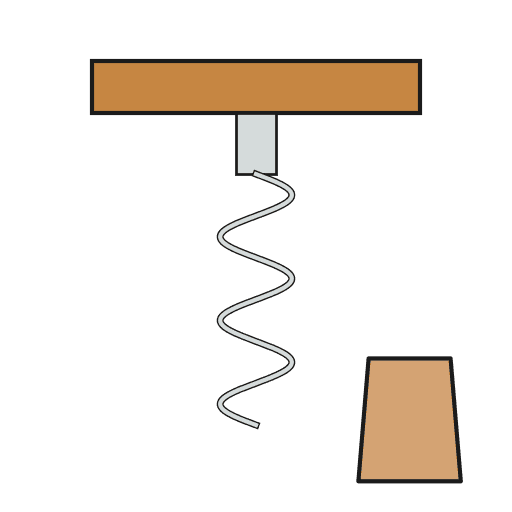
Blueprint zinazohusiana
Blueprint hizi zinashiriki maarifa — mbinu, vifaa au kanuni
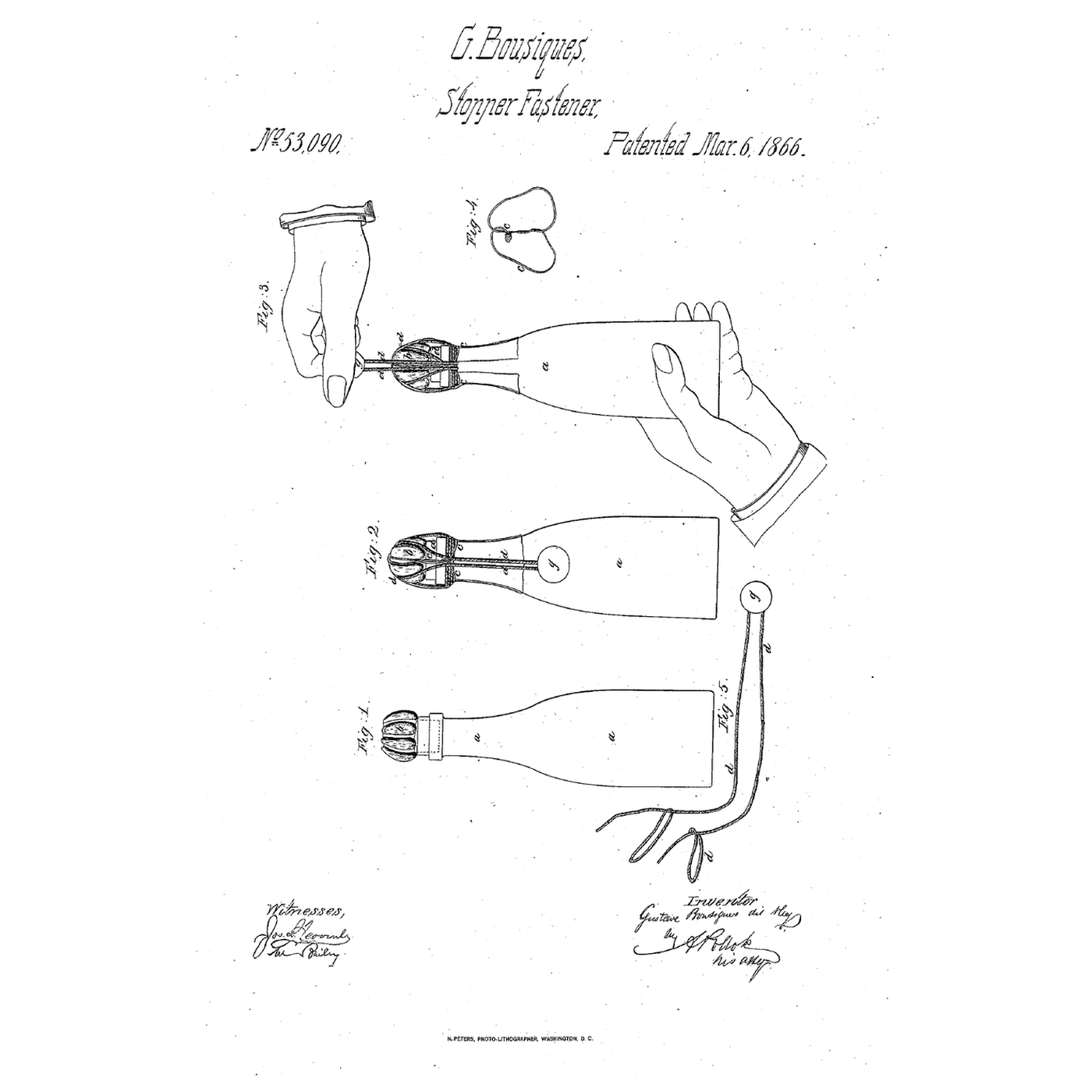


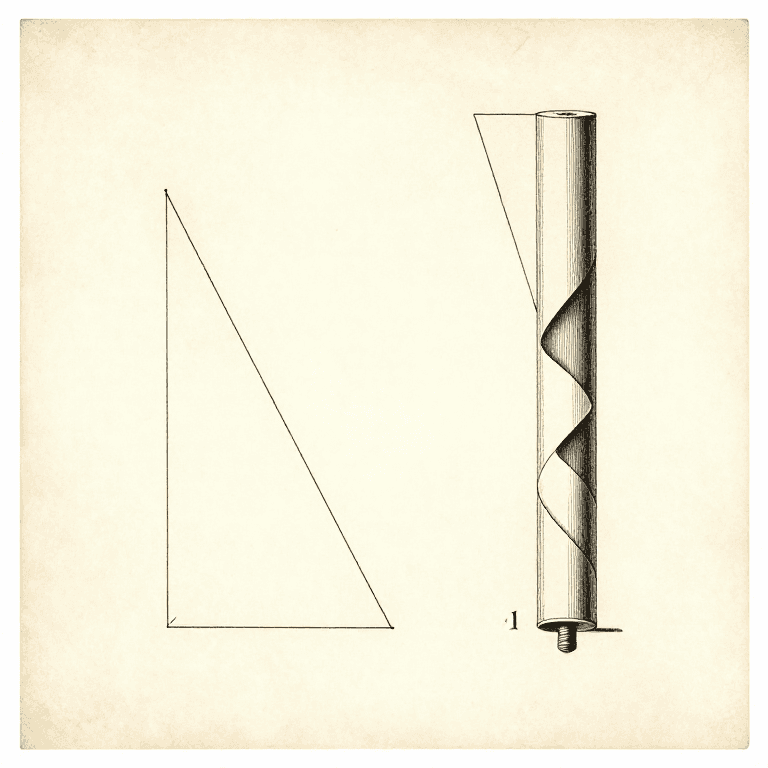
CC0 Umma Wote
Mchoro huu umetolewa chini ya CC0. Uko huru kunakili, kubadilisha, kusambaza, na kutumia kazi hii kwa madhumuni yoyote, bila kuomba ruhusa.
Saidia Mtengenezaji kwa kununua bidhaa kupitia Mchoro wao ambapo wanapata Kamisheni ya Mtengenezaji iliyowekwa na Wachuuzi, au unda marudio mapya ya Mchoro huu na uiunganishe kama kiungo katika Mchoro wako kuchangia mapato.