សិល្បៈ
សម្រស់ និង សុខុមាលភាព
សិប្បកម្ម
វប្បធម៌ និង ប្រវត្តិសាស្ត្រ
ការកម្សាន្ត
បរិស្ថាន
ម្ហូប និង ភេសជ្ជៈ
វិស្វកម្មបញ្ច្រាស
វិទ្យាសាស្ត្រ
កីឡា
បច្ចេកវិទ្យា
ប្រដាប់ដែលស្លៀក
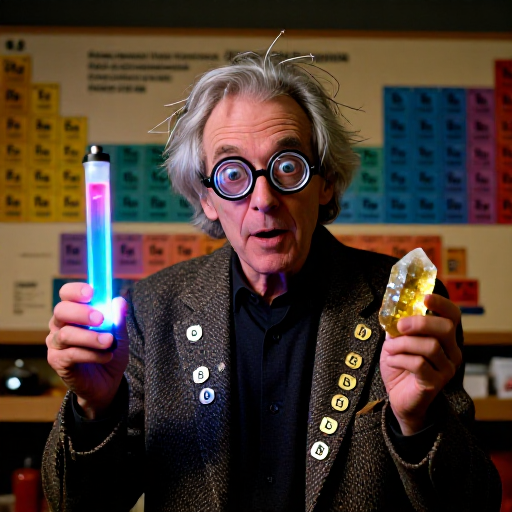
Understanding Terbium from Xenotime — The Green Phosphor That Lights the World
មធ្យម
ការណែនាំ
1
1
Understand Terbium's Discovery at Ytterby
Understand Terbium's Discovery at Ytterby
Carl Gustaf Mosander discovered terbium in 1843 by separating yttrium oxide from the Ytterby quarry mineral into three fractions: yttria (white), terbia (rose-pink), and erbia (yellow). He named terbium after the village of Ytterby, Sweden — making it one of four elements named after this single quarry (yttrium, terbium, erbium, ytterbium). The original assignments of terbia and erbia were later swapped by other chemists, causing decades of confusion.
2
2
Identify Terbium in Heavy Rare Earth Minerals
Identify Terbium in Heavy Rare Earth Minerals
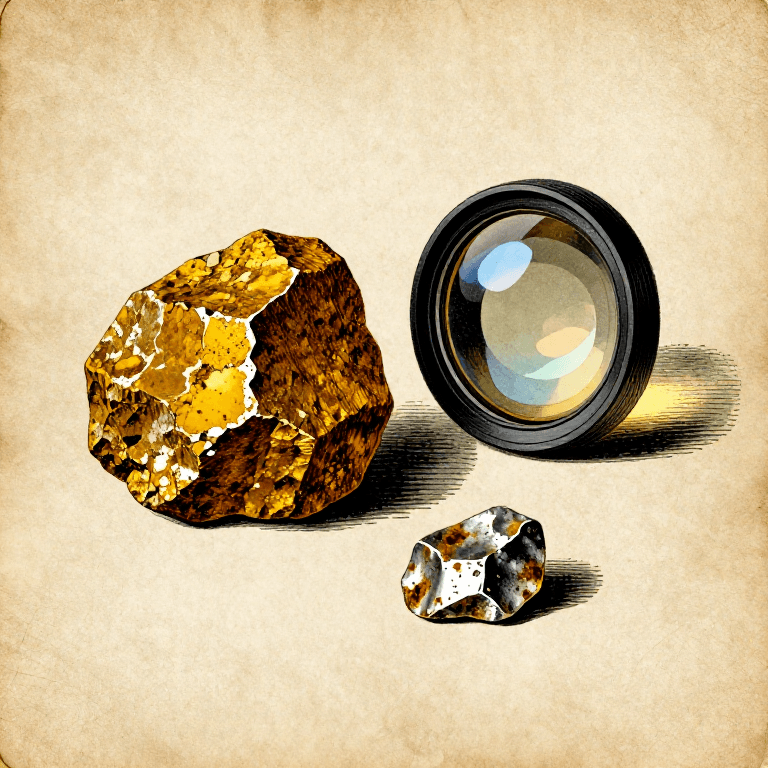
Terbium is rare — just 1.2 ppm in Earth's crust. It concentrates in heavy rare earth minerals: xenotime (YPO₄) contains 1-2% terbium, and ionic adsorption clays in southern China are the primary commercial source. Terbium sits between gadolinium and dysprosium in extraction cascades, requiring hundreds of separation stages. Global production is only about 400 tonnes of terbium oxide annually, making it one of the most supply-constrained rare earths.
សម្ភារៈសម្រាប់ជំហាននេះ៖
 សំណាកសេណូតាំង
ឧបករណ៍ដែលត្រូវការ៖
 កែវពង្រីកដៃ ១០xកែវពង្រីកដៃ ១០x
 បន្ទះគូស (ថ្មចានមិនលាបថ្នាំ)
 ដែកសាកល្បងភាពរឹង Mohs
3
3
Examine the Green Phosphor Application
Examine the Green Phosphor Application
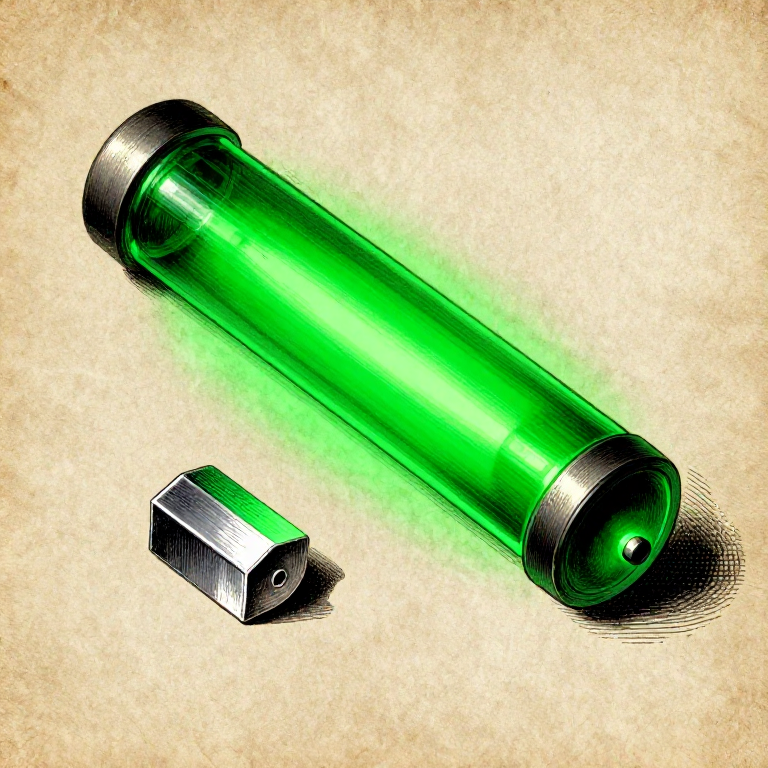
Terbium-doped cerium magnesium aluminate (Ce,Tb)MgAl₁₁O₁₉ is the standard green phosphor in fluorescent lamps and LED backlights. Tb³⁺ emits at 544 nm — a pure green that human eyes perceive as the brightest part of the spectrum. Combined with europium red and europium blue phosphors, the tri-phosphor blend produces natural-looking white light. Every fluorescent tube and CFL lamp produced since the 1980s contains terbium green phosphor.
4
4
Discover Terfenol-D Magnetostriction
Discover Terfenol-D Magnetostriction
Terfenol-D (Tb₀.₃Dy₀.₇Fe₂) is the material with the largest room-temperature magnetostriction — it changes length by 0.2% in a magnetic field, expanding or contracting with extraordinary force. Developed at the Naval Ordnance Laboratory (hence TER-FE-NOL-D: terbium-iron-Naval Ordnance Lab-dysprosium), it converts magnetic fields to mechanical motion and vice versa. Applications include sonar transducers, precision actuators, and vibration energy harvesters.
5
5
Understand Terbium in Permanent Magnets
Understand Terbium in Permanent Magnets
Adding terbium to NdFeB magnets dramatically increases coercivity — the resistance to demagnetization at high temperatures. Terbium diffuses along grain boundaries in sintered magnets, creating a thin high-anisotropy shell around each grain. This grain boundary diffusion process uses 80% less terbium than bulk alloying while achieving similar coercivity gains. Electric vehicle traction motors operating at 150°C or above require terbium or dysprosium additions.
6
6
Explore Magneto-Optical Applications
Explore Magneto-Optical Applications
Terbium gallium garnet (TGG) has the highest Verdet constant of any transparent material — it rotates the polarization plane of light in proportion to magnetic field strength (Faraday effect). TGG crystals are essential for optical isolators in high-power laser systems, preventing back-reflections that would damage laser sources. Terbium iron garnet thin films were the active material in magneto-optical disc drives (MO discs) popular in the 1990s.
7
7
Survey Medical and Security Uses
Survey Medical and Security Uses
Terbium-doped gadolinium oxysulfide (Gd₂O₂S:Tb) is the dominant X-ray intensifying screen phosphor, converting X-ray photons to green light that exposes film with 50-75% less radiation dose. Terbium chelates serve as fluorescent labels in medical immunoassays — their long-lived green emission (milliseconds) enables time-resolved detection that eliminates short-lived background fluorescence. Euro banknotes use terbium for green security fluorescence under UV light.
8
8
Examine Terbium Metal Properties
Examine Terbium Metal Properties
Terbium is a silvery-white metal that is soft enough to cut with a knife but harder than most lanthanides. Melting point is 1356°C, density 8.23 g/cm³. It oxidizes slowly in air and reacts slowly with cold water. Terbium exhibits a complex magnetic phase diagram — ferromagnetic below 219 K with a helical antiferromagnetic phase between 219 K and 230 K. The metal is obtained by calcium reduction of terbium fluoride or by molten salt electrolysis.
9
9
Understand Supply Chain Criticality
Understand Supply Chain Criticality
Terbium is among the most supply-critical elements on Earth — priced at $1,000-2,000 per kilogram of oxide, 500 times more expensive than cerium. China controls over 95% of heavy rare earth production from ionic adsorption clays in Jiangxi and Guangdong provinces. These clays are mined by in-situ leaching with ammonium sulfate, causing significant environmental damage. Recycling from phosphor waste is the only significant non-Chinese terbium source.
ឧបករណ៍ដែលត្រូវការ៖
 ជញ្ជីងល្អិត
10
10
Document Findings and Future Outlook
Document Findings and Future Outlook
Record terbium's key data: atomic number 65, density 8.23 g/cm³, melting point 1356°C, silvery-white metal. The transition from fluorescent to LED lighting initially reduced terbium phosphor demand, but growing use in permanent magnets and solid-state lighting phosphors is creating new demand. Terbium-free magnet designs are actively researched to reduce dependence on this scarce element, but no solution yet matches terbium's coercivity enhancement.
11
11
Ore grade: how much xenotime per kilogram
Ore grade: how much xenotime per kilogram
កំពុងផ្ទុកសៀវភៅ Jupyter…
សម្ភារៈ
1- 1 ដុំកន្លែងទុក
ឧបករណ៍ចាំបាច់
4- កន្លែងទុក
- កន្លែងទុក
- កន្លែងទុក
- កន្លែងទុក
សម្ភារៈប្លង់ដែលបានភ្ជាប់
ចំណែក 10%
Understanding Gadolinium from Monazite — The MRI Contrast Agent Metal
ដោយ Peter
ការជីកយករ៉ែ
14
0
0
0
6
0
ចំណែក 10%
Understanding Europium from Monazite — The Red Phosphor That Colored Television
ដោយ Peter
ការជីកយករ៉ែ
14
0
0
0
5
0
គ្រោះថ្នាក់
ចំណែក 10%
Understanding Yttrium from Xenotime — The Rare Earth That Lights Red Screens
ដោយ Peter
ការជីកយករ៉ែ
42
0
0
0
12
0
ចំណែក 10%
Understanding Cerium from Bastnasite — The Self-Cleaning Rare Earth
ដោយ Peter
ការជីកយករ៉ែ
10
0
0
0
9
0

គ្រោះថ្នាក់
ចំណែក 10%
Extracting Neodymium-Rich Rare Earth Oxide from Monazite — The Magnet Metal That Reshaped Technology
ដោយ Peter
ការជីកយករ៉ែ
36
0
0
0
11
0
ប្លង់ពាក់ព័ន្ធ
ប្លង់ទាំងនេះចែករំលែកចំណេះដឹង — បច្ចេកទេស សម្ភារៈ ឬគោលការណ៍
CC0 សាធារណៈ
ប្លង់នេះត្រូវបានចេញផ្សាយក្រោម CC0។ អ្នកមានសិទ្ធិចម្លង កែប្រែ ចែកចាយ និងប្រើប្រាស់ដោយមិនចាំបាច់សុំអនុញ្ញាត។
គាំទ្រអ្នកបង្កើតដោយទិញផលិតផលតាមរយៈប្លង់របស់ពួកគេ ដែលពួកគេទទួលបាន កម្រៃជើងសារអ្នកបង្កើត កំណត់ដោយអ្នកលក់ ឬបង្កើតកំណែថ្មីនៃប្លង់នេះ ហើយបញ្ចូលជាការតភ្ជាប់ក្នុងប្លង់របស់អ្នកដើម្បីចែករំលែកចំណូល។