예술
뷰티 및 웰니스
공예
문화 및 역사
엔터테인먼트
환경
음식 및 음료
역공학
과학
스포츠
기술
웨어러블
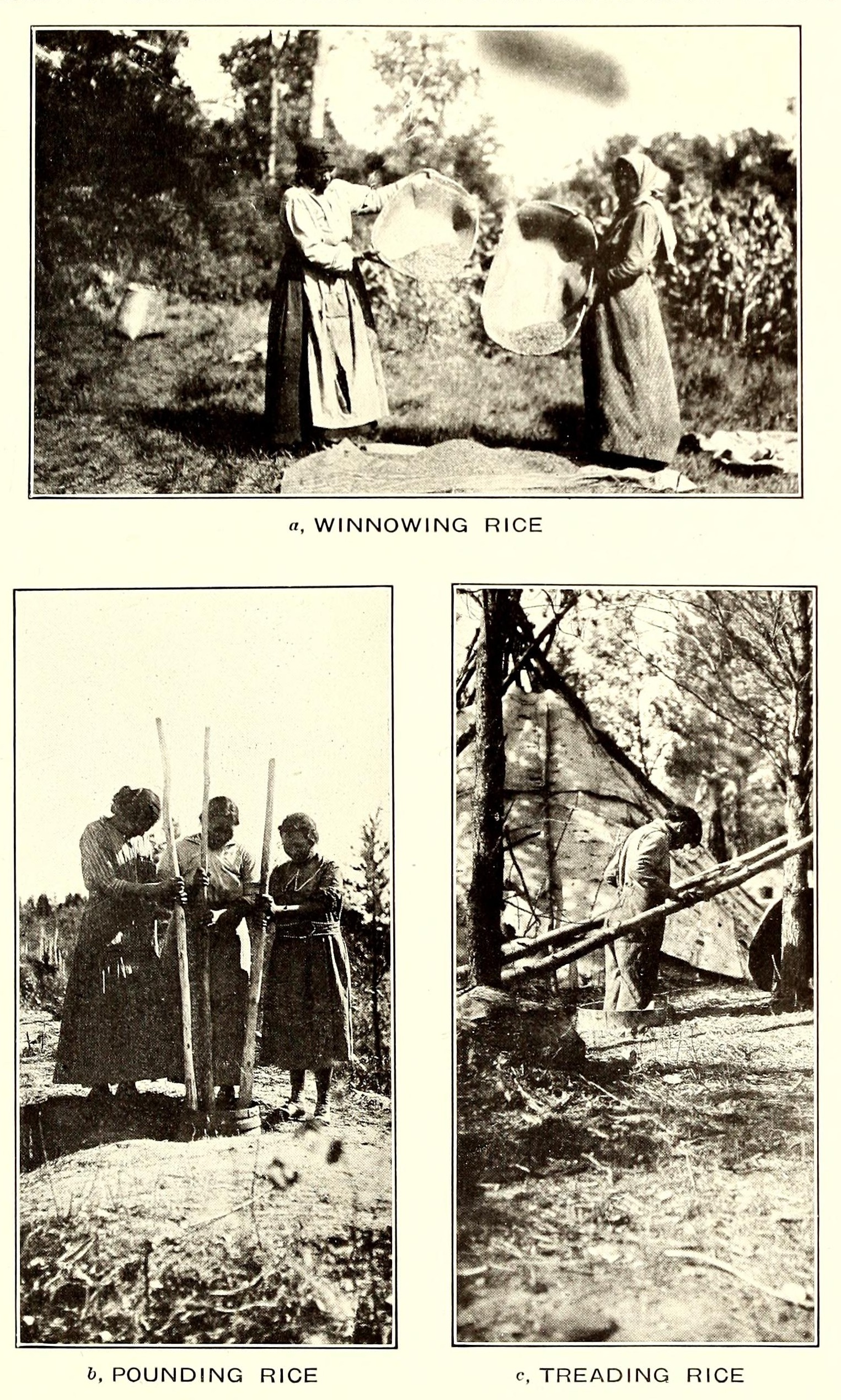


Chippewa Wild Rice: Knocked into the Canoe with Two Sticks, Parched, Pounded, Winnowed and Trodden (Densmore, 1928)
How the Chippewa (Ojibwe) harvested and finished wild rice, from Frances Densmore's account: the ripe kernels knocked into a poled canoe with two rice sticks, dried a day on birch bark, parched a peck at a time in a slanting kettle, pounded with dropped pestles, winnowed in the breeze and trodden in a sunken tub to free the last husk.
중급
A day to gather a canoeful; a day and a half to finish it
안내
1
1
Her measures
Her measures
Jupyter 노트북 불러오는 중…
2
2
Read Densmore
Read Densmore
"Wild rice constitutes the chief cereal food of the Chippewa."
3
3
Knock the rice
Knock the rice
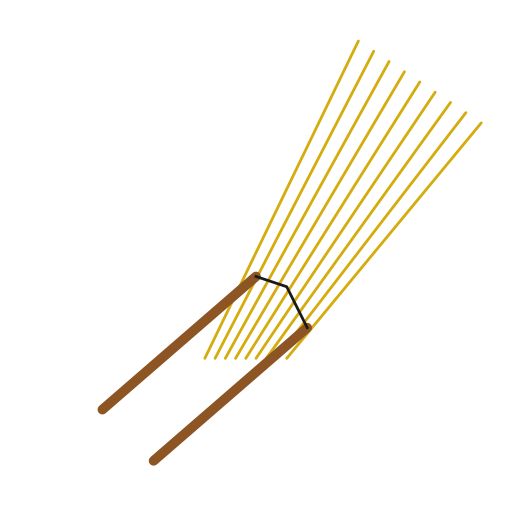
In warm, still weather, pole a canoe into the rice (a pole forked at the end). From the stern, bend a few stalks over the canoe with one stick and free the kernels with a sweeping, gentle stroke of the other, on both sides. Take only the ripe kernels and come back in a few days for more; leave some to fall as seed. A canoeful is a day's gathering.
필요한 도구:
 카누
 타작용 집게막대
4
4
Dry a day
Dry a day
Spread the rice on sheets of birch bark in the sun, but not so hot that it heats, and stir it often. Allow about 24 hours.
이 단계의 재료:
 자작나무 껍질 판1 개
필요한 도구:
 나무 주걱노
5
5
Parch it
Parch it
Prop a large kettle slanting over a carefully kept fire and stir about a peck (9 L) at a time with a slender paddle for about an hour, without burning it. This loosens the husk and gives the flavour. (Oldest way, "hard rice": spread it about 3 in., 8 cm, deep on hay over a frame above a slow fire: greenish black, keeps indefinitely and can be sown.)
이 단계의 재료:
 건초1 개
필요한 도구:
 무쇠 주전자
 모닥불 자리나무 주걱노
 건조대
6
6
Pound it
Pound it
Put the rice in a barrel or a wooden mortar with sloping sides. Work wooden pestles about 5 1/2 ft (1.7 m) long up and down near the edge, letting them drop of their own weight, never forcing them, so the husk loosens and the kernel stays whole.
필요한 도구:
 나무통
 나무 공이
7
7
Winnow
Winnow
Where a breeze blows, toss the rice in a winnowing tray, or pour it slowly from the tray onto birch bark on the ground; the wind takes the chaff.
필요한 도구:
 키
8
8
Tread it
Tread it
Sink a small wooden tub of about a bushel partly into the ground, with a stout pole either side fixed to a tree about 4 ft (1.2 m) up. In clean moccasins, lean on the poles and tread lightly, like dancing, to free the last bits of husk. Winnow again. Keep the chaff: it cooks like rice. Store the rice in bags with straw on top, sewn shut with basswood twine.
이 단계의 재료:
 짚1 개
 노끈·밧줄1 개
필요한 도구:
나무통 모카신키
9
9
Troubleshooting
Troubleshooting
Wild rice troubleshooting.
Flow
Loading...
10
10
History and honest limits
History and honest limits
From Frances Densmore, *Uses of Plants by the Chippewa Indians*, **44th Annual Report of the Bureau of American Ethnology** (1928), pp. 313-316 (checked on the archive.org scan usesofplantsbych00dens). A woman could also claim her rice about 10 days before it ripened by tying it in small sheaves with basswood fiber, drawn to her with a rice hoop; tied rice tasted slightly different and needed longer boiling. In old times the treading pit was lined with deerskin. Metric is ours.
이 블루프린트로 만드는 것
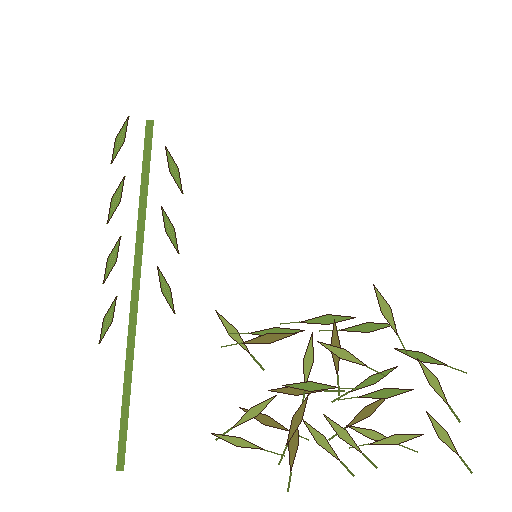
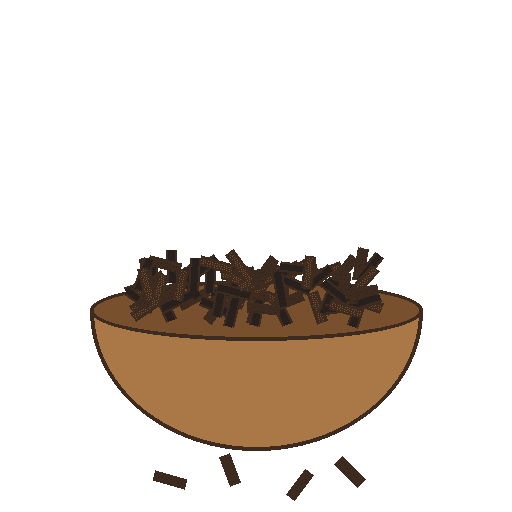
관련 블루프린트
이 블루프린트들은 지식을 공유합니다 — 기술, 재료 또는 원리
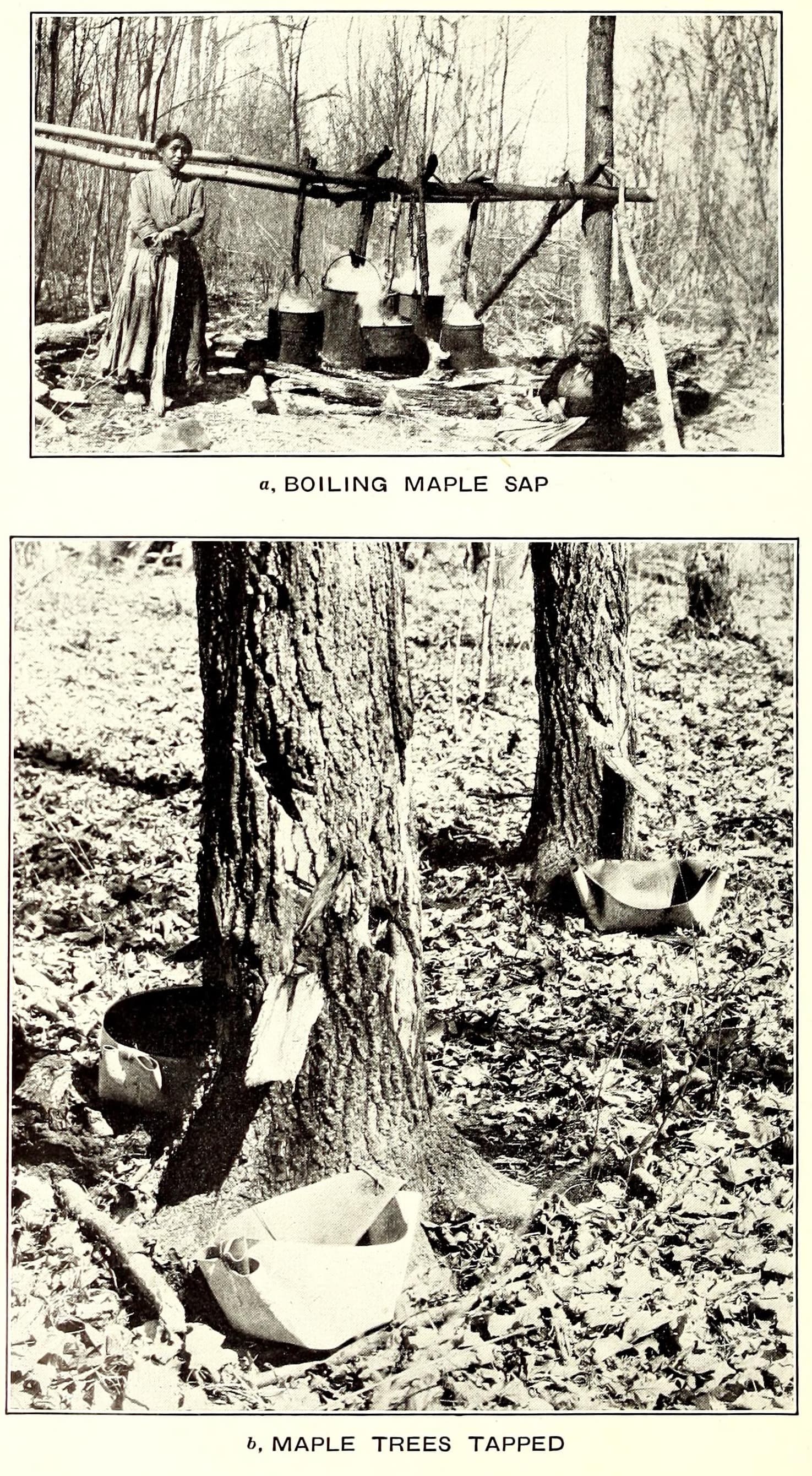
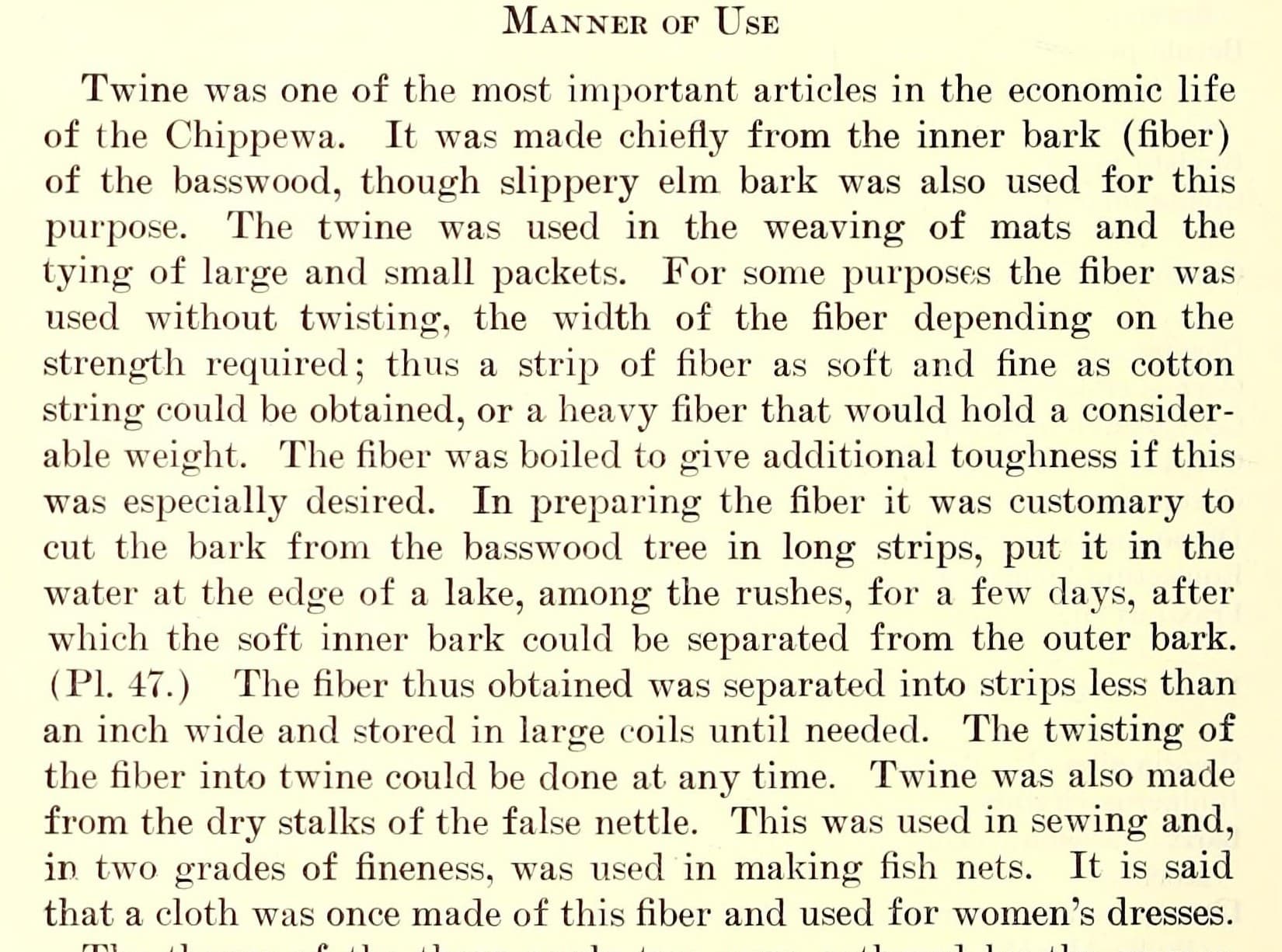

CC0 퍼블릭 도메인
이 블루프린트는 CC0로 공개되었습니다. 어떤 목적으로든 자유롭게 복사, 수정, 배포 및 사용할 수 있습니다.
제품 구매를 통해 메이커를 지원하세요. 판매자가 설정한 메이커 커미션 을 받거나, 이 블루프린트의 새로운 반복을 만들어 연결로 포함시킬 수 있습니다.