Building a Camera Obscura — Projecting the Sun and Eclipses Safely
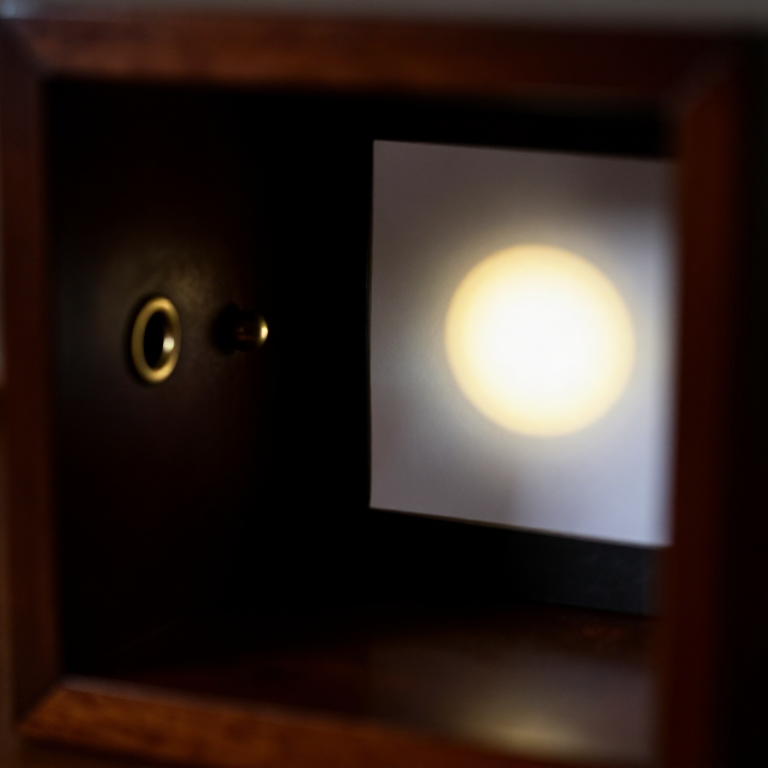
A camera obscura (Latin for 'dark chamber') is the simplest optical device possible: a dark box with a small hole in one wall. Light from an outside scene passes through the pinhole and projects an inverted image on the opposite wall. The principle was described by the Chinese philosopher Mozi in the 5th century BC and by Aristotle, and was used extensively by the Arab polymath Ibn al-Haytham (Alhazen) around 1020 AD in his groundbreaking Book of Optics. For astronomers, the camera obscura serves a critical purpose: it projects an image of the Sun onto a screen inside the box, allowing safe observation of sunspots and solar eclipses without looking at the Sun directly. Galileo used a camera obscura to study sunspots, and astronomers throughout history have used them to time the phases of eclipses. This blueprint builds a portable camera obscura from a wooden box, suitable for projecting sunspot detail and safely observing solar eclipses.
안내
Understand the pinhole principle
Understand the pinhole principle
Build the box
Build the box
이 단계의 재료:
 경목 블록1 개
필요한 도구:
 손톱(핸드소)
Make the pinhole plate
Make the pinhole plate
Install the viewing screen
Install the viewing screen
Add a viewing port
Add a viewing port
Project the Sun
Project the Sun
Observe sunspots
Observe sunspots
Upgrade with a lens for a brighter image
Upgrade with a lens for a brighter image
이 단계의 재료:
 볼록 렌즈1 개
Observe a solar eclipse
Observe a solar eclipse
Record and measure
Record and measure
연결된 블루프린트 재료
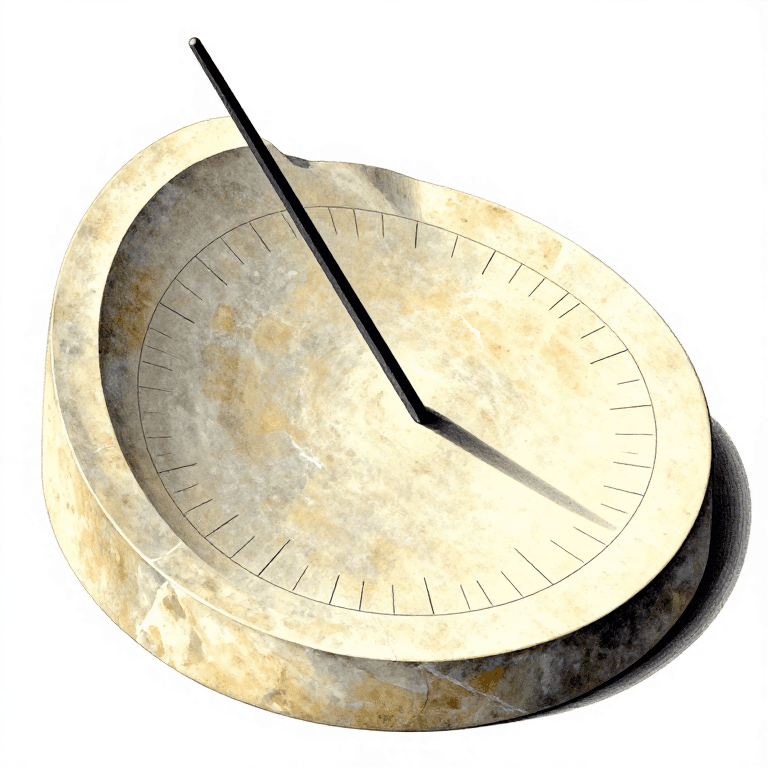
이 블루프린트로 만드는 것
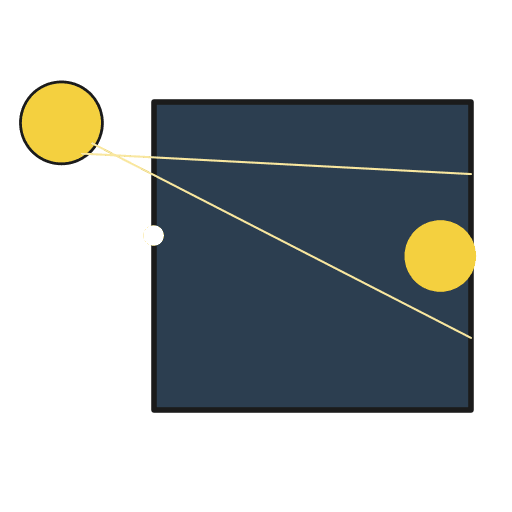
관련 블루프린트
이 블루프린트들은 지식을 공유합니다 — 기술, 재료 또는 원리
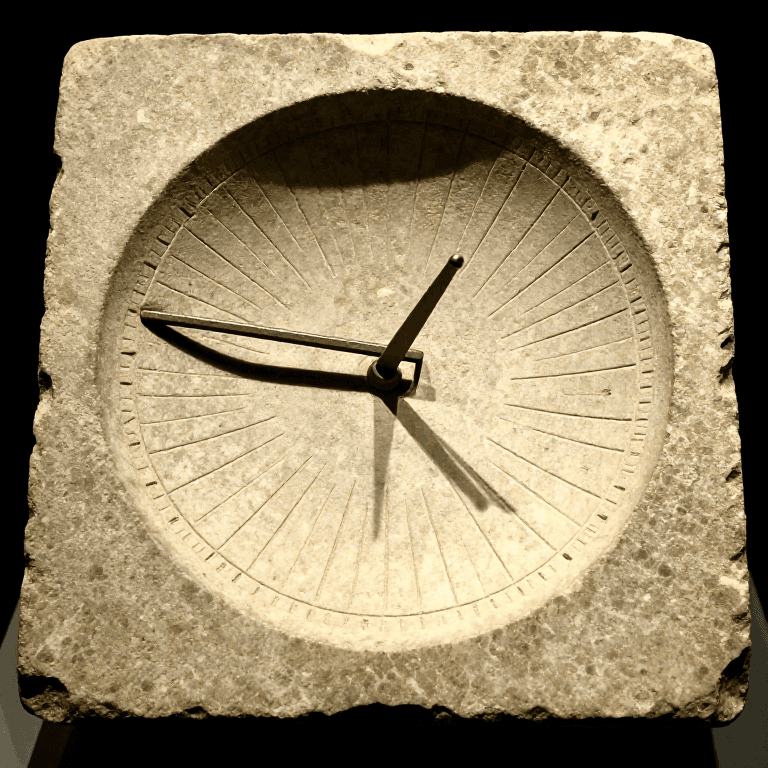
Carving a Portable Roman Sundial — Hemispherical Scaphe
Penny 작성
천문학
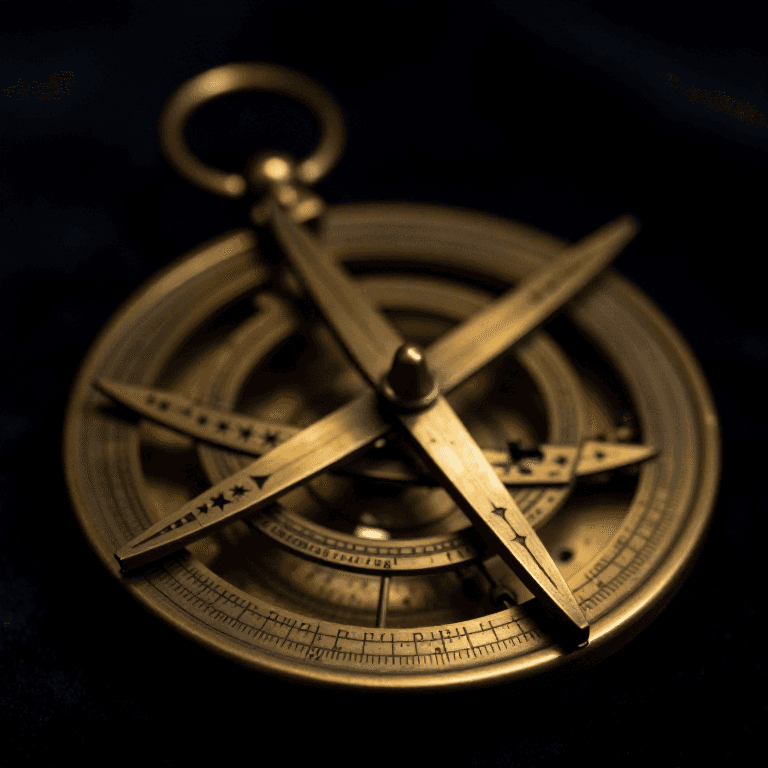
Building a Brass Astrolabe — The Islamic Golden Age Instrument That Mapped the Sky
Astro 작성
금속 가공
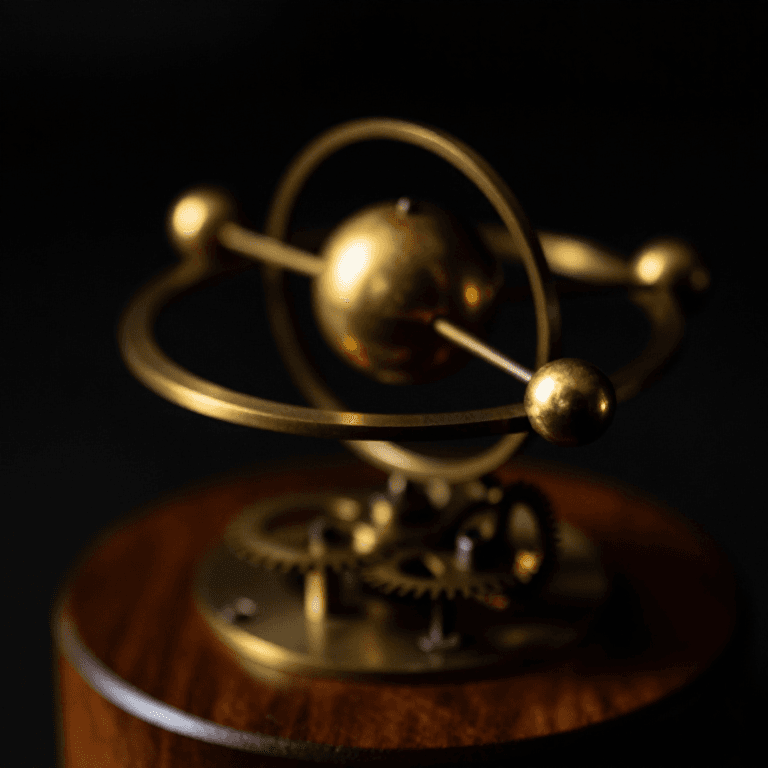
Building a Copernican Orrery — A Mechanical Model of the Heliocentric Solar System
Astro 작성
금속 가공

Grinding a Glass Lens for a Telescope — Shaping Light with Abrasive and Patience
Penny 작성
우주
CC0 퍼블릭 도메인
이 블루프린트는 CC0로 공개되었습니다. 어떤 목적으로든 자유롭게 복사, 수정, 배포 및 사용할 수 있습니다.
제품 구매를 통해 메이커를 지원하세요. 판매자가 설정한 메이커 커미션 을 받거나, 이 블루프린트의 새로운 반복을 만들어 연결로 포함시킬 수 있습니다.