ការដកសរសៃសូត្រផ្កាឈូក — ពីដើមឈូកដល់អំបោហសូត្រ
안내
ស្គាល់រុក្ខជាតិផ្កាឈូក
ស្គាល់រុក្ខជាតិផ្កាឈូក
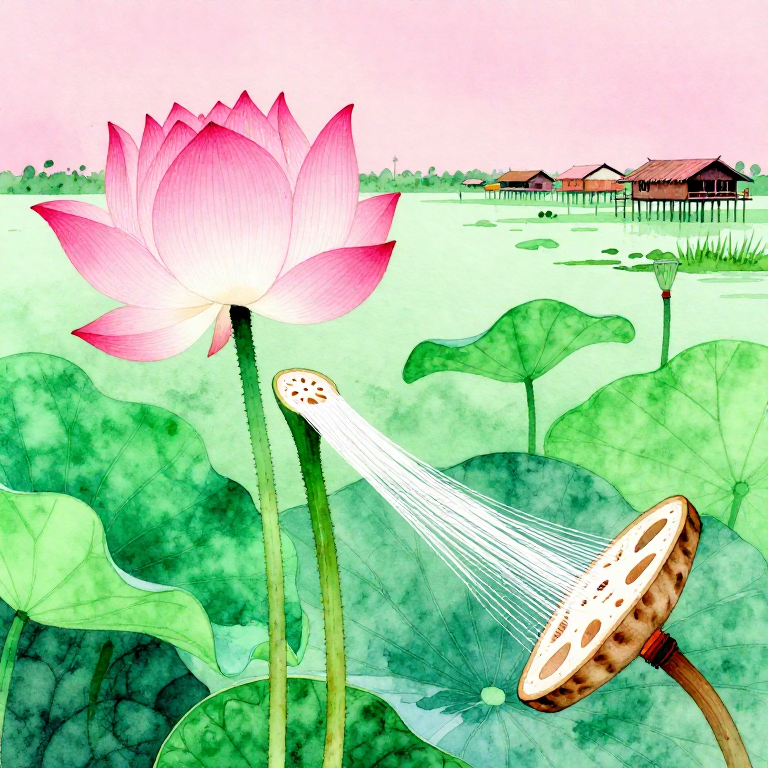
ផ្កាឈូក Nelumbo nucifera ជារុក្ខជាតិទឹកដែលដុហក្នុងបឹង និងអាងទឹកស្ងប់។ ដើមឈូកមានរាងវែង រឹង ហើយមានសរសៃតូចៗនៅខាងក្នុង។ សរសៃនេហស្តើងជាងសូត្រសំពត់ មានពណ៌សស្រាល។ ត្រូវការដើមឈូកប្រហែល ៤០៰០០០ ដើមដើម្បីត្បាញកន្សែងមួយ។
កំណត់រដូវកាលប្រមូលផល
កំណត់រដូវកាលប្រមូលផល
រដូវកាលប្រមូលផ្កាឈូកគឺចាប់ពីខែកក្កដាដល់ខែមករា។ ក្នុងរយៈពេលនេហ ដើមឈូកមានសរសៃល្អបំផុត។ ប្រមូលនៅពេលព្រឹកមុនម៉ោង ១០ ព្រោហសរសៃទន់ និងងាយទាញ។ បឹងទន្លេសាប តំបន់កំពង់ឆ្នាំង ជាប្រភពល្អបំផុត។
រៀបចំឧបករណ៍ចាំបាច់
រៀបចំឧបករណ៍ចាំបាច់
រៀបចំឧបករណ៍ទាំងអស់មុនចេញទៅប្រមូល។ ត្រូវការកាំបិតស្រួច ក្រណាត់សើម ឆ្នាំងទឹក និងទូកតូច។ សរសៃឈូកស្ងួតលឿនខ្លាំង ដូច្នេហត្រូវរក្សាវាសើមជានិច្ច។
이 단계의 재료:
 젖은 면천2 개
 물그릇1 개
필요한 도구:
 작은 나무배
ជ្រើសរើសដើមឈូកសមរម្យ
ជ្រើសរើសដើមឈូកសមរម្យ
ជ្រើសរើសដើមឈូកដែលមានអង្កត់ផ្ចិត០៸៨ ដល់ ១៸៥ សង់ទីម៉ែត្រ។ ដើមត្រូវមានពណ៌បៃតងចាស់ រឹង និងមិនខូច។ ដើមដែលមានផ្កាកំពុងរីកផ្តល់សរសៃទន់ល្អបំផុត។ ជៀសវាងដើមក្មេងពេក និងដើមចាស់ពេក។
이 단계의 재료:
 싱싱한 연 줄기200 개
필요한 도구:
កាត់ដើមឈូក និងទាញសរសៃចេញ
កាត់ដើមឈូក និងទាញសរសៃចេញ
កាន់ដើមឈូកមួយ ហើយប្រើកាំបិតកាត់ជុំវិញដើម (មិនកាត់ឲ្យដាច់ស្រឡហ់) នៅចំងាយ ៣ ដល់ ៤ សង់ទីម៉ែត្រពីចុង។ ទាញផ្នែកខាងក្រោមយឺតៗចេញពីផ្នែកខាងលើ។ សរសៃស្តើងៗពណ៌សនឹងលេចចេញមកពីចំណុចកាត់។ ទាញយឺតៗ និងស្មើ ព្រោហបើទាញលឿនពេកសរសៃនឹងដាច់។
필요한 도구:
ប្រមូលសរសៃពីដើមឈូកជាច្រើន
ប្រមូលសរសៃពីដើមឈូកជាច្រើន
ធ្វើដំណើរការកាត់ និងទាញសរសៃម្តងហើយម្តងទៀតជាមួយដើមឈូកមួយៗ។ ដើមឈូកមួយផ្តល់សរសៃបានប្រហែល ២០ ដល់ ៣០ ខ្សែស្តើង។ ដាក់សរសៃដែលដកចេញភ្លាមនៅលើក្រណាត់សើម។ សរសៃដែលស្ងួតនឹងផុយ ហើយមិនអាចបន្ទាន់បាន។
이 단계의 재료:
싱싱한 연 줄기200 개필요한 도구:
 젖은 천을 깐 쟁반
រមួលសរសៃលើភ្លៅ
រមួលសរសៃលើភ្លៅ
យកសរសៃស្តើងៗប្រហែល ៤ ដល់ ៦ ខ្សែមកដាក់រួមគ្នា។ ដាក់សរសៃនៅលើភ្លៅ ហើយរមួលដោយប្រើបាតដៃរមួលឆ្ពោហទៅមុខ។ នេហជាបច្ចេកទេសប្រពេណីខ្មែរ និងមីយ៉ាន់ម៉ា។ សរសៃនឹងបង្វិលចូលគ្នាជាខ្សែមួយតូច។
ភ្ជាប់សរសៃពន្លាយអំបោហបន្ត
ភ្ជាប់សរសៃពន្លាយអំបោហបន្ត
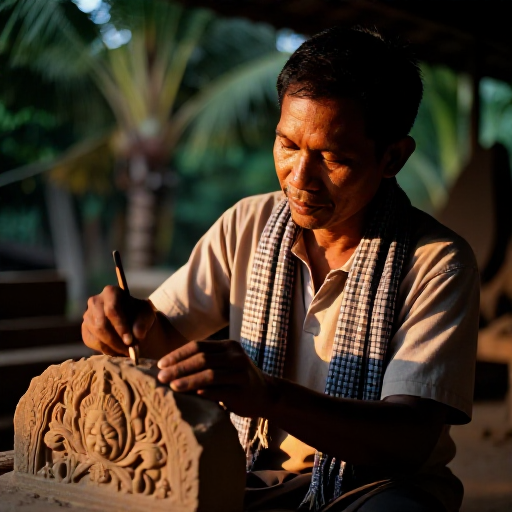
នៅពេលរមួលសរសៃ ត្រូវភ្ជាប់សរសៃថ្មីជាមួយសរសៃចាស់ដោយឲ្យចុងសរសៃពីរត្រួតគ្នាប្រហែល ២ ដល់ ៣ សង់ទីម៉ែត្រ។ រមួលបន្តលើភ្លៅ។ សរសៃសើមនឹងជាប់គ្នាដោយធម្មជាតិ។ ស្ត្រីខ្មែរដែលមានជំនាញអាចផលិតអំបោហបាន ២៥ ដល់ ៣០ ម៉ែត្រក្នុងមួយថ្ងៃ។
이 단계의 재료:
វិលអំបោហលើខ្សិល
វិលអំបោហលើខ្សិល
យកអំបោហដែលបានរមួលរួចមកវិលលើខ្សិល។ ខ្សិលជាដំបង់ឈើវែងតូចមួយ។ វិលអំបោហដោយស្មើៗរហូតដល់រឹងល្អ។ អំបោហសូត្រឈូកមានទំហំស្តើងជាងអំបោហសូត្រធម្មតា។ រក្សាកម្រិតសើមខណៈពេលវិល ដោយបាញ់ទឹកស្រាលៗពេលខ្សែចាប់ផ្តើមស្ងួត។
필요한 도구:
 손 방적 가락
ពិនិត្យគុណភាពអំបោហ
ពិនិត្យគុណភាពអំបោហ
ពិនិត្យអំបោហសូត្រឈូកដោយមើលលើភាពស្មើ កម្រាស់ និងភាពរឹងមាំ។ ទាញអំបោហស្រាលៗដើម្បីសាកល្បងកម្លាំង។ អំបោហល្អមានពណ៌សស្រាល ទន់ និងមានភាពចែងចាំង។ បែងចែកអំបោហជាថ្នាក់៖ ថ្នាក់ ១ សម្រាប់ត្បាញក្រណាត់ ថ្នាក់ ២ សម្រាប់ធ្វើរបស់សិប្បកម្មផ្សេងៗ។
សម្ងួតអំបោហសូត្រឈូក
សម្ងួតអំបោហសូត្រឈូក
ព្យួរអំបោហដែលបានលាងរួចលើរានសម្ងួតឫស្សីនៅកន្លែងម្លប់ មានខ្យល់ចេញចូលល្អ។ កុំសម្ងួតក្រោមពន្លឺថ្ងៃផ្ទាល់ ព្រោះវានឹងធ្វើឱ្យសរសៃលឿង និងខ្សោយ។ រង់ចាំ ២៤ ដល់ ៤៨ ម៉ោងសម្រាប់សម្ងួតពេញលេញ អាស្រ័យលើសំណើម។ អំបោហដែលសម្ងួតល្អមានពណ៌សស្រាលធម្មជាតិ។
필요한 도구:
 대나무 건조대
រក្សាទុកអំបោហសូត្រឈូកដែលបានរួចរាល់
រក្សាទុកអំបោហសូត្រឈូកដែលបានរួចរាល់
វិលអំបោហដែលបានថ្នាក់រួចជាដុំស្រាលៗសម្រាប់រក្សាទុក។ ដាក់អំបោហក្នុងថង់កប្បាសជាមួយកញ្ចប់ស៊ីលីកាជែលដើម្បីគ្រប់គ្រងសំណើម។ រក្សាទុកនៅកន្លែងត្រជាក់ងងឹត ឆ្ងាយពីពន្លឺថ្ងៃ។ អំបោហសូត្រឈូកស្រូបសំណើមពីខ្យល់ ដែលអាចបង្កផ្សិត។ រក្សាទុកបានរហូតដល់ ៦ ខែ។ អំបោហនេះត្រៀមខ្លួនសម្រាប់ដាក់លើម៉ាស៊ីនត្បាញក្រណាត់សូត្រឈូក។
이 단계의 재료:
 무명 보관 주머니2 개
 실리카겔 봉지4 개
재료
8- 2 개플레이스홀더
- 1 개플레이스홀더
- 200 개플레이스홀더
- Water Spray Bottle1 개
- 2 개플레이스홀더
- 4 개플레이스홀더
- Cotton Storage Bag2 개
- Silica Gel Packet4 개
이 블루프린트로 만드는 것
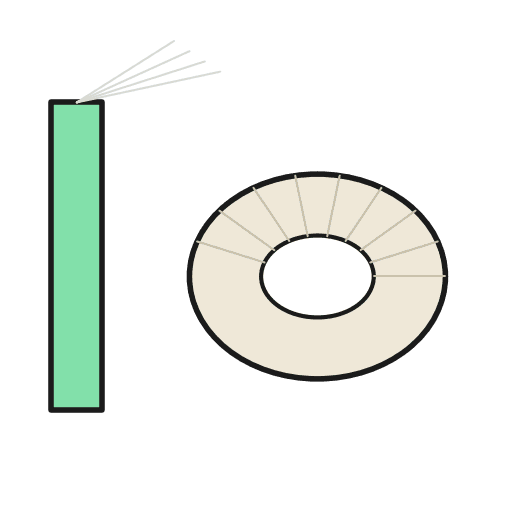
CC0 퍼블릭 도메인
이 블루프린트는 CC0로 공개되었습니다. 어떤 목적으로든 자유롭게 복사, 수정, 배포 및 사용할 수 있습니다.
제품 구매를 통해 메이커를 지원하세요. 판매자가 설정한 메이커 커미션 을 받거나, 이 블루프린트의 새로운 반복을 만들어 연결로 포함시킬 수 있습니다.