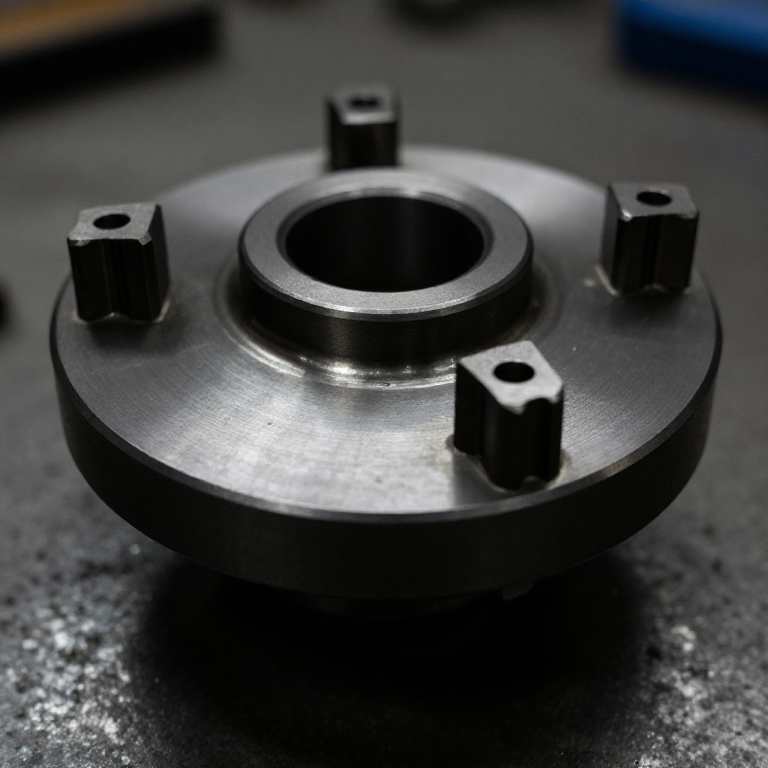


Dog Clutch
안내
Cut four square dog teeth per face
Cut four square dog teeth per face
Few teeth, big teeth. That is the opposite of a gear and it is deliberate.
- Cut two 70 mm discs from 18 mm ply faced with 6 mm aluminium, or from solid aluminium bar.
- Mark four teeth on each face, 90 degrees apart, each spanning about 30 degrees of arc.
- Cut the gaps between them slightly WIDER than the teeth — about 35 degrees.
- File the tooth flanks square to the face, or with a very slight back-taper.
- Chamfer the leading corners of every tooth.
Why so few teeth. More teeth means each is smaller and weaker, and — more importantly — the clutch can then only engage at more closely matched positions. Four big teeth engage from any of four positions and carry the load on a large area. Gears want many small teeth for smooth motion; a dog clutch wants few large ones for strength and easy engagement, because it never runs meshed-and-rotating relative to its partner.
The clearance between tooth and gap is what lets it engage at all. Cut them the same size and thermal expansion or a speck of dirt will stop it engaging.이 단계의 재료:
 발트 자작나무 합판1 장
 알루미늄 평각봉1 개
필요한 도구:
 실톱(코핑 소)
 줄 세트
줄 세트 바이스(만력)
 조합 직각자
 디지털 캘리퍼스 6인치
 센터 펀치
센터 펀치Mount one half fixed, one half sliding
Mount one half fixed, one half sliding
One disc is keyed to its shaft; the other slides along its own shaft to engage.
- Fix the first disc to the driven shaft with two M5 cup point set screws at 90 degrees.
- File a flat along the driving shaft and fit the second disc with a set screw riding in it.
- Confirm the sliding disc moves 20 mm freely along the shaft but cannot rotate on it.
- Mount both shafts in 608 bearings in ply blocks, fixed with M5 × 40 socket head cap screws × 4, M5 flat washers × 8 and M5 hex nuts × 4.
- Set the two discs coaxial — check with a straightedge across both rims.
이 단계의 재료:
 알루미늄 환봉2 개
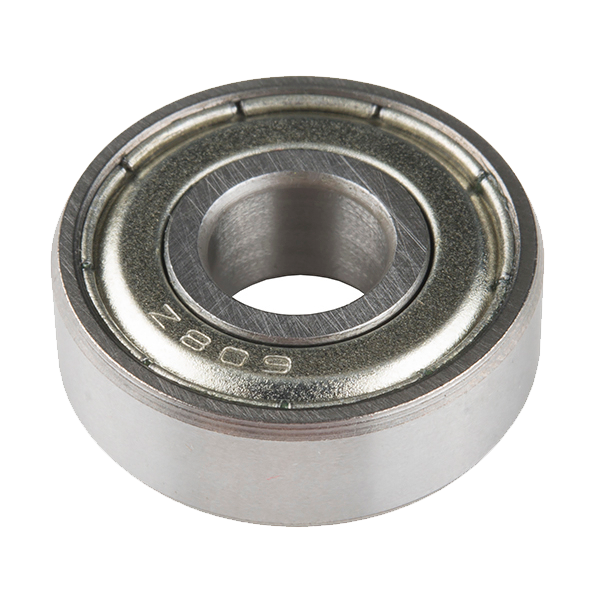 Ball Bearing - Non-Flanged (8mm Bore, 22mm OD)4 개
 컵 포인트 멈춤 나사4 개
 평와셔8 개
 육각 너트4 개
필요한 도구:
 무선 드릴
무선 드릴 드릴 비트 세트
 육각 렌치 세트줄 세트조합 직각자
Add the shift fork and its detent
Add the shift fork and its detent
The fork slides the disc; a detent keeps it where you put it.
- Turn a groove in the sliding disc's back face, or fit two collars either side of a fork.
- Cut a fork from 6 mm aluminium and pivot it on an M6 × 40 hex bolt with M6 flat washers × 2.
- Drill two shallow detent dimples in the fork's travel — one for engaged, one for disengaged.
- Fit a spring-loaded ball or pin bearing into those dimples.
The detent is not a convenience. A dog clutch left half engaged carries load on the tooth corners only, and that is how teeth break. The detent makes the two valid positions the only comfortable places for the lever to sit, so the mechanism resists being left in between.
Every gearbox has this. What feels like a positive gear-change action is a detent doing exactly this job, and it exists for exactly this reason.이 단계의 재료:
알루미늄 평각봉1 개 압축 스프링 세트1 세트평와셔4 개
필요한 도구:
무선 드릴드릴 비트 세트육각 렌치 세트줄 세트 쇠톱 프레임과 톱날
Engage at rest, then engage at speed
Engage at rest, then engage at speed
The second test is the whole lesson, and it is audible.
- With both shafts stationary and roughly aligned, engage. It drops in cleanly.
- Load the output and confirm zero slip — the connection is absolute.
- Now spin the input by hand and try to engage the stationary output.
- Listen. Try again at a bigger speed difference.
필요한 도구:
 스톱워치디지털 캘리퍼스 6인치
The synchroniser answer, and history
The synchroniser answer, and history
The gearbox solution is to use both clutches together. A synchroniser is a small cone clutch that engages FIRST, dragging the next gear up to matching speed, after which the dog teeth slide in without clashing. Earl Thompson at Cadillac developed the synchromesh gearbox in the late 1920s, and it turned gear changing from a skill — double-declutching, matching revs by ear — into something anyone could do. The dog clutch did not get better; it got a helper.
Where dog clutches are still used bare: racing sequential gearboxes, where the shock is accepted in exchange for near-instant shifts and no synchroniser drag; tractor power take-offs; and machine tool feed engagement, where positive drive matters and speeds are low or stopped.
Its place in this catalogue: the ratchet and pawl also gives positive, non-slipping engagement — but only in one direction, and it engages at discrete steps with an audible click. The dog clutch is bidirectional and locks fully. The sprag clutch is one-way like a ratchet but silent and stepless. Four ways to connect two rotating parts, and the differences are exactly what a designer chooses between.
Honest limit: aluminium dog teeth will deform under real torque. This build demonstrates the geometry and the engagement behaviour; a working clutch wants hardened steel teeth, because the corners carry enormous local stress at the instant of engagement.
재료
8- 1 장플레이스홀더
- 1 개플레이스홀더
- 2 개플레이스홀더
- ₩17
- 4 개플레이스홀더
- 12 개플레이스홀더
- 4 개플레이스홀더
- 1 세트플레이스홀더
필요 도구
11- 플레이스홀더
- 플레이스홀더
- 플레이스홀더
- 플레이스홀더
- 플레이스홀더
- 플레이스홀더
- 1 vendor sell this, none ship to you yet플레이스홀더
- 플레이스홀더
- 플레이스홀더
- 플레이스홀더
- 플레이스홀더
관련 블루프린트
이 블루프린트들은 지식을 공유합니다 — 기술, 재료 또는 원리
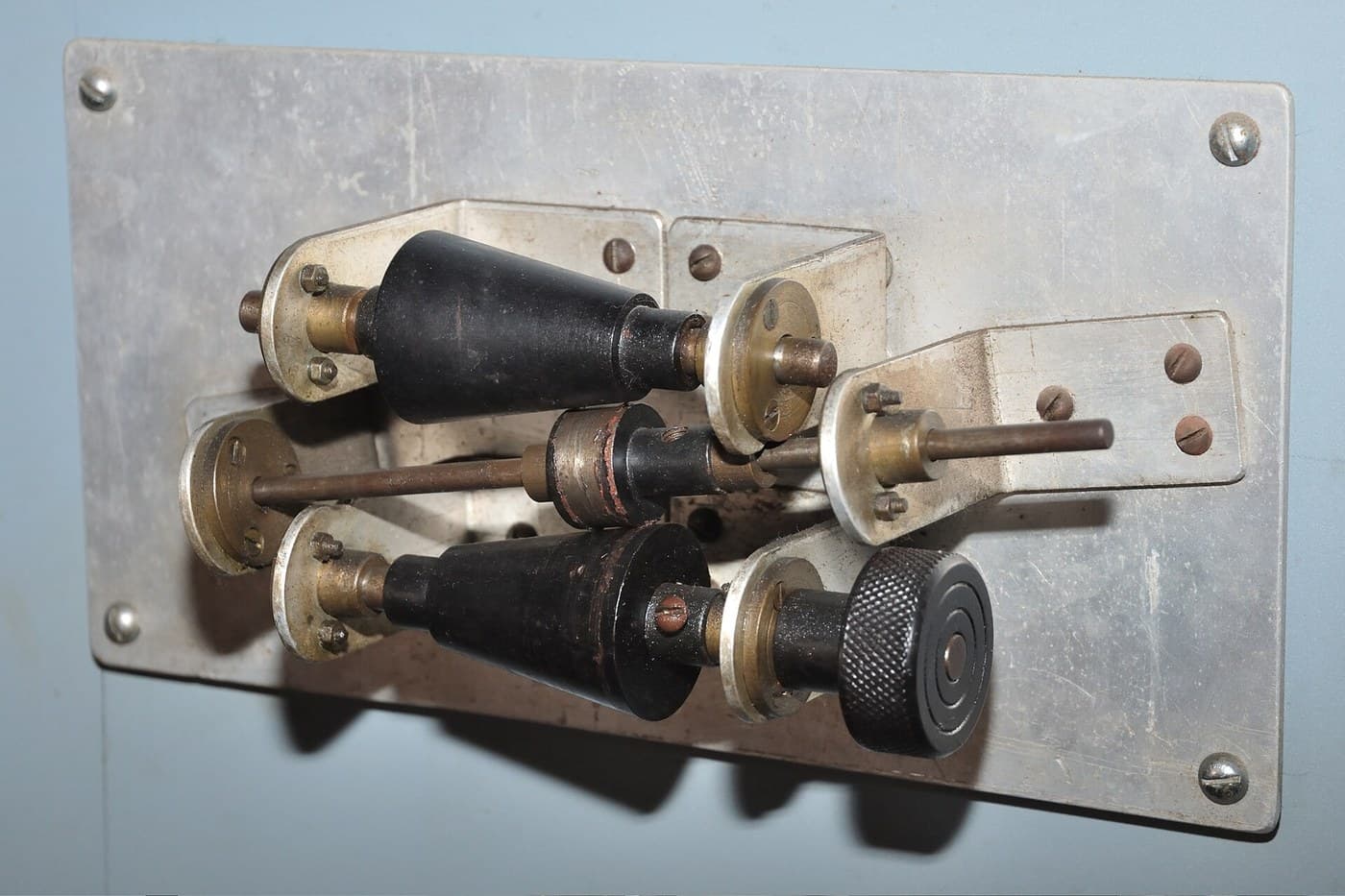
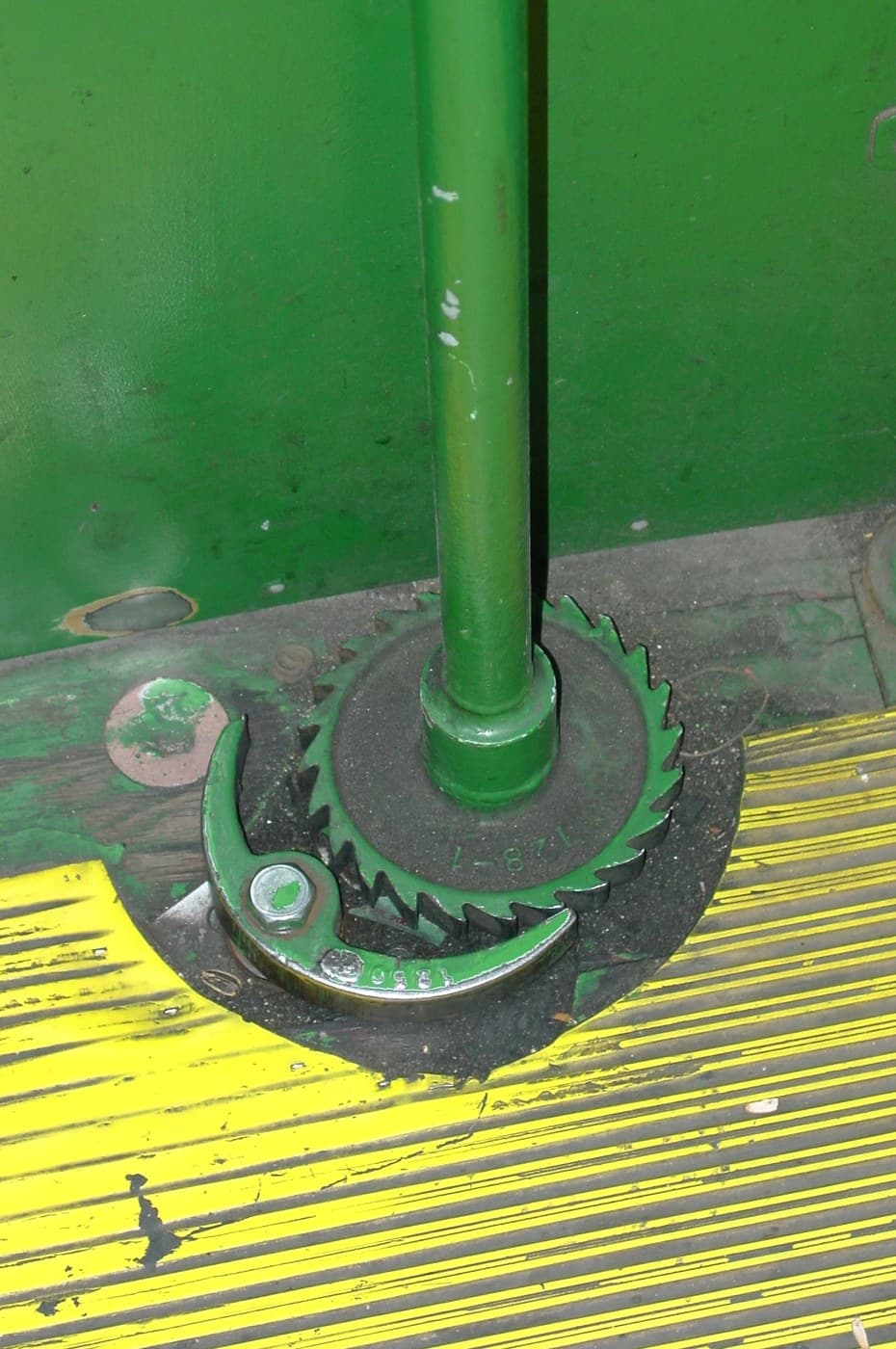
CC0 퍼블릭 도메인
이 블루프린트는 CC0로 공개되었습니다. 어떤 목적으로든 자유롭게 복사, 수정, 배포 및 사용할 수 있습니다.
제품 구매를 통해 메이커를 지원하세요. 판매자가 설정한 메이커 커미션 을 받거나, 이 블루프린트의 새로운 반복을 만들어 연결로 포함시킬 수 있습니다.