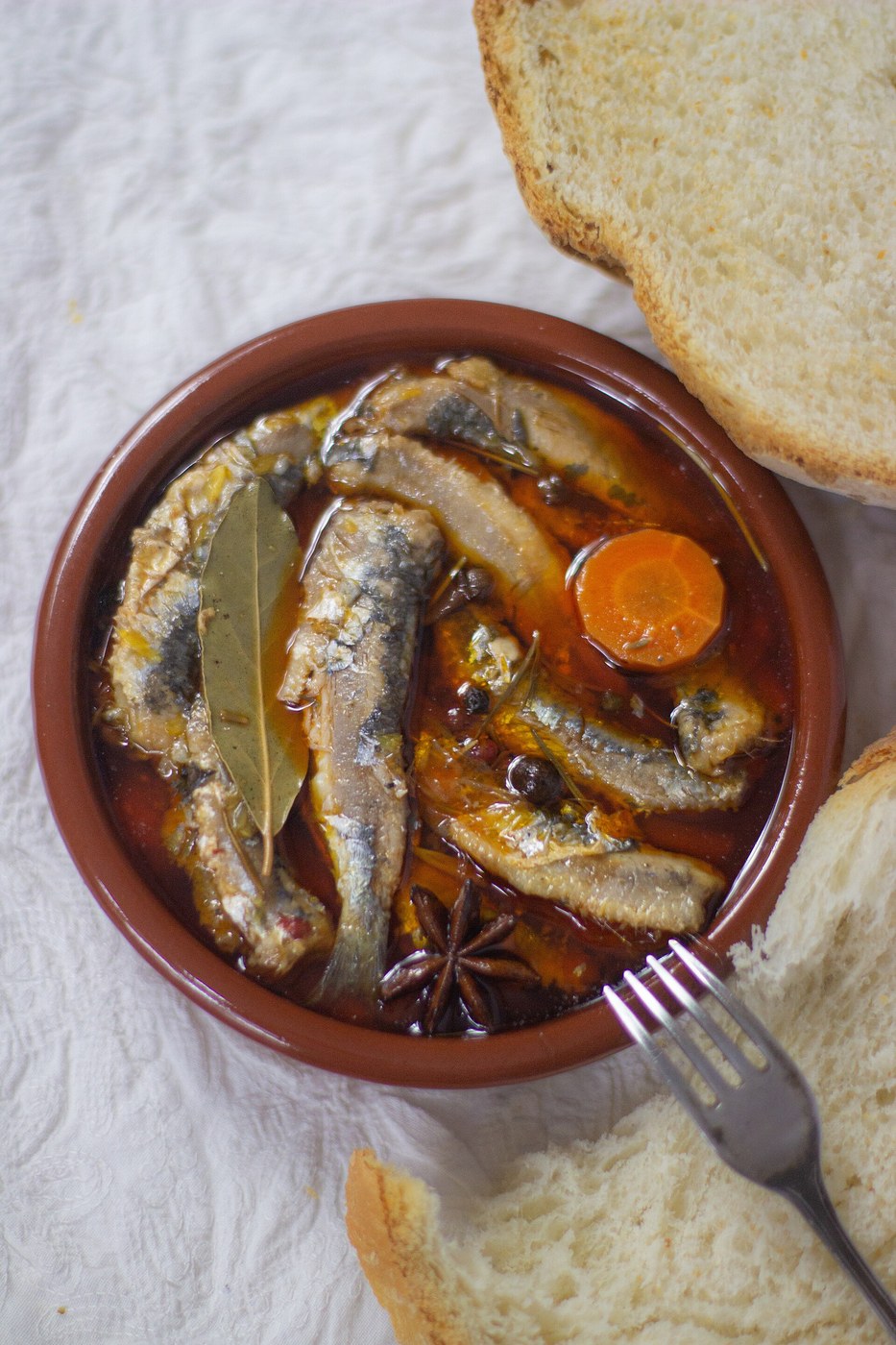


Escabeche — Pescado en Vinagre y Aceite
Antes de que existiera el frigorífico, el pescado frito duraba un día. En escabeche dura una semana, y sabe mejor al tercer día que al primero.
El escabeche no es un encurtido. No se conserva crudo en salmuera: primero se cocina el alimento, después se sumerge caliente en una mezcla hervida de vinagre, aceite y aromáticos. El vinagre baja el pH por debajo de 4,6 y detiene a las bacterias; el aceite forma una capa que aísla del aire. Son dos barreras distintas trabajando a la vez.
La palabra viene del árabe al-sikbāj, un guiso persa al vinagre que llegó a Al-Ándalus, pasó a España y Portugal, y de ahí a México, Perú, Filipinas y medio mundo. En cada sitio cambió el pescado y las especias; el método no cambió.
안내
Usa vinagre de verdad, no rebajado
Usa vinagre de verdad, no rebajado
El vinagre debe tener al menos un 5 % de acidez. Un vinagre flojo no baja el pH lo suficiente y el escabeche deja de ser una conserva para ser sólo un aliño.
이 단계의 재료:
 포도주 식초250 ml
Esteriliza los tarros y sus tapas
Esteriliza los tarros y sus tapas
Hierve tarros y tapas diez minutos y déjalos secar boca abajo. Un tarro sucio arruina cualquier conserva por muy ácida que sea.
필요한 도구:
 뚜껑 있는 유리병
Elige un pescado firme
Elige un pescado firme
Bonito, caballa, sardina, jurel o boquerón. El pescado blanco muy delicado se deshace en el vinagre y queda como puré.
Sala el pescado y sécalo bien
Sala el pescado y sécalo bien
Sal por ambas caras y deja reposar diez minutos. Después seca con papel: el pescado húmedo no se dora, se cuece.
이 단계의 재료:
 식탁용 소금10 g
Fríe el pescado en aceite de oliva
Fríe el pescado en aceite de oliva
Dóralo por las dos caras hasta que esté hecho. Se cocina ahora del todo — el vinagre conserva, no cocina.
이 단계의 재료:
 엑스트라 버진 올리브유200 ml
Retira el pescado y reserva el aceite
Retira el pescado y reserva el aceite
Sácalo a una fuente. El aceite de la sartén ya lleva sabor y es la base del escabeche — no lo tires.
Pocha cebolla y zanahoria en ese mismo aceite
Pocha cebolla y zanahoria en ese mismo aceite
Cebolla en pluma y zanahoria en rodajas finas, a fuego suave hasta que estén tiernas sin coger color.
이 단계의 재료:
 양파2 개
양파2 개 당근2 개
당근2 개Añade ajo, laurel, pimienta y orégano
Añade ajo, laurel, pimienta y orégano
Dientes de ajo enteros y ligeramente aplastados, dos hojas de laurel, granos de pimienta y una pizca de orégano. Un minuto, sin quemar el ajo.
이 단계의 재료:
 월계수 잎2 개
 말린 오레가노2 g
Guarda la proporción: dos de aceite por uno de vinagre
Guarda la proporción: dos de aceite por uno de vinagre
Ésta es la proporción clásica española. Más vinagre conserva mejor pero tapa el pescado; más aceite sabe mejor y dura menos.
필요한 도구:
 계량 저그
계량 저그Vierte el vinagre y hierve cinco minutos
Vierte el vinagre y hierve cinco minutos
Añade el vinagre a la sartén y deja hervir suavemente cinco minutos. Hervir suaviza la aspereza del ácido sin quitarle su efecto conservante.
Devuelve el pescado y apaga el fuego
Devuelve el pescado y apaga el fuego
Coloca las piezas en la sartén, tapa y retira del calor. Deben quedar cubiertas por el líquido.
Envasa en caliente y cubre por completo
Envasa en caliente y cubre por completo
Pasa pescado y verduras a los tarros y cubre con el líquido. Cualquier trozo que asome se estropea primero — el aceite es la tapa.
Enfría y guarda en el frigorífico
Enfría y guarda en el frigorífico
Deja templar sobre la encimera y luego al frío. Éste es un escabeche de nevera: dura una o dos semanas, no un año.
Espera tres días antes de comerlo
Espera tres días antes de comerlo
El primer día sabe a pescado frito con vinagre. Al tercero los sabores se han integrado y aparece el escabeche de verdad.
Historia y contexto — de Persia a media docena de continentes
Historia y contexto — de Persia a media docena de continentes
El nombre y su viaje. Escabeche procede del árabe hispánico al-sikbāǧ, y éste del persa sikbāj, un guiso de carne al vinagre documentado en recetarios árabes medievales — aparece ya en el Kitāb al-Ṭabīḫ del siglo XIII. Entró en la península ibérica con Al-Ándalus, se adaptó al pescado, y viajó después con los barcos españoles y portugueses. De ahí salen el escabeche mexicano de chiles y verduras, el escabeche peruano, el escabetx valenciano, el escovitch jamaicano, el escabeche filipino y el sikbāj original, todos hijos del mismo método.
Por qué funciona. El vinagre lleva el pH del alimento por debajo de 4,6, el umbral por debajo del cual Clostridium botulinum no puede desarrollarse ni producir toxina. Ése es el límite que usan las autoridades sanitarias para separar los alimentos ácidos de los de baja acidez, y es la razón por la que el escabeche es seguro a temperatura ambiente durante días mientras el mismo pescado frito no lo es. El aceite añade una segunda barrera puramente física: excluye el oxígeno de la superficie, frenando tanto la oxidación de las grasas como los mohos aerobios.
Cocinar primero, no después. Aquí está la diferencia con un encurtido. En un encurtido el vegetal entra crudo y el ácido lo transforma lentamente. En el escabeche el alimento se cocina por completo antes de entrar en el líquido, de modo que el ácido sólo tiene que conservarlo. Por eso el escabeche admite carne, caza, perdiz y pollo igual que el pescado, y por eso mantiene la textura en lugar de deshacerla.
Un aviso honesto sobre la duración. Los escabeches tradicionales duraban semanas porque llevaban mucho más vinagre y bastante más sal que los actuales, y porque se guardaban en fresco y oscuro. Un escabeche moderno, hecho al gusto de hoy, es una conserva de frigorífico de una a dos semanas. Si alguien afirma que un escabeche casero aguanta meses fuera de la nevera, está describiendo otra receta, mucho más ácida y mucho más salada que ésta.
재료
7- 250 ml플레이스홀더
- 10 g플레이스홀더
- 200 ml플레이스홀더
- 2 개플레이스홀더
- 2 개플레이스홀더
- 2 개플레이스홀더
- 2 g플레이스홀더
연결된 블루프린트 재료
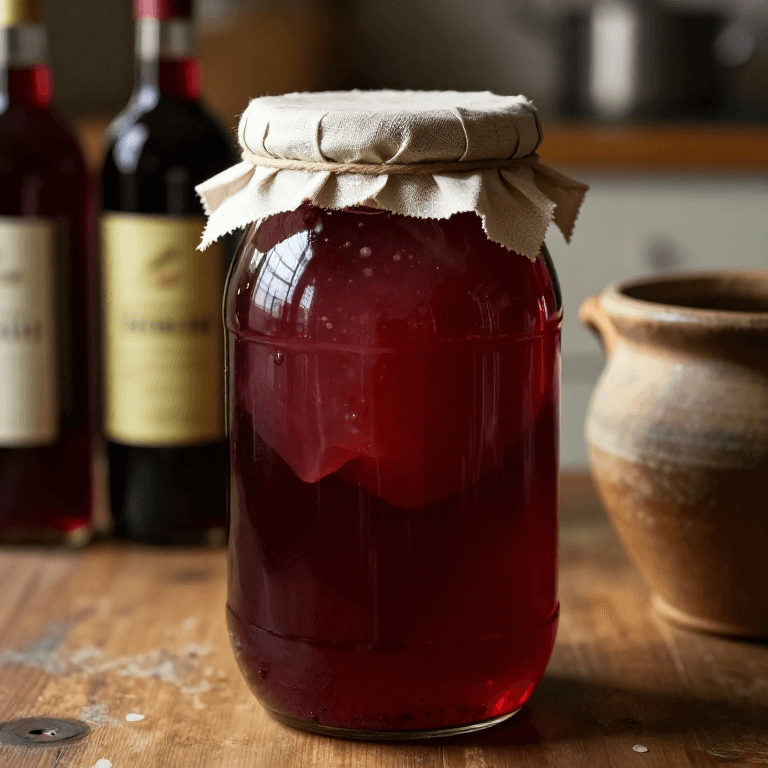

이 블루프린트로 만드는 것

관련 블루프린트
이 블루프린트들은 지식을 공유합니다 — 기술, 재료 또는 원리
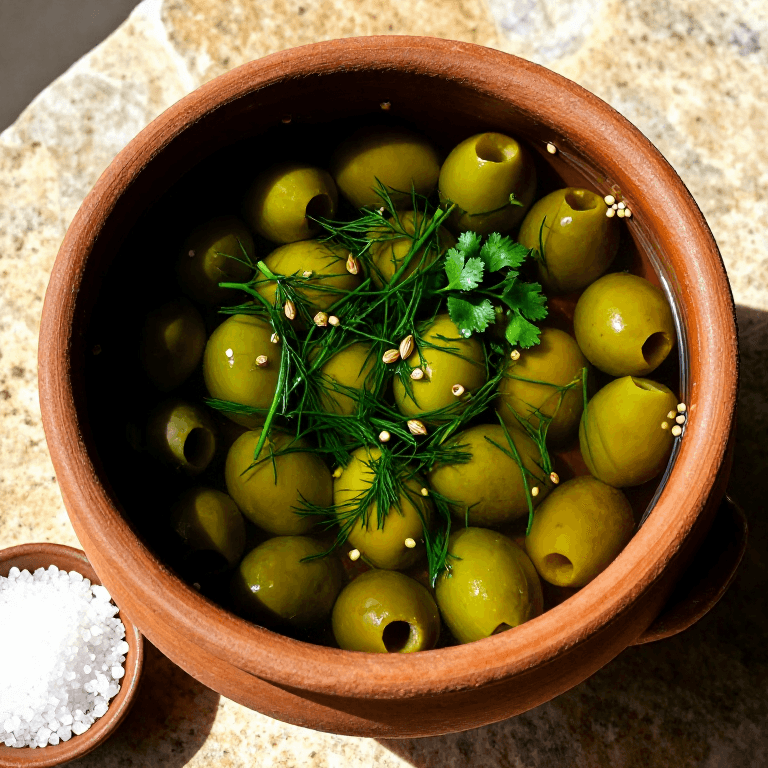
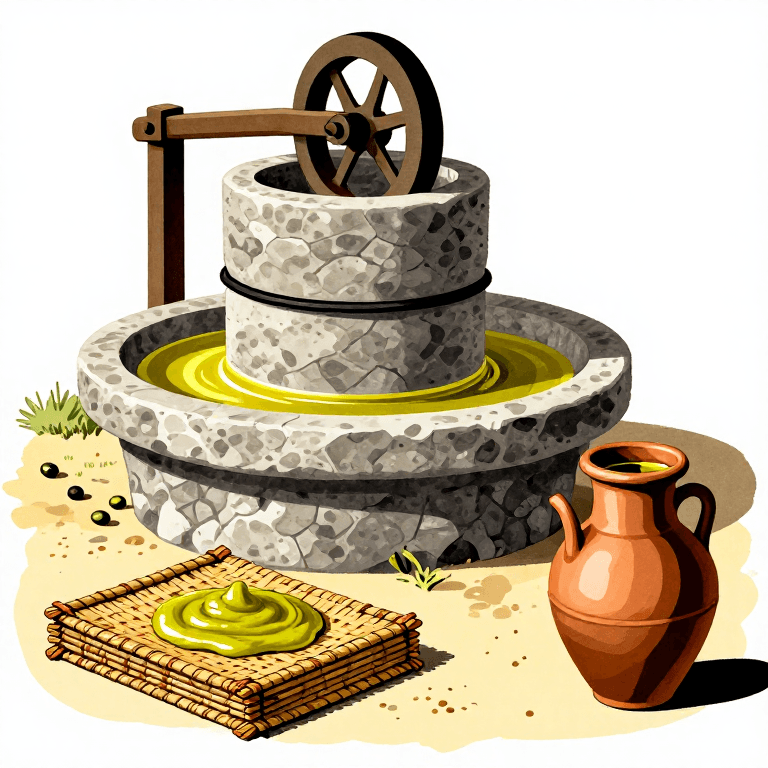
CC0 퍼블릭 도메인
이 블루프린트는 CC0로 공개되었습니다. 어떤 목적으로든 자유롭게 복사, 수정, 배포 및 사용할 수 있습니다.
제품 구매를 통해 메이커를 지원하세요. 판매자가 설정한 메이커 커미션 을 받거나, 이 블루프린트의 새로운 반복을 만들어 연결로 포함시킬 수 있습니다.