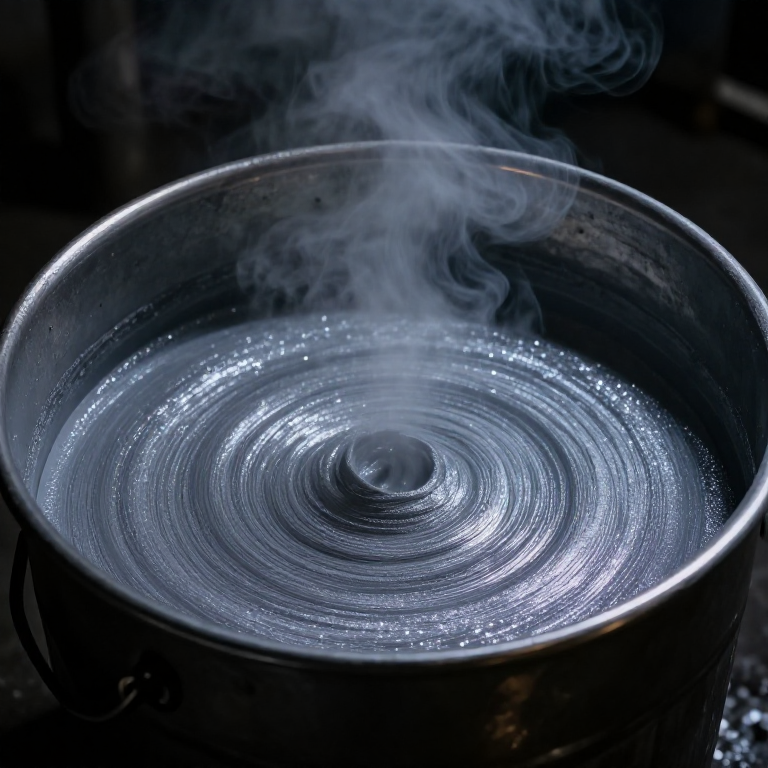


Galvanizing Iron with Zinc — A Coat That Rusts So the Iron Will Not
Iron's great weakness is rust. Left in the weather, an iron roof or bucket flakes away to nothing in a few years. In 1837 the French engineer Stanislas Sorel patented a cure that is still used on a vast scale today: dip the iron in a bath of molten zinc. The zinc bonds to the surface and shields the iron beneath, and galvanized iron suddenly lasted for decades outdoors.
The zinc protects in two ways at once. It is a barrier, sealing the iron from air and water — but more cleverly, it is a sacrifice. Zinc is more reactive than iron, so even where the coating is scratched and bare iron shows, the surrounding zinc corrodes first and spares the iron. The coating gives up itself to save the metal underneath.
Hot-dip galvanizing clad the Industrial Revolution's wire, nails, pipes, and the corrugated iron roofs that sheltered half the world. It is simple in principle — clean the iron, flux it, and dip it in molten zinc — but every step matters, because a missed patch of grease or rust leaves a hole in the armour.
안내
Understand galvanizing
Understand galvanizing
Degrease the iron
Degrease the iron
이 단계의 재료:
 가성소다(수산화나트륨)200 g
Pickle off the rust
Pickle off the rust
이 단계의 재료:
 황산2 리터
필요한 도구:
 산 수조
산 수조Rinse and flux
Rinse and flux
이 단계의 재료:
 염화아연암모늄300 g
Dry the fluxed part
Dry the fluxed part
Melt the zinc bath
Melt the zinc bath
이 단계의 재료:
 아연 잉곳50 kg
Dip the iron
Dip the iron
필요한 도구:
 도가니 집게
Hold until soaked through
Hold until soaked through
필요한 도구:
도가니 집게Withdraw and drain
Withdraw and drain
필요한 도구:
 담그는 바구니
Cool the coating
Cool the coating
이 단계의 재료:
 물20 리터
Inspect the coat
Inspect the coat
필요한 도구:
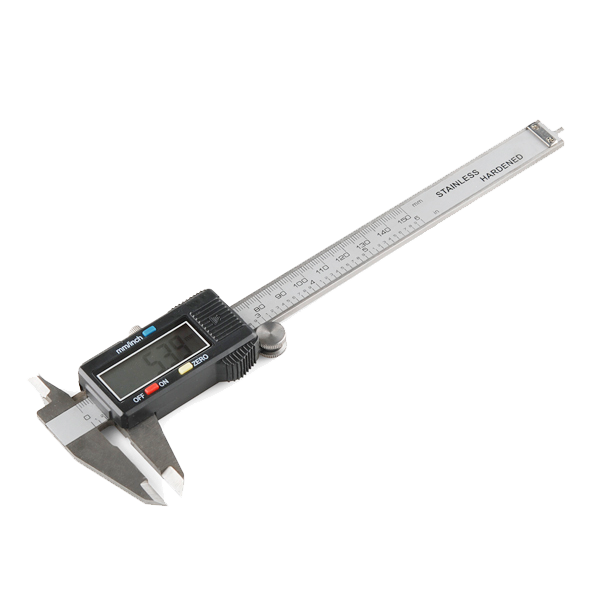 Calipers
Understand sacrificial protection
Understand sacrificial protection
연결된 블루프린트 재료
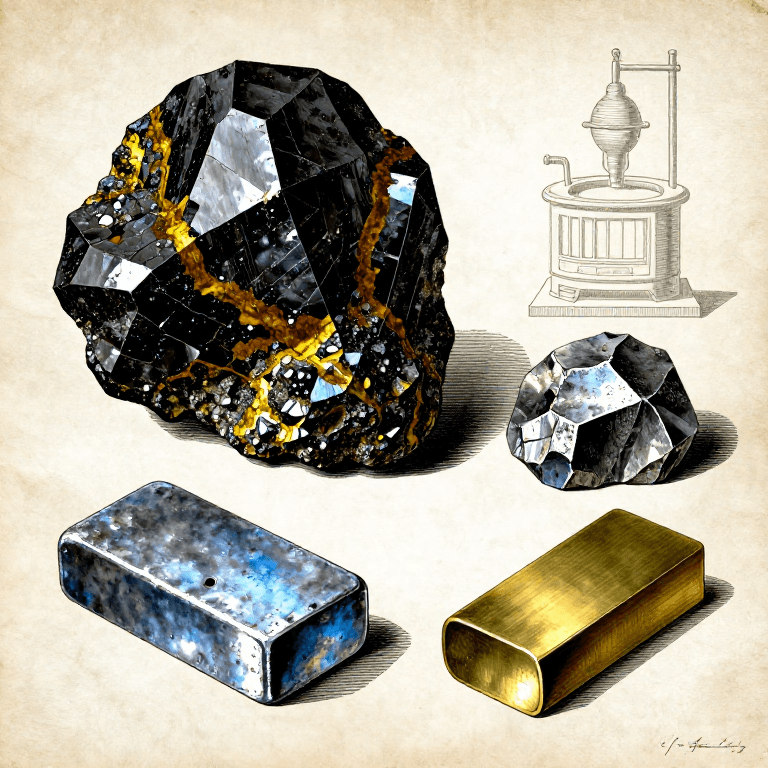


관련 블루프린트
이 블루프린트들은 지식을 공유합니다 — 기술, 재료 또는 원리

CC0 퍼블릭 도메인
이 블루프린트는 CC0로 공개되었습니다. 어떤 목적으로든 자유롭게 복사, 수정, 배포 및 사용할 수 있습니다.
제품 구매를 통해 메이커를 지원하세요. 판매자가 설정한 메이커 커미션 을 받거나, 이 블루프린트의 새로운 반복을 만들어 연결로 포함시킬 수 있습니다.