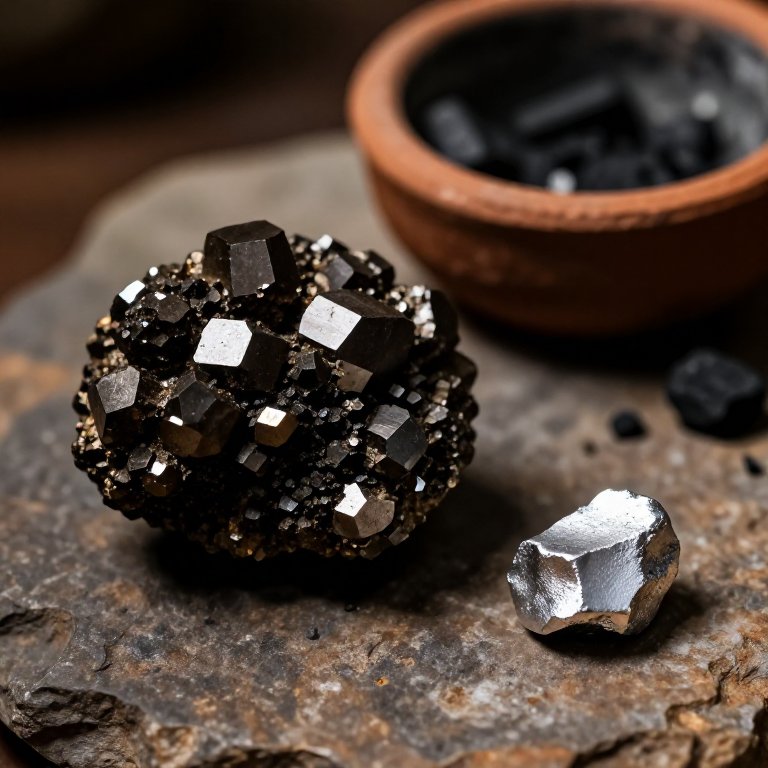


Extracting Tin from Cassiterite — The Missing Ingredient
안내
Prerequisite: Making Charcoal
Prerequisite: Making Charcoal
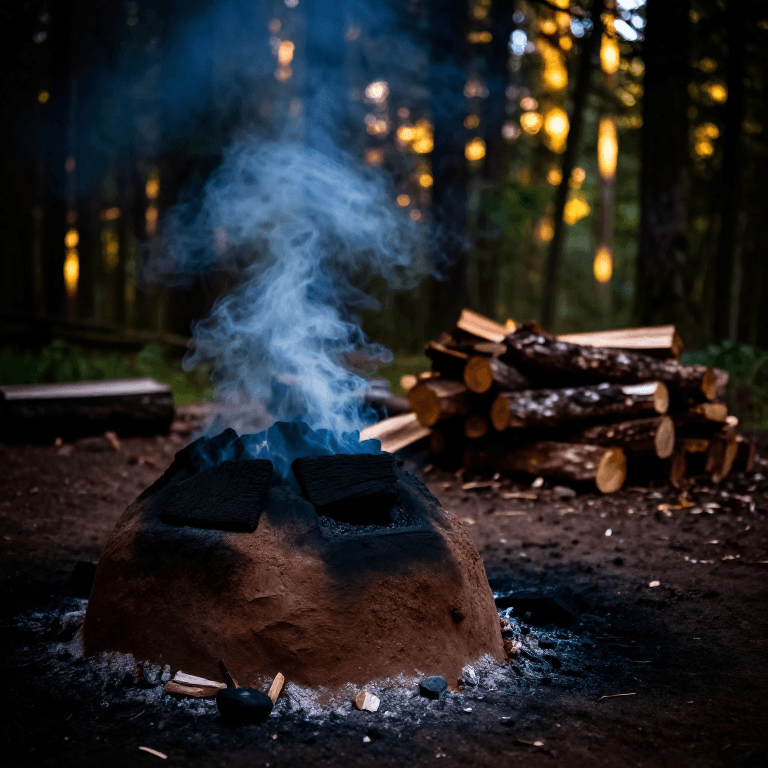
You need charcoal for tin smelting fuel.
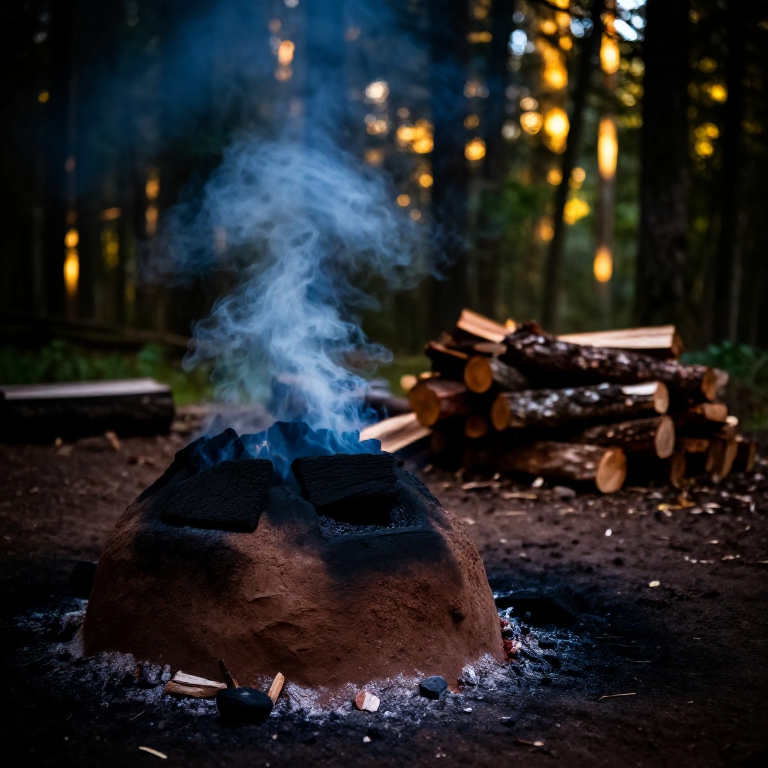
선행 블루프린트
Making Charcoal — The First Chemical Process
이 단계의 재료:
 활성탄 가루8 kg
 주석1 참조
필요한 도구:
 가마(킬른)
 풀무
풀무 대장간 집게
 돌망치(광석 분쇄)
Prerequisite: Building a Clay Kiln
Prerequisite: Building a Clay Kiln
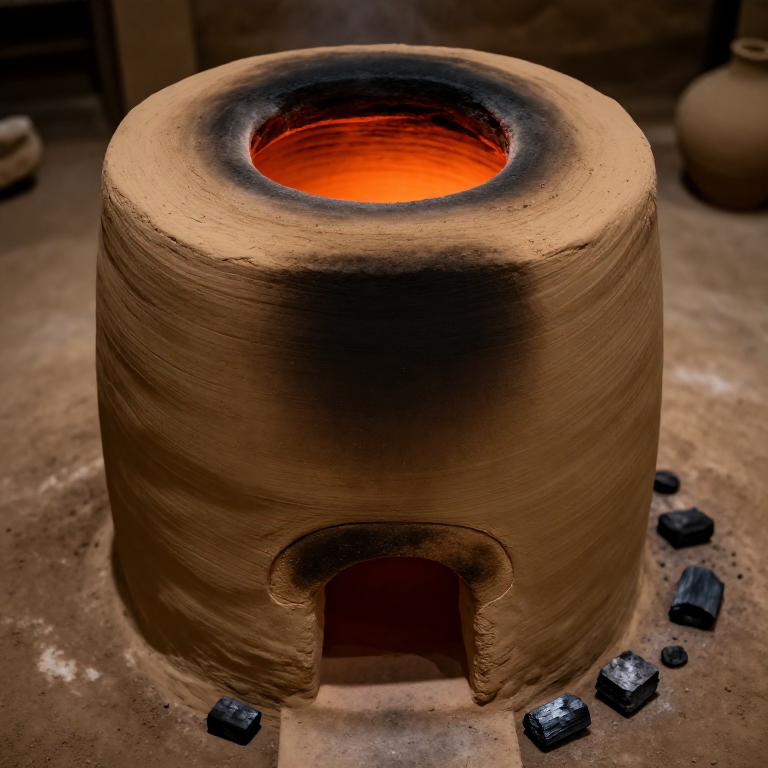
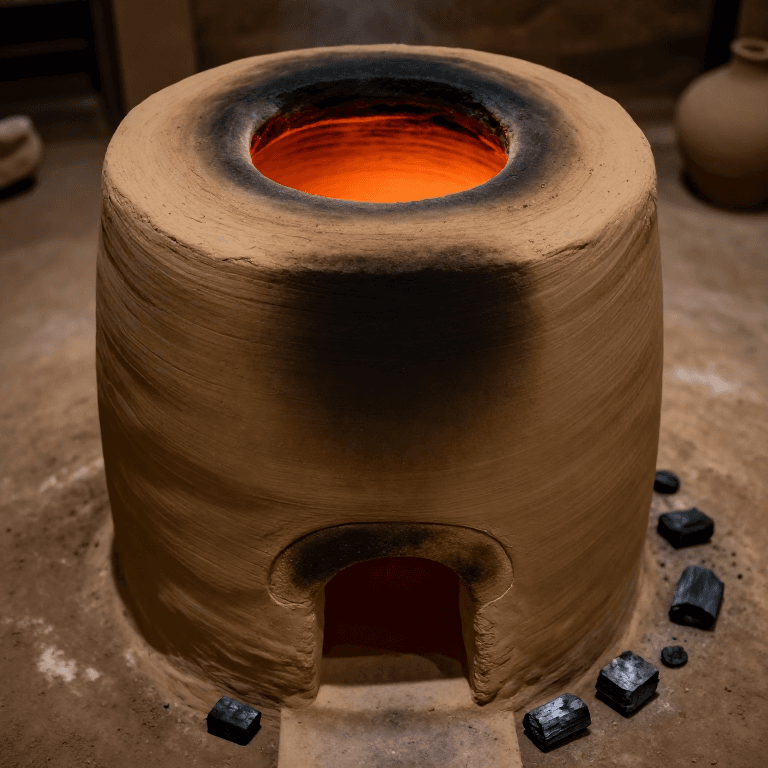
You need a kiln for the tin smelting process.
선행 블루프린트
Building a Clay Kiln — The First Furnace
이 단계의 재료:
주석1 참조The Chemistry of Tin Reduction
The Chemistry of Tin Reduction
The Reaction
SnO₂ + 2C → Sn + 2CO₂ (at ~900°C)
Carbon from charcoal reduces tin oxide to metallic tin. This is chemically simpler than copper smelting — cassiterite is a simple binary oxide.
Why It's Easy to Smelt
- Reduction temperature: ~900°C (well within kiln range)
- Tin melts at only 232°C — it liquefies immediately upon reduction
- Tin is dense (7.3 g/cm³) — it separates cleanly from slag by gravity
- Unlike copper, tin doesn't readily re-oxidize at smelting temperatures
Ore Preparation
- Crush cassiterite to coarse sand (2-5mm). Tin oxide is extremely hard — this takes effort.
- Wash crushed ore in a stream or pan (like gold panning). Cassiterite is heavy (density 6.8-7.1) — it concentrates just like gold.
- Ancient tin miners used streaming — washing alluvial deposits in wooden troughs to separate heavy cassiterite from lighter sand.
이 단계의 재료:
활성탄 가루8 kg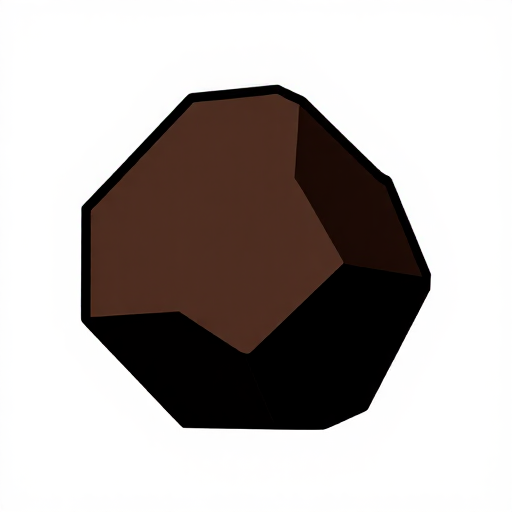 석석 광석(SnO₂)1 kg주석1 참조
Smelting
Smelting
Kiln Setup
- Bring kiln to full temperature with charcoal and bellows (~1000°C).
- Pre-heat crucible in the kiln for 10 minutes.
- Layer in the crucible: charcoal → crushed cassiterite → charcoal → cassiterite → charcoal (like a sandwich).
- The charcoal layers ensure intimate contact between carbon and ore for efficient reduction.
The Smelt
- Maintain bellows operation for 1-2 hours. Tin smelts faster than copper.
- Watch for tin droplets collecting at the bottom of the crucible — they're bright and silvery.
- Add more charcoal to the kiln as needed to maintain temperature.
- After 2 hours, the reduction should be complete.
Recovery
- Carefully remove the crucible. The tin has pooled at the bottom under a layer of slag.
- Pour the contents onto a flat stone. The heavy tin will run out first, followed by lighter slag.
- Alternatively, let it cool in the crucible and break the slag off the solidified tin button.
Yield
Cassiterite is ~78.8% tin by weight. Expect 60-75% recovery with primitive methods. 1kg ore → 450-600g tin.
이 단계의 재료:
활성탄 가루8 kg석석 광석(SnO₂)1 kg주석1 참조Properties and What's Next
Properties and What's Next
Identifying Your Tin
- Appearance: Bright silvery-white, with a slight bluish tint
- Sound: Bending a tin bar produces a distinctive "tin cry" — a crackling sound caused by crystal twinning
- Softness: Very soft — easily scratched with a fingernail
- Melting: Melts easily over a campfire (232°C)
Why Tin Alone Isn't Useful
Pure tin is too soft for tools. It bends easily and has poor edge retention. But when you add just 10-12% tin to copper, something remarkable happens — the resulting alloy (bronze) is harder than either metal alone, casts better, and holds a sharper edge than pure copper.
This discovery — that mixing two soft metals creates a hard alloy — was the insight that launched the Bronze Age. See Blueprint 07: Alloying Bronze.
이 단계의 재료:
주석1 참조연결된 블루프린트 재료

CC0 퍼블릭 도메인
이 블루프린트는 CC0로 공개되었습니다. 어떤 목적으로든 자유롭게 복사, 수정, 배포 및 사용할 수 있습니다.
제품 구매를 통해 메이커를 지원하세요. 판매자가 설정한 메이커 커미션 을 받거나, 이 블루프린트의 새로운 반복을 만들어 연결로 포함시킬 수 있습니다.