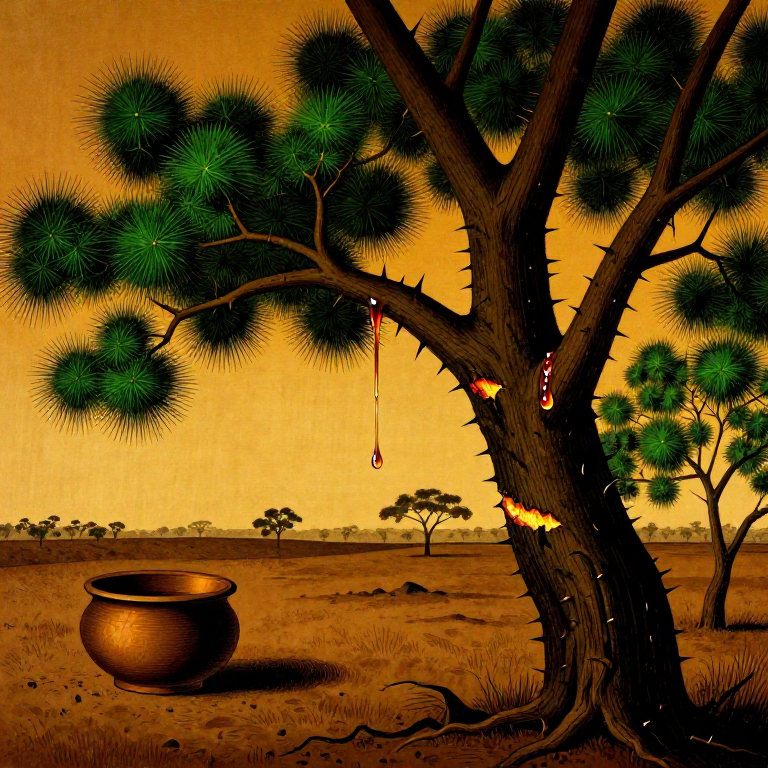
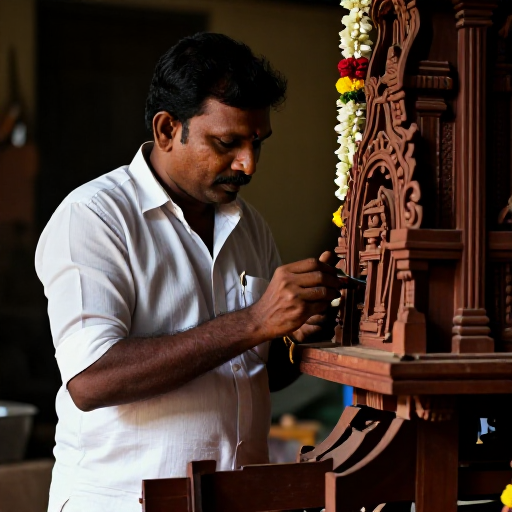

கருவேலம் பிசின் சேகரிப்பு — அக்கேசியா மரத்திலிருந்து பிசின் எடுத்தல்
안내
கருவேலம் மரத்தை அடையாளம் காணுதல்
கருவேலம் மரத்தை அடையாளம் காணுதல்
கருவேலம் (Acacia nilotica, தமிழில் கருவேலம் அல்லது கருவேல மரம்) என்பது 5-15 மீட்டர் உயரம் வளரும் முள் மரமாகும். இதன் அடையாளக் குறிகள்: நீண்ட வெள்ளை நிற ஜோடி முட்கள் (2-8 செ.மீ.), இரட்டை சிறகு இலைகள் (bipinnate), மஞ்சள் நிற உருண்டை பூங்கொத்துகள், மற்றும் நெளிவான பழக் காய்கள். பட்டை கருமையான சாம்பல் நிறத்தில் வெடிப்புகளுடன் காணப்படும். தமிழ்நாட்டில் வறண்ட மற்றும் அரை வறண்ட பகுதிகளில் இது மிகவும் பொதுவாகக் காணப்படுகிறது.
சரியான பருவத்தைத் தேர்ந்தெடுத்தல்
சரியான பருவத்தைத் தேர்ந்தெடுத்தல்
பிசின் சேகரிப்பிற்கு சிறந்த காலம் கோடைக் காலம் (ஏப்ரல் முதல் ஜூன் வரை) ஆகும், ஏனெனில் வெப்பமும் வறட்சியும் மரத்தின் பிசின் உற்பத்தியைத் தூண்டுகின்றன. மழைக்காலத்தில் (அக்டோபர்-டிசம்பர்) பிசின் ஈரமாக இருக்கும், மேலும் பூஞ்சை தொற்று ஏற்படலாம். 5 வருடத்திற்கு மேல் வயதான, 15 செ.மீ.க்கு மேல் தண்டு விட்டம் உள்ள ஆரோக்கியமான மரங்களைத் தேர்ந்தெடுக்கவும்.
கீறல் கருவிகளை தயார் செய்தல்
கீறல் கருவிகளை தயார் செய்தல்
பட்டையில் கீறல் இடுவதற்கு ஒரு கூர்மையான சிறிய கத்தி அல்லது சிறப்பு பட்டைக் கீறல் கருவி (tapping knife) தேவை. கருவியை சுத்தமாக வைத்திருக்க வேண்டும் -- அழுக்கான கருவிகள் மரத்தில் தொற்றை ஏற்படுத்தலாம். கத்தியின் நுனி 2-3 செ.மீ. நீளமும் 3-4 மி.மீ. ஆழமும் கீற முடிகிற அளவு கூர்மையாக இருக்க வேண்டும்.
필요한 도구:
 나무껍질 째는 칼
 숫돌
숫돌பட்டையில் கீறல் இடுதல்
பட்டையில் கீறல் இடுதல்
மரத்தின் தண்டில் தரையிலிருந்து 30-100 செ.மீ. உயரத்தில் கீறல்களை இடவும். கீறல் 3-5 செ.மீ. நீளமும், 3-4 மி.மீ. ஆழமும் இருக்க வேண்டும் -- உள்பட்டை (cambium) வரை மட்டுமே கீறவும், மரக்கட்டை (xylem) வரை ஆழமாகக் கீறக் கூடாது. ஒரு மரத்தில் 3-5 கீறல்கள் போதுமானவை. கீறல்கள் ஒன்றுக்கொன்று குறைந்தது 10 செ.மீ. இடைவெளியில் இருக்க வேண்டும். மரத்தின் சுற்றளவில் ஒரு பக்கத்தில் மட்டும் கீறவும், முழுவதும் சுற்றிலும் கீறக் கூடாது.
필요한 도구:
나무껍질 째는 칼 긴 소매 가죽 장갑
பிசின் கசிவுக்கு காத்திருத்தல்
பிசின் கசிவுக்கு காத்திருத்தல்
கீறல் இட்ட பிறகு, மரம் காயத்தை ஆற்றிக்கொள்ள பிசினை சுரக்கிறது. முதல் பிசின் துளிகள் 24-48 மணி நேரத்தில் தெரியத் தொடங்கும். முழுமையான பிசின் கண்ணீர் துளிகள் (gum tears) உருவாக 5-10 நாட்கள் ஆகும். வெப்பமான நாட்களில் (35 டிகிரி செல்சியசுக்கு மேல்) பிசின் விரைவாக வெளியேறும்.
பிசின் கண்ணீர் துளிகளை சேகரித்தல்
பிசின் கண்ணீர் துளிகளை சேகரித்தல்
பிசின் துளிகள் இயற்கையாக காற்றில் உலர்ந்து கடினமாகும் போது, அவற்றை கைகளால் அல்லது மழுங்கிய கத்தியால் மெதுவாக உளியவும். பிசின் முற்றிலும் உலர்ந்த பிறகே சேகரிக்கவும் -- பாதி உலர்ந்த பிசின் ஒட்டும் தன்மையுடன் இருக்கும் மற்றும் தரம் குறையும். சேகரிக்கும் போது பிசினை பட்டைத் துகள்கள் மற்றும் அழுக்கு கலக்காமல் எடுக்கவும். ஒரு ஆரோக்கியமான மரத்திலிருந்து 100-300 கிராம் பிசினை ஒரு பருவத்தில் சேகரிக்கலாம்.
필요한 도구:
 뭉툭한 채취 칼
 무명천 채집 주머니
முதல் நிலை சுத்தம் -- பட்டை மற்றும் மரத் துகள்களை நீக்குதல்
முதல் நிலை சுத்தம் -- பட்டை மற்றும் மரத் துகள்களை நீக்குதல்
சேகரிக்கப்பட்ட பிசின் துளிகளை சுத்தமான பரப்பில் பரப்பி, கைகளால் பட்டைத் துகள்கள், மண், புழுக்கள் மற்றும் பிற கலப்படங்களை நீக்கவும். ஒவ்வொரு துளியையும் தனித்தனியாக ஆய்வு செய்யவும். பூஞ்சை தொற்று உள்ள (கருப்பு புள்ளிகள் அல்லது பூசணம்) துளிகளை நிராகரிக்கவும்.
필요한 도구:
 선별 트레이
பிசினை நீரில் கரைத்து வடிகட்டுதல் (விரும்பினால்)
பிசினை நீரில் கரைத்து வடிகட்டுதல் (விரும்பினால்)
அதிக தூய்மை தேவைப்பட்டால், பிசின் துளிகளை சுத்தமான நீரில் ஊறவைக்கவும் (1 பாகம் பிசின் : 2 பாகம் நீர்). 12-24 மணி நேரம் ஊறவைத்தால் பிசின் நீரில் கரையும் (கருவேலம் பிசின் நீரில் கரையும் தன்மை கொண்டது). கரைசலை மெல்லிய துணி வழியாக வடிகட்டி, மண் மற்றும் கரையாத கலப்படங்களை நீக்கவும். பின்னர் வடிகட்டிய கரைசலை மீண்டும் உலர்த்தவும்.
이 단계의 재료:
 증류수2 리터
필요한 도구:
 거름용 무명천
 유리 그릇
유리 그릇வெயிலில் உலர்த்துதல்
வெயிலில் உலர்த்துதல்
சுத்தம் செய்த பிசின் துளிகளை (அல்லது வடிகட்டிய கரைசலை) சுத்தமான துணி அல்லது தட்டில் பரப்பி வெயிலில் உலர்த்தவும். நேரடி சூரிய ஒளியில் 2-3 நாட்கள் உலர்த்தவும். தினமும் 2 முறை புரட்டவும். இரவில் உள்ளே எடுத்துச் செல்லவும் அல்லது ஈரம் படாமல் மூடவும். உலர்ந்த பிசின் கடினமாகவும், நொறுங்கும் தன்மையுடனும் இருக்கும்.
필요한 도구:
 평평한 건조 쟁반
 식기 건조대
பிசினை அளவு மற்றும் நிறத்தின் படி தர வரிசைப்படுத்துதல்
பிசினை அளவு மற்றும் நிறத்தின் படி தர வரிசைப்படுத்துதல்
உலர்ந்த பிசினை மூன்று தரங்களாக வகைப்படுத்தவும். தரம் 1 (உயர்தரம்): பெரிய, வெளிர் மஞ்சள் முதல் ஆம்பர் நிற, தெளிவான துளிகள், 1 செ.மீ.க்கு மேல் விட்டம். தரம் 2 (நடுத்தரம்): சிறிய துளிகள், சற்று கருமையான நிறம். தரம் 3 (சாதாரணம்): துகள்கள், கலப்பு நிறம், சிறிய உடைப்புகள். தரம் 1 பிசின் உணவு மற்றும் மருத்துவ பயன்பாட்டிற்கு ஏற்றது, தரம் 3 தொழிற்சாலை பயன்பாட்டிற்கு பொருத்தமானது.
பிசினை நொறுக்குதல் (விரும்பினால்)
பிசினை நொறுக்குதல் (விரும்பினால்)
தொழிற்சாலை அல்லது உணவுப் பயன்பாட்டிற்கு, பெரிய பிசின் துளிகளை இடிக்கவும் அல்லது அரைக்கவும். உலக்கை மற்றும் உரலில் பிசினை இடிக்கவும் (இயந்திர அரவை தேவையில்லை). ஒரே மாதிரியான 2-5 மி.மீ. அளவு துகள்களாக நொறுக்கவும். மிகவும் நுண்ணிய தூளாக அரைக்க வேண்டாம் -- அது ஈரத்தை உறிஞ்சி கட்டியாகிவிடும்.
필요한 도구:
 막자사발과 막자
சேமிப்பு மற்றும் பாதுகாப்பு
சேமிப்பு மற்றும் பாதுகாப்பு
உலர்ந்த பிசினை சுத்தமான, உலர்ந்த, காற்று புகாத கொள்கலனில் (கண்ணாடி ஜாடி அல்லது நெசவு பை) சேமிக்கவும். பிளாஸ்டிக் பைகளில் சேமிக்கக் கூடாது -- ஈரம் சேர்ந்து பூஞ்சை வளரலாம். குளிர்ந்த, உலர்ந்த இடத்தில் நேரடி சூரிய ஒளி படாமல் வைக்கவும். சரியாக உலர்த்தி சேமித்தால், கருவேலம் பிசின் 2-3 ஆண்டுகள் வரை தரம் குறையாமல் இருக்கும்.
이 단계의 재료:
 뚜껑 있는 유리 보관병3 개
மரத்தைப் பாதுகாத்தல் -- அடுத்த பருவத்திற்கு தயார் செய்தல்
மரத்தைப் பாதுகாத்தல் -- அடுத்த பருவத்திற்கு தயார் செய்தல்
சேகரிப்பு முடிந்த பிறகு, கீறல் இட்ட இடங்களை கவனிக்கவும். ஆரோக்கியமான மரம் 2-3 மாதங்களில் தானாகவே காயத்தை ஆற்றிக்கொள்ளும். அடுத்த பருவத்தில் அதே மரத்தில் வேறு இடத்தில் கீறல் இடவும் -- ஒரே இடத்தில் மீண்டும் கீறக் கூடாது. ஒரு மரத்தை ஆண்டுக்கு ஒரு முறை மட்டுமே பயன்படுத்தவும். இது மரத்தின் ஆரோக்கியத்தையும் நீண்ட கால பிசின் உற்பத்தியையும் உறுதி செய்கிறது.
이 블루프린트로 만드는 것

CC0 퍼블릭 도메인
이 블루프린트는 CC0로 공개되었습니다. 어떤 목적으로든 자유롭게 복사, 수정, 배포 및 사용할 수 있습니다.
제품 구매를 통해 메이커를 지원하세요. 판매자가 설정한 메이커 커미션 을 받거나, 이 블루프린트의 새로운 반복을 만들어 연결로 포함시킬 수 있습니다.