예술
뷰티 및 웰니스
공예
문화 및 역사
엔터테인먼트
환경
음식 및 음료
역공학
과학
스포츠
기술
웨어러블
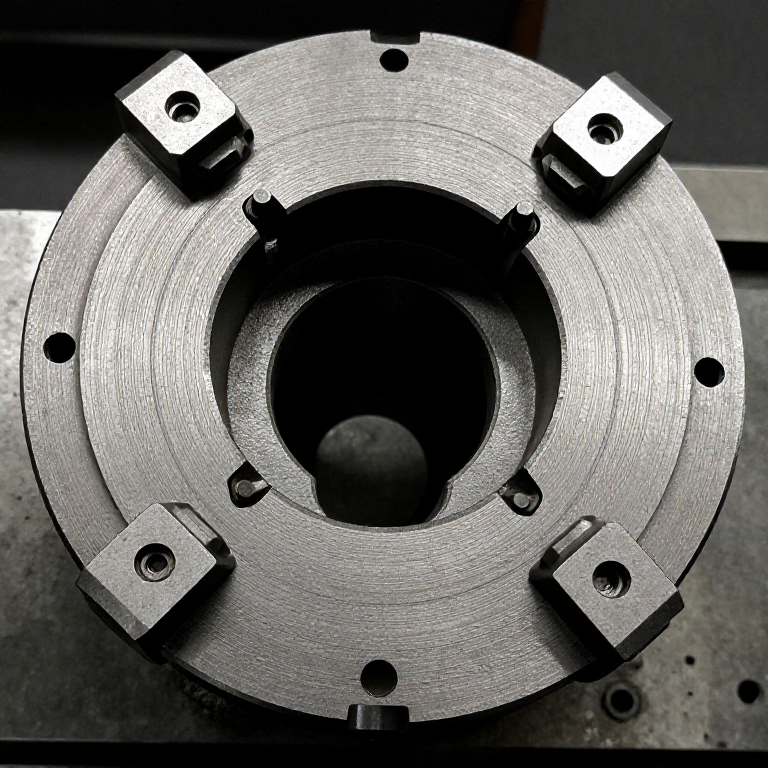


Workholding on the Lathe: Three Jaws, Four Jaws, and Which to Reach For
Before a lathe can cut anything accurately it has to hold the work in a known place, and every accuracy problem that follows is really a holding problem wearing a disguise. Work that runs out by a tenth of a millimetre cannot be turned to a hundredth, no matter how carefully the cut is taken.
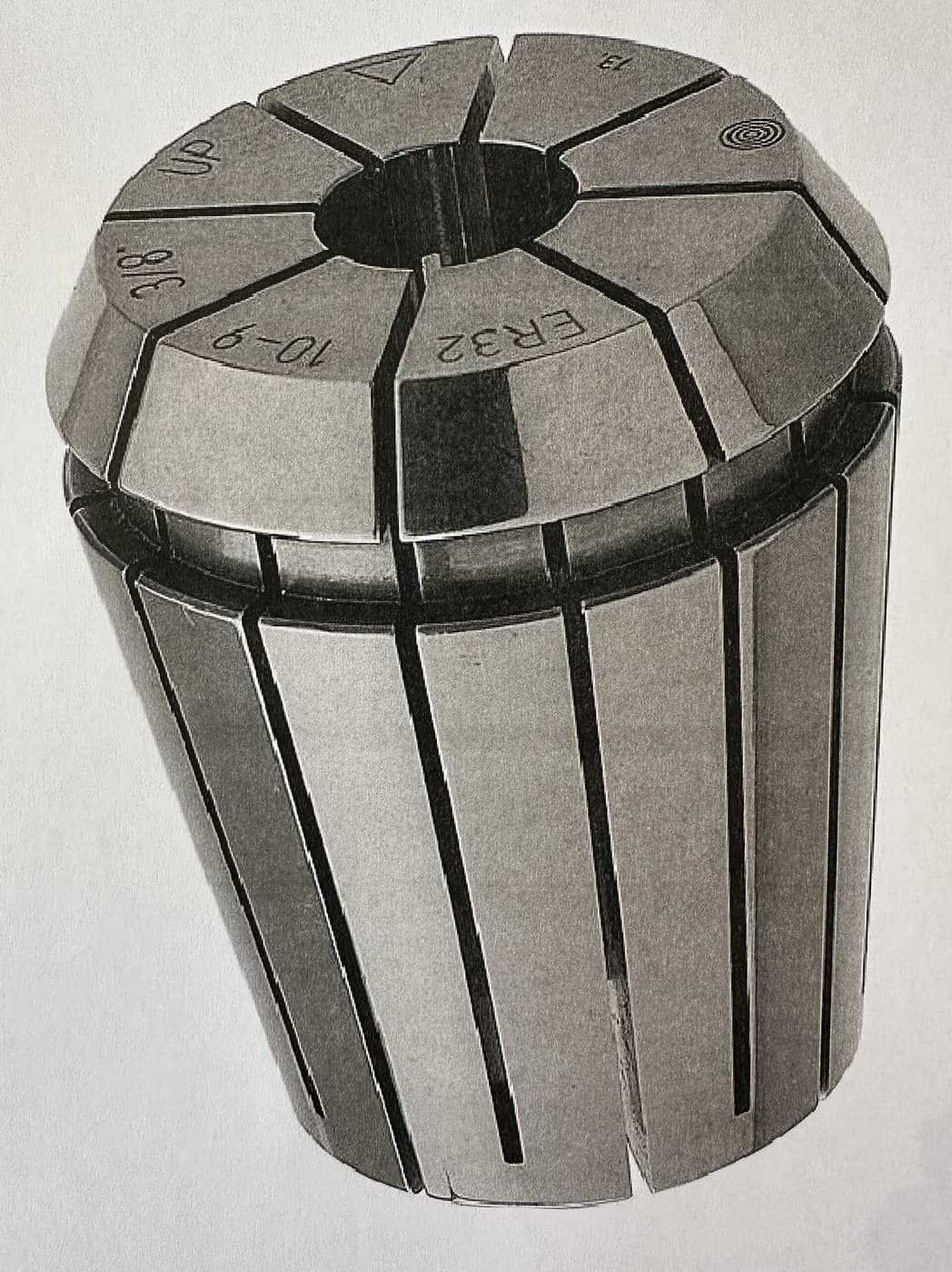
There are only a few ways to hold round work, and they trade speed against truth. A three-jaw chuck grips in one movement and is never quite concentric. A four-jaw is adjusted one jaw at a time, takes minutes, and can be dialled truer than most people can measure. Collets are truer still and only fit one size each.
Knowing which to reach for is most of the skill, and it is decided by the tolerance on the drawing rather than by preference.
초급
3 hours
안내
1
1
Find out what your three-jaw actually does
Find out what your three-jaw actually does
Grip a piece of ground round bar in the three-jaw, put a dial indicator against it near the jaws, and turn the spindle by hand through a full revolution. Note the total swing of the needle. Then move the indicator out to the far end of the bar and do it again.
The first number is the chuck's own runout. A serviceable three-jaw is somewhere around 0.05 mm; a worn or knocked one can be several times that. The second number is usually worse, because any tilt in the grip is amplified along the length.
Write both on a card and keep it by the machine. This is not a fault to be fixed, it is the specification of the tool you own — and it tells you, before you start, which jobs this chuck can and cannot do.
이 단계의 재료:
 연강 환봉1 개
필요한 도구:
 금속 선반
금속 선반 3죠 선반 척
 다이얼 게이지
2
2
The rule that decides which chuck
The rule that decides which chuck
If the work will be finished in ONE setting — gripped once, everything cut, then removed — the three-jaw's runout does not matter. Everything you cut is concentric with everything else you cut, because they all share the same spinning axis, wherever that axis happens to be.
The moment the work comes OUT and goes back in, that stops being true. A part turned, removed, and re-gripped is now off by the chuck's runout, and a second diameter cut after that will not be concentric with the first.
So: one setting, three-jaw. Re-gripping to a tolerance, four-jaw or a collet. That single distinction explains almost every workholding decision on a lathe, and beginners lose more accuracy to ignoring it than to any cutting fault.
필요한 도구:
3죠 선반 척 선반 척 - 4조 스크롤
3
3
Dial in a four-jaw
Dial in a four-jaw
Set the work roughly central using the concentric rings scribed on the chuck face, then bring a dial indicator against it. Turn the spindle slowly by hand and find the HIGH point.
Slacken the jaw opposite the high point by about half the indicated error, then tighten the jaw at the high point by the same amount. Work the opposing PAIR, never one jaw alone — one jaw alone just pushes the work across and you will chase it round the chuck all afternoon.
Repeat, halving the error each time. Three or four passes gets you under 0.01 mm, which is finer than the three-jaw can ever be. It takes a few minutes, and those minutes are what buy a part that can be taken out and put back.
이 단계의 재료:
연강 환봉1 개필요한 도구:
금속 선반선반 척 - 4조 스크롤다이얼 게이지4
4
Stick-out is a cantilever, and it bends
Stick-out is a cantilever, and it bends
Grip a length of bar with only 20 mm protruding and take a light cut. Then pull it out to 100 mm and take the same cut. Measure both.
The long one will be bigger than you asked for, and tapered — larger at the free end. The cutting force pushes the work away from the tool, and an unsupported bar is a cantilever whose deflection rises with the CUBE of its length. Double the stick-out and you get roughly eight times the spring.
Hence the standing rule: grip short, and support anything longer than about three diameters with a centre or a steady. That is not conservatism — it is the only way the numbers work, and step 4 of the between-centres rung shows why.
이 단계의 재료:
연강 환봉1 개필요한 도구:
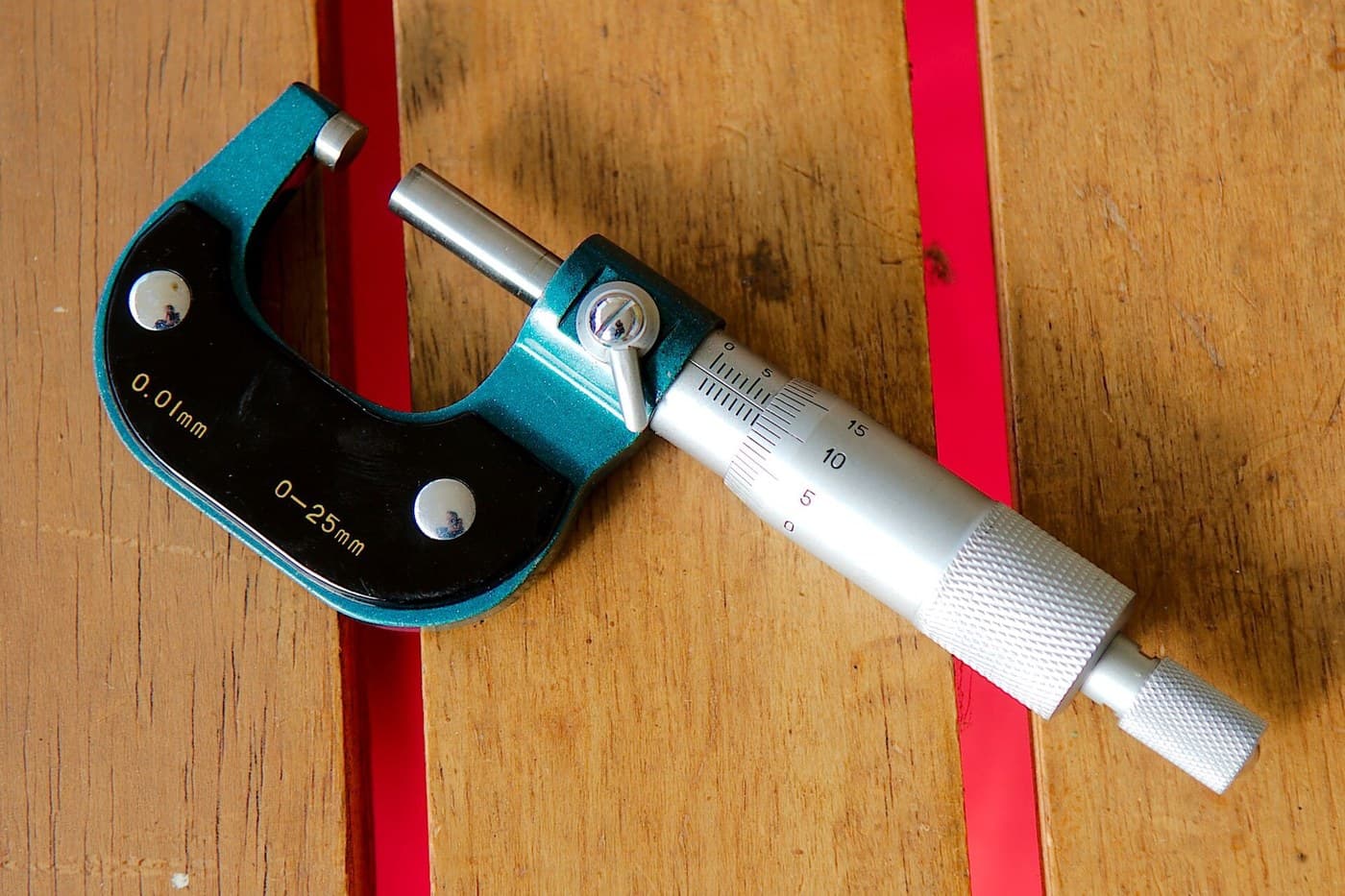
금속 선반3죠 선반 척 마이크로미터
 선반 공구 세트 (HSS)
5
5
Protect the work and never leave the key in
Protect the work and never leave the key in
Put soft packing — aluminium or copper shim, or purpose-made soft jaws — between hard jaws and any finished surface. Jaw serrations will print themselves into a turned diameter and the marks do not polish out.
Remove the chuck key the instant you have used it, every single time, without exception. A key left in a chuck is thrown across the workshop at starting speed and it is the classic lathe injury. Make it a reflex: the hand that tightens is the hand that removes.
Check the work is gripped on a real length of jaw, not on the very tips. Tip-gripping holds badly, bells the jaws over time, and lets the work climb out under a heavy cut.
이 단계의 재료:
 알루미늄 평강1 개
필요한 도구:
3죠 선반 척 보안경
보안경관련 블루프린트
이 블루프린트들은 지식을 공유합니다 — 기술, 재료 또는 원리




CC0 퍼블릭 도메인
이 블루프린트는 CC0로 공개되었습니다. 어떤 목적으로든 자유롭게 복사, 수정, 배포 및 사용할 수 있습니다.
제품 구매를 통해 메이커를 지원하세요. 판매자가 설정한 메이커 커미션 을 받거나, 이 블루프린트의 새로운 반복을 만들어 연결로 포함시킬 수 있습니다.