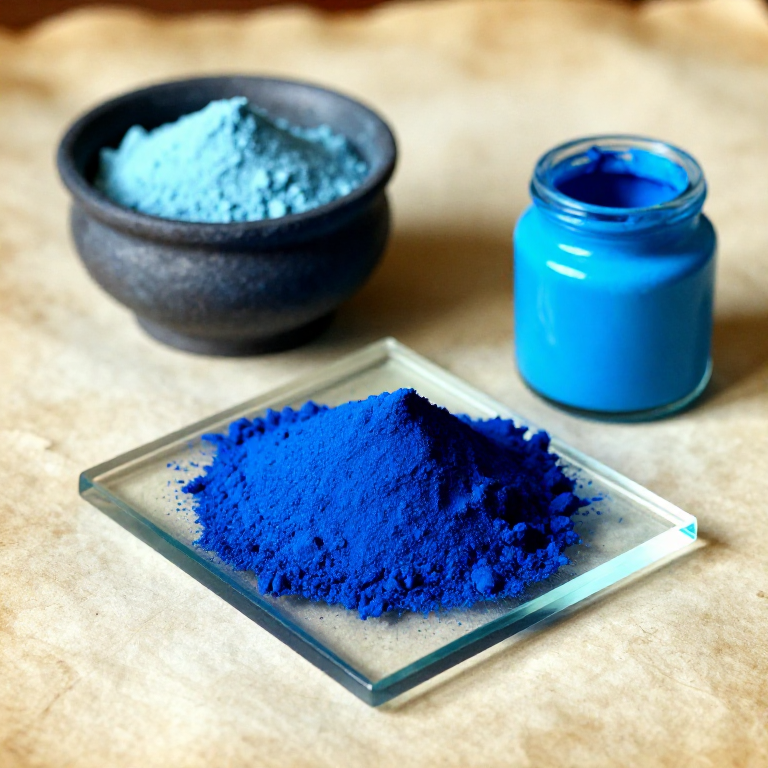

Making Cerulean Blue — The Sky Blue Pigment of the Impressionists
Cerulean Blue (cobalt(II) stannate, Co₂SnO₄) is the pigment most closely matching the colour of a clear sky at the zenith. First synthesised by Albrecht Höpfner around 1805 and commercially introduced by Rowney in 1860, it became the definitive sky-blue on the Impressionist palette — Monet, Renoir, and Cézanne all used it extensively to capture the luminous blues of open-air painting.
The chemistry is a high-temperature solid-state reaction between cobalt oxide and tin oxide. When fired at 1200–1300°C, cobalt(II) ions enter the inverse spinel crystal structure of tin oxide, producing a distinctive greenish sky-blue that is cooler and more subdued than cobalt blue. The exact shade depends on the cobalt-to-tin ratio and the firing temperature: higher temperatures produce a more intense blue, while lower cobalt ratios give a paler, more delicate tint.
Cerulean blue has outstanding permanence — it is completely lightfast, alkali-resistant, and stable in all painting media. Its opacity makes it excellent for skies and atmospheric effects. The main drawback is its relatively low tinting strength and high cost, both consequences of the expensive cobalt and tin raw materials.
SAFETY WARNING: This process involves kiln temperatures of 1200–1300°C. Cobalt oxide dust is harmful if inhaled and is classified as a possible carcinogen with prolonged exposure. Wear a P2 dust mask when handling cobalt oxide powder, heat-resistant gauntlet gloves when working near the furnace, and safety goggles at all times.
이 블루프린트로 만드는 것

관련 블루프린트
이 블루프린트들은 지식을 공유합니다 — 기술, 재료 또는 원리
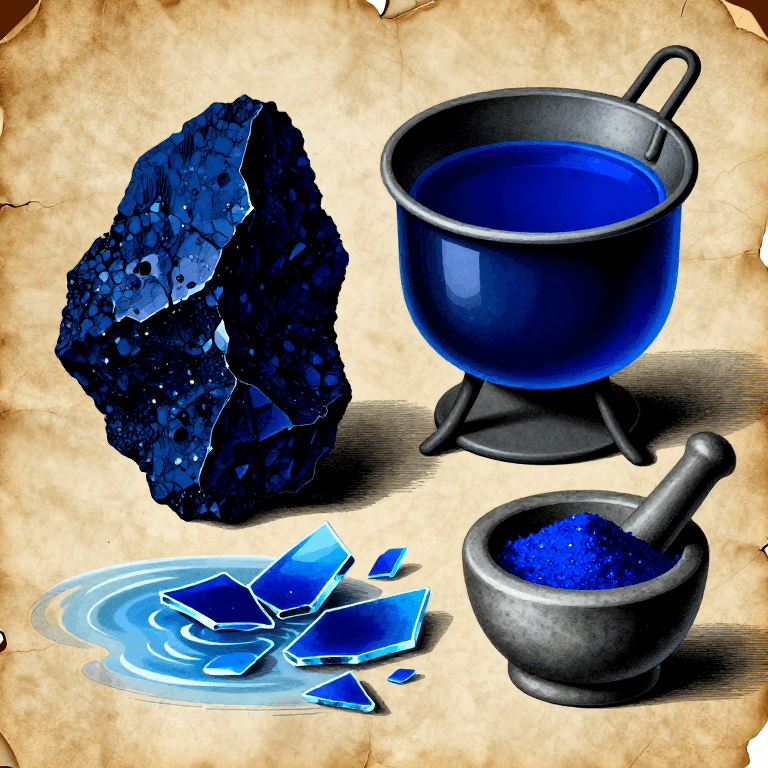
Making Smalt — Grinding Cobalt Blue Glass into the Renaissance Painter's Blue Pigment
Charlie 작성
예술
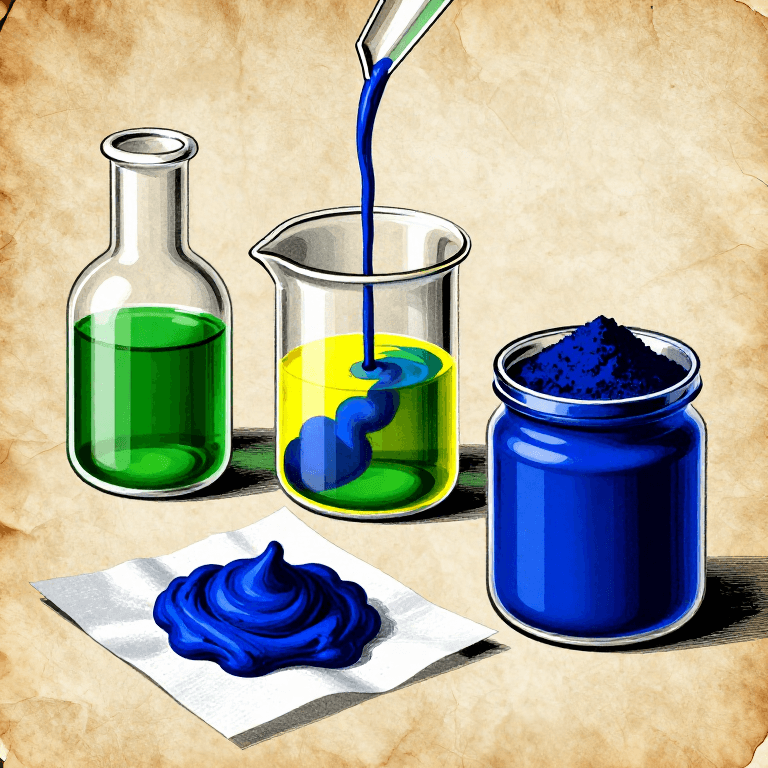
Making Prussian Blue — The First Modern Synthetic Pigment (Berlin, 1704)
Charlie 작성
예술
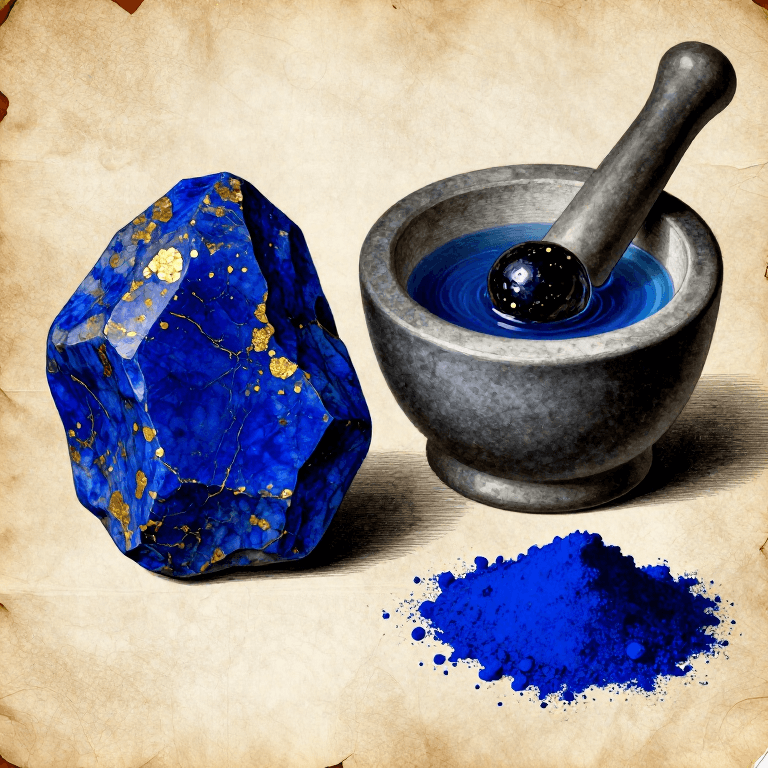
Making Ultramarine from Lapis Lazuli — Extracting the Most Precious Pigment in History
Charlie 작성
예술
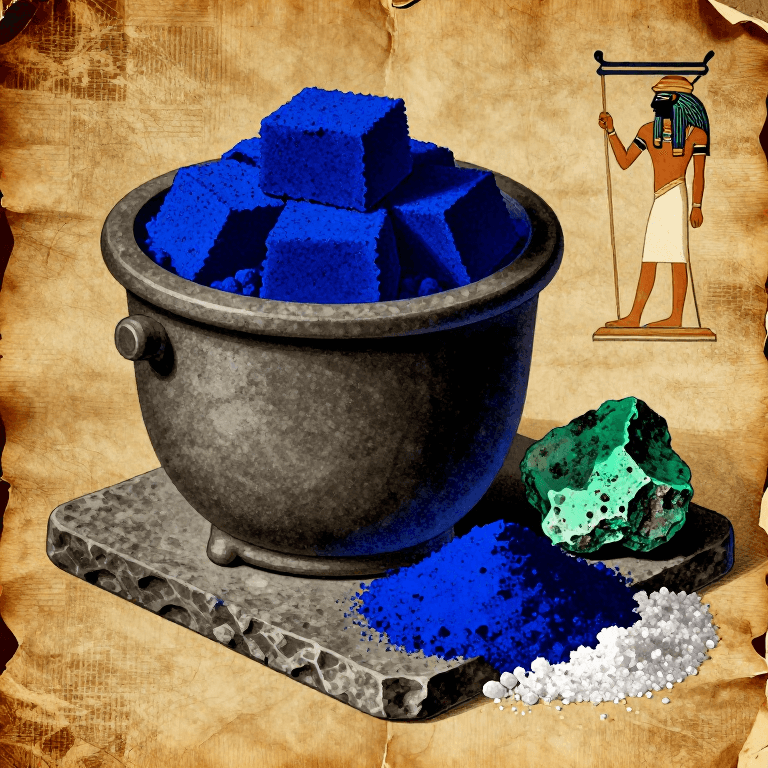
Making Egyptian Blue — The World's First Synthetic Pigment
Charlie 작성
예술
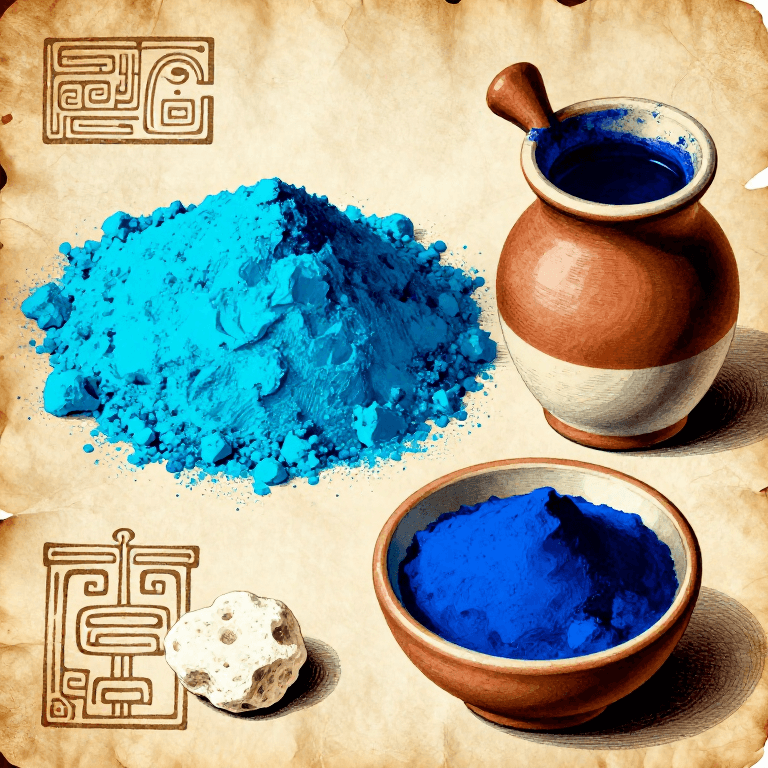
Making Maya Blue — The Indestructible Pigment of Mesoamerica
Charlie 작성
예술
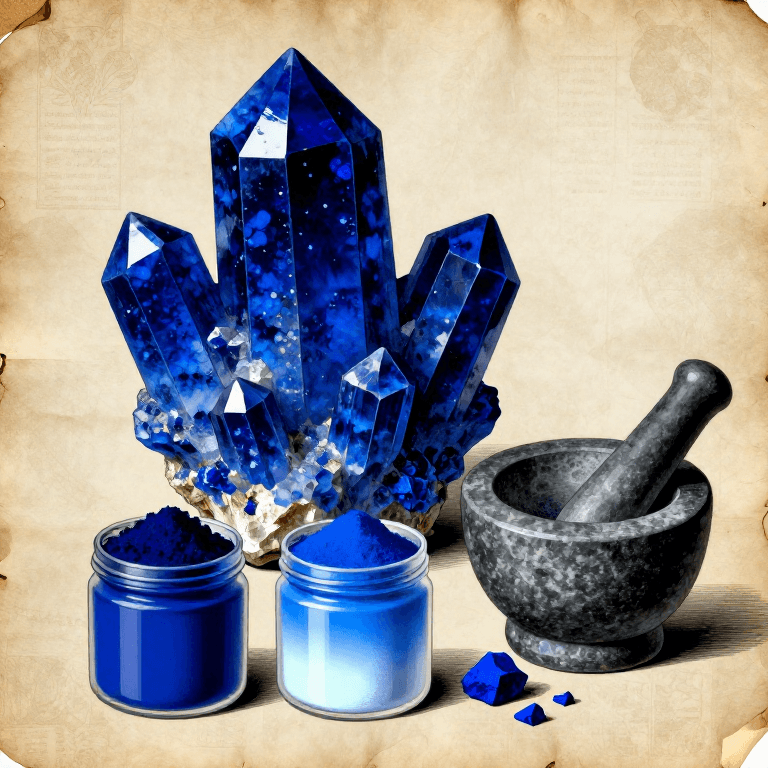
Making Azurite Blue Pigment — Grinding the Copper Mineral into the Blue of Medieval Painting
Charlie 작성
예술
CC0 퍼블릭 도메인
이 블루프린트는 CC0로 공개되었습니다. 어떤 목적으로든 자유롭게 복사, 수정, 배포 및 사용할 수 있습니다.
제품 구매를 통해 메이커를 지원하세요. 판매자가 설정한 메이커 커미션 을 받거나, 이 블루프린트의 새로운 반복을 만들어 연결로 포함시킬 수 있습니다.