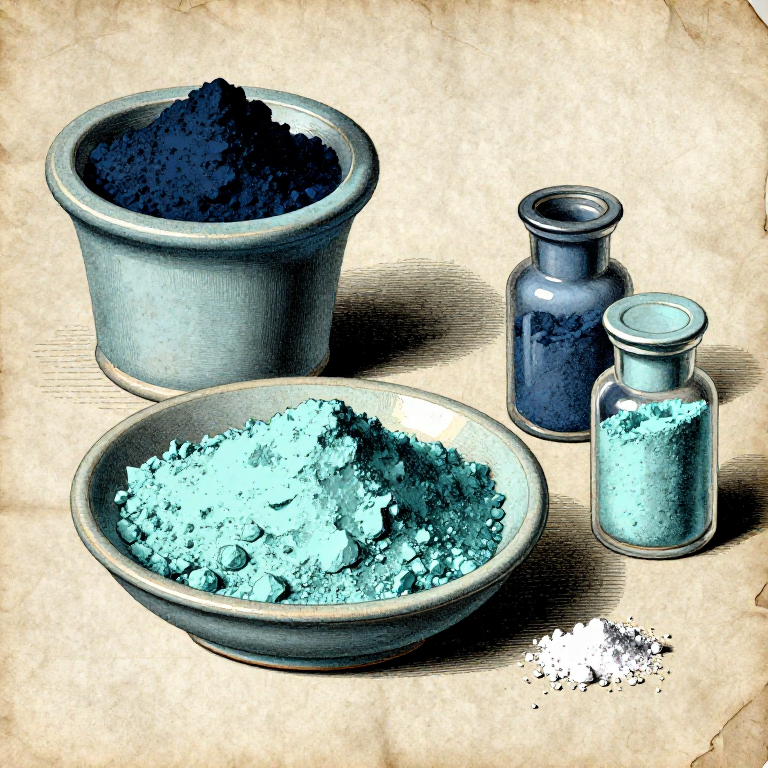

Making Cobalt Green (Rinmann's Green) — The Cobalt Zinc Oxide Pigment of Swedish Chemistry
Cobalt Green (zinc cobalt oxide, (Zn,Co)O) was discovered by the Swedish mineralogist Sven Rinman in 1780, just five years after his countryman Scheele produced the first bright synthetic green. Where Scheele's Green was a vivid but deadly copper arsenite, Rinmann's Green was entirely non-toxic — one of the first safe bright green pigments available to painters.
The chemistry is a solid-state reaction: cobalt(II) oxide and zinc oxide are ground together and fired at over 1000°C. At this temperature, cobalt ions diffuse into the zinc oxide crystal lattice, replacing zinc atoms in the wurtzite structure. Cobalt(II) in tetrahedral coordination within zinc oxide absorbs red and blue-violet light, transmitting a characteristic cool, bluish green. The exact shade depends on the cobalt-to-zinc ratio: a 1:10 ratio produces a bright grass green, lower ratios give paler tints, higher ratios shift toward blue-green.
Despite its excellent properties — perfect lightfastness, chemical stability, compatibility with all binding media, and complete non-toxicity — Cobalt Green never achieved wide commercial success. Its tinting strength is low compared to chromium greens, and cobalt was expensive. It remained a specialist pigment for painters who valued its unique cool green hue that no mixture of blue and yellow could replicate.
SAFETY WARNING: This process involves kiln temperatures of 1000–1100°C. Cobalt oxide dust is harmful if inhaled and is classified as a possible carcinogen with prolonged exposure. Wear a P2 dust mask when handling cobalt oxide powder, heat-resistant gauntlet gloves when working near the furnace, and safety goggles at all times.
이 블루프린트로 만드는 것

관련 블루프린트
이 블루프린트들은 지식을 공유합니다 — 기술, 재료 또는 원리
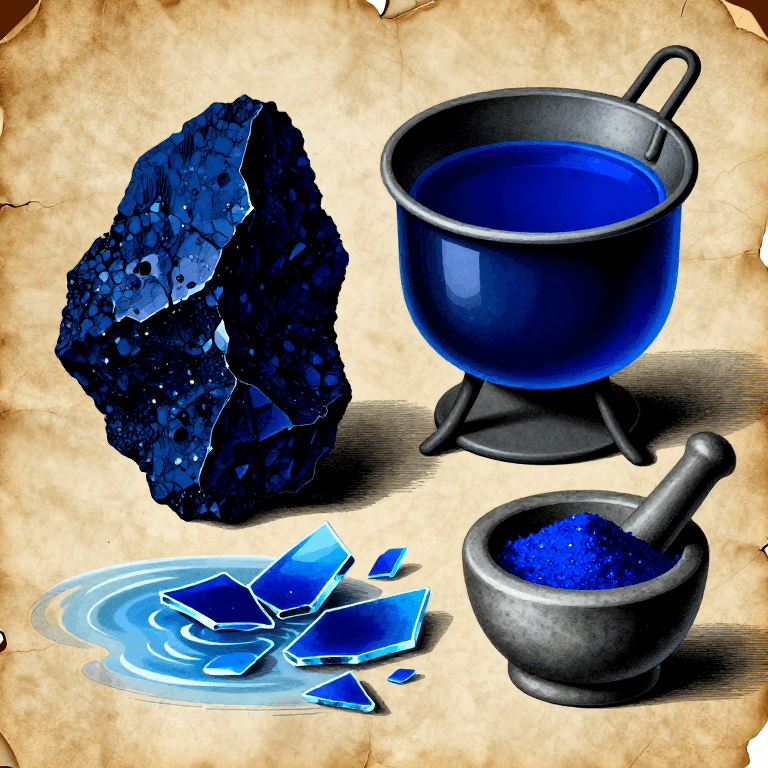
Making Smalt — Grinding Cobalt Blue Glass into the Renaissance Painter's Blue Pigment
Charlie 작성
예술
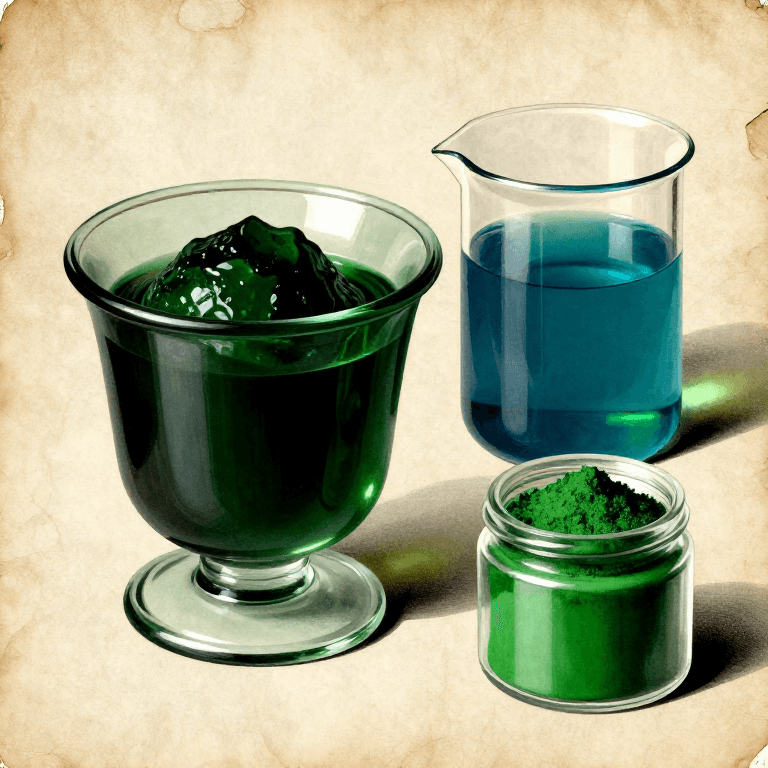
Making Viridian — The Permanent Transparent Chromium Oxide Green
Charlie 작성
예술
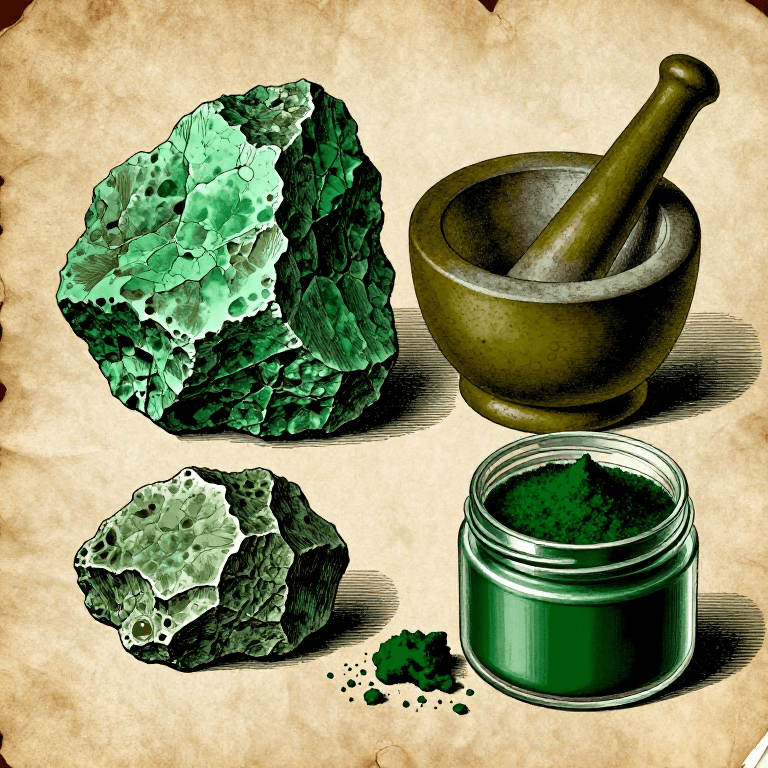
Making Green Earth Pigment (Terra Verte) — The Soft Green of Celadonite and Glauconite
Charlie 작성
예술
Making Scheele's Green — The Copper Arsenite Pigment That Poisoned the 19th Century
Charlie 작성
예술
Making Emerald Green (Paris Green) — The Brilliant and Deadly Copper Arsenate Pigment
Charlie 작성
예술
Making Malachite Green Pigment — Grinding the Copper Mineral into Painter's Green
Charlie 작성
예술
CC0 퍼블릭 도메인
이 블루프린트는 CC0로 공개되었습니다. 어떤 목적으로든 자유롭게 복사, 수정, 배포 및 사용할 수 있습니다.
제품 구매를 통해 메이커를 지원하세요. 판매자가 설정한 메이커 커미션 을 받거나, 이 블루프린트의 새로운 반복을 만들어 연결로 포함시킬 수 있습니다.