예술
뷰티 및 웰니스
공예
문화 및 역사
엔터테인먼트
환경
음식 및 음료
역공학
과학
스포츠
기술
웨어러블
번역됨


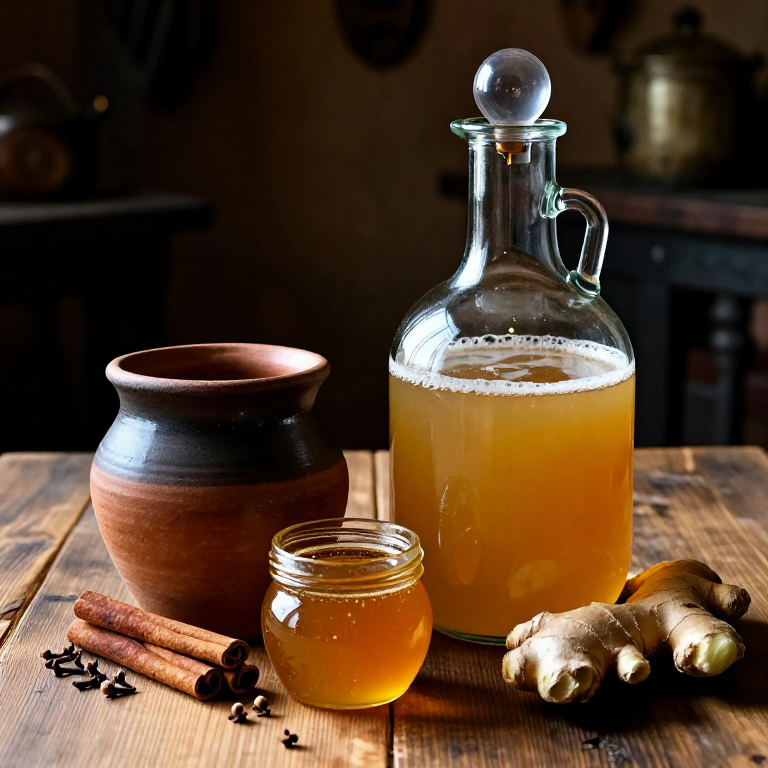
메테글린 스파이스 미드 양조 — 중세 꿀 와인
메테글린은 중세 웨일스 전통에 뿌리를 둔 스파이스 미드(꿀 와인)의 일종으로, 그 이름은 '치유의 음료'를 의미하는 웨일스어 meddyglyn에서 유래했습니다. 꿀과 물을 발효시키면서 약효가 있다고 여겨지는 허브와 향신료를 첨가하여 만들었습니다. 포도주에 꿀을 섞는 물숨(mulsum)과 달리, 미드는 전적으로 꿀만을 사용하여 발효시킵니다. 이 블루프린트는 계피, 정향, 생강을 사용한 전통 메테글린 양조 방법을 다룹니다.
중세 웨일스에서 메테글린은 단순한 음료 그 이상이었습니다. 왕실 연회에서 명예로운 자리를 차지했으며, 소화 장애, 감기, 전반적인 활력을 위해 처방된 약용 음료이기도 했습니다. 14세기 웨일스 법전 하이웰 다의 법(Laws of Hywel Dda)에는 미드 제조자가 귀중한 궁정 관리로 언급될 만큼, 그 기술은 높이 평가받았습니다. 활동 시간은 120~180분이며, 발효와 숙성을 포함하면 총 4~8주가 소요됩니다.
중급
활동 시간 120~180분, 발효 4~8주
안내
1
1
머스트 준비하기
머스트 준비하기
물 2리터를 약 섭씨 40도(따뜻하지만 뜨겁지 않은 온도)로 가열합니다. 지나친 열은 꿀의 섬세한 향기 성분을 파괴하고 당을 캐러멜화할 수 있으므로 주의합니다. 꿀을 넣고 완전히 녹을 때까지 저어줍니다. 나머지 2리터의 차가운 물을 넣어 총 부피를 약 4.5리터로 맞춥니다. 이렇게 만들어진 꿀물 혼합물(머스트)의 비중은 약 1.110~1.120이어야 하며, 발효 후 알코올 도수 약 12~14%의 미드가 완성됩니다. 중세 미드 제조자들은 머스트를 저온 살균하지 않았으며, 생꿀에 포함된 야생 효모가 발효에 기여했습니다. 안정적인 발효를 위해 현대에는 배양된 와인 효모를 사용하며, 이는 야생 효모를 압도하여 일관된 결과를 냅니다.
이 단계의 재료:
 꿀1.5 kg kg
 물4 litres 리터
필요한 도구:
 큰 솥
큰 솥2
2
향신료 추가하기
향신료 추가하기
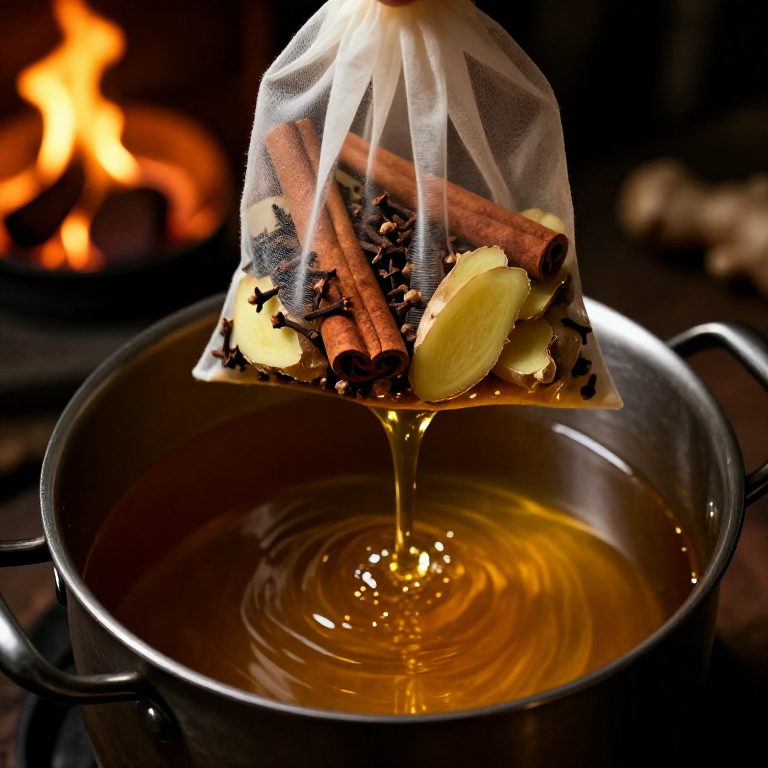
계피 스틱, 통 정향, 얇게 썬 생강을 작은 면 주머니나 거즈 주머니에 넣고 실로 묶어 향신료 주머니를 만듭니다. 이 주머니를 머스트에 담급니다. 향신료를 직접 넣어도 되지만, 주머니를 사용하면 원하는 향 강도에 도달했을 때 쉽게 제거할 수 있습니다. 중세 메테글린 레시피는 매우 다양했으며, 계피, 생강, 정향, 육두구, 로즈마리, 각종 약용 허브가 흔히 사용되었습니다. 처음에는 소량으로 시작하는 것이 좋습니다. 향신료의 향미는 발효와 숙성 기간 동안 점점 강해지기 때문에, 처음부터 너무 많이 넣으면 나중에 향이 지나치게 강해질 수 있습니다.
이 단계의 재료:
 계피 막대2 sticks 개
 정향4-6 cloves 개
 생강15-20 grams g
필요한 도구:
 천 (거르는 용)
3
3
효모 투입 및 발효 시작
효모 투입 및 발효 시작
머스트를 약 섭씨 20~22도로 식힙니다. 살균된 발효 용기에 옮겨 담습니다. 효모 영양제를 사용하는 경우 이 단계에서 첨가합니다. 꿀은 포도즙에 비해 영양분이 부족하여, 보충 질소원 없이는 발효가 멈출 수 있습니다. 중세 미드 제조자들은 생꿀의 불순물과 과일이나 곡물 첨가물을 통해 영양분을 무의식적으로 공급했습니다. 효모를 머스트 표면에 뿌리고 에어락을 부착합니다. 발효는 24~48시간 내에 시작되며, 에어락에서 기포가 보이는 것으로 확인할 수 있습니다. 미드는 높은 당 농도와 낮은 영양분 함량으로 인해 맥주나 와인보다 발효 속도가 느리며, 활발한 발효는 2~4주 동안 지속됩니다.
이 단계의 재료:
 와인 효모1 packet (5g) packet
 효모 영양제1 teaspoon tsp
필요한 도구:
 발효 용기(유리 카보이)
 Star San 살균제
4
4
래킹 및 향신료 제거
래킹 및 향신료 제거
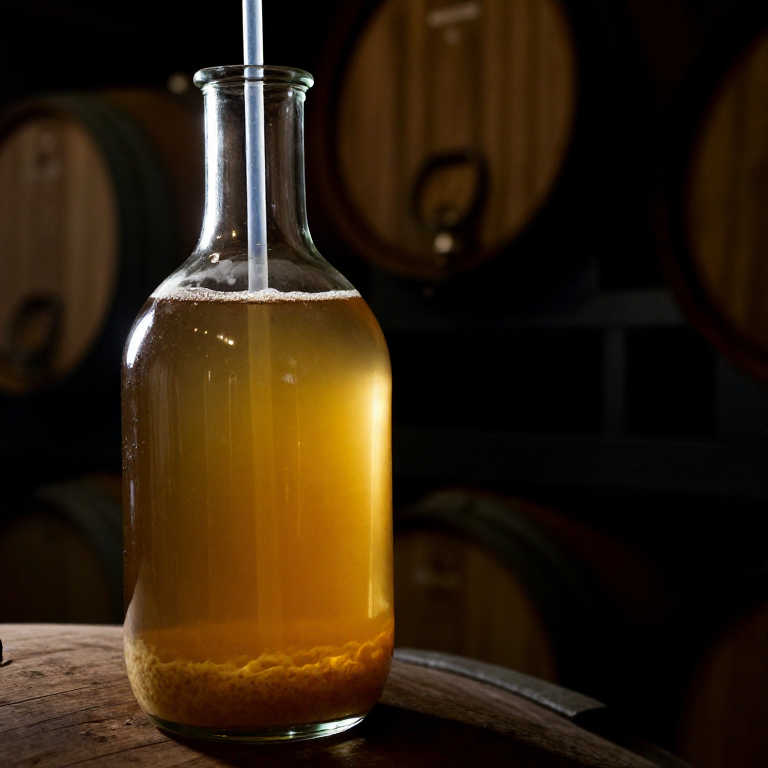
2~3주 후, 활발한 기포 발생이 현저히 줄어들면 미드를 맛보아 향신료 강도를 확인합니다. 향신료의 향미가 충분하다면 향신료 주머니를 꺼냅니다. 좀 더 시간이 필요하다면 일주일 더 그대로 둡니다. 사이펀을 이용하여 발효 용기 바닥의 침전물(리스)에서 맑은 미드를 걸러 깨끗한 2차 용기로 옮깁니다. 이때 효모 침전물이 섞이지 않도록 주의합니다. 이 래킹 과정은 미드를 맑게 하고, 잡내를 유발할 수 있는 죽은 효모 세포와 분리하는 역할을 합니다. 에어락을 다시 부착하고, 2차 용기에서 4~8주 더 숙성시킵니다. 상당한 양의 침전물이 다시 쌓이면 한 번 더 래킹합니다.
필요한 도구:
 자동 사이펀
5
5
병입 및 숙성
병입 및 숙성
미드가 맑아지고 더 이상 기포가 생성되지 않으면 병입 준비가 된 것입니다. 남은 침전물이 섞이지 않도록 주의하며 사이펀으로 깨끗한 병에 담습니다. 코르크 마개나 캡으로 밀봉합니다. 메테글린은 숙성을 통해 품질이 크게 향상됩니다. 바로 마실 수 있지만, 3~6개월 숙성하면 향미가 어우러지고 부드러워지며, 좋은 메테글린은 1~2년에 걸쳐 계속 발전합니다. 코르크 마개 병은 옆으로 눕혀서 서늘하고 어두운 곳에 보관합니다. 완성된 메테글린은 맑은 황금빛 호박색 액체로, 꿀의 달콤함에 생강의 따뜻함, 계피의 깊이, 정향의 향긋한 향미가 조화를 이루는 복합적인 풍미를 가집니다. 중세 의사들은 소화 장애, 감기, 전반적인 활력을 위해 메테글린을 처방했으며, 이 음료는 중세 내내 웨일스와 영국의 연회 식탁에서 명예로운 자리를 차지했습니다.
필요한 도구:
 갈색 맥주병
재료
9- 1.5 kg kg플레이스홀더
- 4 litres 리터플레이스홀더
- 2 sticks 개플레이스홀더
- 4-6 cloves 개플레이스홀더
- 15-20 grams g플레이스홀더
- 1 packet (5g) packet플레이스홀더
- 1 teaspoon tsp플레이스홀더
- 4-6 cloves 개플레이스홀더
- 15-20 grams 개플레이스홀더
이 블루프린트로 만드는 것

CC0 퍼블릭 도메인
이 블루프린트는 CC0로 공개되었습니다. 어떤 목적으로든 자유롭게 복사, 수정, 배포 및 사용할 수 있습니다.
제품 구매를 통해 메이커를 지원하세요. 판매자가 설정한 메이커 커미션 을 받거나, 이 블루프린트의 새로운 반복을 만들어 연결로 포함시킬 수 있습니다.